Shankari Devi Shakthi Peetam

Shankari Devi Shakthi Peetam Shankari Devi Shakthi Peetam Shankari Devi Shakthi Peetam

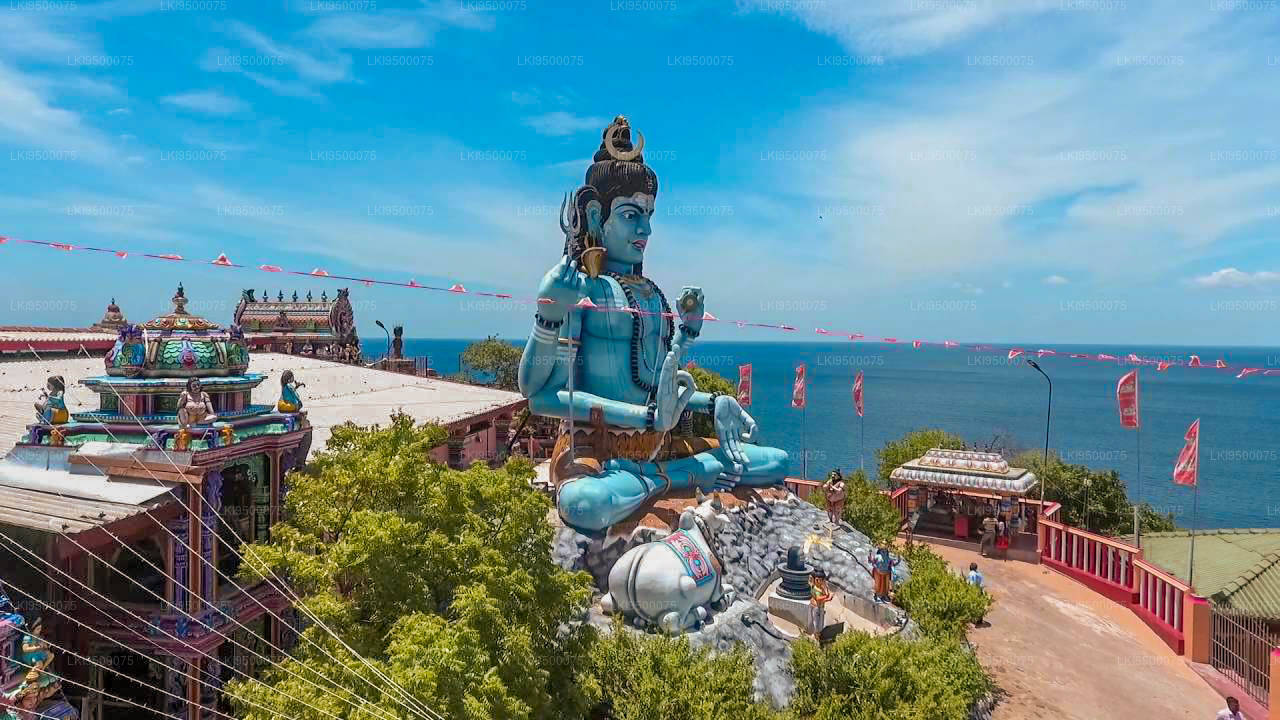
Shankari Devi temple in Tricomalee, Srilanka is a prominent temple for Hindus. But, it is most rarely visited and it is very least popular in all AstavaDasha Shakti peethas. Shanakri Devi Temple is situated in an east coast town of Srilanka, Tricomalee (Tri – Cona – Malai = a triangular hill).

Along with the temple of Shaankari Devi, there is a temple of Lord Shiva – TRIKONESHWARA Temple.

Portuguese people demolished these temples in 17th century.

About Temple

Koneswaram temple also Thirukoneswaram is a Hindu temple which is located in the town Trincomalee, Sri Lanka. It is dedicated to main deity in Shaivism namely Lord Siva and is one of the five ancient Sivan templearound the island.

Trincomalee is a natural deep-water harbor that attracted great sea farers like Marco Polo, Ptolemy and sea traders from China and East Asia from the ancient times. The local name Thirukonamalai means "Holy East Hill". Kona is a derivative of the 1st Century Tamil word Kuna meaning East. Trinco as it is commonly called has been a sea port since the days of the ancient Kings and one of the British Empire's most important ports in Asia during the second world war. From 1941-45, Trinco had been the headquarters of Lord Louis Mountbatten Allied Southeast Asia commander. The Koneswaram temple is believed to have been a major religious shrine since before the arrival of Prince Vijaya 2500 years ago. Many inscriptions found in the surrounding area speak of Indian Pallava, Chola and even Pandya kings making contributions to the upkeep of the temple indicating an origin in antiquity. Local legend has it that it was renovated by a Tamil Chola king from South India named Kulakottan. This temple is one of the four important Saivite temple connected to the revival of Hinduism in Sri Lanka. The other three temples are situated in Ketheeswaram, Munneswaram and Galle

There is evidence that indicates at least some of the later Sinhalese Buddhist kings too maintained the temple although Buddhist King Mahasena was reported to have destroyed it and built a Buddhist temple and Dagoba in its place.

This shrine was demolished in 1622 by the Portuguese (who called it the Temple of a Thousand Columns), who fortified the heights with the materials derived from its destruction. Some of the artefacts from the demolished temple were kept in the Lisbon Museum. The stone inscription by Kulakottan has a dual fish emblem and is engraved with a prophesy stating that after 1500s, westerners with different eye colors will rule the country for the ensuing 500 years and at the end of it, the rule will revert back to Vadugus. Trincomalee was next held by the Dutch and subsequently by them and the French alternately, till the capture of Sri Lanka by the British in 1795.

The hill face is rugged and is called 'Ravanan Veddu'. As Trinco is full of seismic and volcanic activity as seen in Kanniya Hot Springs area, this rugged face of rock is a reminder of the movement of Earth's crust in this ar

Informazioni sul distretto di Trincomalee

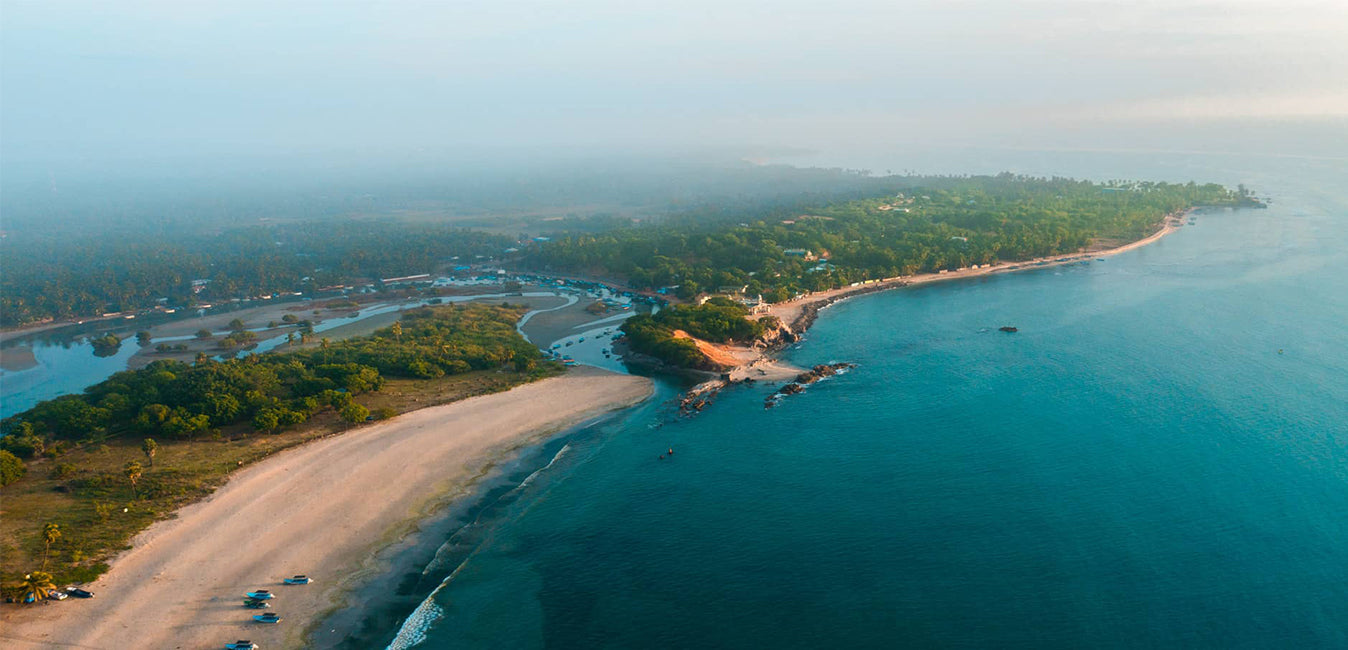
Trincomalee è una città portuale sulla costa orientale dello Sri Lanka. Il porto della baia di Trincomalee è rinomato per le sue ampie dimensioni e la sua sicurezza; a differenza di qualsiasi altro porto nel Mar Indiano, è accessibile a tutti i tipi di imbarcazioni in qualsiasi condizione atmosferica. Le spiagge sono utilizzate per il surf, le immersioni subacquee, la pesca e l'osservazione delle balene. La città ospita anche il più grande forte olandese dello Sri Lanka. Ospita importanti basi navali dello Sri Lanka e una base dell'aeronautica militare dello Sri Lanka.

La maggior parte dei Tamil e dei Cingalesi crede che questo luogo sia sacro e sono la popolazione indigena della zona. Trincomalee e i suoi dintorni ospitano siti sia indù che buddisti di importanza storica. Questi siti sono sacri per gli indù e i buddisti.

Informazioni sulla Provincia Orientale

La Provincia Orientale è una delle 9 province dello Sri Lanka. Le province esistono dal XIX secolo, ma non hanno avuto alcuno status giuridico fino al 1987, quando il 13° emendamento alla Costituzione dello Sri Lanka del 1978 istituì i consigli provinciali. Tra il 1988 e il 2006 la provincia è stata temporaneamente fusa con la Provincia Settentrionale per formare la Provincia del Nord-Est. Il capoluogo della provincia è Trincomalee. La popolazione della provincia Orientale era di 1.460.939 abitanti nel 2007. La provincia è la più diversificata dello Sri Lanka, sia dal punto di vista etnico che religioso.

La provincia Orientale ha una superficie di 9.996 chilometri quadrati (3.859,5 miglia quadrate). La provincia è circondata dalla Provincia Settentrionale a nord, dal Golfo del Bengala a est, dalla Provincia Meridionale a sud e dalle province di Uva, Centrale e Centro-Settentrionale a ovest. La costa della provincia è dominata da lagune, le più grandi delle quali sono la laguna di Batticaloa, la laguna di Kokkilai, la laguna di Upaar e la laguna di Ullackalie.