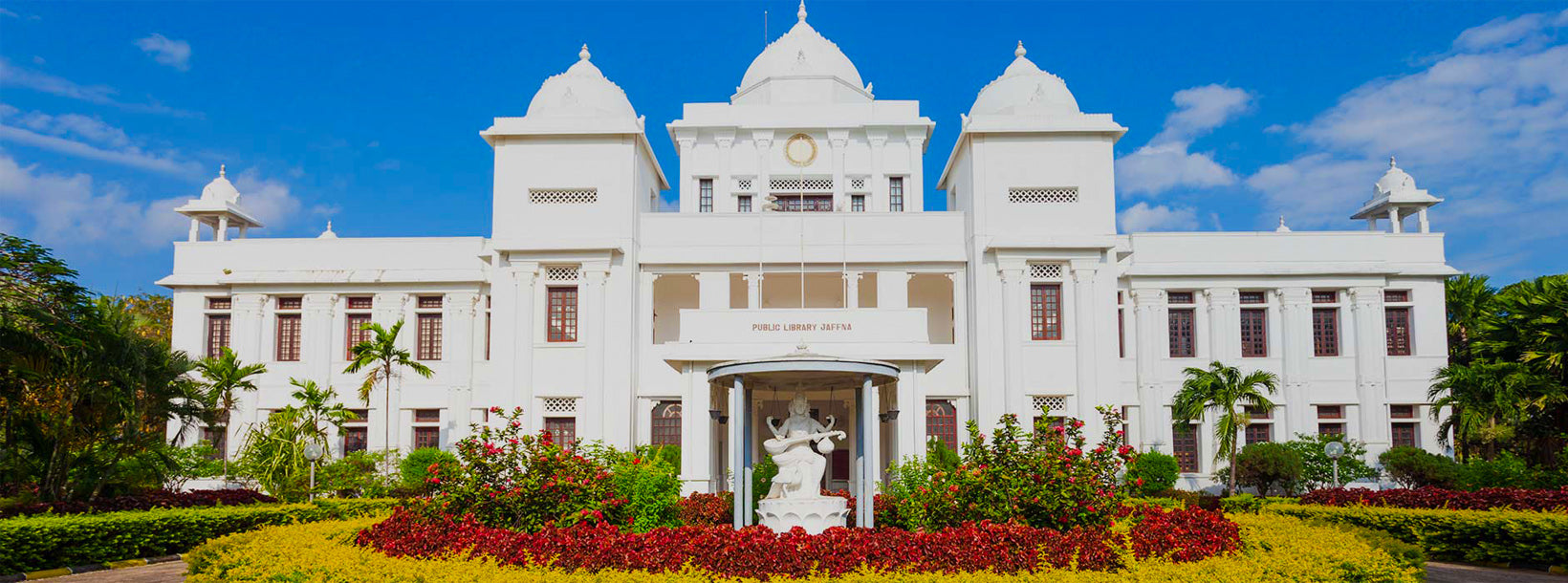
Jaffna City
Jaffna is the main city of Jaffna peninsula in the northernmost district of Sri Lanka. Comfortable intercity busses from Colombo take 10-12 hours to reach the city of Jaffna.
Nagadeepa Viharaya
Nagadvipa è a solo circa 35 miglia dall'India ed è la più piccola isola nel Golfo di Mannar. I mercanti sono venuti a lungo qui e nelle isole circostanti per acquistare le conchiglie che vengono raccolte nelle acque poco profonde e calde del golfo. La conchiglia è ovviamente essenziale per alcuni rituali induisti e buddisti, e un esemplare particolarmente perfetto che si avvolge verso destra può raggiungere un prezzo enorme. I pellegrini sono venuti a Nagadvipa (Nainativ) sin dal 1° secolo d.C. per adorare il suo famoso Stupa. Nel Mahavamsa l'isola è uno dei sedici luoghi sacri e l'epica buddista tamil, Manimekalai, menziona un trono decorato con gemme e una pietra con le impronte dei piedi del Buddha conservate a Nagadvipa, che i pellegrini provenienti dall'India venivano a venerare. L'eroina dell'epopea è descritta mentre vagabonda tra le "lunghe dune di sabbia e le lagune" dell'isola.
Tuttavia, da entrambi i lati dell'ingresso laterale al tempio ci sono due oggetti molto antichi. A sinistra, appena entri, c'è una grande pietra con un'iscrizione di Parakramabahu I. Nella prima parte di questa iscrizione, il re dice che gli stranieri che entrano nel paese devono entrare solo a Uraturai (Kayts) e che devono essere aiutati se sono bisognosi. Questo si riferisce senza dubbio ai mercanti e ai pellegrini provenienti dall'India. La seconda parte dice quali misure devono essere prese se le navi che trasportano elefanti o cavalli e le navi mercantili naufragano. A destra dell'ingresso c'è una grande pietra a forma di salvagente, un antico ancoraggio. Le navi arabe usavano ancore di questo tipo. Meno di mezzo chilometro più avanti sulla strada dal tempio c'è Nagadvipa Vihara, che segna il luogo dove si dice che il Buddha sia rimasto durante la sua visita alla piccola isola. Da un lato della strada c'è l'albero Bodhi e dall'altro c'è lo Stupa dipinto d'argento. Ci sono anche due templi, uno dei quali contiene una statua di Buddha in bronzo donata dal governo birmano nel 1956. Nulla a Nagadvipa ha interesse estetico o storico, tranne le iscrizioni; tutto è stato costruito negli anni '50.
About Jaffna District
Jaffna is the capital city of the Northern Province, Sri Lanka. 85% of the populations of the Jaffna and Kilinochchi districts are Hindus. The Hindus follow the Saivite tradition. The remainders are largely Roman Catholics or Protestants, some of whom are descendants of colonial settlers, known as Burghers. The Tamils are divided along caste lines, with the farmer-caste Vellalar forming the majority. Sea products, red onion, and tobacco are the main products in Jaffna.
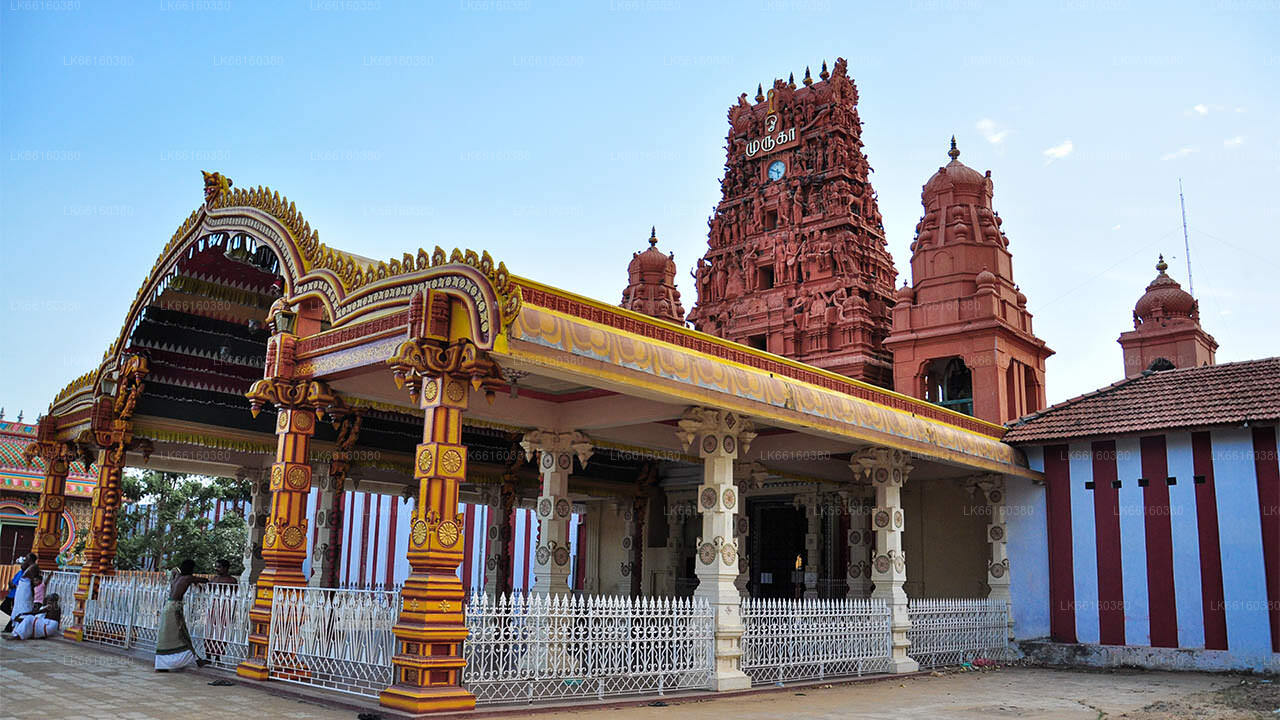
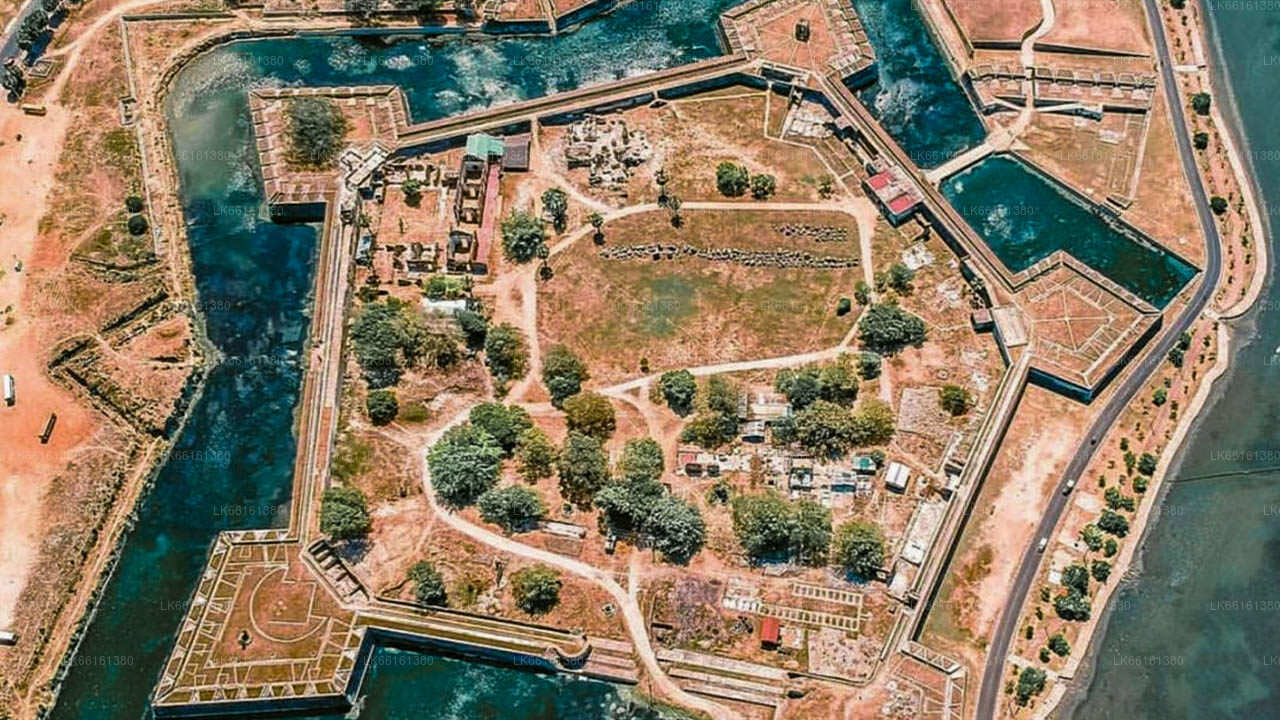
Jaffna is home to beautiful Hindu temples. An Old Dutch Fort still stands well preserved within which is an old Church. Another example of Dutch architecture is the King's House. No visit to Jaffna is complete without tasting the exquisite Jaffna mango, reputed for its sweetness. About 3 km away is the majestic Nallur Kandaswamy Temple, home to the largest religious festival in Jaffna. The Kayts Harbour is an ancient ship docking site in the Jaffna region.
About Northern Province
The Northern Province is one of the 9 provinces of Sri Lanka. The provinces have existed since the 19th century but they didn't have any legal status until 1987 when the 13th Amendment to the 1978 Constitution of Sri Lanka established provincial councils. Between 1988 and 2006 the province was temporarily merged with the Eastern Province to form the North-East Province. The capital of the province is Jaffna.
Northern Province is located in the north of Sri Lanka and is just 22 miles (35 km) from India. The province is surrounded by the Gulf of Mannar and Palk Bay to the west, Palk Strait to the north, the Bay of Bengal to the east and the Eastern, North Central and North Western provinces to the south.The province has a number of lagoons, the largest being Jaffna Lagoon, Nanthi Kadal, Chundikkulam Lagoon, Vadamarachchi Lagoon, Uppu Aru Lagoon, Kokkilai lagoon, Nai Aru Lagoon and Chalai Lagoon.Most of the islands around Sri Lanka are to be found to the west of the Northern Province. The largest islands are: Kayts, Neduntivu, Karaitivu, Pungudutivu and Mandativu.
The Northern Province's population was 1,311,776 in 2007. The majority of the populations are Sri Lankan Tamils, with a minority Sri Lankan Moor and Sinhalese population. Sri Lankan Tamil is the major language spoken in the province by the vast majority of the population. The other language spoken is Sinhala by 1 percent of the population. English is widely spoken and understood in the cities.