Muthiyangana Raja Maha Vihara


Muthiyanganaya Raja Maha Viharaya si trova nel centro della città di Badulla. La storia di questo tempio risale all'epoca di Buddha, ma quest'area intorno a Badulla (specialmente la provincia di Uva) risale al XIX - XVIII secolo a.C. L'imperatore Rawana governava questo paese con Badulla come capitale. Si crede anche che la guerra tra Rama e Rawana si sia svolta in quest'area. Ci sono molti luoghi e nomi che identificano quest'area come una delle capitali di Rawana; Seetha Eliya, Seetha Kotuwa e Rawana Ella come descritto nel Ramayana. Si dice che Rawana alla fine perse la guerra e che suo fratello traditore Vibishana portò la capitale a Kelaniya, e Uva gradualmente sparì dalla storia fino al V secolo.
Buddha e 500 Arhanti visitarono quest'isola per la terza volta su invito del re Naga Maniakkhitha a Kelaniya. Durante questa visita, Buddha arrivò a Badulla su invito del re Indaka (che è stato elevato allo status di divinità), sovrano della catena montuosa Namunukula. Il re Indaka costruì una Stupa che custodiva alcuni capelli di Buddha e Mukthaka Dathu (gocce di sudore trasformate in perle) nel luogo dove Buddha fece i suoi sermoni. Questa è la nascita della Muthiyanganaya Stupa. Da allora questa Stupa e il tempio sono stati ampliati, ricostruiti e rinnovati da molti re.
Thorana con un design unico a sei livelli all'ingresso del tempio proviene da un periodo sconosciuto. Il primo livello include l'ingresso principale e sopra di esso, al secondo livello, c'è una testa tipica di Makara (drago). Ai lati della testa ci sono due figure di guardiani e agli angoli due figure di leoni. Al terzo livello ci sono due figure di Vamana e ai bordi due animali, probabilmente leoni. Queste figure non sono così chiare come le figure di leoni al secondo livello. Al centro del terzo livello c'è una base alta che arriva fino al quarto livello, su cui ci sono due tori e la caratteristica di questi tori è che sono decorati e hanno grosse gobbe. Questi tori sono una caratteristica dell'induismo e questa caratteristica indica una certa influenza dell'induismo nella costruzione di questa struttura. Infine, in cima al quinto livello, c'è una statua di Buddha seduto. Il quinto livello è dedicato alla statua di Buddha. I pavoni al sesto livello completano il contorno della struttura. All'ingresso c'è un colorato Makara Thorana. Proprio sopra l'ingresso e sotto la testa del drago c'è una figura di Maitre Bodhisattva. Sul lato destro della Casa delle Immagini c'è una statua di Indaka, il protettore del sacro terreno di Muthiyanganaya e della catena montuosa Namunukula. A destra c'è la statua di Maitre Bodhisattva. Passando attraverso la Casa delle Immagini, si arriva alla struttura più sacra del tempio, la Stupa che custodisce i capelli di Buddha e Mukthaka Dathu. La stupa iniziale, costruita dal dio Indaka nel V secolo a.C., è stata ampliata dal re Devanampiyatissa (150-210 a.C.) dell'era di Anuradhapura.


Special places in Badulla
-
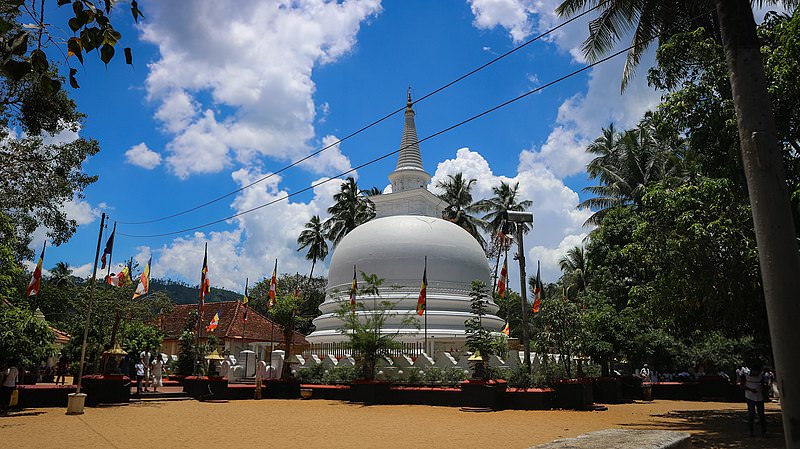 Muthiyangana Raja Maha Vihara
Muthiyanganaya Raja Maha Viharaya lies in the centre of the city of Badulla. The History of this temple goes back to the time of Buddha but this area around Badulla goes way back in to the time of 19th -18th century BCE.
-
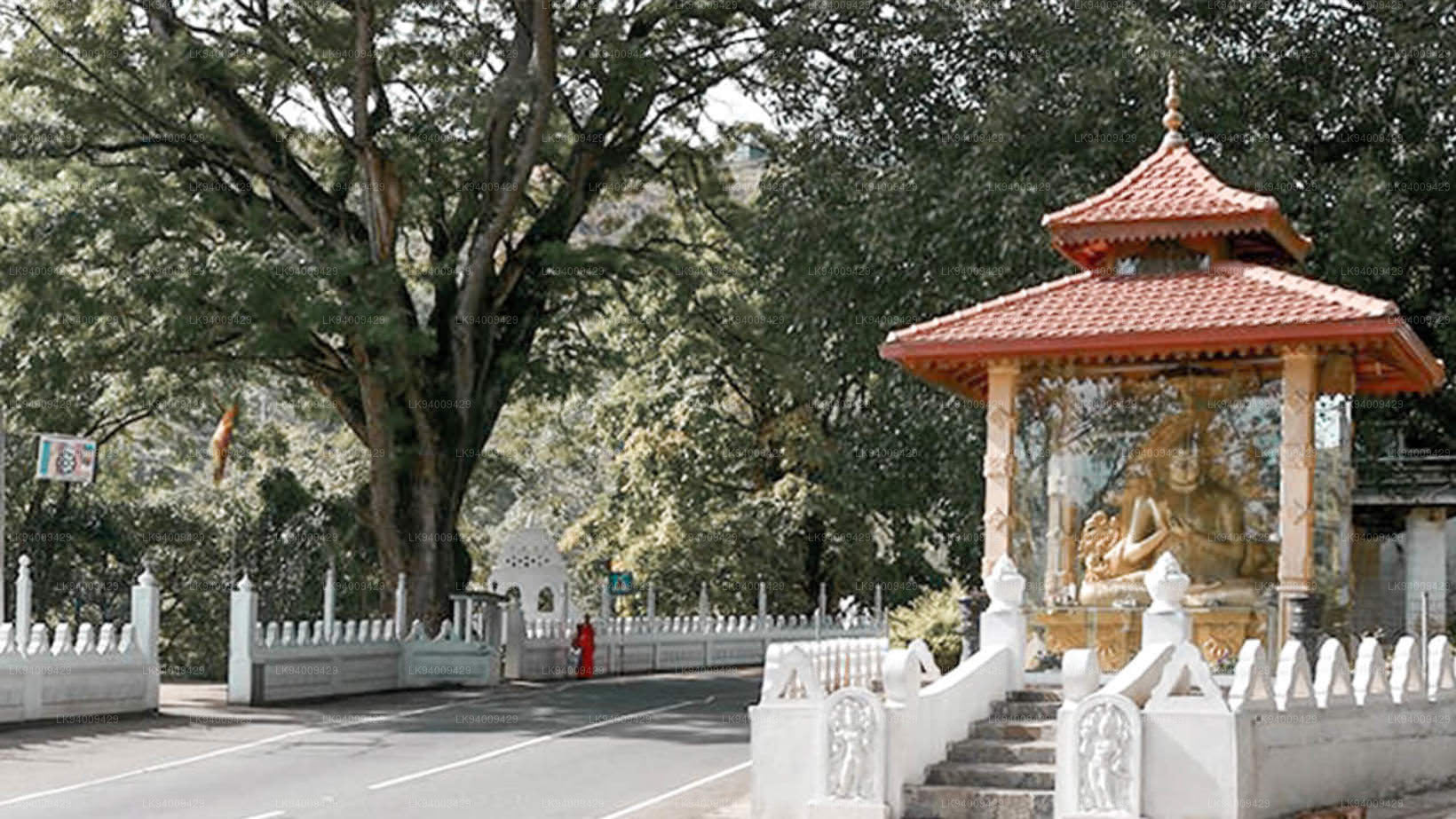 Dowa Raja Maha Viharaya
Dowa Raja Maha Viharaya (Dowa Cape Temple) lies few kilometres away from the Bandarawela town on the Bandarawela – Badulla Road. This temple is thought to be done by King Walagamba in the in first century BC.
-
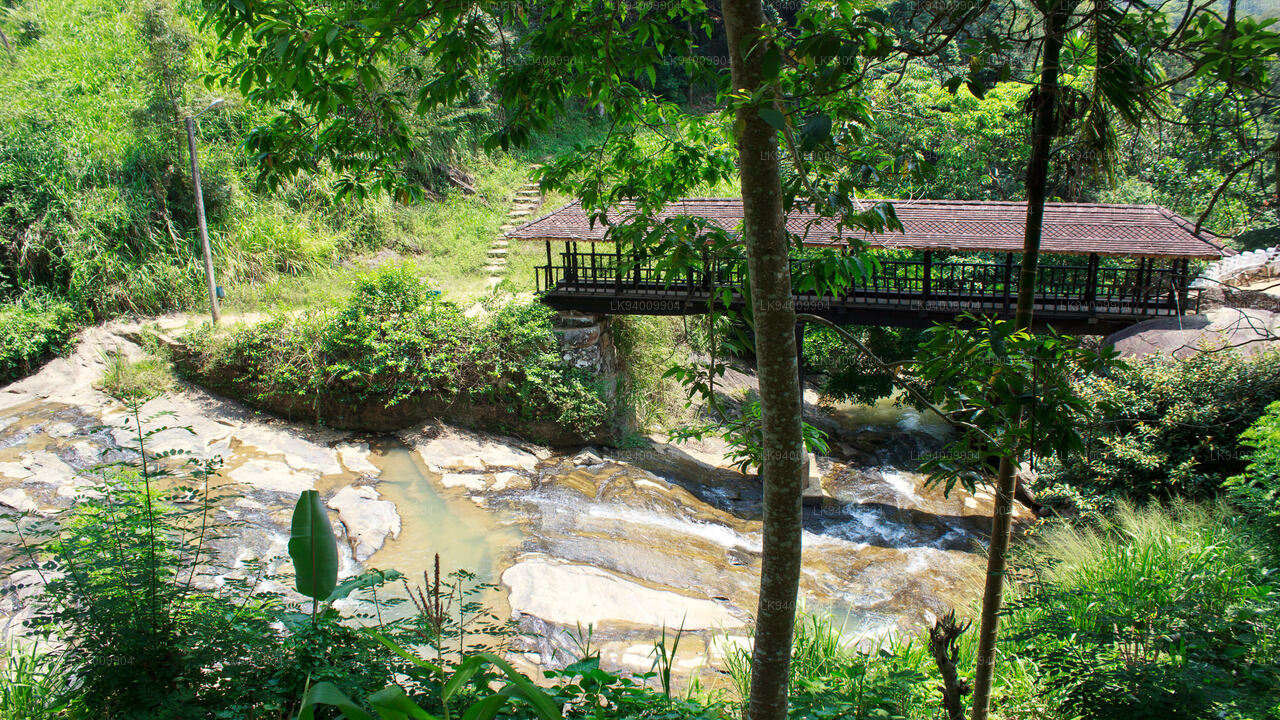 Bogoda Wooden Bridge
The Bogoda Wooden Bridge was built in the 16th century during the Dambadeniya era. This is said to be the oldest surviving wooden bridge in Sri Lanka. The bridge is situated at 7 kilometres (4.3 mi) west of Badulla.
-
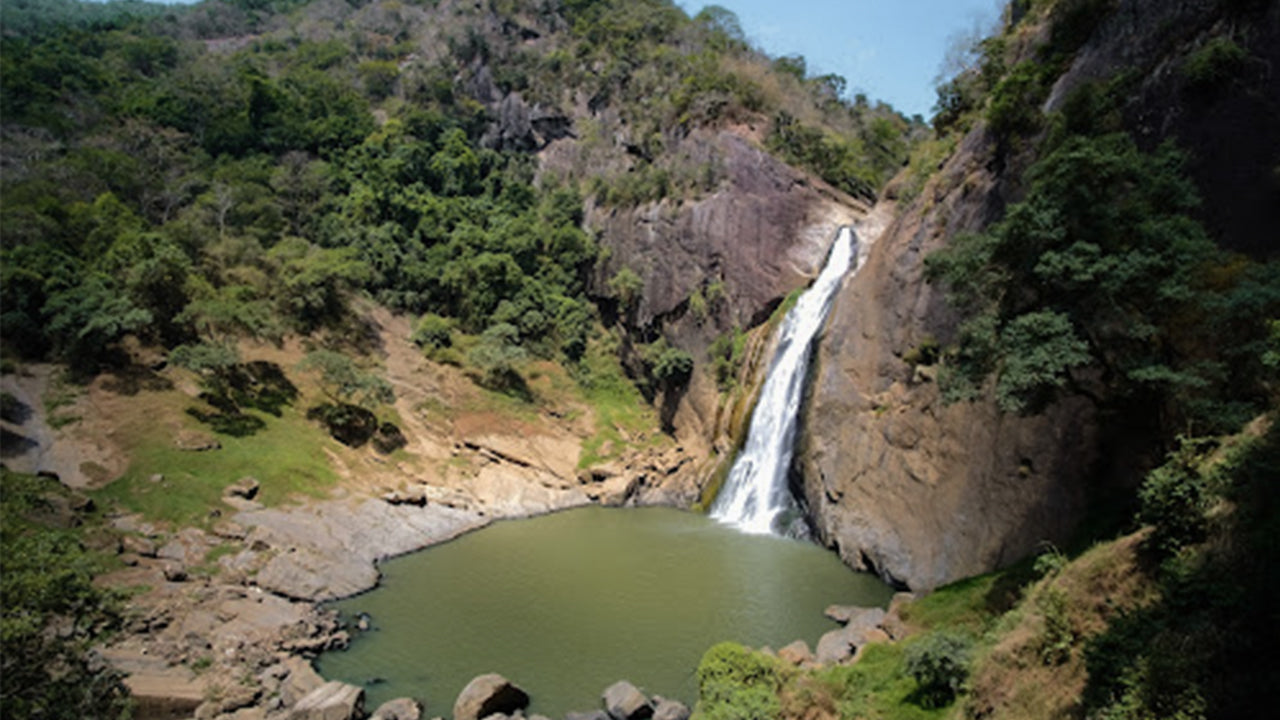 Dunhinda Falls
Dunhinda Falls is situated about 5 km away from Badulla town. It is 63 meters high and is considered to be one of the most beautiful waterfalls in Sri Lanka. The falls gets its name dew to the smoky dew drops spray.