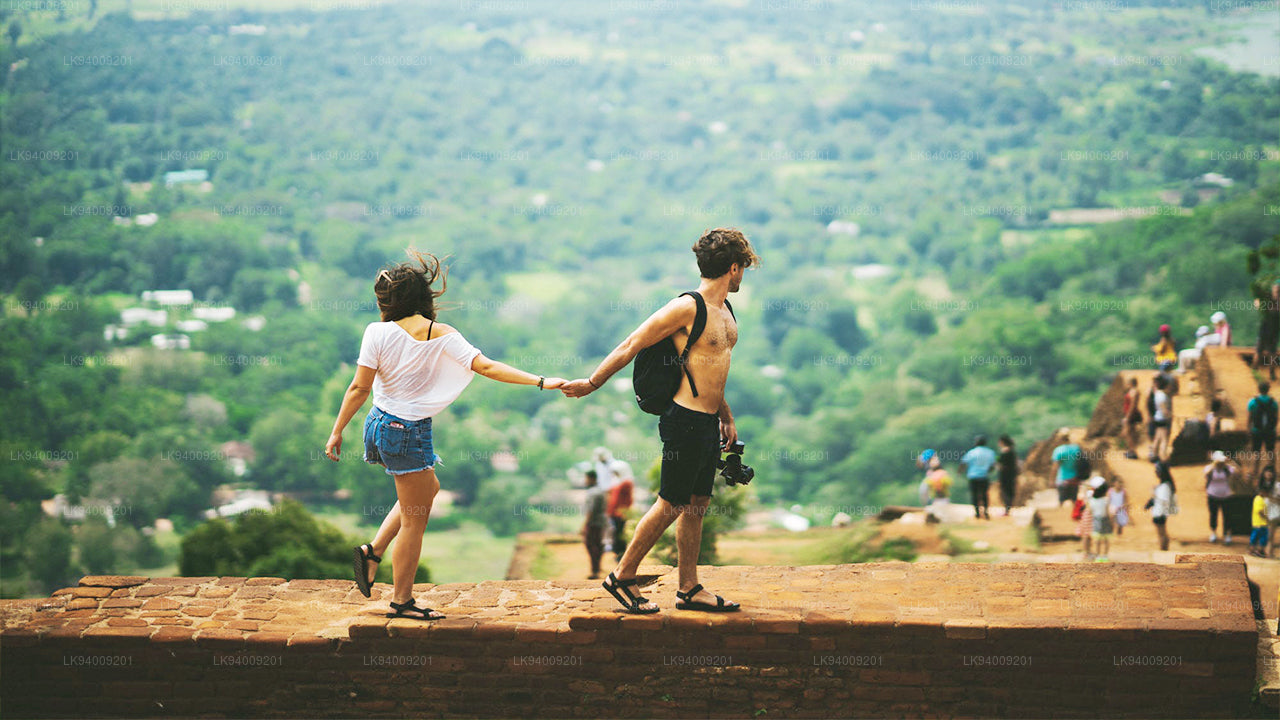
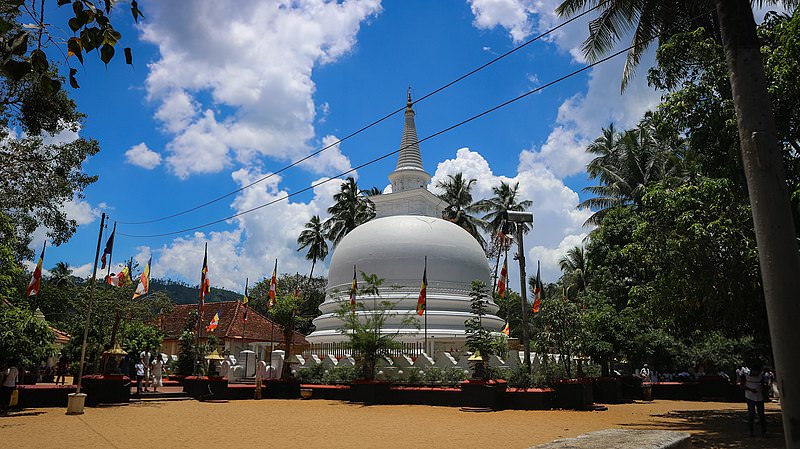
Stupa di Mahiyangana Vihara


Secondo il Mahávamsa, Sivuhelaya (Sri Lanka) era abitata dai Sivu-Helayos. Gli Yakkhas (clan) vivevano a Mahiyangana in quel periodo. Si dice che il Buddha abbia avuto una discussione sul Dhamma con loro. Un capo Yakkha di nome Saman (che ora è considerato una divinità) raggiunse il Sotapanna (prima fase della liberazione) dopo aver ascoltato il discorso del Buddha e chiese al Buddha un segno che potessero adorare in sua assenza. Il Buddha gli diede una manciata di reliquie dei suoi capelli, che furono successivamente riposte da Saman in una piccola stupa alta 10 piedi (3,0 m). Questa fu la prima stupa costruita in Sri Lanka durante la vita del Buddha. Dopo il parinirvana del Buddha, un Arhant di nome Sarabhu portò l'osso della spalla sinistra del Buddha, che era stato recuperato dalla pira funeraria. Questa reliquia fu anch'essa conservata e la stupa fu ingrandita a un'altezza di 18 piedi (5,5 m). Da allora, diversi re hanno rinnovato e ampliato questa stupa. Il re Dutugamunu la elevò a un'altezza di 120 piedi. I sovrani come Voharikatissa, Sena II, Vijayabahu I e Kirthi Sri Rajasinghe hanno mantenuto il tempio. Nel 1942, fu costituita una società per il restauro del tempio sotto Rt Hon. D. S. Senanayake, il primo Primo Ministro dello Sri Lanka. I lavori di ricostruzione iniziarono nel 1953 e terminarono nel 1980 con il completamento di una nuova cima per la stupa.


Special places in Badulla
-
 Muthiyangana Raja Maha Vihara
Muthiyanganaya Raja Maha Viharaya lies in the centre of the city of Badulla. The History of this temple goes back to the time of Buddha but this area around Badulla goes way back in to the time of 19th -18th century BCE.
-
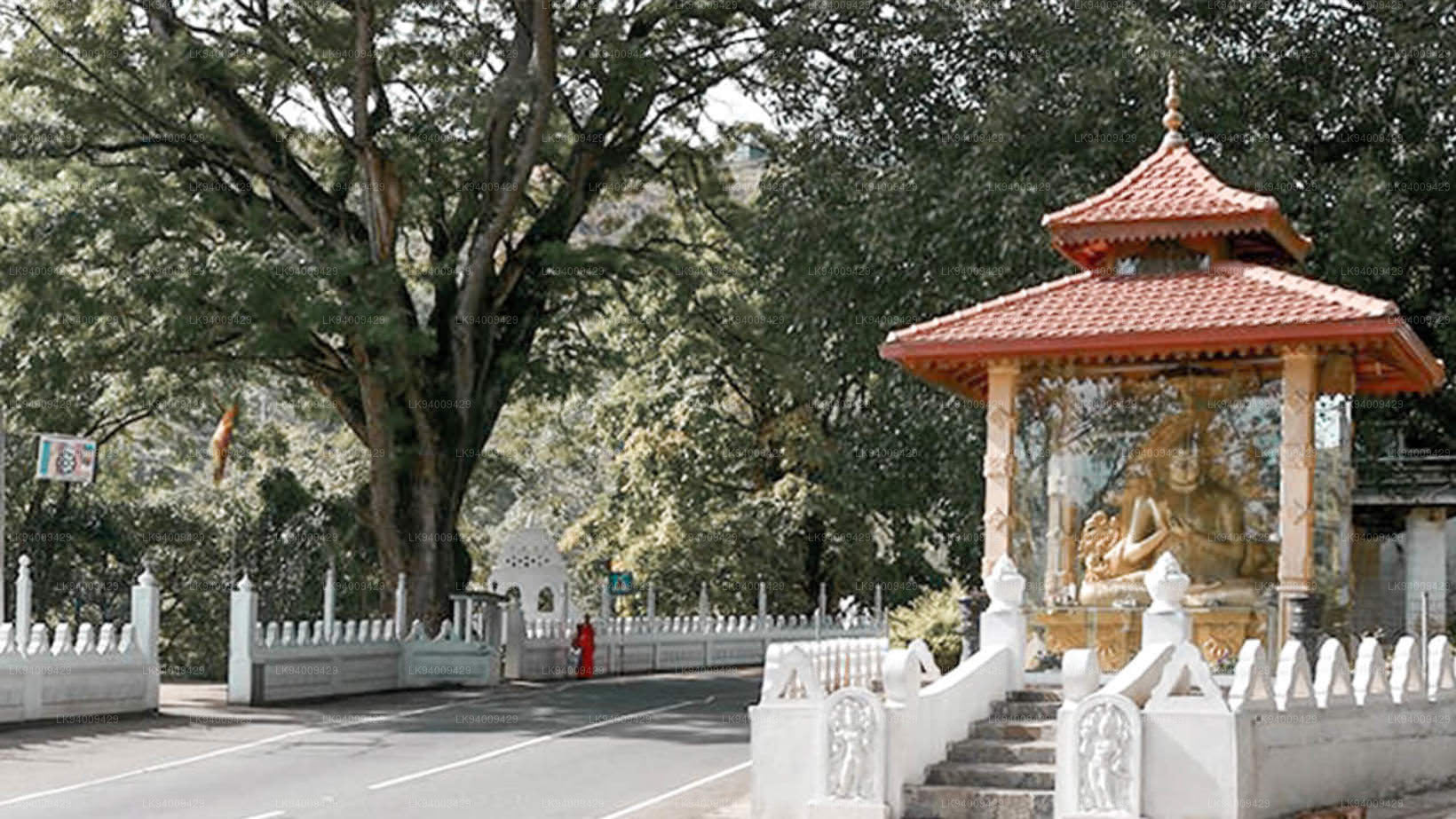 Dowa Raja Maha Viharaya
Dowa Raja Maha Viharaya (Dowa Cape Temple) lies few kilometres away from the Bandarawela town on the Bandarawela – Badulla Road. This temple is thought to be done by King Walagamba in the in first century BC.
-
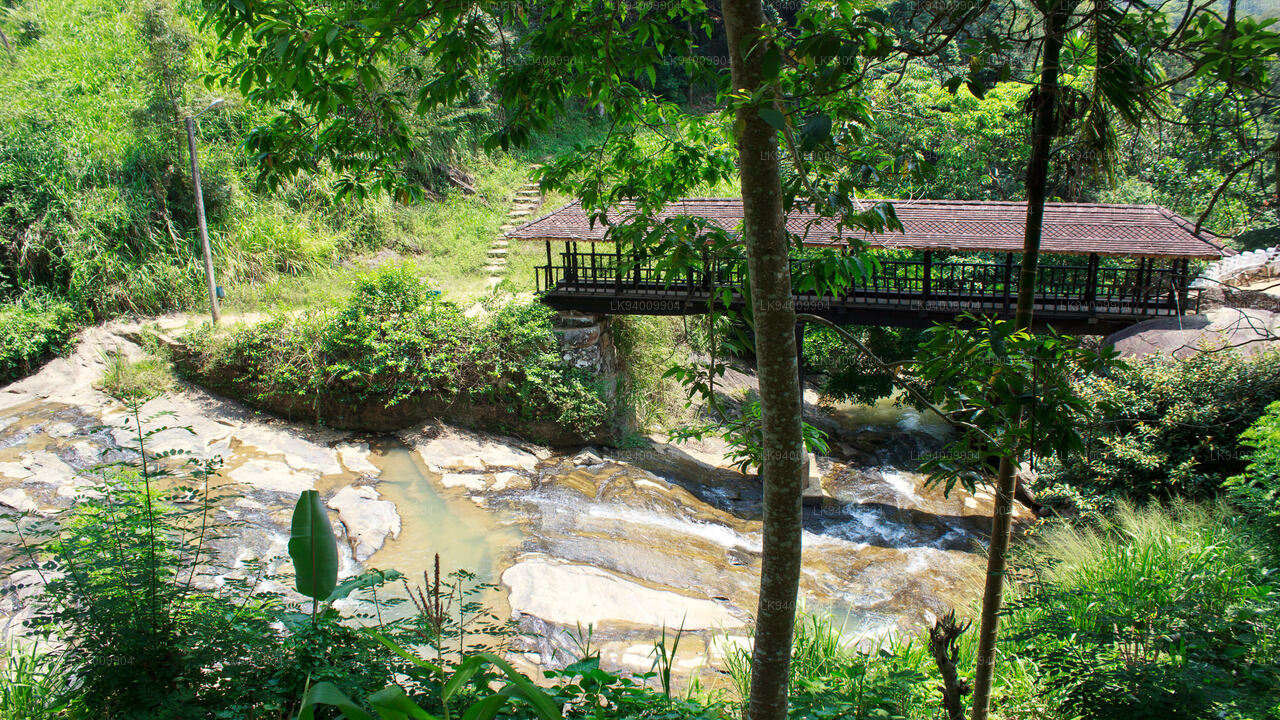 Bogoda Wooden Bridge
The Bogoda Wooden Bridge was built in the 16th century during the Dambadeniya era. This is said to be the oldest surviving wooden bridge in Sri Lanka. The bridge is situated at 7 kilometres (4.3 mi) west of Badulla.
-
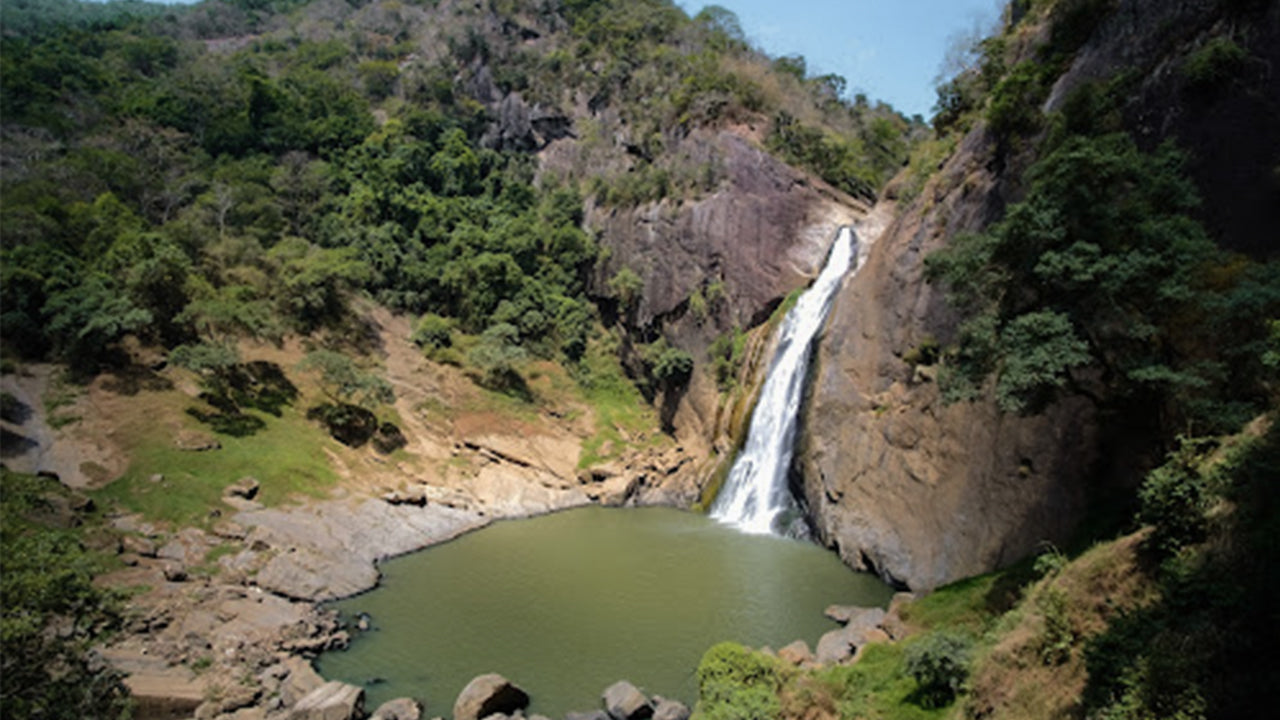 Dunhinda Falls
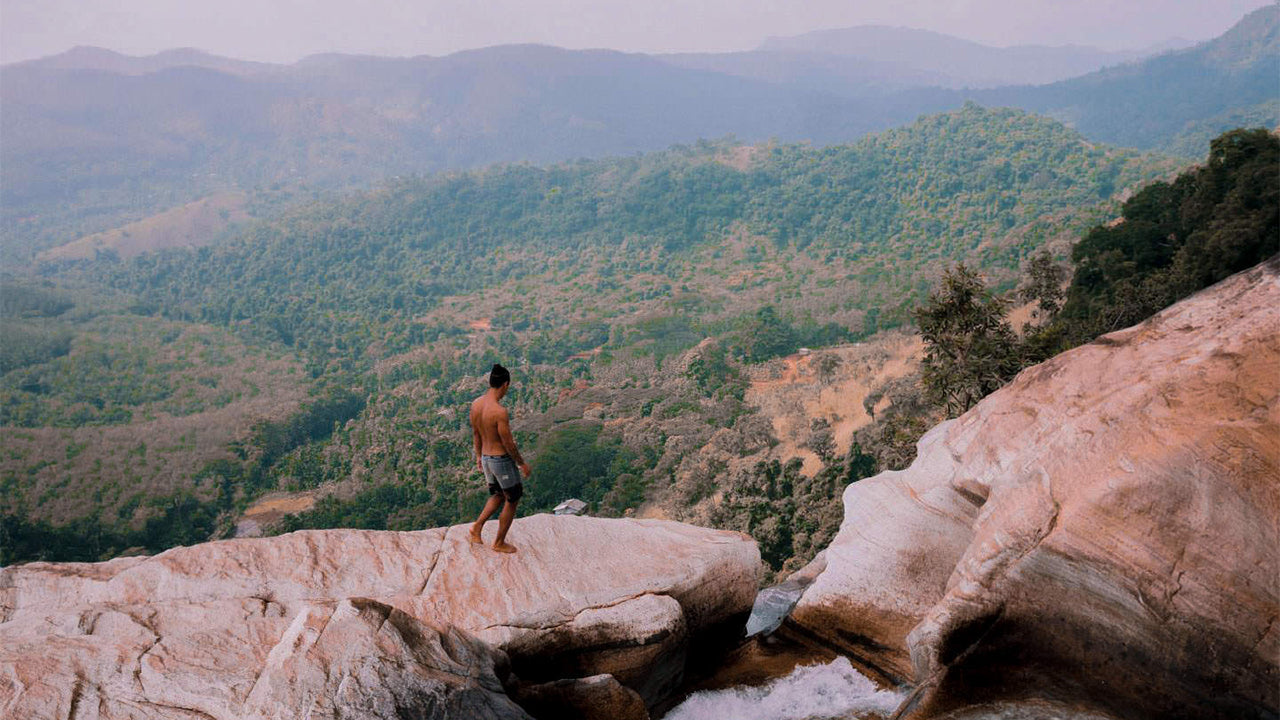
Dunhinda Falls is situated about 5 km away from Badulla town. It is 63 meters high and is considered to be one of the most beautiful waterfalls in Sri Lanka. The falls gets its name dew to the smoky dew drops spray.