Kandy Cultural Show

Kandy Cultural Show Kandy Cultural Show Kandy Cultural Show

The Kandy Lake Club Cultural Dance Show is a stimulating Sri Lankan Arts, Dance & Cultural Heritage Show that is a must see for any visitor who visits the historic city of Kandy. The Kandy Lake Club Dance started in 1982 with the view of having a cultural dance performance bringing together all Sri Lankan dance types to one platform. It is the first Cultural Dance Show of its kind to be established in Sri Lanka. It has since become a tourist attraction for many people visiting the country and keen on a glimpse of its rich cultural heritage. Hence it has been performing continuously for the last 35 years. Dance techniques unique to areas of the island are usually passed on from generation to generation. These Dances are performed at local ceremonies and rituals using drums and costumes that are unique to each area. Among the attractions are the Dances depicting the majestic walk of the elephant, colourful performance of the peacock and the mystical movements of the cobra. There are also dances with traditional masks, traditional drums and flames. The show ends with the unbelievable feat of walking on red-hot charcoal, which is a traditional form of worship of local gods. Right throughout the show you can enjoy the sounds of drums and other traditional musical instruments of Sri Lanka.  A hand out in different languages gives our customers a description of every item with all interesting facts and features of the dance show.

The Kandy Lake Club Cultural Dance Show is a stimulating Sri Lankan Arts, Dance & Cultural Heritage Show that is a must see for any visitor who visits the historic city of Kandy. The Kandy Lake Club Dance started in 1982 with the view of having a cultural dance performance bringing together all Sri Lankan dance types to one platform. It is the first Cultural Dance Show of its kind to be established in Sri Lanka. It has since become a tourist attraction for many people visiting the country and keen on a glimpse of its rich cultural heritage. Hence it has been performing continuously for the last 35 years.

  • Magul Bera: The blowing of the Conch Shell is the traditional invocation at the commencement of any function and the drums are an integral part of the ritual. It is an ancient Sinhala custom to present ritual music when seeking the blessings of the Guardian of the land.
  • Puja Natuma: The female dancers carrying oil lamps are making an offering of their dancing skills to the Guardian Deities.
  • Devol Natuma: A dance sequence performed for general immunity from evil influences as well as f
Informazioni sul distretto di Kandy

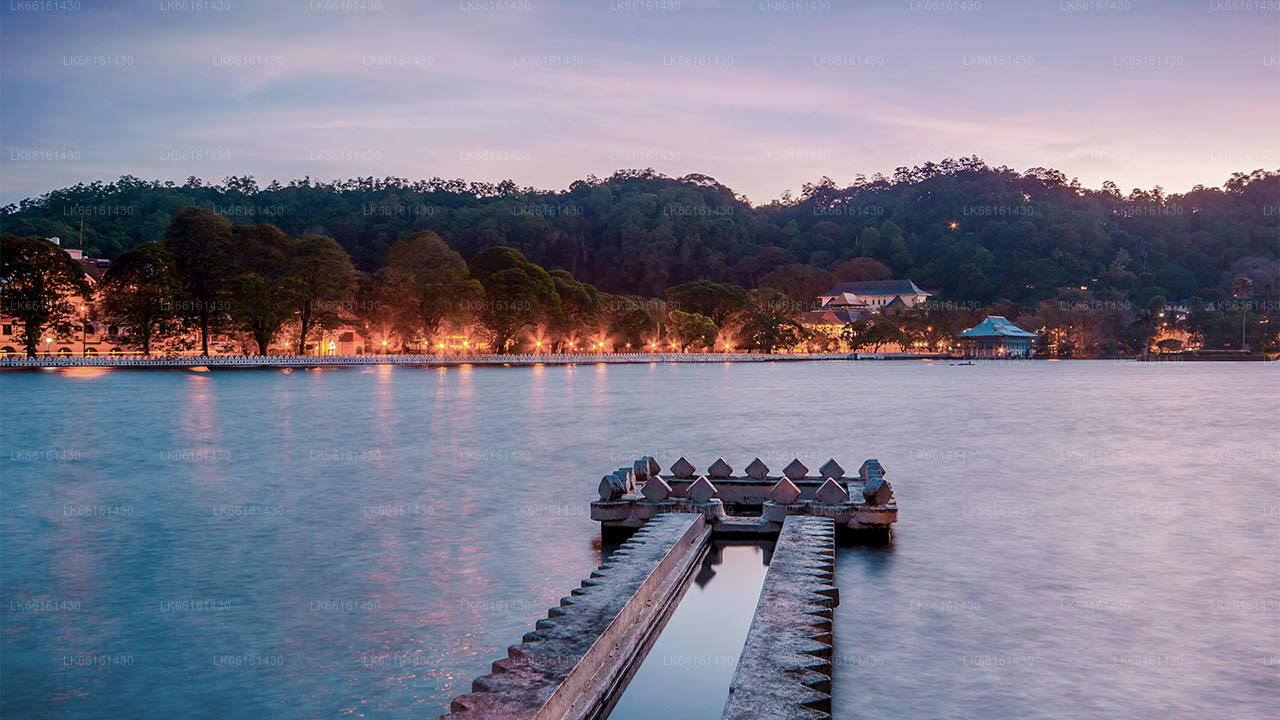
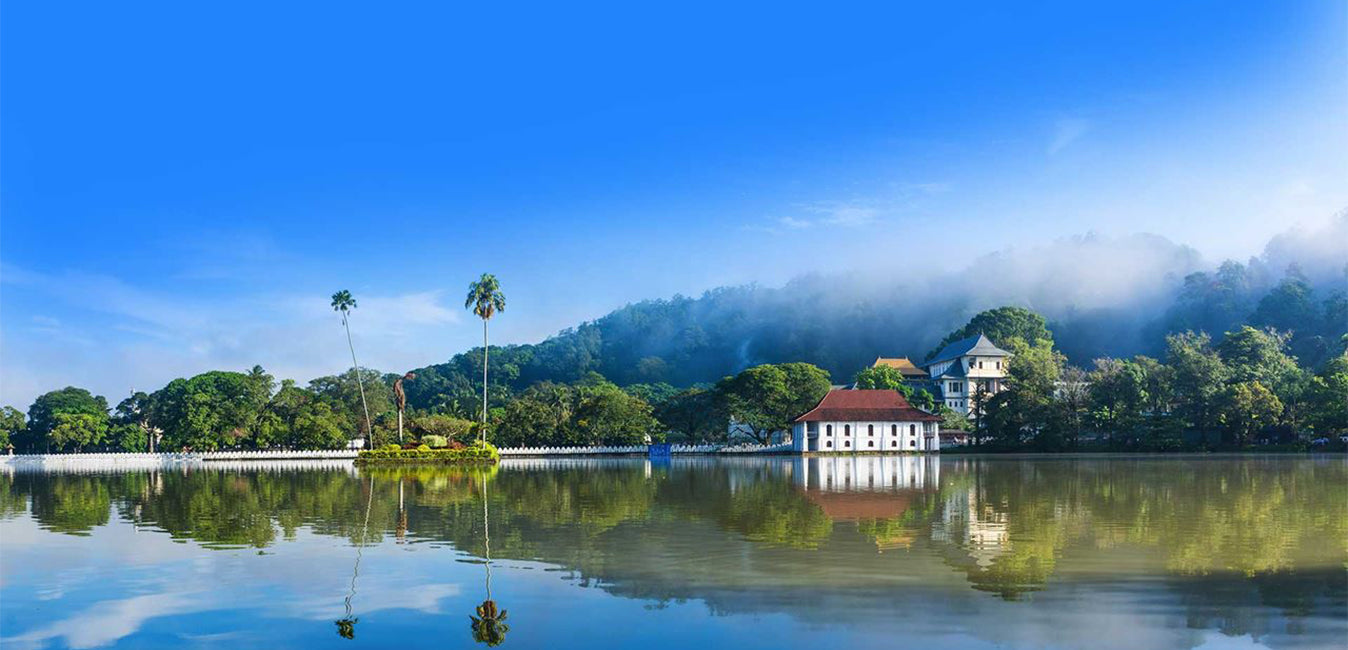
Il distretto di Kandy si trova nella provincia centrale dello Sri Lanka. Uno dei sette siti Patrimonio dell'Umanità dello Sri Lanka, Kandy un tempo era la dimora dei re di Kandy nel XVI secolo e una fonte di tutta la musica, l'arte, l'artigianato e la cultura del paese. A circa 129 km da Colombo, Kandy è incastonata in un terreno collinare e tutti gli occhi sono attratti dal centro della città, dove il lago di Kandy costituisce un elemento affascinante.

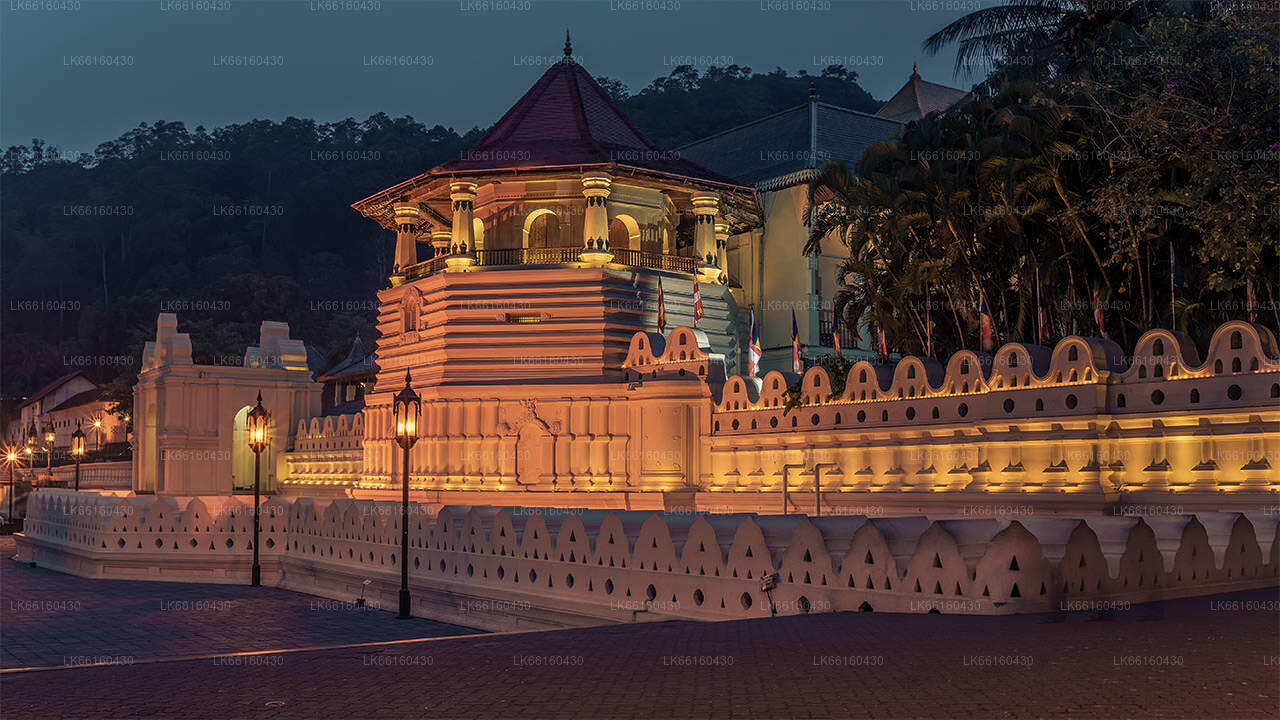
Kandy conserva un grande significato religioso per lo Sri Lanka, perché è in questa affascinante città che si trova il Dalada Maligawa o "Tempio del Dente", all'interno del quale giace ben custodita la sacra reliquia del dente del Signore Buddha. Il Giardino Botanico Reale di Peradeniya si trova a circa 5 km a ovest del centro città a Peradeniya ed è visitato da 1,2 milioni di persone all'anno. È il più grande giardino botanico dell'isola. L'Udawatta Kele (Foresta di Udawatta) è un santuario protetto situato nel cuore della città, appena a nord del Tempio del Dente.

Kandy è una città a maggioranza singalese; vi sono comunità consistenti appartenenti ad altri gruppi etnici, come Mori e Tamil. Kandy è seconda solo a Colombo, il centro dell'economia dello Sri Lanka. Molte importanti cooperative hanno grandi filiali a Kandy e molte industrie, tra cui tessile, arredamento, informatica e gioielleria, si trovano qui. Molti centri di ricerca agricola si trovano in città. È una fonte di tutta la musica, l'arte, l'artigianato e la cultura del paese. A circa 129 km da Colombo, Kandy è immersa in un terreno collinare e tutti gli occhi sono attratti dal centro della città, dove il Lago di Kandy costituisce un elemento incantevole.

Kandy conserva un grande significato religioso per lo Sri Lanka, perché è in questa affascinante città che si trova il Dalada Maligawa o Tempio del Dente, all'interno del quale è ben custodita la sacra reliquia del dente del Signore Buddha.

Informazioni sulla provincia centrale

La Provincia Centrale dello Sri Lanka è costituita principalmente da un territorio montuoso. La provincia ha una superficie di 5.674 km² e una popolazione di 2.421.148 abitanti. Alcune delle città principali includono Kandy, Gampola (24.730), Nuwara Eliya e Bandarawela. La popolazione è un mix di cingalesi, tamil e mori. Sia la capitale collinare Kandy che la città di Nuwara Eliya si trovano nella Provincia Centrale, così come Sri Pada. La provincia produce gran parte del famoso tè di Ceylon, piantato dagli inglesi negli anni '60 dell'Ottocento dopo che una devastante malattia distrusse tutte le piantagioni di caffè della provincia. La Provincia Centrale attrae molti turisti, con città collinari come Kandy, Gampola, Hatton e Nuwara Eliya.

Il Tempio del Dente o Dalada Maligawa è il principale luogo sacro della provincia di Central. Il clima è fresco e molte zone intorno ai 1500 metri hanno spesso notti fredde. I pendii occidentali sono molto umidi, con precipitazioni che in alcuni punti raggiungono quasi i 7000 mm all'anno. I pendii orientali appartengono alla zona medio-secca, in quanto ricevono pioggia solo dal monsone di nord-est. Le temperature variano dai 24 °C di Kandy ai soli 16 °C di Nuwara Eliya, che si trova a 1.889 m sul livello del mare.

Le montagne più alte dello Sri Lanka si trovano nella Provincia Centrale. Il territorio è prevalentemente montuoso, con profonde valli che lo attraversano. Le due principali regioni montuose sono il massiccio centrale e la catena delle Knuckles, a est di Kandy.