Peradeniya sits in a sweeping bend of the Mahaweli River, roughly five kilometres west of Kandy in Sri Lanka's Central Province. It is best known for two institutions that have shaped the country's intellectual and botanical heritage: the Royal Botanic Gardens and the University of Peradeniya. Together, they make the town a rewarding half-day or full-day stop for travellers moving through the hill country — and a genuine destination in its own right for those who take the time to slow down.
What makes Peradeniya worth visiting?
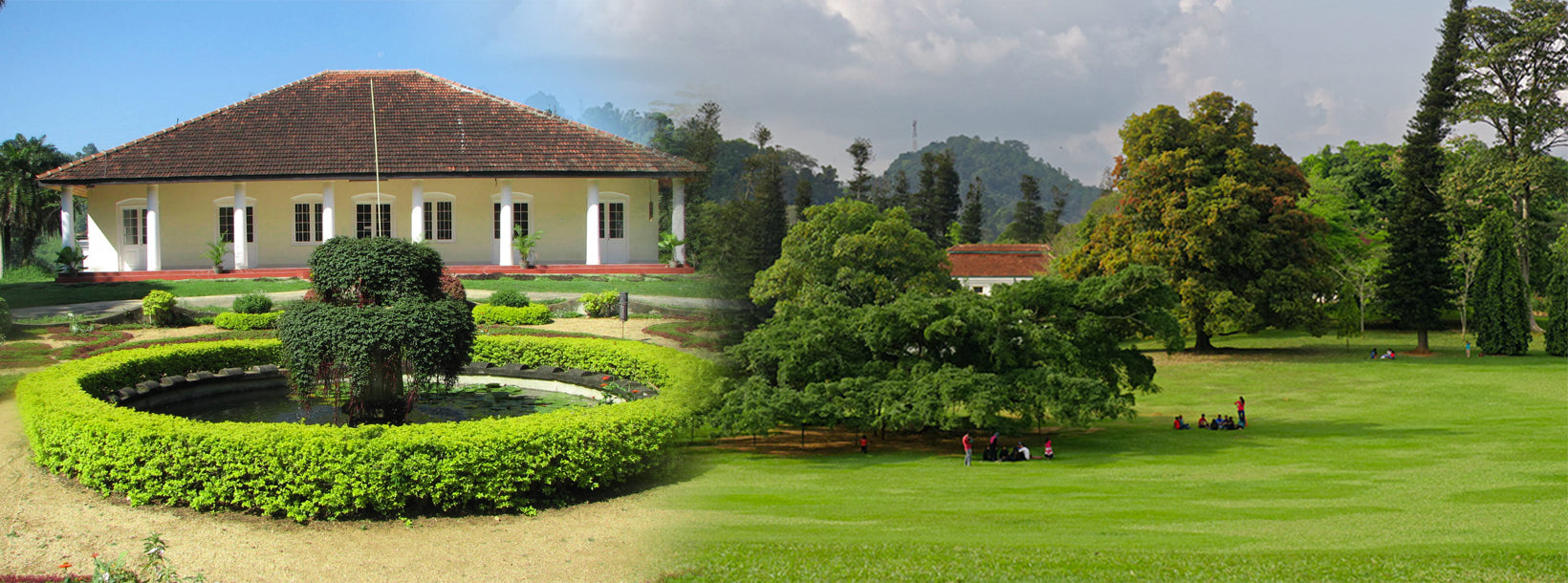
Most towns near Kandy serve as staging posts. Peradeniya earns a stop on its own merits. The Royal Botanic Gardens cover around 147 acres along a natural loop of the Mahaweli River, making them some of the most impressively landscaped grounds in South Asia. The University of Peradeniya, established in 1942, spreads across an unusually scenic campus and is considered one of Sri Lanka's most architecturally distinguished academic institutions. The combination of curated greenery, colonial-era design, and active riverside life gives Peradeniya a character that feels distinct from the busier attractions in Kandy city.
What can you see at the Royal Botanic Gardens, Peradeniya?
The gardens were formally established in 1821 and have grown into one of Asia's most significant botanical collections. Highlights include the Palm Avenue — a long corridor of towering Cabbage Palms — the Orchid House, which holds hundreds of species, and a celebrated avenue of Java Fig trees with dramatic aerial root systems. A dedicated medicinal plants section documents species that have been used in Ceylon's traditional Ayurvedic pharmacopoeia for centuries.
The gardens are also a reliable spot for birdwatching. Resident and migratory species use the tree canopy and the riverbank habitat throughout the year. Fruit bats roost visibly in the canopy during the day and are a distinctive feature of the late-afternoon atmosphere.
- Orchid House and collection greenhouses
- Palm Avenue and the Great Circle lawn
- Java Fig tree avenue
- Medicinal plants garden
- Riverside walking paths along the Mahaweli
- Spice garden featuring Ceylon black pepper and other cultivated species
When is the best time to visit Peradeniya?
The Central Province receives two monsoon periods, and Peradeniya's position in the mid-hills means it can see rain at most times of year. That said, the drier months from December through April generally offer the most comfortable conditions for walking the gardens and exploring the university campus. Morning visits are preferable — the light is better, temperatures are cooler, and the gardens are less crowded before tour groups arrive from Kandy around mid-morning.
The gardens remain open year-round, and even a light-rain visit has its appeal: the orchid houses are covered, and the general greenery intensifies after rainfall. Avoid public holidays if you prefer a quieter experience, as these are popular days for local families.
How do I get to Peradeniya from Kandy?
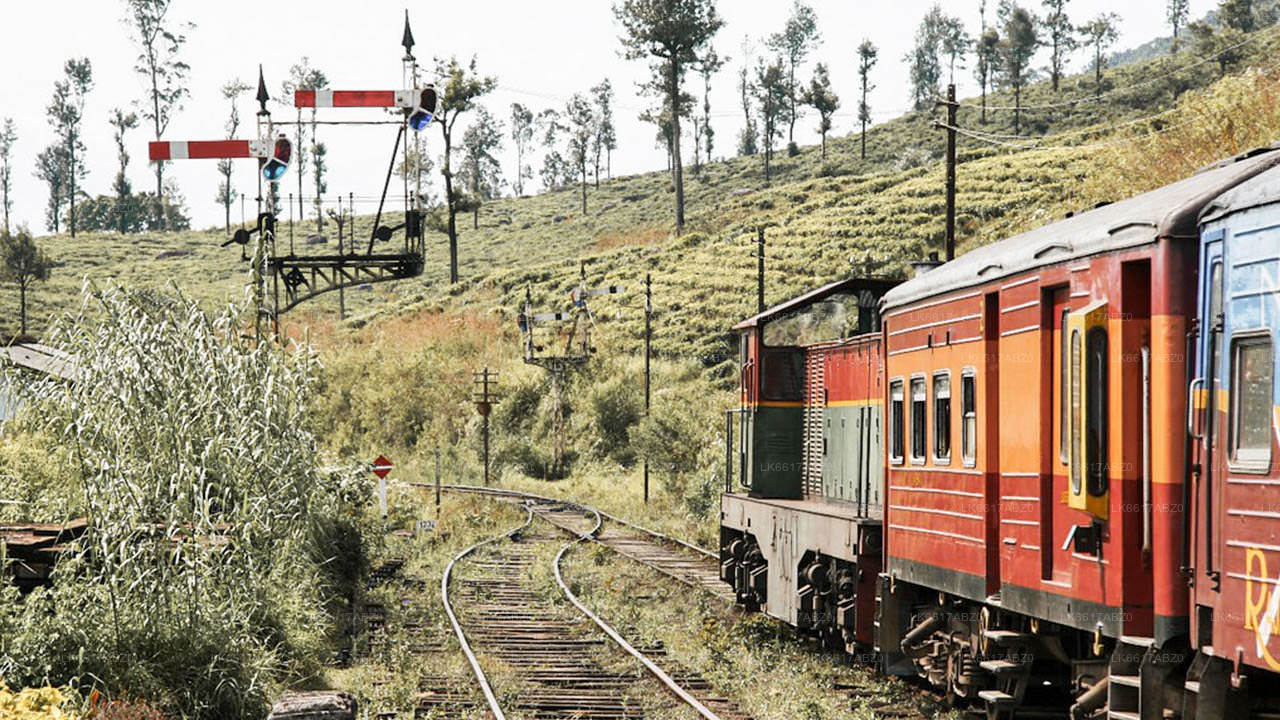
The most atmospheric option is the train. Peradeniya Junction station sits on the main Colombo–Badulla line, and several trains stop there daily. From Kandy Fort Railway Station, the journey takes around ten minutes. The same line connects Peradeniya to Ella through some of the most photographed scenery in Sri Lanka — the ride through tea country and mountain passes via Nanu Oya and Haputale is widely regarded as one of the great rail journeys of Asia.
By road, Peradeniya is approximately five to six kilometres from Kandy city centre along the A1 highway. Taxis, tuk-tuks, and private drivers cover the route in fifteen to twenty minutes depending on traffic. Public buses run frequently between Kandy and Peradeniya throughout the day.
| Route | Mode | Approximate time |
|---|---|---|
| Kandy → Peradeniya | Train | ~10 minutes |
| Kandy → Peradeniya | Taxi / tuk-tuk | 15–20 minutes |
| Colombo → Peradeniya | Train (intercity) | ~2.5–3 hours |
| Colombo → Peradeniya | Private car | ~2–2.5 hours |
What is the University of Peradeniya?
The University of Peradeniya is Sri Lanka's largest conventional university by land area. Its campus occupies over 900 acres of land beside the Mahaweli River and is notable for its mid-century architecture, open corridors, and gardens that blend into the botanical landscape nearby. The main library, arts faculty buildings, and the iconic suspension bridge over the Mahaweli are landmarks on campus. While the university is an active academic institution and not a tourist attraction in the formal sense, its grounds are accessible to visitors, and walking through the campus gives a genuine sense of Sri Lankan academic life and post-independence architectural ambition.
What else is near Peradeniya?
The Kandy city tour naturally combines with a Peradeniya visit — the Temple of the Tooth Relic (Sri Dalada Maligawa), the Kandy Lake, and the city market are all within easy reach. The annual Esala Perahera Festival, one of the most significant Buddhist pageants in Asia, takes place in Kandy each July or August and draws large crowds to the surrounding area including Peradeniya.
Further afield, the hill-country rail line opens up access to Horton Plains National Park, the tea estates around Nuwara Eliya, and the dramatic landscapes of Ella — all reachable from Peradeniya Junction without needing to return to Kandy first.
Practical tips for visiting Peradeniya
- The Royal Botanic Gardens charge a separate entrance fee for foreign visitors; tickets can be arranged in advance through Lakpura.
- Comfortable walking shoes are advisable — the gardens cover considerable ground and some paths are uneven near the riverbank.
- A guided visit adds context to the botanical collections, particularly in the orchid and medicinal plant sections where labels alone don't convey the full significance of the species.
- Photography is permitted throughout the gardens; a telephoto lens is useful for birdlife in the canopy.
- Food and beverage options inside the gardens are limited. Kandy city has a wider range of cafés and restaurants for lunch.
- The gardens can be combined with a visit to the Bluefield Tea Gardens in the surrounding hill country for a full day itinerary.