Embekka Devalaya (Tempio)

Tempio di Embekke Tempio di Embekke Tempio di Embekke

Tempio di Embekke in Sri Lanka: Un luogo con alcune delle migliori opere in legno del mondo

Nell'area di Udu Nuwara del distretto di Kandy si trova un tempio con una storia di oltre sei secoli. Costruito durante il regno del re Wickremabahu III (1371-1394 d.C.), che governò il Regno di Gampola, il tempio è praticamente ricoperto di intagli in legno. Il lavoro del legno è confermato dall'UNESCO come uno dei migliori e più dettagliati al mondo. Il tempio è dedicato al dio conosciuto come 'Murugan' dagli induisti e come 'divinità di Katharagama' dai buddisti.

La Storia

La leggenda narra che la consorte del re Vickramabahu III, Henakanda Biso Bandara, si svegliò da un sogno strano in cui il dio apparve e le chiese di costruire un tempio per lui. Quando scoprì che un tamburino, Rangama, aveva fatto lo stesso sogno, lo considerarono un presagio e costruirono insieme un tempio. Si suppone che il tempio originale fosse un edificio a tre piani che purtroppo non sopravvisse agli agenti del tempo.

La Struttura

Il tempio consiste di tre aree principali. La prima è il Santuario di Garagha, che è il santuario interno dove si trovano le statue del dio. Successivamente c'è la Sala da Ballo o Digge, che rappresenta la consorte del re Henakanda Bandara, e dove si tenevano eventi di danza al tempo dei re. La sezione finale è la Sala dei Tamburini, che rappresenta il tamburino Rangama e dove un tempo si tenevano eventi musicali.

L'Intaglio del Legno

Ad eccezione del Santuario, il resto del tempio è fatto quasi interamente di legno. Dai pilastri in legno intagliato nelle Sale con i lati aperti al tetto splendidamente realizzato, l'intera area è coperta di intagli. Le basi dei pilastri sono di forma ottagonale, mentre le loro sommità terminano a forma di quattro foglie impilate a formare un quadrato. I pilastri presentano varie immagini intagliate sui lati delle basi. Inoltre, gli intagli adornano travi, travicelli e stipiti delle porte.

Tra gli intagli notevoli di questi capolavori ci sono cigni intrecciati, aquile a due teste, motivi di corde intrecciate, un'immagine di allattamento, un soldato che combatte a cavallo, danzatrici, lottatori, donne che emanano da una vena, ibridi uccello-umano, ibridi elefante-toro, ibridi elefante-leone e molto altro. Gli intagli dell'intero tempio includono 125 serie di decorazioni, 256 disegni di tipo liyawela, 64 disegni di loto, 30 motivi decorativi e disegni del tetto, risultando in 514 disegni unici.

Il tetto del tempio è un eccellente esempio di antica architettura in legno, dove i 26 travicelli sono sostenuti da un singolo perno di legno.

Rovine Correlate

A circa un ottavo di miglio dal tempio, si trovano alcune rovine con un gruppo di pilastri in pietra. Gli intagli sui pilastri sono identici a quelli del tempio di Embekke. Si dice che un tempo un tetto in legno poggiasse su questi pilastri, ma ora sono caduti in rovina.

Sia il Tempio di Embekke che le rovine vicine meritano una visita per gli amanti sia della storia che dell'arte.

Tempio di Embekke Tempio di Embekke Tempio di Embekke

About Kandy District

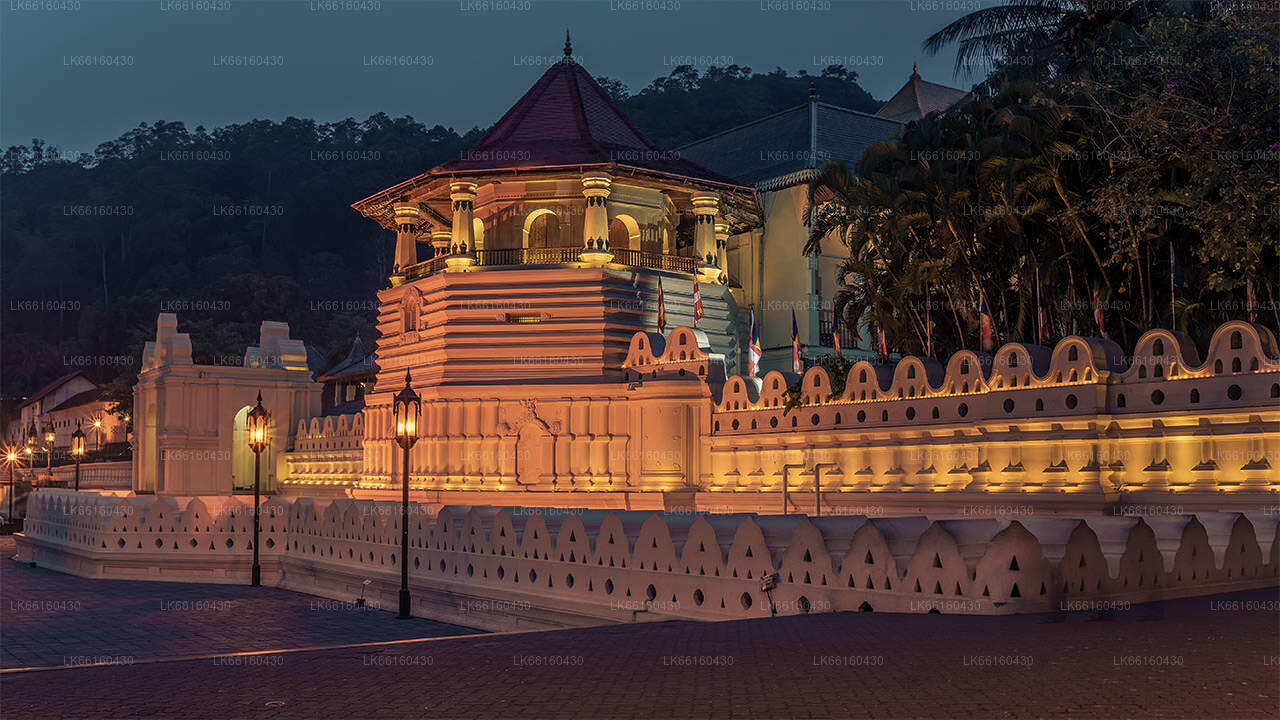
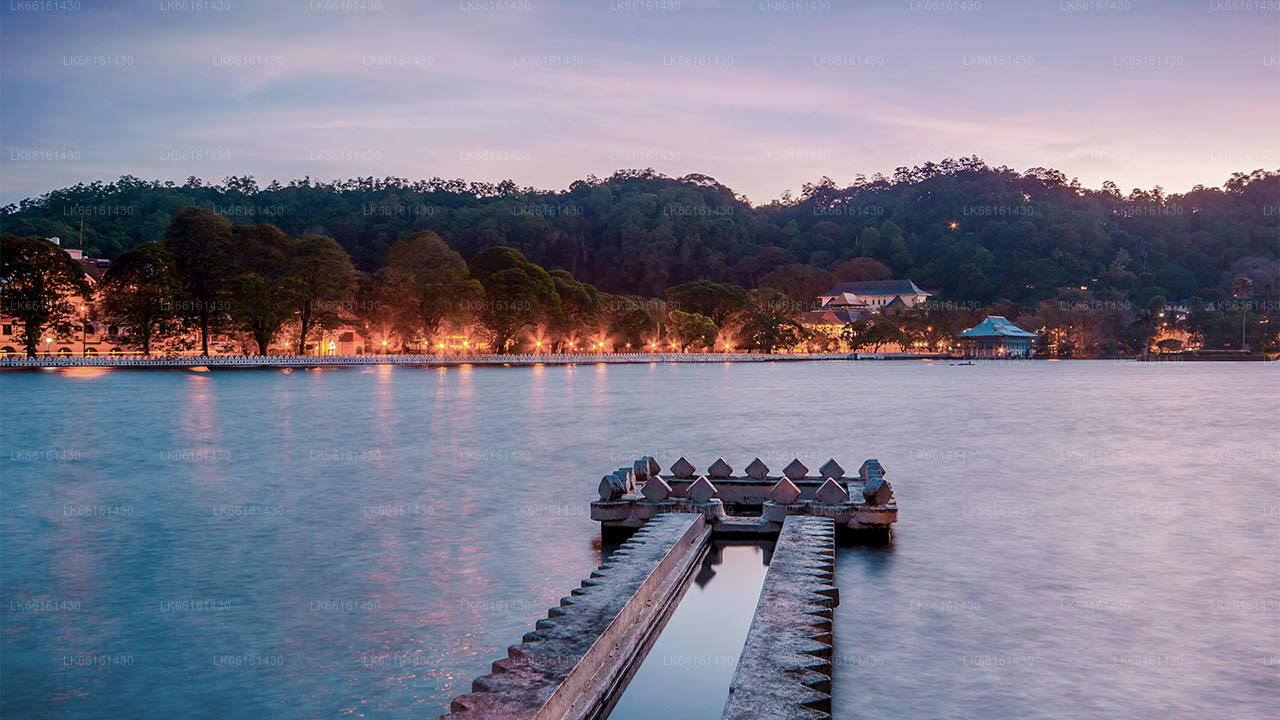
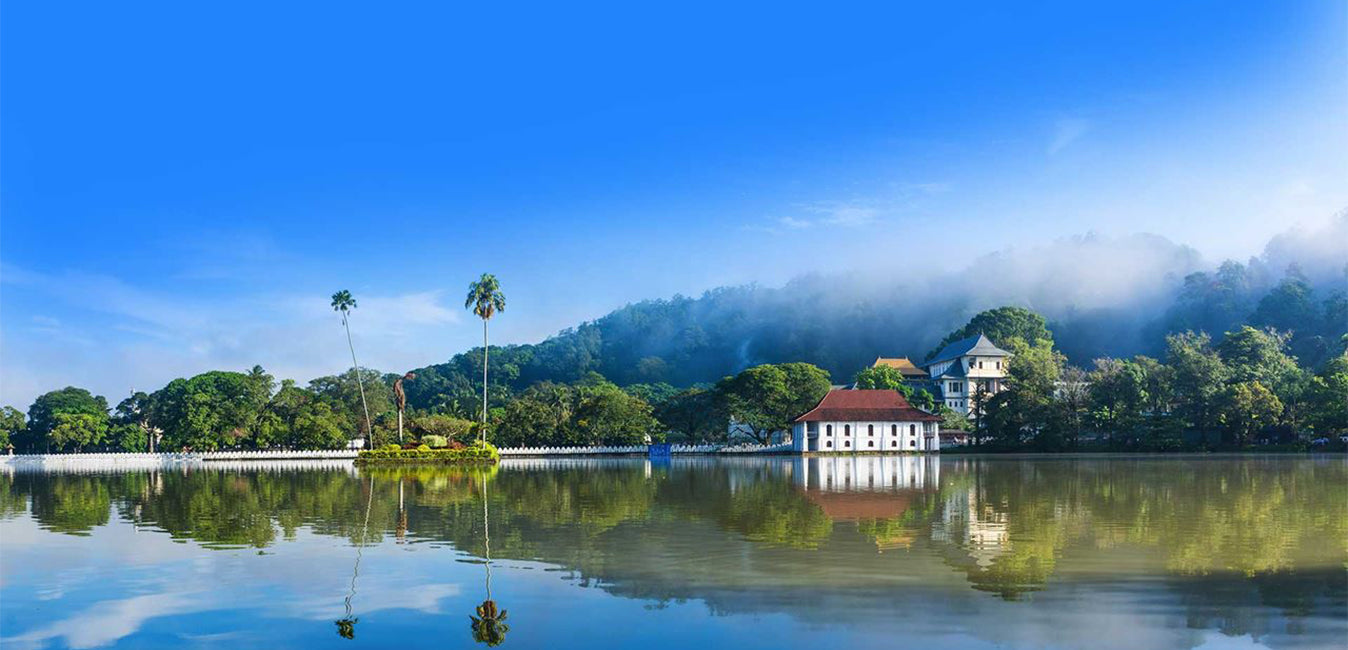
Kandy district is situated in the centrel province of Sri Lanka. One of the seven World Heritage Sites in Sri Lanka, Kandy was once home to the Kandyan Kings of yore in the 16th-century and a fountainhead for all the music, arts, crafts and culture in the country. About 129 km away from Colombo, Kandy is ensconced amongst a hilly terrain and all eyes are drawn to the centre of the city, where the Kandy Lake forms a charming feature. Kandy retains great religious significance for Sri Lanka, because it is in this charming city that the Dalada Maligawa or "Temple of the Tooth" is located, within which the sacred tooth relic of Lord Buddha lies well guarded.

The Royal Botanical Garden, Peradeniya is situated about 5 km to the west of the city centre at Peradeniya and is visited by 1.2 million people per year. It is the largest botanical garden on the island. The Udawatta Kele (Udawatta Forest) is a protected sanctuary situated in the heart of the city, just north of Temple of the Tooth.

Kandy is a Sinhala majority city; there are sizeable communities belonging to other ethnic groups, such as Moors and Tamils. Kandy is second only to Colombo the center of the Sri Lankan Economy. Many major co operations have large branch officers in Kandy and many industries include textiles, furniture, Information Technology and jewellery are found here. Many agriculture research centers are located in the city.

And a fountainhead for all the music, arts, crafts and culture in the country. About 129 km away from Colombo, Kandy is ensconced amongst a hilly terrain and all eyes are drawn to the centre of the city, where the Kandy Lake forms a charming feature. Kandy retains great religious significance for Sri Lanka , because it is in this charming city that the Dalada Maligawa or Temple of the Toothis located, within which the sacred tooth relic of Lord Buddha lies well guarded.

About Central Provincce

The Central Province of Sri Lanka consists primarily of mountainous terrain. The province has an area of 5,674 km², and a population of 2,421,148. Some major towns include Kandy, Gampola (24,730), Nuwara Eliya and Bandarawela. The population is a mixture of Sinhalese, Tamil and the Moors.

Both the hill capital Kandy and the city of Nuwara Eliya are located within the Central Province as well as Sri Pada. The province produces much of the famous Ceylon tea, planted by the British in the 1860s after a devastating disease killed all the coffee plantations in the province. Central Province attracts many tourists, with hill station towns such as Kandy, Gampola, Hatton and Nuwara Eliya. Temple tooth or Dalada maligawa is the main sacred place in Centrel province.

The climate is cool, and many areas about 1500 meters often have chilly nights. The western slopes are very wet, some places having almost 7000 mm of rain per year. The eastern slopes are parts of the mid-dry zone as it is receiving rain only from North-Eastern monsoon. The Temperatures range from 24°C at Kandy to just 16°C in Nuwara Eliya, which is located 1,889 m above sea level. The highest mountains in Sri Lanka are located in the Central Province. The terrain is mostly mountainous, with deep valleys cutting into it. The two main mountain regions are the central massif and the Knuckles range to the east of Kandy.