Bandaranaike Memorial International Conference Hall

The Backstory

Over half a century ago, Solomon West Ridgeway Dias Bandaranaike (most commonly known as SWRD Bandaranaike) oversaw Sri Lanka as its fourth Prime Minister from 1956 until his assassination in 1959. He brought into effect several new laws. However, his most famous achievement is the foreign policy that he created.

During his career in politics, in 1953 even before he came to power, Mr. Bandaranaike stated that “I say, for heaven’s sake, be friendly with England or America or anybody else, but do not commit yourself to any one of them…….. As far as I can see, the wisest foreign policy that is being followed in the world today by any leading statesman is that of Pandith Jawaharlal Nehru….”. His views continued as he rose into his seat of power. His very first policy change as the Prime Minister of Ceylon, which was read by the Governor-General on April 20, 1956, stated that: “In its foreign policy, my Government will not align with any power blocs. The position of bases at Katunayake and Trincomalee will be reviewed…… consideration will be given to exchange of diplomatic representatives with countries in which Ceylon is not at present represented”. The policy change was not in words only, and over the next three years, the actions of the Prime Minister reflected how such a policy could be achieved. On his death, many foreign countries grieved the loss of such a brilliant personality.

The Construction

In 1970, approximately 10 years after his passing; his wife Sirimavo Bandaranaike, who had gone on to become the first stateswoman in the world, was then in her second term of office as Prime Minister. At that time she decided to honor her late husband, Prime Minister SWRD Bandaranaike, for the excellent foreign policy that he had created which in turn helped protect Sri Lanka and bring it into the international arena. A decision was reached that any monument constructed in honor, should have a direct connection to International Relations. As no conference halls were available in Sri Lanka at the time with international level facilities, this was taken up as the project.

The People’s Republic of China donated LKR 35 Million towards the construction of BMICH as a gift to the people of Sri Lanka. A land of over 40 acres was identified for the construction, right in the center of Colombo. With everything ready and set to go, the construction of BMICH was initiated at 4 pm on November 24th, 1970 under the patronage of the Prime Minister at the time – Mrs. Sirimavo Bandaranaike, Minister of Housing – Mr. Peter Keuneman, and the Ambassador of China. As the construction costs were donated by China; the crew consisted of a joint Sri Lankan and Chinese workforce of 2000 people, with a considerable portion of the building materials being imported from China.

On 17th May 1973, the construction was completed and entrusted to the Sri Lankan Government. It became an iconic landmark in the heart of the city; stretched across a lush plantation of 40 acres with a monumental Convention Centre with the best international facilities in South Asia, beautifully decorated with water fountains and colorful floral gardens.

The Rise of BMICH

Over the years a number of iconic international events were held at the Band

Informazioni sul distretto di Colomb

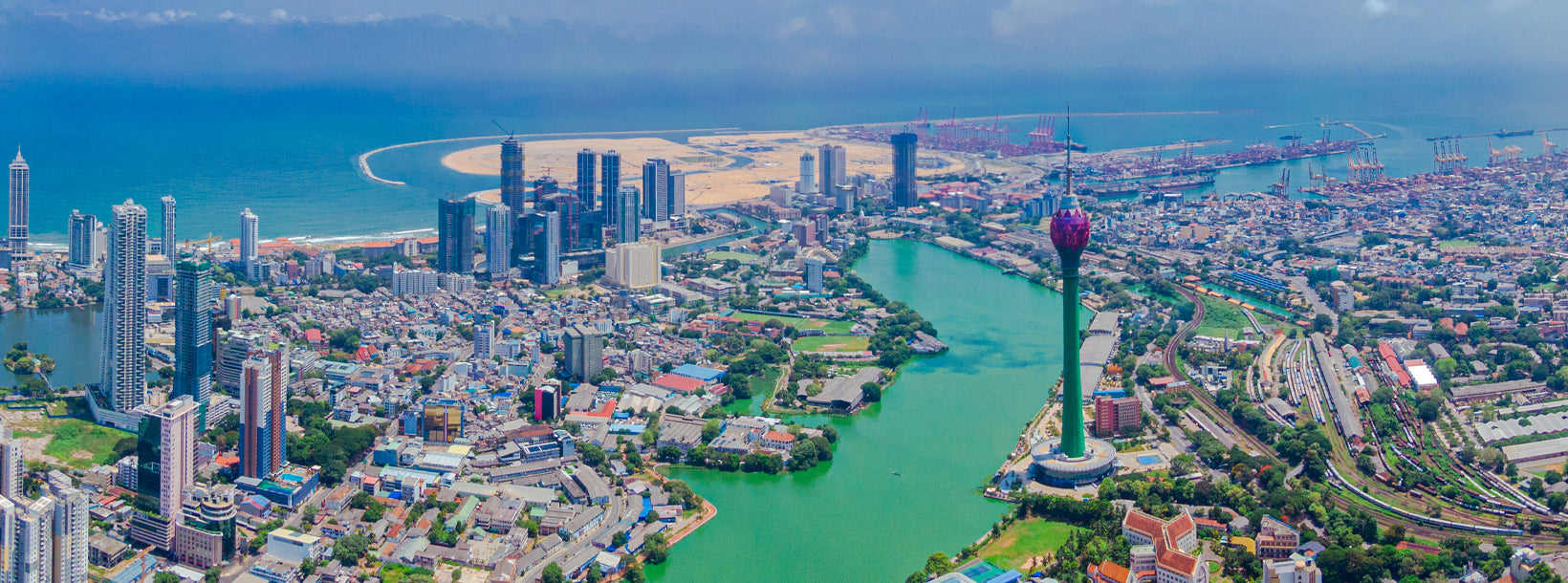
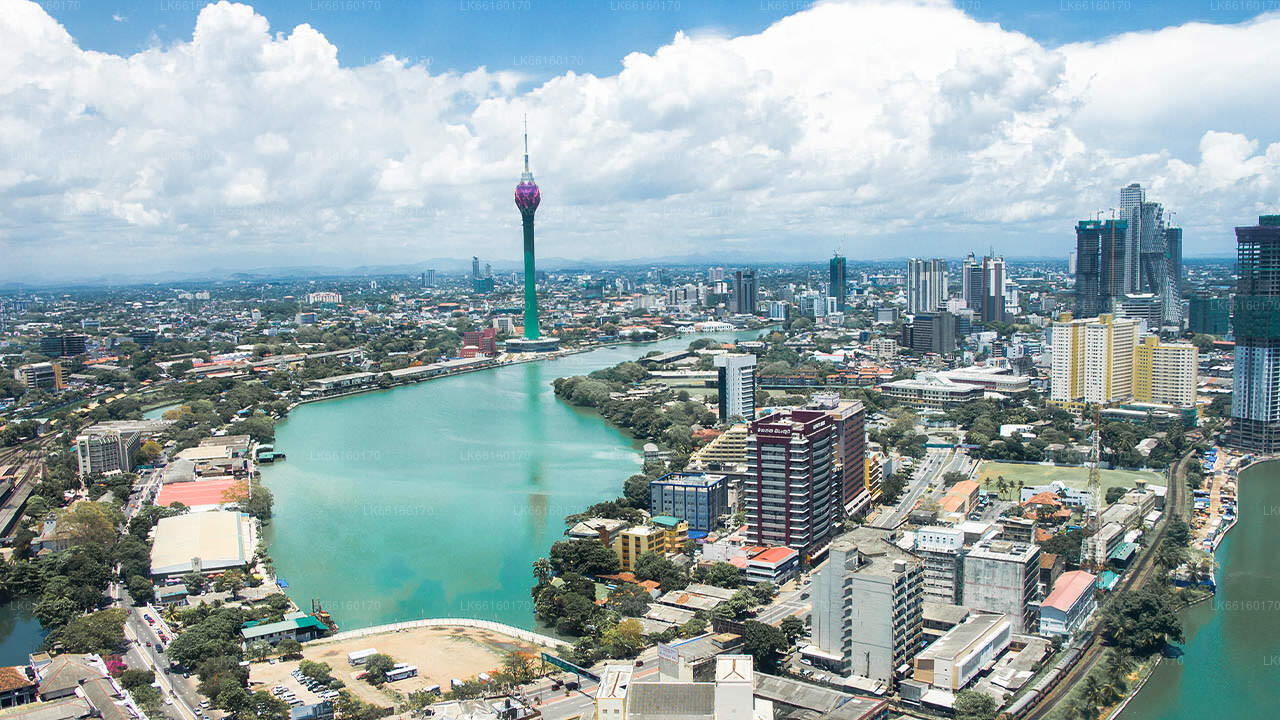
Colombo è la città più grande e la capitale commerciale dello Sri Lanka. Si trova sulla costa occidentale dell'isola e adiacente a Sri Jayewardenepura Kotte, la capitale dello Sri Lanka. Colombo è una città vivace e trafficata, con un mix di vita moderna, edifici e rovine coloniali e una popolazione di 647.100 abitanti. La regione metropolitana di Colombo, definita dai distretti di Colombo, Gampaha e Kalutara, ha una popolazione stimata di 5.648.000 abitanti e si estende su una superficie di 3.694,20 km². Colombo è una città multietnica e multiculturale. È la città più popolosa dello Sri Lanka, con 642.163 abitanti che vivono entro i confini della città. La popolazione di Colombo è un mix di numerosi gruppi etnici, principalmente cingalesi, mori e tamil. In città vivono anche piccole comunità di persone di origine cinese, portoghese, olandese, malese e indiana, oltre a numerosi espatriati europei. La stragrande maggioranza delle aziende dello Sri Lanka ha sede a Colombo. Alcuni dei settori industriali includono prodotti chimici, tessili, vetro, cemento, pelletteria, arredamento e gioielleria. Nel centro città si trova il secondo edificio più alto dell'Asia meridionale: il World Trade Center.

Informazioni sulla provincia occidentale

La Provincia Occidentale è la provincia più densamente popolata dello Sri Lanka. Ospita la capitale legislativa Sri Jayawardenepura Kotte e Colombo, il centro amministrativo e commerciale della nazione. La Provincia Occidentale è divisa in 3 distretti principali: Colombo (642 km²), Gampaha (1.386,6 km²) e Kalutara (1.606 km²). Essendo il fulcro economico dello Sri Lanka, tutte le principali aziende locali e internazionali hanno sede in città, così come i principali negozi di stilisti e grandi magazzini, quindi preparatevi a concedervi un po' di shopping nella Provincia Occidentale. Avendo la popolazione più alta di tutte le province, quasi tutti i principali istituti scolastici dell'isola si trovano nella Provincia Occidentale. Le università della provincia includono l'Università di Colombo, l'Università di Sri Jayewardenepura, l'Università di Kelaniya, l'Università Aperta dello Sri Lanka, l'Università Buddista e Pali dello Sri Lanka, l'Università della Difesa Generale Sir John Kotelawala e l'Università di Moratuwa. La provincia occidentale ospita il maggior numero di scuole del paese, tra cui scuole nazionali, provinciali, private e internazionali.