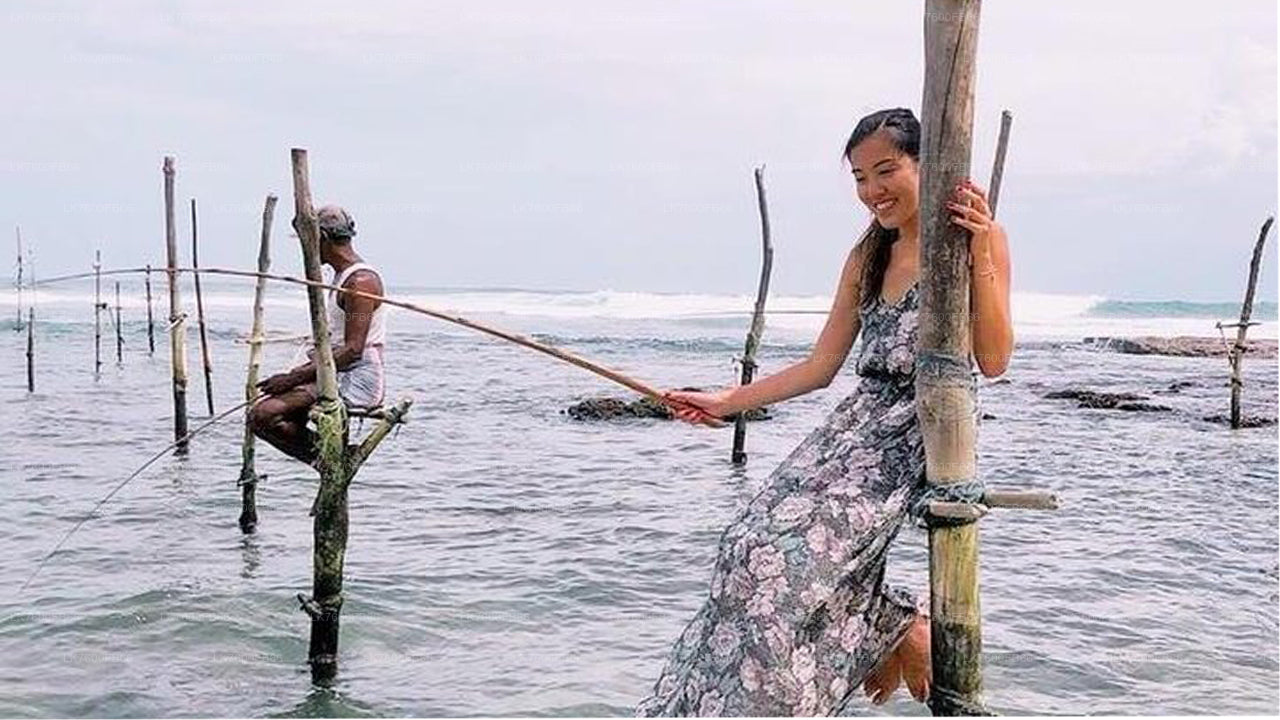




Few images capture Sri Lanka's coastal character quite like a row of fishermen balanced on wooden poles above the shallows, rods in hand, silhouetted against an early morning sky. Stilt fishing is a practice unique to Sri Lanka, and while its roots are relatively recent, it has become one of the most recognisable expressions of southern coastal life on the island.
What is stilt fishing and how did it start?
Stilt fishing emerged along Sri Lanka's southern coast in the years immediately following World War II. The method was born out of necessity: the post-war period left fishing communities with limited equipment, and the stilts allowed fishermen to work the shallower reef areas without a boat. A vertical pole with a forked crossbar — called a petta — is driven into the seabed in the shallows. The fisherman perches on the crossbar, sitting a metre or two above the waterline, and casts a simple rod.
The elevated position keeps the fisherman's shadow off the water, minimising disturbance to the fish below. The catch is typically small — spotted herrings, juvenile mackerel, and other species that move through the coastal shallows — and is collected in a cloth bag tied to the pole or the fisherman's waist. The technique looks effortless from the shore, but maintaining balance on a narrow crossbar in wind and swell requires genuine skill developed over years of practice.
Where can you see stilt fishermen in Sri Lanka?
The practice is concentrated along a roughly 20-kilometre stretch of the southern coast between Galle and Weligama. The villages of Koggala, Ahangama, and Kaththaluwa are the most reliable spots to find active stilt fishermen, particularly in the early morning and late afternoon when the light is best and the fish are moving. The 2004 Indian Ocean tsunami disrupted the tradition significantly, and it took several years for the practice to re-establish itself in these communities.
Stilt fishermen can also occasionally be spotted on the Madu Ganga river system near Balapitiya, where the calm backwaters offer a different setting from the open coast. If you are travelling the southern coastal road, the stretch between Ahangama and Midigama offers the highest concentration of working stilts, especially outside the monsoon season.
When is the best time to see stilt fishing?
The southern coast's main tourist and fishing season runs from November through to April, when the southwest monsoon is absent and the sea is calm. This is the best window to see stilt fishing in practice. During the southwest monsoon months — roughly May to October — rough seas make the stilts unusable, and most fishermen switch to other methods or cease coastal activity altogether.
For photography, early morning and the hour before sunset offer the best conditions. The low angle of the sun throws long shadows across the water and backlights the fishermen dramatically, making these the most sought-after times for visitors with cameras. Midday light is flat and the fish are less active, so fewer fishermen work the poles at that hour.
What fish do stilt fishermen catch?
The catch from stilt fishing is modest by design. The shallow reef environment accessed from the stilts is home mainly to:
- Spotted herrings (Amblygaster sirm)
- Small mackerel and scad species
- Occasional small reef fish
This is subsistence and supplementary fishing rather than a commercial operation. Many stilt fishermen today rely partly on income from tourism — allowing visitors to photograph them or try the stilts — as much as on what they actually catch. That commercial reality is worth understanding before you visit: the fishermen you see may be demonstrating the tradition as much as practising it for food.
Can visitors try stilt fishing?
Yes, with the fisherman's consent. Several stilt fishermen along the Ahangama and Koggala stretch welcome tourists to climb the pole and try sitting on the crossbar. A small payment to the fisherman is customary and appropriate. The experience is brief but memorable — the crossbar is narrow, the pole sways, and standing water looks very different from two metres above it. Come prepared to take off your footwear and expect to get your feet wet.
Some fishermen are also willing to talk about their lives and the history of the technique, particularly if you have a local guide who speaks Sinhala. If a Galle city tour is part of your southern itinerary, it is straightforward to add a stop at the stilt fishing stretch on the same day.
How does stilt fishing compare to other fishing traditions in Sri Lanka?
Sri Lanka has a rich variety of fishing methods suited to its different coastal and inland environments. Stilt fishing is the most visually distinctive, but other traditions are equally worth knowing about.
| Method | Environment | Typical catch |
|---|---|---|
| Stilt fishing | Coastal shallows, southern coast | Herrings, small mackerel |
| Outrigger net fishing | Inshore coastal waters | Tuna, larger pelagic species |
| Lagoon fishing | Negombo lagoon, Puttalam lagoon | Mullet, prawns, crab |
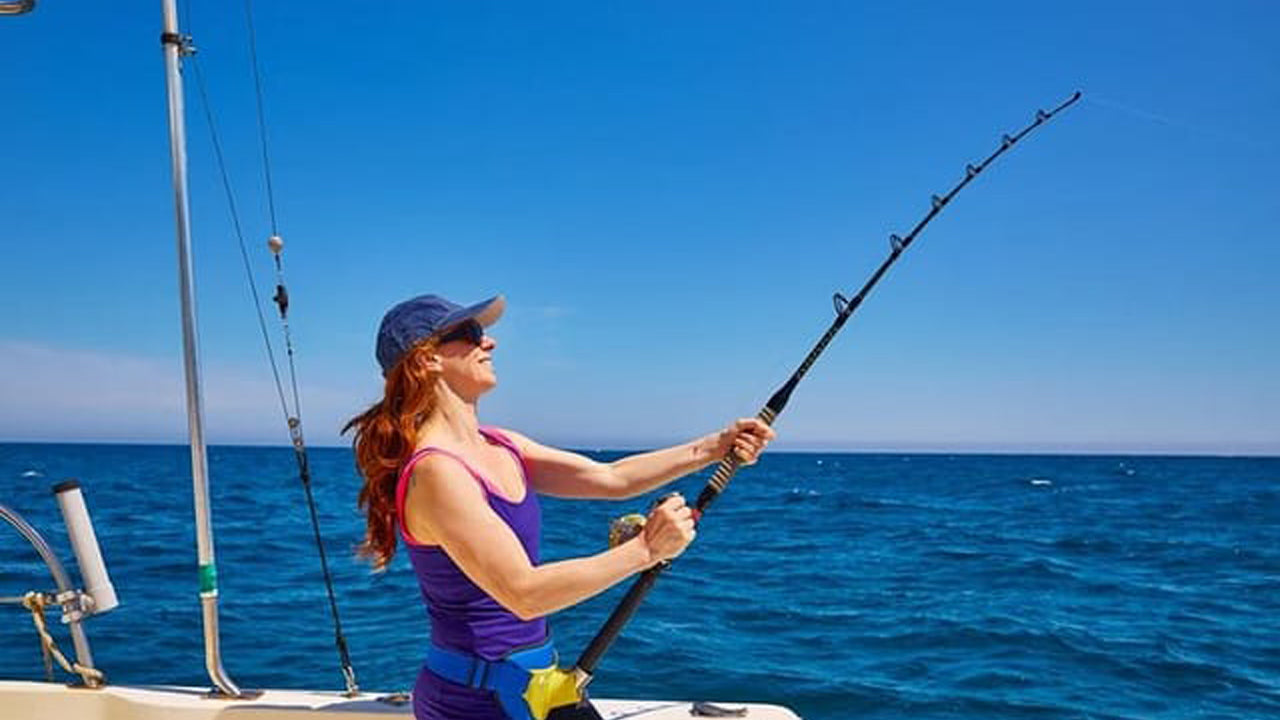
| Deep sea fishing | Offshore, 5–30 nautical miles | Marlin, yellowfin tuna, dorado |
Each method reflects the ecology of its setting. Stilt fishing is the only one that requires no boat at all and leaves almost no environmental footprint.
Is stilt fishing a sustainable practice?
By almost any measure, stilt fishing is one of the most low-impact fishing methods in use anywhere. No engine, no nets, no bycatch of significant scale, and no fuel. The minimal shadow principle that guides the technique also reflects an instinctive understanding of fish behaviour that predates modern sport-fishing science. The main concern for the tradition's continuity is not ecological but economic: younger generations in these coastal communities often prefer higher-earning occupations, and the skill base is narrowing. Tourism interest in the practice — when managed respectfully — does provide an incentive for fishermen to continue.
Getting to the stilt fishing coast from Colombo
The prime stilt fishing villages sit approximately 120 to 140 kilometres south of Colombo along the coastal A2 highway. By private car the drive takes around two and a half to three hours depending on traffic through Galle. The Southern Expressway (E01) shortens the journey considerably — exit at Pinnaduwa for Koggala and Ahangama. By rail, the Colombo Fort to Matara line stops at Ahangama and Koggala, and the coastal train journey itself is widely regarded as one of the more scenic routes on the island.
Nearby places
8 places within about 25 km, nearest first.
- Ahangama Railway Stationunder 1 km
- Ahangama City1 km
- Fishermen’s Stilt Spot1 km
- Folklore Ahangama1 km
- Kabalana Beach2 km
- Koggala City2 km
- Handunugoda Tea Estate2 km
- Madol Doova2 km
Related reading
5 pages on closely related subjects.