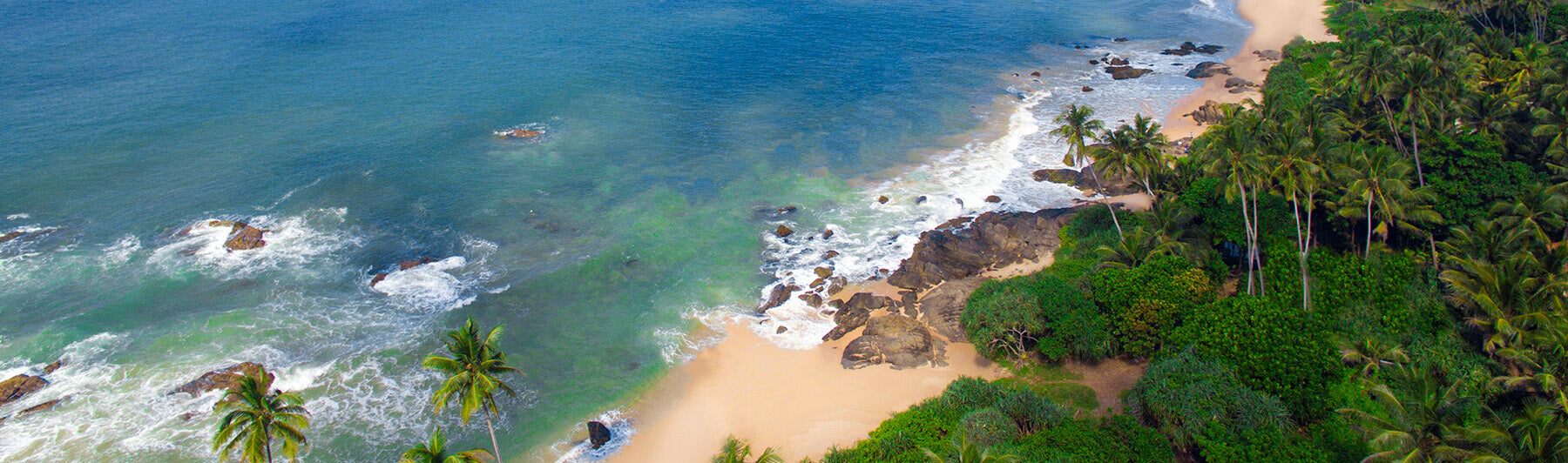
Balapitiya City
Balapitiya: Coastal town in Sri Lanka with scenic beaches, mangrove-lined rivers, and opportunities for boat safaris to explore the rich biodiversity.
Fiume Gentile
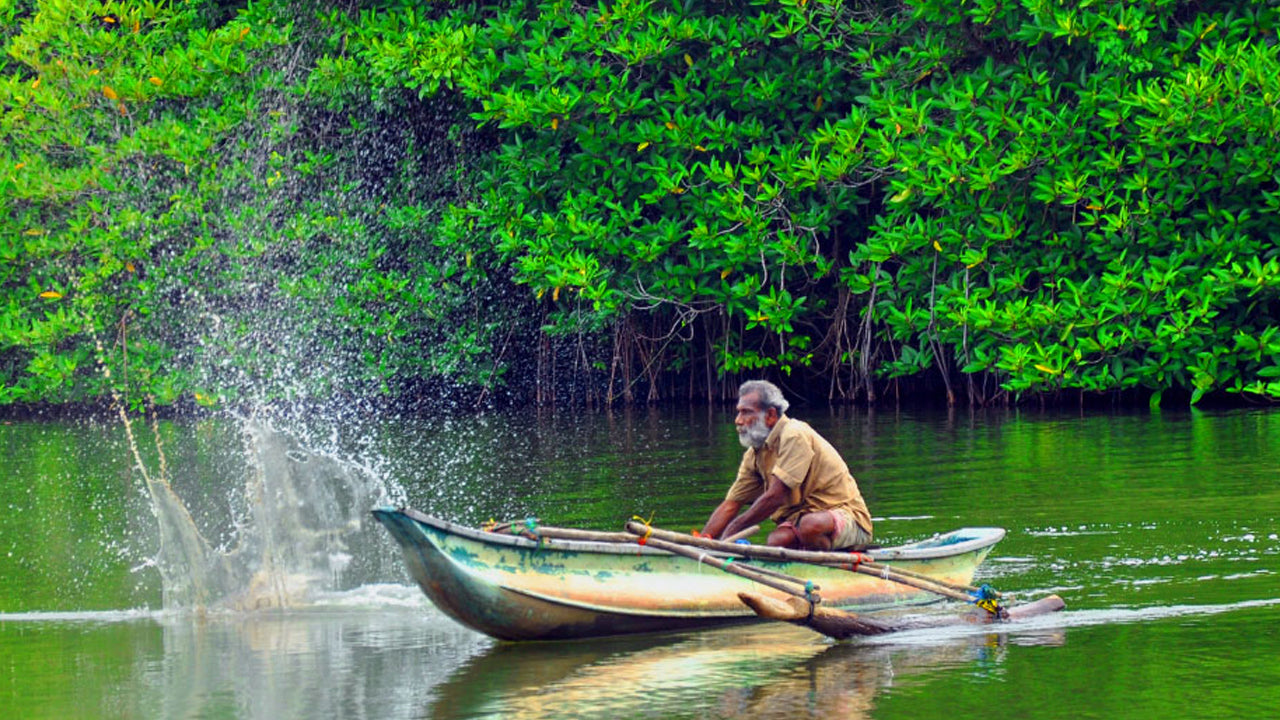
Il fiume Madu è una pittoresca via d’acqua situata nella regione sud-occidentale dello Sri Lanka, vicino a Balapitiya. Conosciuto per le sue acque calme e la ricca biodiversità, il fiume fa parte di un complesso ecosistema di zone umide composto da mangrovie, piccole isole e corsi d’acqua interconnessi.
Il fiume e le zone umide circostanti ospitano una grande varietà di fauna selvatica, tra cui pesci, rettili, uccelli e piante acquatiche. Le foreste di mangrovie svolgono un ruolo fondamentale nella protezione dell’ambiente costiero, offrendo allo stesso tempo rifugio a molte specie che prosperano in questo delicato ecosistema.
I visitatori del fiume Madu possono esplorare l’area attraverso rilassanti safari in barca che attraversano tunnel di mangrovie e piccole isole. Questi tour offrono l’opportunità di osservare la fauna selvatica locale, visitare tradizionali aree di lavorazione della cannella e vivere la tranquilla bellezza naturale dell’ambiente delle zone umide.
Il periodo migliore per visitare il fiume Madu è durante i mesi secchi da dicembre a aprile, quando le condizioni meteorologiche sono ideali per gite in barca ed esplorazioni all’aperto. Facilmente accessibile da città costiere come Balapitiya e Bentota, il fiume offre una tranquilla esperienza nella natura lungo la Sri Lanka costa meridionale.
About Galle District
Galle is a city situated on the southwestern tip of Sri Lanka, 119 km from Colombo. Galle is the best example of a fortified city built by Europeans in south and Southeast Asia, showing the interaction between European architectural styles and south Asian traditions. The Galle fort is a world heritage site and the largest remaining fortress in Asia built by European occupiers.
Galle is the best example of a fortified city built by Europeans in south and Southeast Asia, showing the interaction between European architectural styles and south Asian traditions. The Galle fort is a world heritage site and the largest remaining fortress in Asia built by European occupiers.
Galle is a sizeable town, by Sri Lankan standards, and has a population of 91,000, the majority of whom are of Sinhalese ethnicity. There is also a large Sri Lankan Moor minority, particularly in the fort area, which descend from Arab merchants that settled in the ancient port of Galle.
About Southern Province
The Southern Province of Sri Lanka is a small geographic area consisting of the districts of Galle, Matara and Hambantota. Subsistence farming and fishing is the main source of income for the vast majority of the people of this region.
Important landmarks of the Southern Province include the wildlife sanctuaries of the Yala and Udawalawe National Parks, the holy city of Kataragama, and the ancient cities of Tissamaharama, Kirinda and Galle. (Although Galle is an ancient city, almost nothing survives from before the Portuguese invasion.) During the Portuguese period there were two famous Sinhalese poets called Andare who was from Dickwella and Gajaman Nona who was from Denipitiya in Matara District, composing poems on common man.