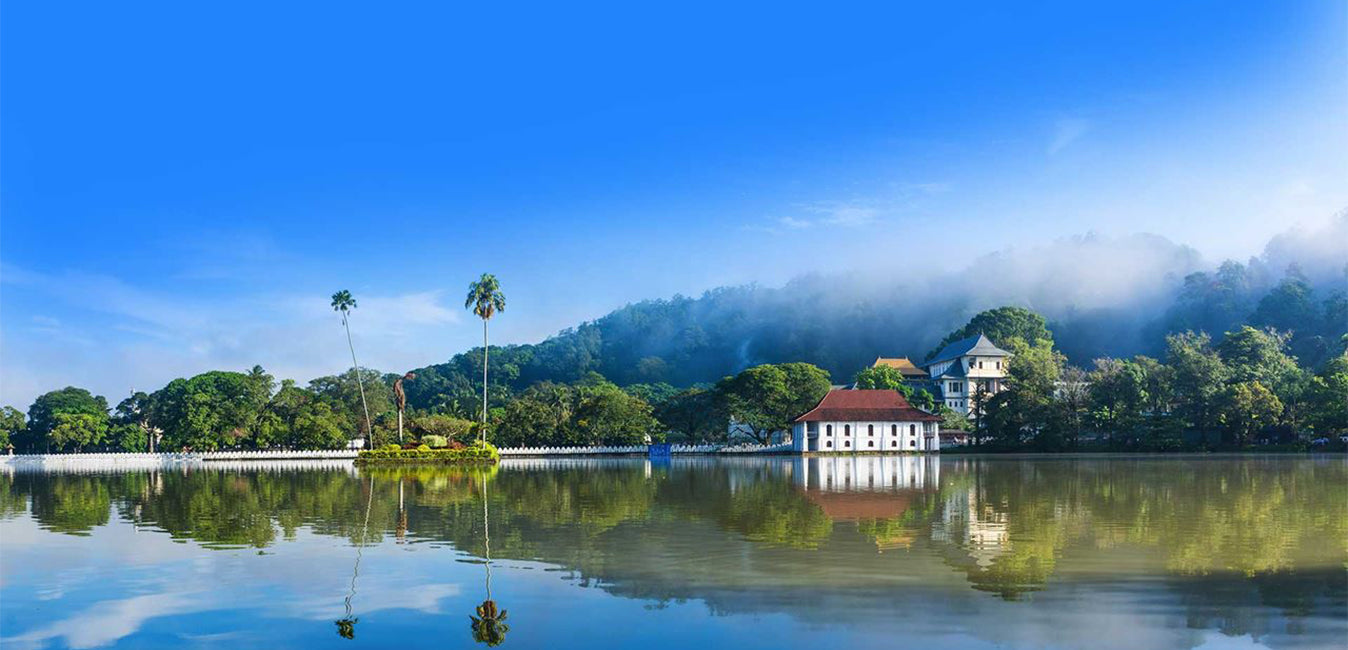
Lankathilaka Viharaya

Lankathilaka Viharaya Lankathilaka Viharaya Lankathilaka Viharaya

Lankathilaka Viharaya in Sri Lanka: The Great Temple of the Kings

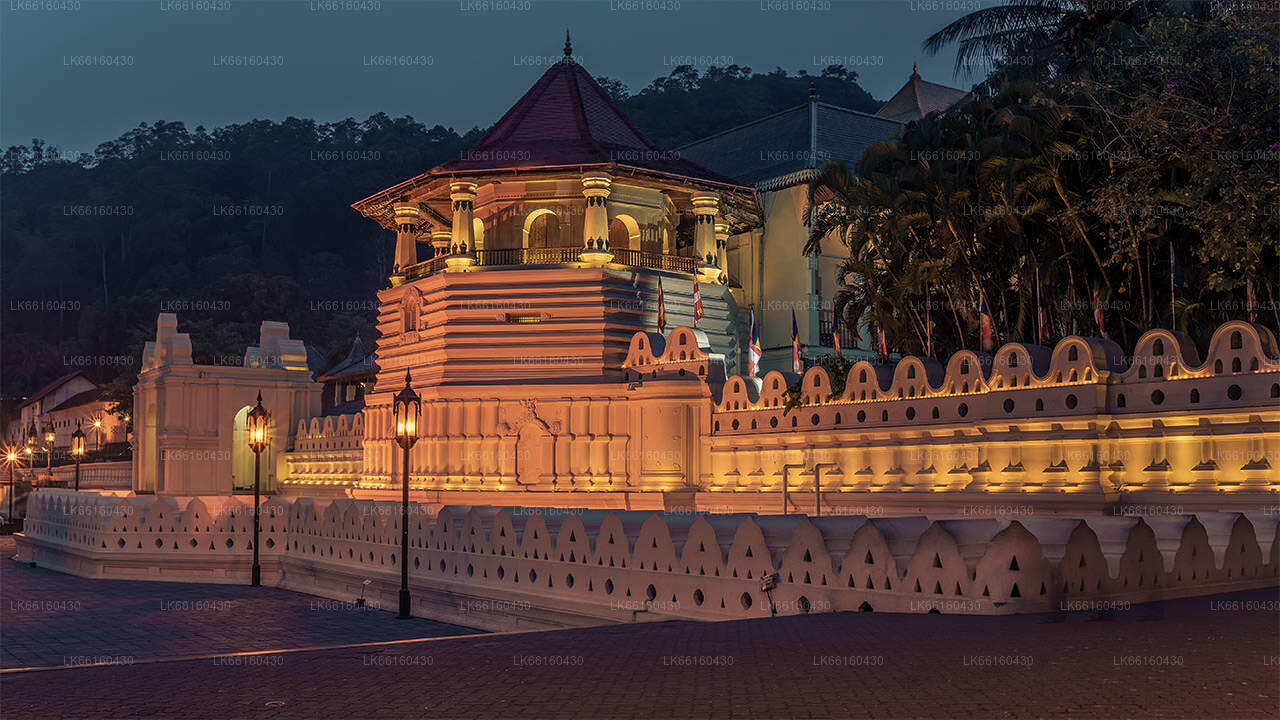
Lankatilaka is Buddhist temple of the 14th century in the Hiyarapitiya village, from the Udu Nuwara area of Kandy district in Sri Lanka. This historical temple was built by the Gampola king, King Buwanekabahu the fourth (1341 – 1351AD), in 1344 AD. Gampola was a stronghold on the banks of Mahaveli River.


Lankathilaka Viharaya in Sri Lanka: Architectural Facts

  • The temple was designed by the South Indian architect Sthapati Rayar.
  • According to the opinions of researchers; the temple combines the design elements of the Polonnaruwa era architecture with that of Dravidian (India) and Indo-Chinese design. At the time of construction the temple was a four storied edifice of eighty feet, built on uneven bedrock using a granite based foundation.
  • The temple structure is such that it radiates from the centre in the four cardinal directions, like a cross. Only then ground floor and part of the first floor of the original temple can be seen today, though the temple appears to have three stories from the outside.
  • The thick outer walls of the Temple have beautifully sculpted arches and various sculptures making it a unique design of the 14th century.

Lankathilaka Viharaya in Sri Lanka: Sights when entering the Temple

  • There are two directions of approach to the temple. One of them has abodes for Buddhist monks at the base of the rock.
  • The premises also have many sights such as the huge rice storage bins, known as ‘Atuwa’ by the locals. The stairs begin in the premises of the abodes.
  • The other method of approach is from the west of the temple.
  • With two ways of approach come two different flights of stairs. One is the original flight built in the 14th century, while the other is more recent; built around 1913. The stairs are cut into the living rock of Pahangalla and provide a climber with beautiful views of the surrounding countryside.
  • At the top of the old flight of stairs, the premises of the temple can be entered through a primitive stone door arch, created with three long pieces of rock affixed together.

Lankathilaka Viharaya in Sri Lanka: The Temple

The temple premises have three sectors; the actual temple building, the Dagoba or stupa and finally the Bo tree.

The temple like the flights of stairs has two entrances, leading to two different and disconnected sections in the same building. The main and most important sector is the eastern section, the Buddha Image House. The other is on the west, the the Temples of the Gods.

The Buddha Image House

  • The Buddha Image House which is approached from the eastern entrance, right in front of the eastern flight of stairs, and has a Moonstone adorning the ground before the entrance.
  • Def. Moonstone: A semi-circular piece of stone which stands at the foot of a flight of steps in most historical Buddhist buildings.
कैंडी जिले के बारे में

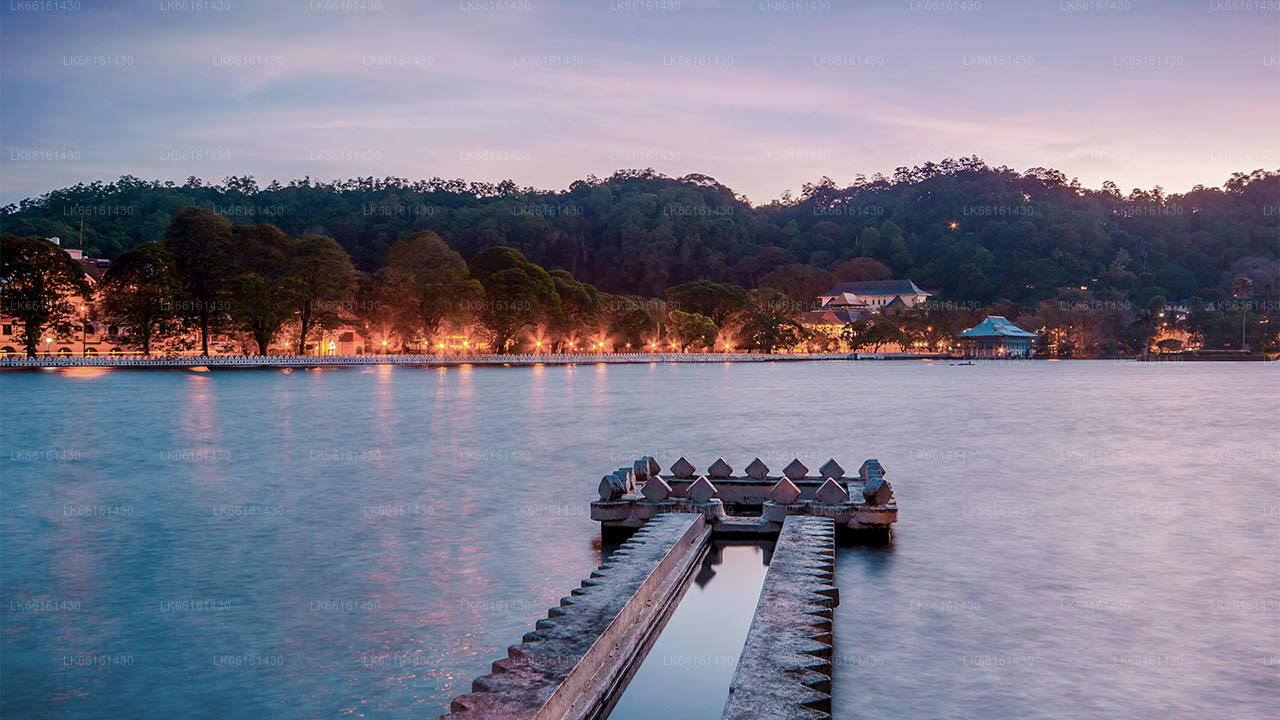
कैंडी जिला श्रीलंका के मध्य प्रांत में स्थित है। श्रीलंका के सात विश्व धरोहर स्थलों में से एक, कैंडी 16वीं शताब्दी में प्राचीन काल के कैंडियन राजाओं का घर था और देश में संगीत, कला, शिल्प और संस्कृति का एक स्रोत था। कोलंबो से लगभग 129 किमी दूर, कैंडी एक पहाड़ी इलाके के बीच बसा है और सभी की निगाहें शहर के केंद्र की ओर खिंची चली जाती हैं, जहाँ कैंडी झील एक आकर्षक विशेषता बनाती है। कैंडी श्रीलंका के लिए बहुत धार्मिक महत्व रखता है, क्योंकि यह इस आकर्षक शहर में है कि दलदा मालिगावा या "दांत का मंदिर" स्थित है, जिसके भीतर भगवान बुद्ध का पवित्र दांत अवशेष अच्छी तरह से संरक्षित है।

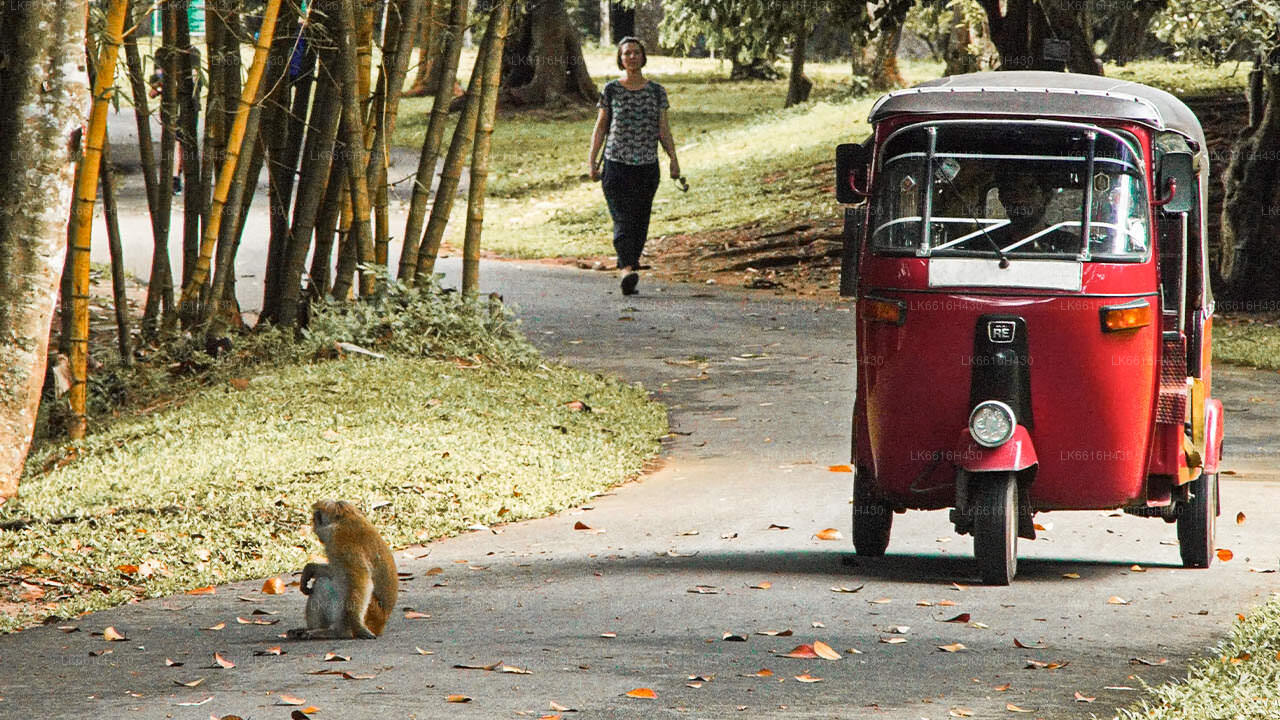
पेराडेनिया का रॉयल बॉटनिकल गार्डन, पेराडेनिया शहर के केंद्र से लगभग 5 किमी पश्चिम में स्थित है और इसे देखने हर साल 12 लाख लोग आते हैं। यह द्वीप का सबसे बड़ा बॉटनिकल गार्डन है। उदावत्ता केले (उदावत्ता वन) एक संरक्षित अभयारण्य है जो शहर के मध्य में, टूथ टेम्पल के ठीक उत्तर में स्थित है।

कैंडी एक सिंहली बहुल शहर है; यहाँ मूर और तमिल जैसे अन्य जातीय समूहों के भी बड़े समुदाय रहते हैं। कैंडी, कोलंबो के बाद श्रीलंकाई अर्थव्यवस्था का केंद्र है। कई प्रमुख सहकारी समितियों की कैंडी में बड़ी शाखाएँ हैं और कपड़ा, फ़र्नीचर, सूचना प्रौद्योगिकी और आभूषण जैसे कई उद्योग यहाँ स्थित हैं। शहर में कई कृषि अनुसंधान केंद्र स्थित हैं।

और देश के सभी संगीत, कला, शिल्प और संस्कृति का एक स्रोत। कोलंबो से लगभग 129 किलोमीटर दूर, कैंडी एक पहाड़ी इलाके में बसा है और सभी की नज़रें शहर के केंद्र की ओर खिंची चली जाती हैं, जहाँ कैंडी झील एक मनमोहक विशेषता है। कैंडी श्रीलंका के लिए बहुत धार्मिक महत्व रखता है, क्योंकि इसी आकर्षक शहर में दलदा मालिगावा या दंत मंदिर स्थित है, जिसके भीतर भगवान बुद्ध के पवित्र दंत अवशेष सुरक्षित रूप से रखे गए हैं।

मध्य प्रांत के बारे में

श्रीलंका का मध्य प्रांत मुख्यतः पहाड़ी भूभाग से बना है। प्रांत का क्षेत्रफल 5,674 वर्ग किमी है और इसकी जनसंख्या 2,421,148 है। कुछ प्रमुख शहरों में कैंडी, गमपोला (24,730), नुवारा एलिया और बंदरवेला शामिल हैं। जनसंख्या सिंहली, तमिल और मूरों का मिश्रण है। पहाड़ी राजधानी कैंडी और नुवारा एलिया शहर, दोनों ही मध्य प्रांत के साथ-साथ श्री पाडा में स्थित हैं। यह प्रांत प्रसिद्ध सीलोन चाय का अधिकांश उत्पादन करता है, जिसे अंग्रेजों ने 1860 के दशक में एक विनाशकारी बीमारी के बाद प्रांत के सभी कॉफी बागानों को नष्ट करने के बाद लगाया था। मध्य प्रांत कैंडी, गमपोला, हैटन और नुवारा एलिया जैसे हिल स्टेशन शहरों के साथ कई पर्यटकों को आकर्षित करता है। मंदिर दांत या दलदा मालिगावा मध्य प्रांत का मुख्य पवित्र स्थान है।

यहाँ की जलवायु ठंडी है, और लगभग 1500 मीटर की ऊँचाई वाले कई इलाकों में अक्सर रातें सर्द होती हैं। पश्चिमी ढलान बहुत नम हैं, कुछ स्थानों पर प्रति वर्ष लगभग 7000 मिमी वर्षा होती है। पूर्वी ढलान मध्य-शुष्क क्षेत्र के भाग हैं क्योंकि यहाँ केवल उत्तर-पूर्वी मानसून से ही वर्षा होती है। कैंडी में तापमान 24°C से लेकर नुवारा एलिया में केवल 16°C तक रहता है, जो समुद्र तल से 1,889 मीटर की ऊँचाई पर स्थित है। श्रीलंका के सबसे ऊँचे पर्वत मध्य प्रांत में स्थित हैं। भूभाग अधिकांशतः पहाड़ी है, जिसमें गहरी घाटियाँ हैं। दो मुख्य पर्वतीय क्षेत्र हैं: सेंट्रल मासिफ और कैंडी के पूर्व में नकल्स पर्वतमाला।