Sri Lanka holds an extraordinary concentration of UNESCO-listed heritage for a country of its size. Eight sites across the island have earned World Heritage status, spanning ancient royal capitals, a rock-top fortress, sacred cave temples, a colonial port city, high-altitude cloud forest, and one of South Asia's last surviving lowland rainforests. Together they form a compelling reason to move beyond the beach and into the island's deeper geography and history.
What are the eight UNESCO World Heritage Sites in Sri Lanka?
Sri Lanka's eight inscribed sites cover both cultural and natural categories. The table below gives a quick orientation.
| Site | Category | Year Inscribed | Province |
|---|---|---|---|
| Sacred City of Anuradhapura | Cultural | 1982 | North Central |
| Ancient City of Polonnaruwa | Cultural | 1982 | North Central |
| Ancient City of Sigiriya | Cultural | 1982 | Central |
| Golden Temple of Dambulla | Cultural | 1991 | Central |
| Sacred City of Kandy | Cultural | 1988 | Central |
| Old Town of Galle and Its Fortifications | Cultural | 1988 | Southern |
| Sinharaja Forest Reserve | Natural | 1988 | Sabaragamuwa / Southern |
| Central Highlands of Sri Lanka | Natural | 2010 | Central / Uva / Sabaragamuwa |
What can you see at Anuradhapura?
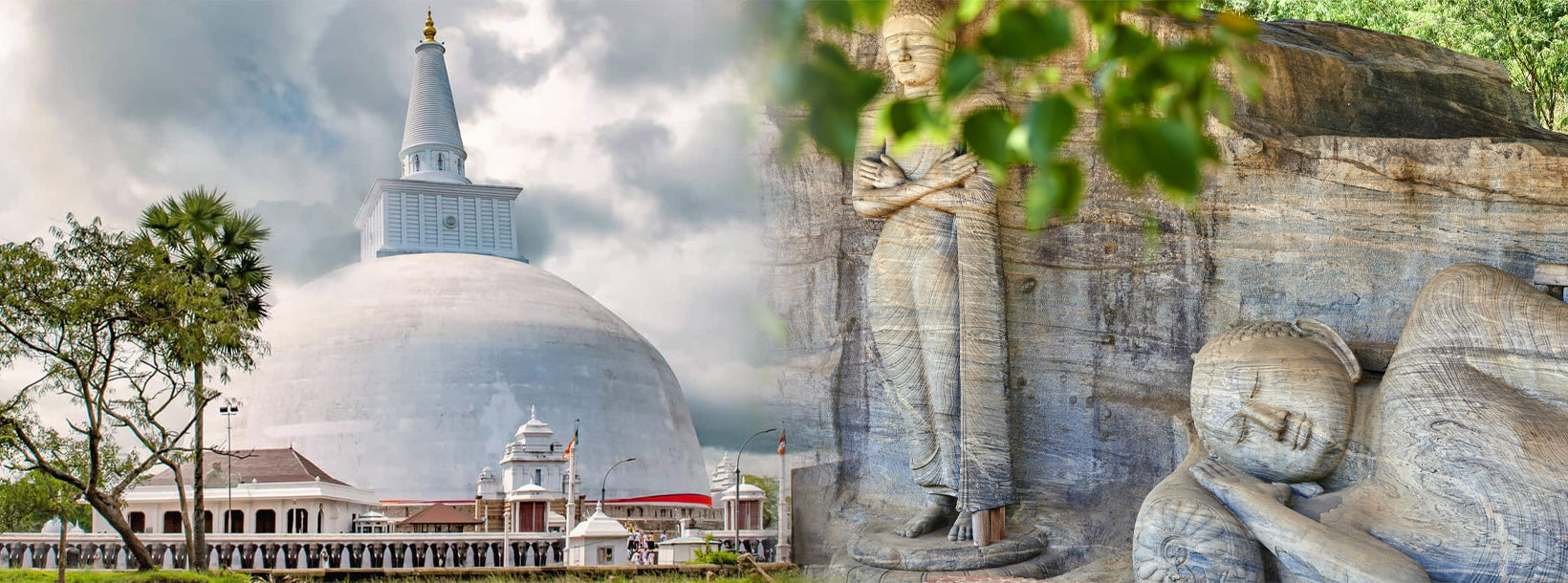
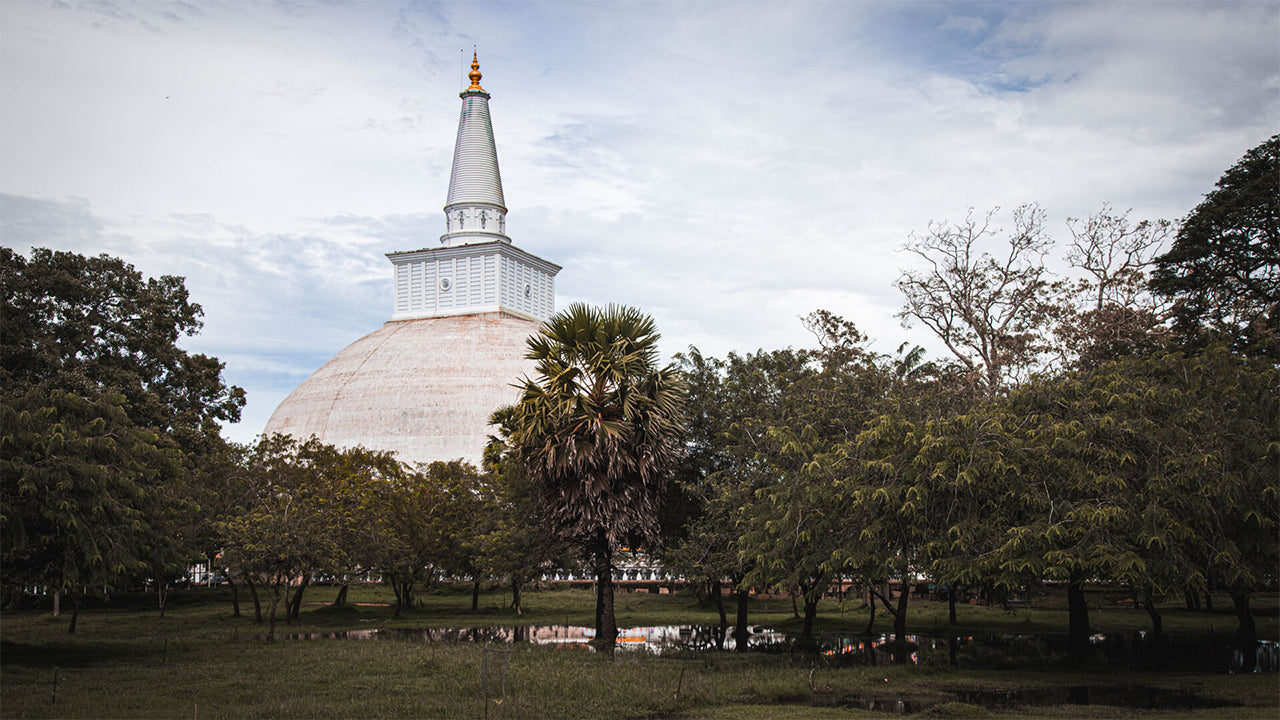
Anuradhapura was the first great capital of Sri Lanka, governing the island for over a thousand years from roughly the 4th century BCE. Its ruins extend across a wide archaeological zone that takes at least a full day to cover properly. The scale is genuinely impressive: monumental dagobas (stupas) that rival the pyramids in volume, the sacred Sri Maha Bodhi tree grown from a cutting of the original Bodhi tree in India, and the ruins of elaborate royal pleasure gardens fed by an ancient hydraulic system. The site is still an active place of Buddhist pilgrimage, so expect a mix of archaeologists, worshippers, and travellers moving through the same space.
What is there to see at Polonnaruwa?
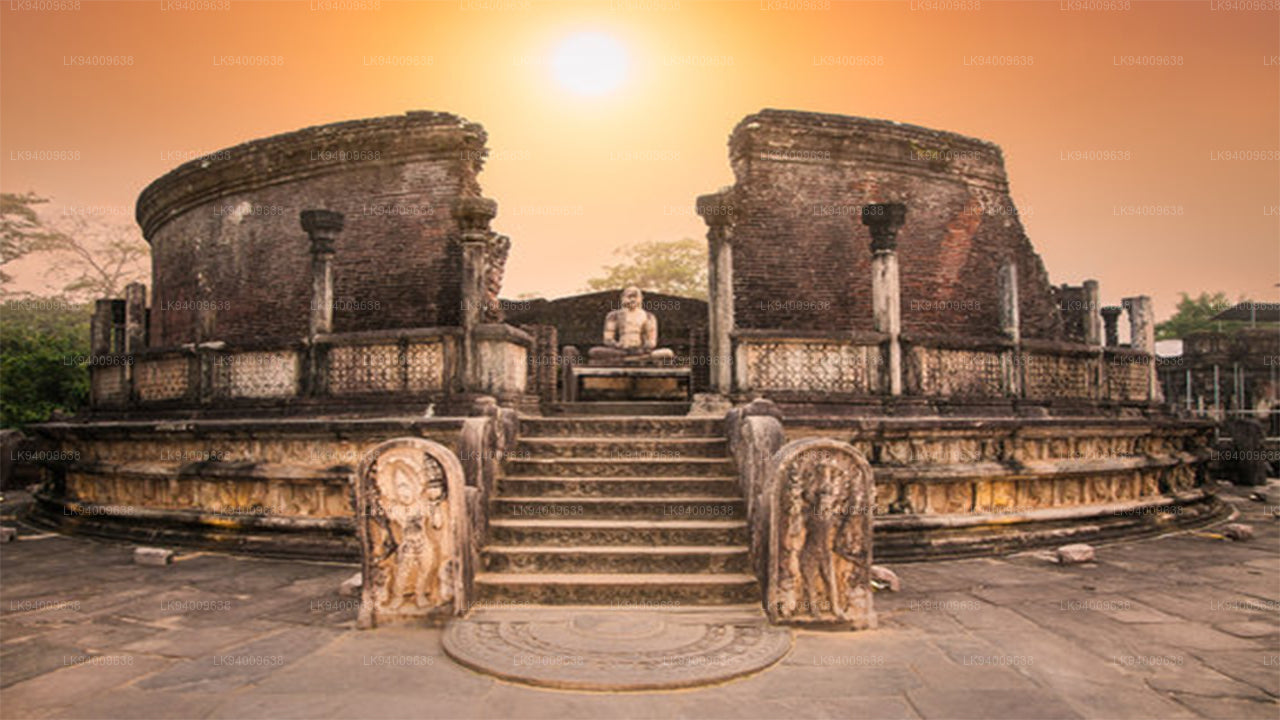
After Anuradhapura fell to South Indian invaders, Polonnaruwa became the island's second great medieval capital, reaching its height under King Parakramabahu I in the 12th century. The ruins are more compact than Anuradhapura and generally better preserved, making them well suited to a half-day or full-day circuit by bicycle — a popular local option. Highlights include the Gal Vihara, where four monumental Buddha figures are carved directly into a granite face, and the enormous Parakrama Samudra reservoir, still in agricultural use today.
Why is Sigiriya considered one of the great ancient sites in Asia?
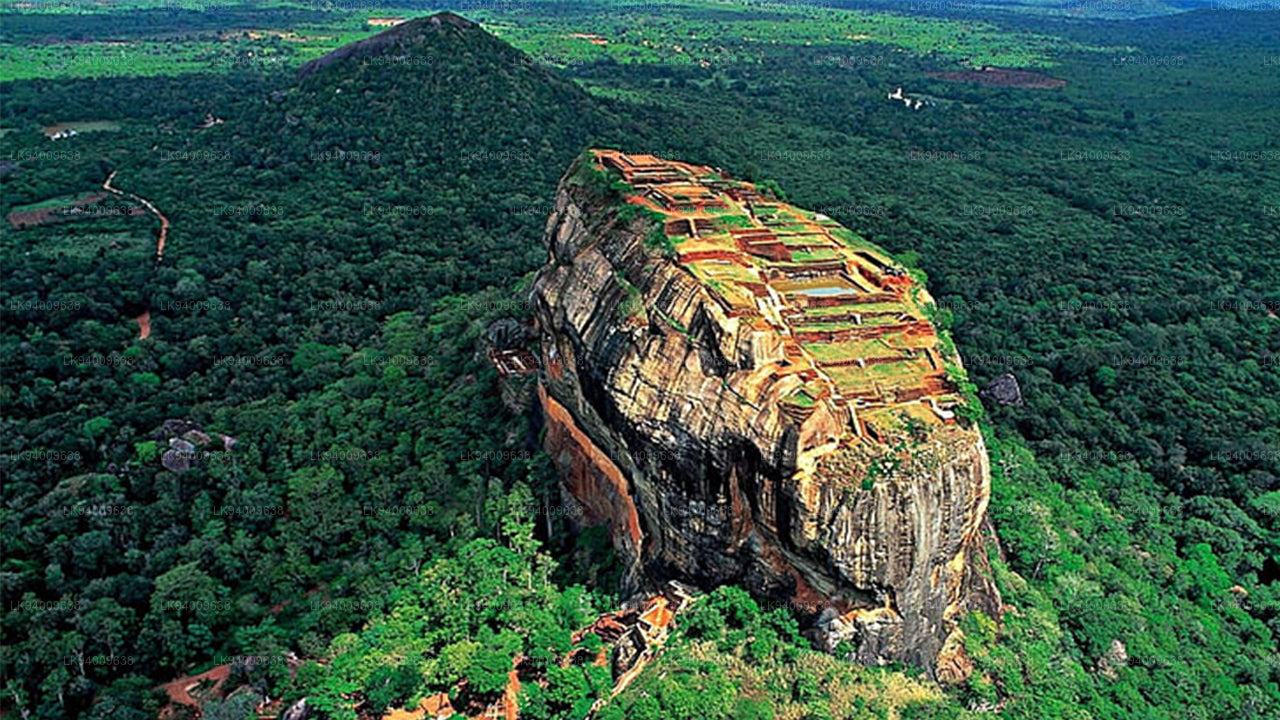
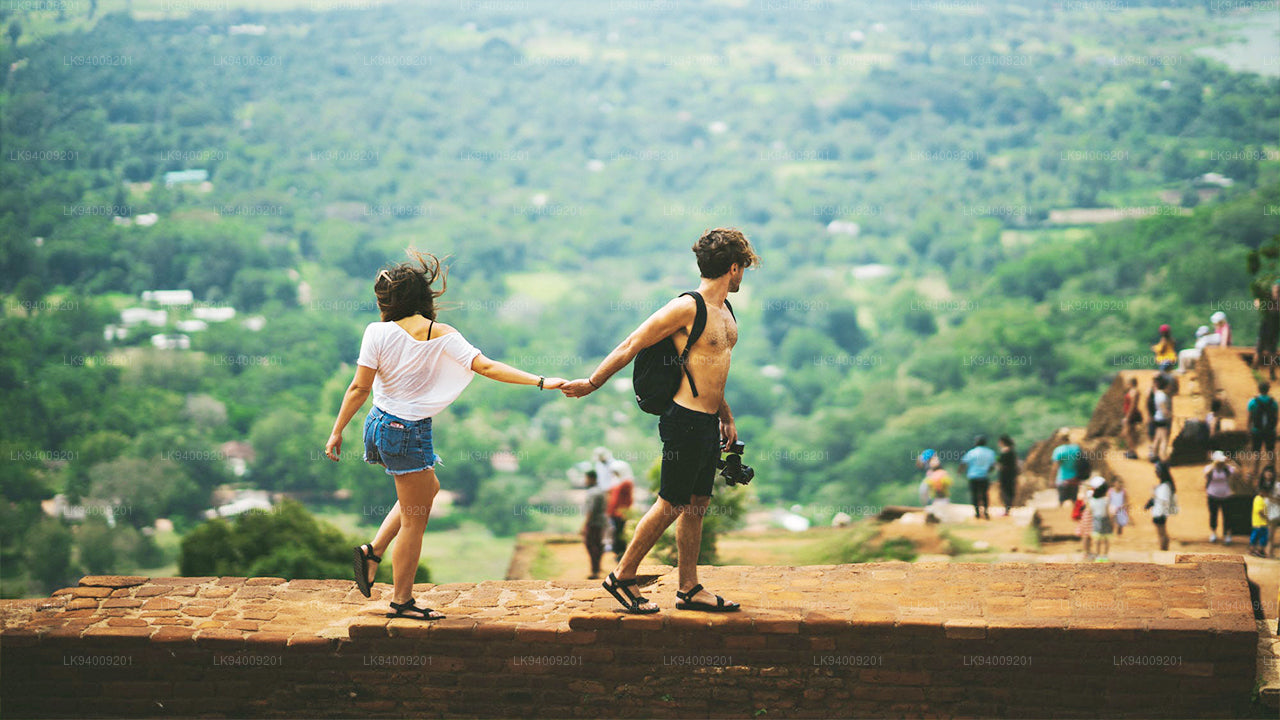
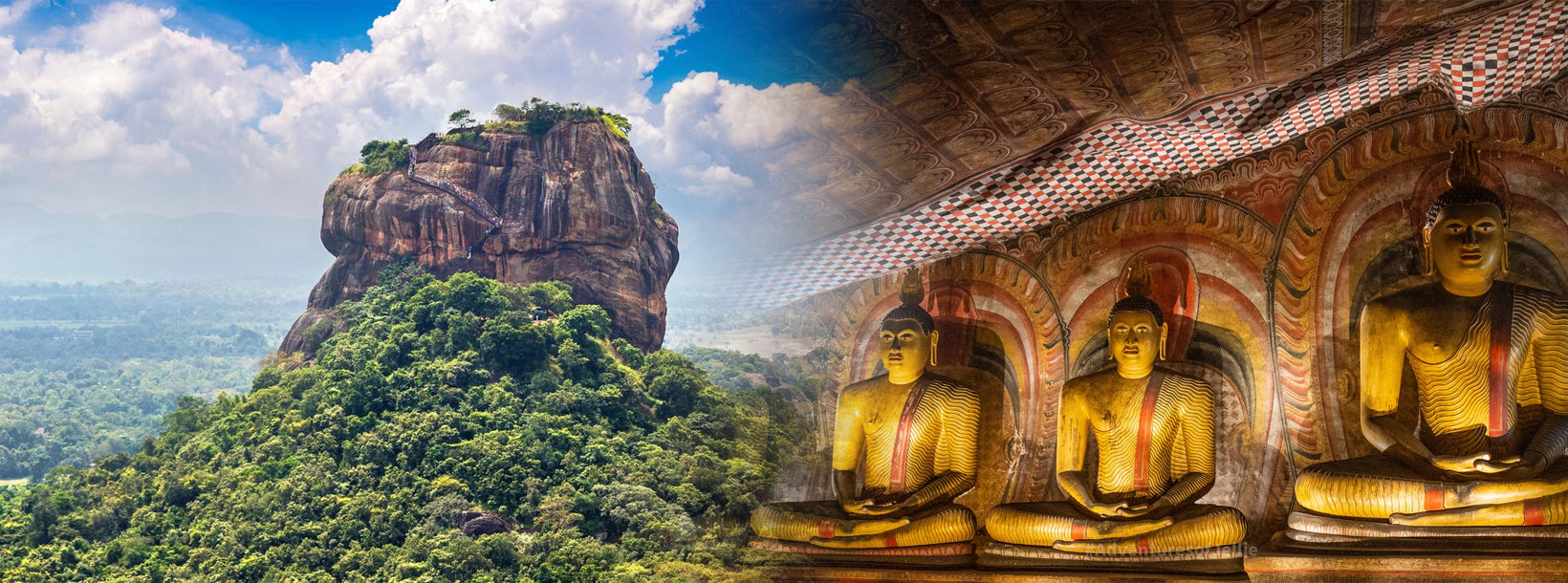
Sigiriya is a 200-metre granite monolith that King Kashyapa I fortified and embellished as a royal palace in the late 5th century CE. The climb takes most visitors around 90 minutes and passes the famous mirror wall with ancient graffiti, the celebrated frescoes of celestial maidens painted into a sheltered rock pocket, and the lion paws — all that remains of a colossal lion gateway — before reaching the summit and its panoramic views over the surrounding plain. Sigiriya is consistently among the highest-visited sites in the country and benefits from early morning arrivals before tour groups arrive in volume. The nearby Sigiriya Village gives useful context on the local landscape.
What makes Dambulla's cave temples worth visiting?
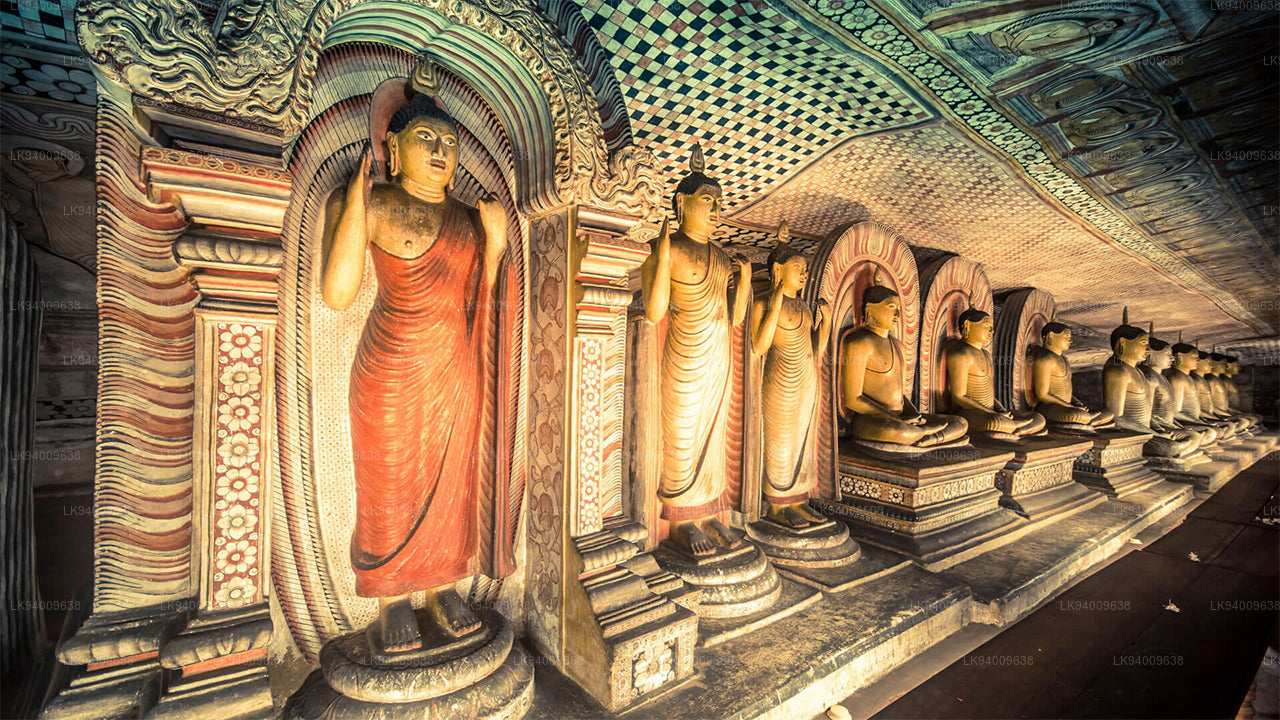
The Golden Temple of Dambulla comprises five cave sanctuaries cut into a massive rock outcrop, sheltering more than 150 Buddha statues and covering the cave ceilings and walls with murals that date back to the 1st century BCE, with subsequent layers added through to the 18th century. The caves functioned as a royal refuge and later a monastic complex. The scale and condition of the paintings — protected by the natural overhang of the rock — are remarkable. Dambulla sits conveniently between Sigiriya and Kandy, making it a logical stop on the Cultural Triangle circuit.
What is the UNESCO significance of Kandy?
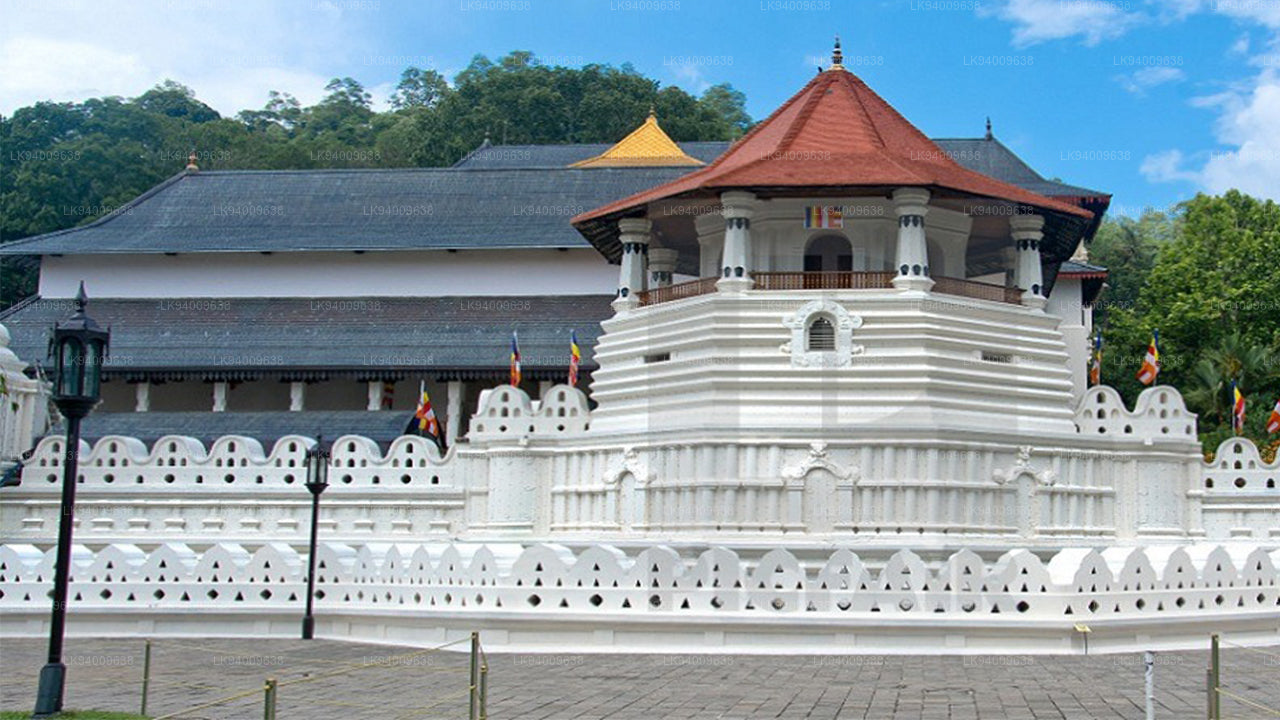
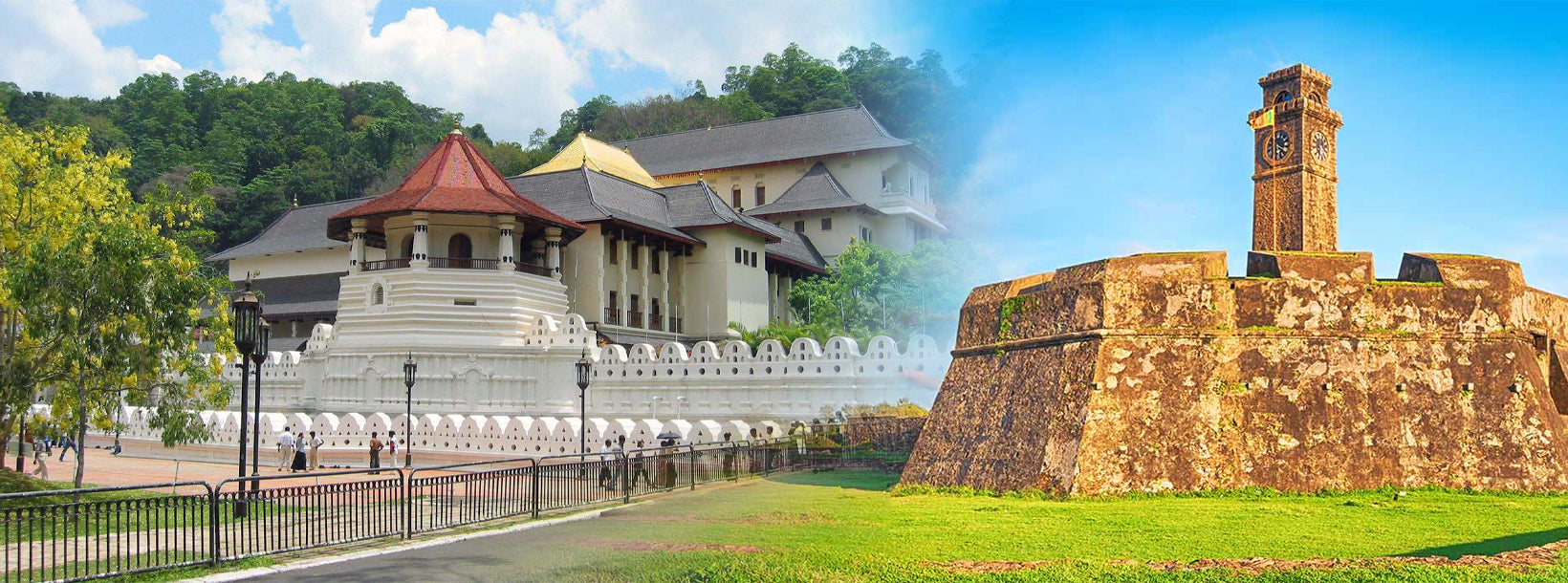
Kandy was the last independent royal capital of Sri Lanka, resisting European colonisation until 1815. Its UNESCO listing reflects both its role as the home of the Temple of the Tooth Relic — the most venerated Buddhist site on the island — and its setting within a designed cultural landscape of hills, the Kandy Lake, and surrounding forest. The annual Esala Perahera Festival, held every July or August, brings the city's religious traditions into vivid public display through a grand procession of elaborately adorned elephants, drummers, and dancers lasting several nights. The Kandy City Tour is a practical way to orient yourself around the main heritage precincts.
What should visitors know about Galle Fort?
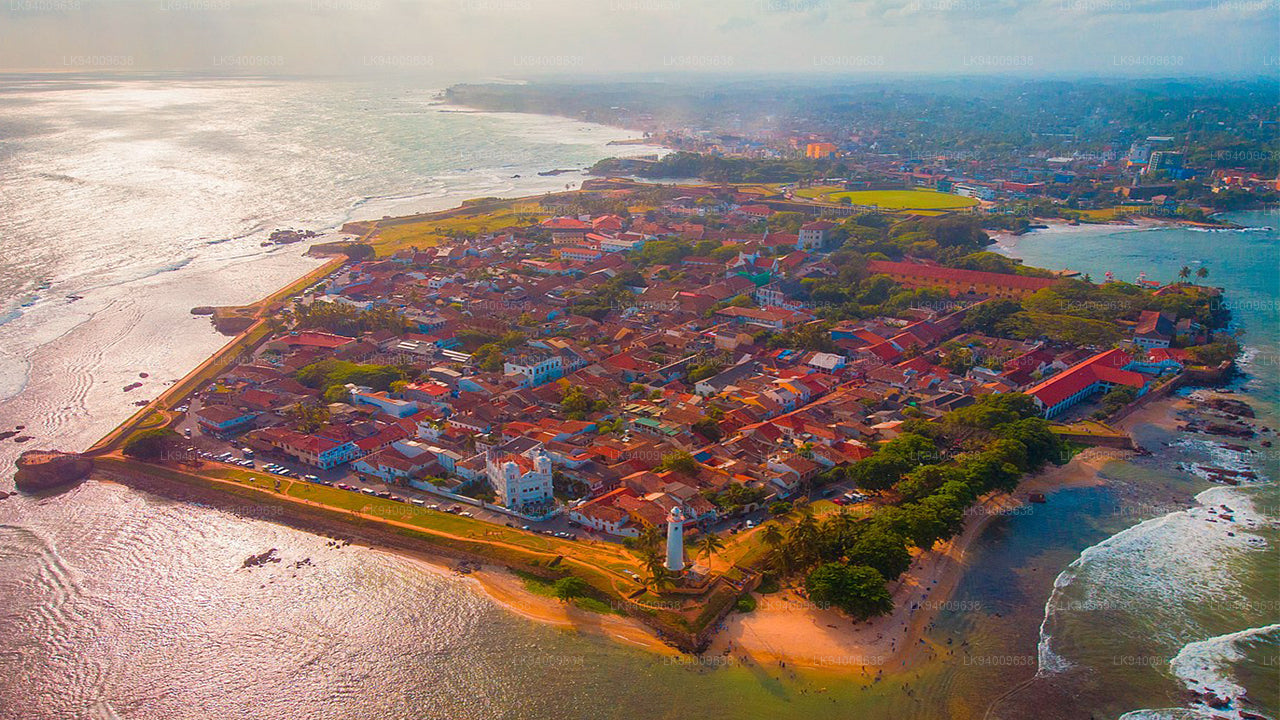
The Old Town of Galle and Its Fortifications is one of the best-preserved examples of a fortified colonial port in South and Southeast Asia. The Dutch completed the current ramparts in the late 17th century on foundations begun by the Portuguese, and the fort remained a functioning administrative town well into the 20th century. Walking the ramparts at dusk, when the Indian Ocean light drops over the southern bastion, is a widely recommended experience. Within the walls, colonial-era streets hold boutique hotels, galleries, cafes, and churches alongside working mosques and a functioning lighthouse. A Galle City Tour covers the key architectural and historical landmarks in a manageable half-day.
What is the Sinharaja Forest Reserve?
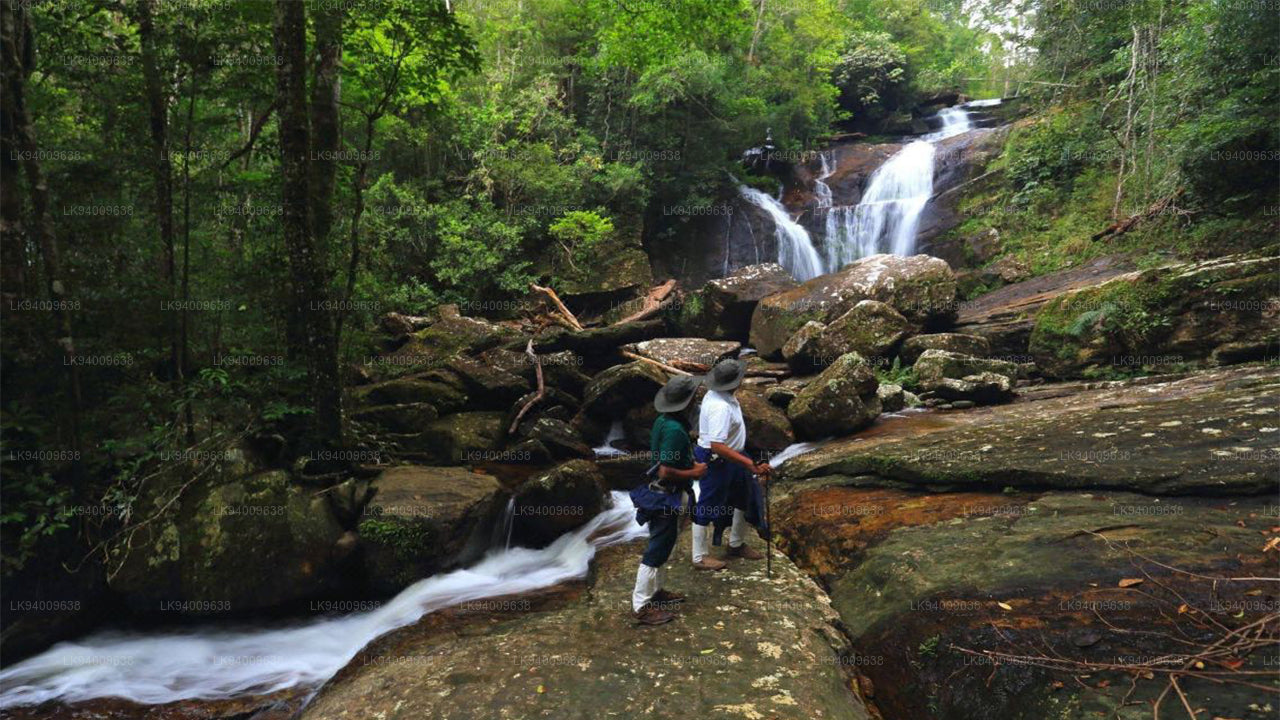
The Sinharaja Forest Reserve is Sri Lanka's largest surviving lowland tropical rainforest and one of the island's two natural World Heritage Sites. It supports an exceptional density of endemic species: roughly 60 percent of the island's endemic tree species grow here, alongside endemic birds, reptiles, amphibians, and insects found nowhere else on Earth. Access to the interior is by guided trail only, and visitor numbers are managed to reduce impact. The forest receives heavy rainfall for much of the year, so timing and appropriate clothing matter. Serious birders and naturalists often consider a stay at one of the small lodges on the forest boundary to be among the most rewarding wildlife experiences in the country.
What does the Central Highlands World Heritage Site include?
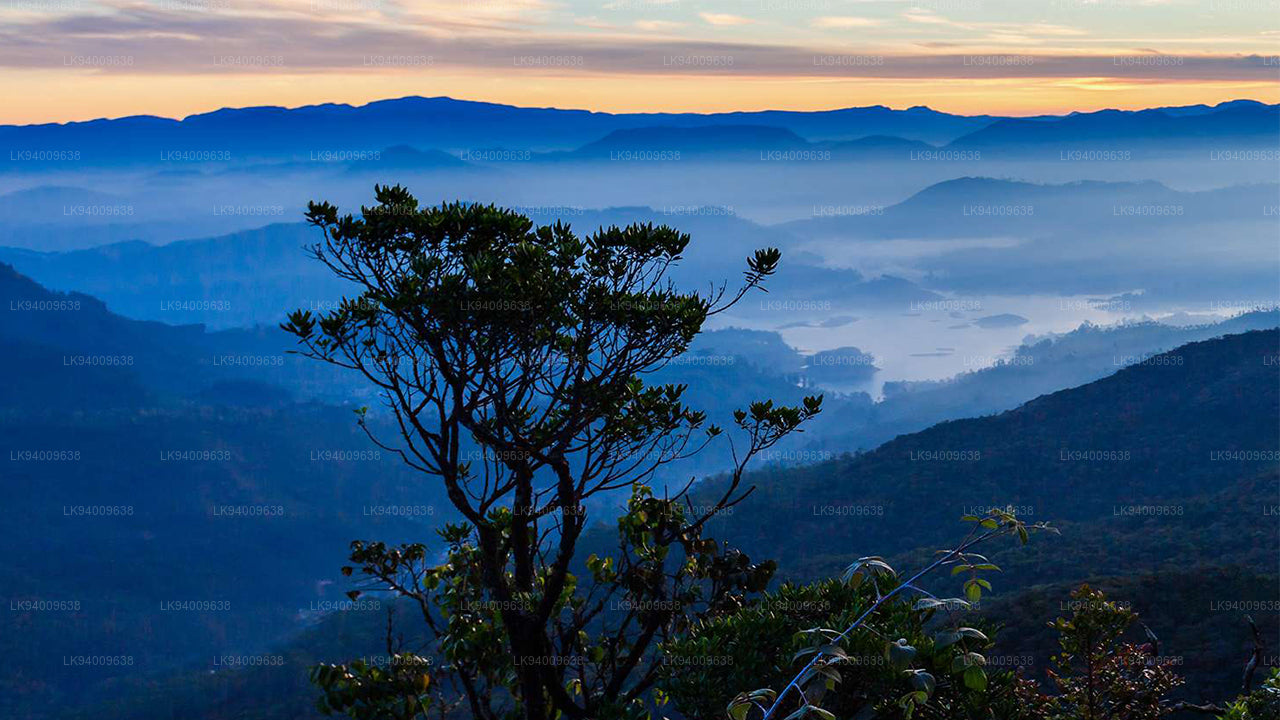
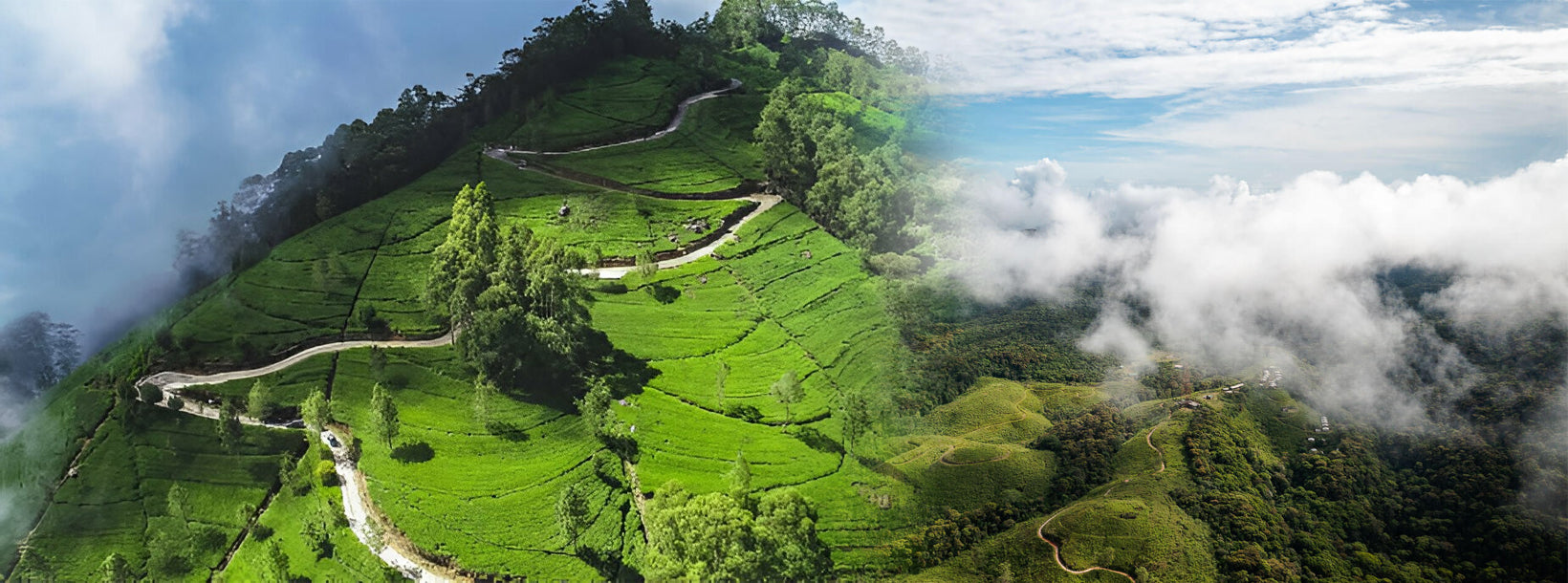
Inscribed in 2010, the Central Highlands of Sri Lanka is a serial natural site comprising three components: Horton Plains National Park, the Peak Wilderness Protected Area, and Knuckles Conservation Forest. The listing recognises the exceptional biodiversity of these high-altitude montane ecosystems, which support many species found nowhere else. Horton Plains National Park is the most accessible component for visitors, offering the famous World's End escarpment — a near-vertical cliff dropping around 870 metres — along with Baker's Falls and open grasslands grazed by sambar deer. The cloud forest habitat within Knuckles is less visited but ecologically distinctive, with frequent mist, mosses, and a separate set of endemic plants and birds.
How do I plan a trip to cover multiple World Heritage Sites?
The six cultural sites cluster naturally into two groups. Anuradhapura, Polonnaruwa, Sigiriya, and Dambulla form what is commonly called the Cultural Triangle in the North Central and Central provinces. Kandy sits at the southern edge of that triangle, and Galle lies around three hours' drive southwest of Kandy along the coast. A well-paced itinerary covering all six cultural sites typically takes between six and nine days, allowing time for the sites themselves and travel between them without rushing. The two natural sites — Sinharaja and the Central Highlands — can be integrated into a broader Sri Lanka circuit by positioning them between the Cultural Triangle and the coast.
Privately chartered vehicles with knowledgeable drivers remain the most flexible way to connect these sites at your own pace. Seasonal considerations are worth factoring in: the Cultural Triangle is generally drier from January through April, while the Central Highlands and Sinharaja are best approached between December and April, when the southwest monsoon has eased.