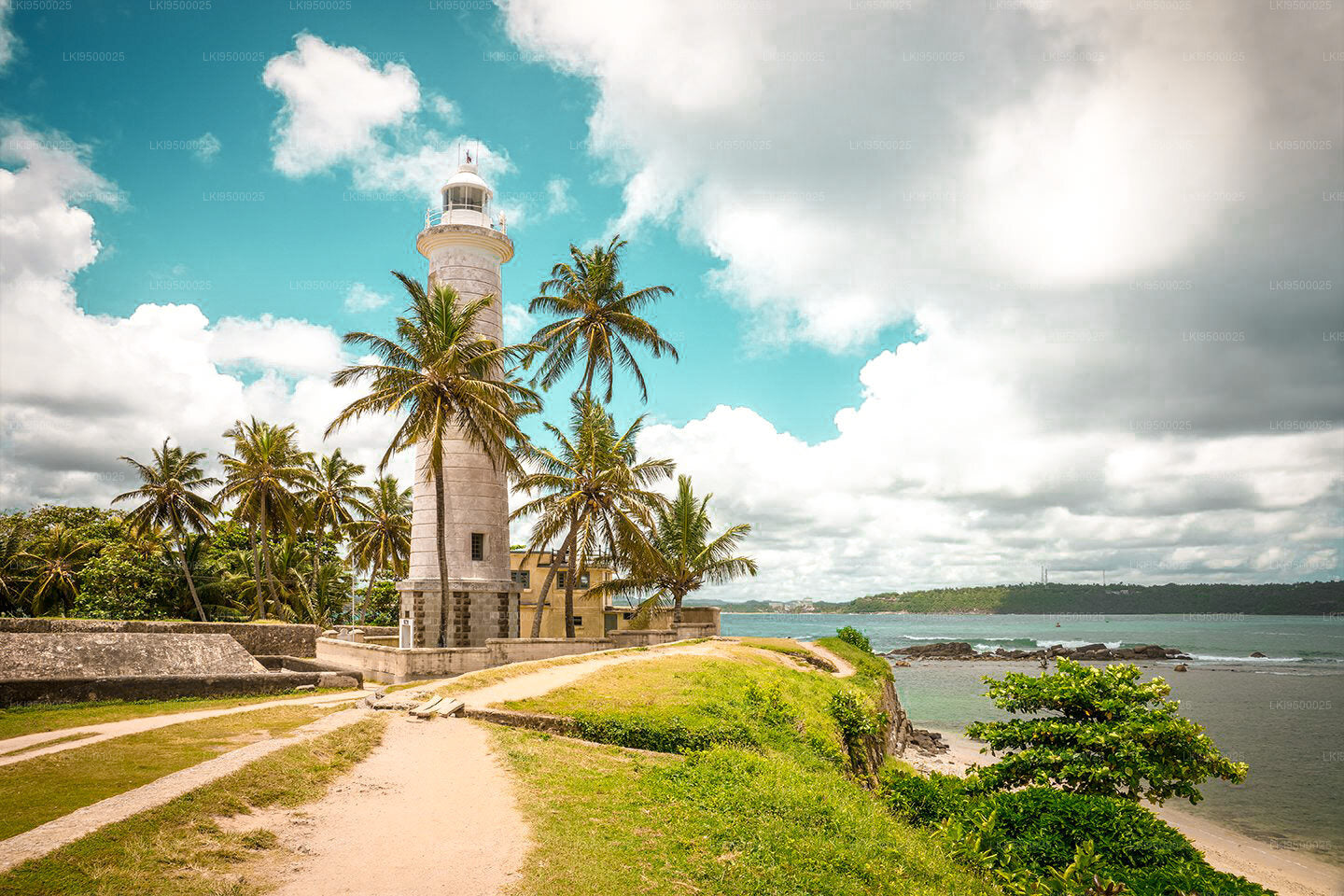
Plage de Galle
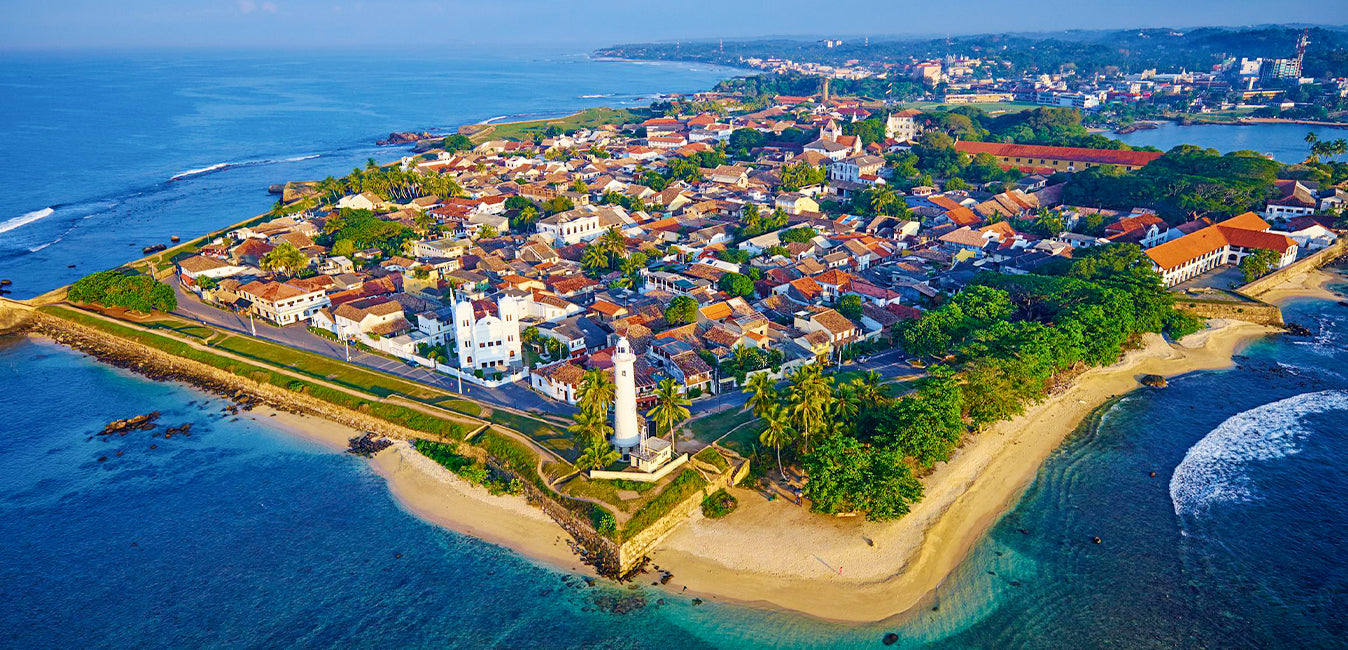
La plage de Galle, située sur la côte sud-ouest de Sri Lanka, est une destination charmante et historique connue pour sa beauté pittoresque et son héritage colonial. Nichée près de la forteresse de Galle historique, cette plage offre un mélange d'attractions culturelles, d'expériences de détente au bord de la mer et d'une vie locale animée.
Paysages côtiers pittoresques
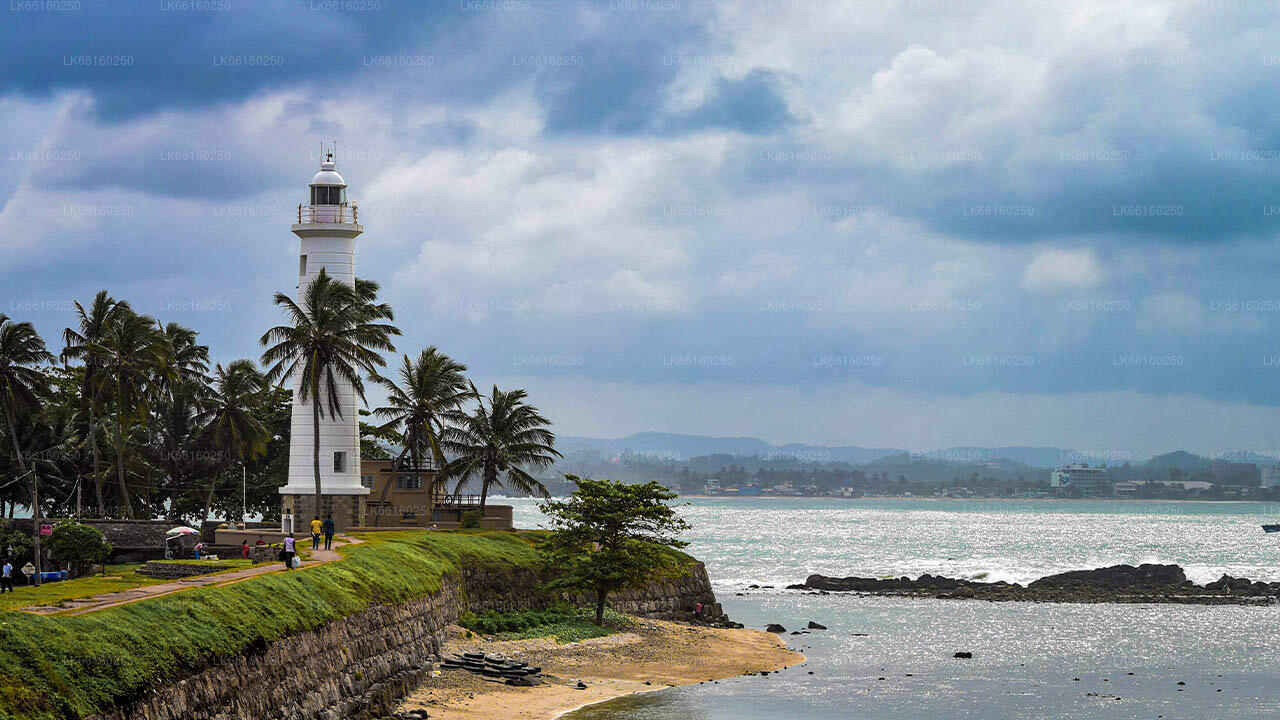
La plage de Galle présente une superbe étendue de sable doré et d'eau bleu clair, idéale pour prendre le soleil, nager et faire des promenades sur la plage. La beauté pittoresque de la plage, associée à l'arrière-plan de la forteresse historique de Galle, crée un cadre idéal pour la détente et les loisirs.
Forteresse de Galle
À seulement quelques pas de la plage, la forteresse de Galle est un site classé au patrimoine mondial de l'UNESCO, avec une riche histoire datant du XVIe siècle. Initialement construite par les Portugais et ensuite étendue par les Néerlandais, la forteresse est un lieu fascinant à explorer avec son architecture coloniale bien conservée, ses rues étroites et ses charmants cafés et boutiques.
Activités marines
La plage de Galle offre des opportunités pour diverses activités nautiques, y compris le snorkeling, le surf et la plongée. Les récifs coralliens voisins offrent des expériences de snorkeling exceptionnelles avec une vie marine colorée, tandis que les vagues douces en font un endroit idéal pour les surfeurs débutants.
Marchés locaux et cuisine
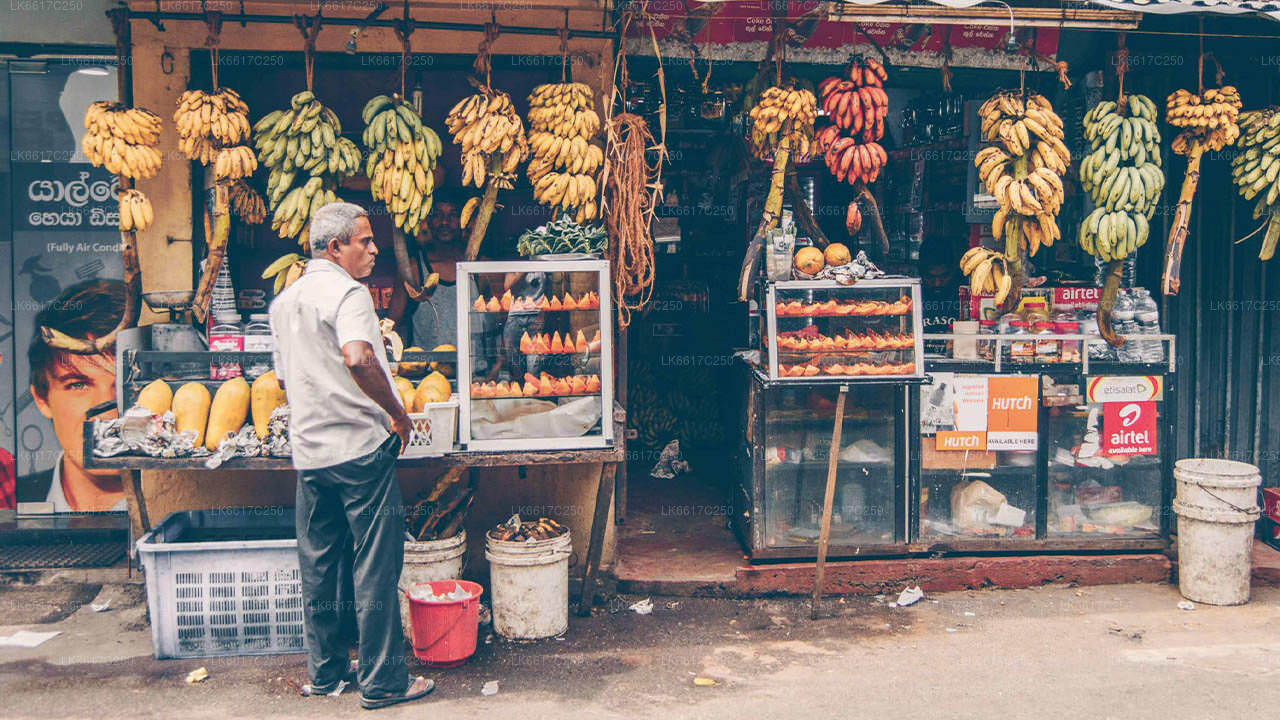
La région autour de la plage de Galle est vivante grâce aux marchés locaux et aux restaurants. Vous pouvez visiter le Hôpital hollandais de Galle, un bâtiment historique qui abrite aujourd'hui divers restaurants et boutiques, où vous pouvez déguster une variété de cuisines sri-lankaises et internationales. Les marchés locaux offrent des fruits de mer frais, des fruits tropicaux et des douceurs traditionnelles.
Expériences culturelles
Galle est connue pour son riche patrimoine culturel, et les visiteurs peuvent explorer des artisanats traditionnels, des galeries d'art et des événements culturels dans la ville. Le musée national de Galle offre un aperçu de l'histoire et de la culture de la région, exposant des artefacts et des expositions de la période coloniale.
Observation des baleines
Galle est également une porte d'entrée pour les excursions d'observation des baleines, particulièrement pendant la saison de novembre à avril. Ces excursions offrent l'occasion de voir des baleines bleues, des baleines cachalots et d'autres géants marins dans leur habitat naturel.
Meilleur moment pour visiter :
Le meilleur moment pour visiter la plage de Galle est de novembre à avril, lorsque le temps est sec et que la mer est calme. Cette période est idéale pour profiter de la plage, des activités maritimes et explorer les attractions culturelles et historiques de Galle et de ses environs.