Polonnaruwa City
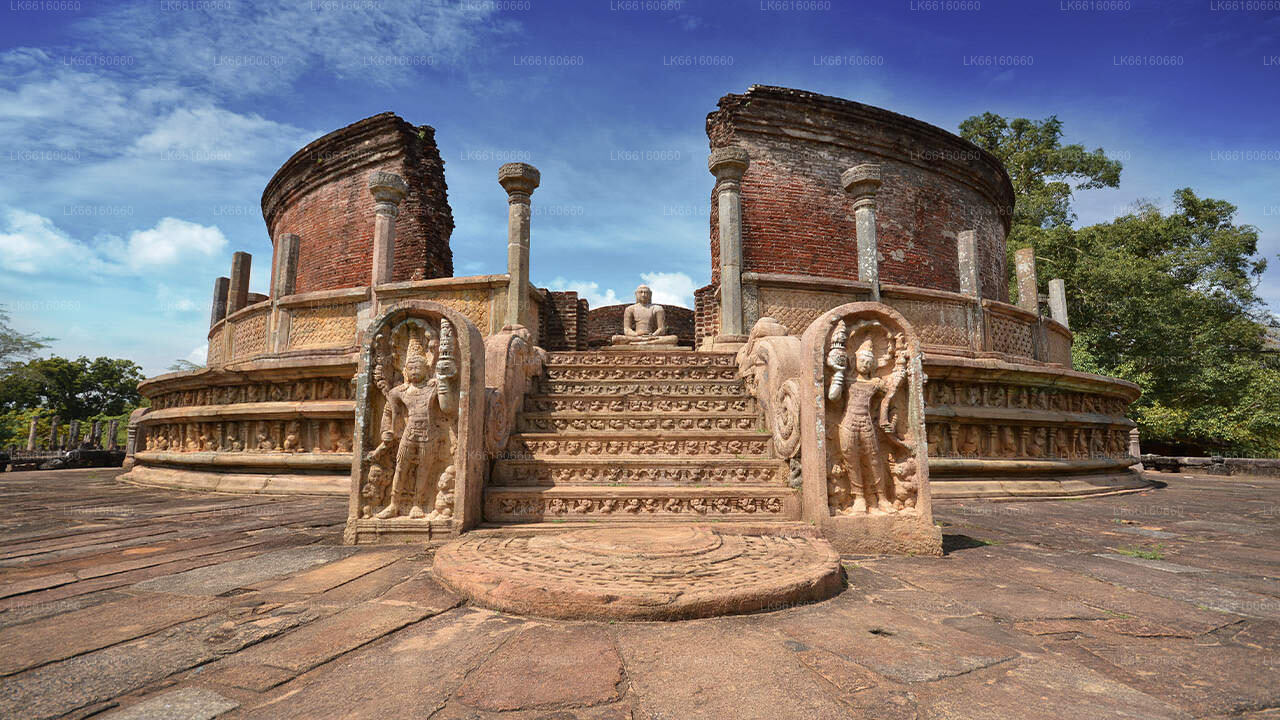
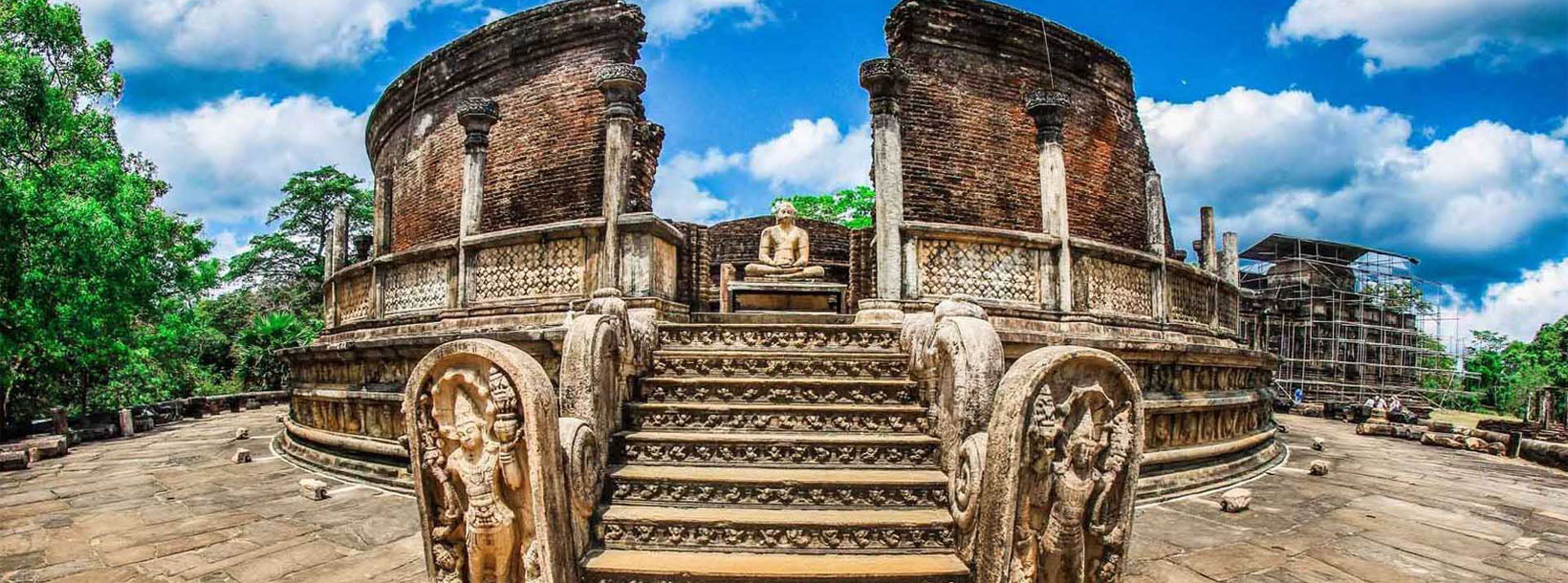
Polonnaruwa, a UNESCO World Heritage Site in Sri Lanka, was the country's medieval capital (11th-13th century). Renowned for its well-preserved ruins, including the iconic Gal Vihara statues, it showcases impressive architecture, reflecting the grandeur of the ancient Sinhalese civilization.
Somawathiya Nationalpark
Der Somawathiya-Nationalpark ist ein Schutzgebiet in der Ostprovinz von Sri Lanka, das für seine reiche Biodiversität, malerischen Landschaften und kulturelle Bedeutung bekannt ist. Der Park ist nach der Somawathiya-Stupa benannt, einer alten buddhistischen Stätte, von der angenommen wird, dass sie Reliquien des Buddha beherbergt. Dadurch ist das Gebiet nicht nur ein Naturrefugium, sondern auch ein wichtiges Pilgerziel.
Der Park beherbergt eine vielfältige Auswahl an Wildtieren, darunter Sri-lankische Elefanten, Wasserbüffel, Leoparden und zahlreiche Vogelarten, was ihn zu einem beliebten Ort für Wildtier-Enthusiasten und Fotografen macht. Die unterschiedlichen Ökosysteme des Parks umfassen Feuchtgebiete, Graslandschaften und Auwälder, die sowohl für terrestrisches als auch für aquatisches Leben einen reichen Lebensraum bieten. Der Park ist außerdem ein wichtiger Rastplatz für Zugvögel, insbesondere während der Wintermonate.
Besucher des Somawathiya-Nationalparks können Jeep-Safaris, Vogelbeobachtung und Naturwanderungen genießen, während sie die einzigartige Flora und Fauna beobachten, die im Park gedeiht. Der Park bietet eine ruhige und abgelegene Umgebung und ist damit ein idealer Ort für alle, die die natürliche Schönheit von Sri Lanka und seine Tierwelt abseits der stärker besuchten Touristengebiete erkunden möchten.
Die beste Zeit für einen Besuch im Somawathiya-Nationalpark ist von Dezember bis April während der Trockenzeit, wenn sich Wildtiere stärker um Wasserstellen versammeln und das Wetter für Outdoor-Aktivitäten geeignet ist. Der Park ist von nahegelegenen Städten wie Polonnaruwa leicht erreichbar und bietet Naturfreunden und kulturinteressierten Reisenden ein ruhiges und bereicherndes Erlebnis.
About Polonnaruwa District
Polonnaruwa is the 2nd largest city in north central province in Sri Lanka. The ancient city of Polonnaruwa has been declared a World Heritage site by UNESCO Polonnaruwa has a great history of conquest and struggle behind it and rightfully forms the third element in the Cultural Triangle. Located about 140 kms north east from Kandy,Polonnaruwa offers hours of endless pleasure for history and culture lovers, as there are numerous sights of significance.
Much of the physical ruins standing today are credited to King Parakrama Bahu I who spent many royal resources on town planning, including parks, edifices, irrigation systems and so on. The period of his rule is considered a golden age where the kingdom thrived and prospered under a visionary ruler. The Parakrama Samudra is a mammoth tank and named after its patron. The popular kings Royal Palace, the Audience Hall encircled by beautifully carved stone elephants and the Bathing Pool reflect the superior engineering capabilities of the time.
About North Central Province
North Central Province which is the largest province in the country covered 16% of total country's land area. North Central Province consist two districts called Polonnaruwa and Anuradhapure. Anuradhapura is the largest district in Sri Lanka. Its area is 7,128 km².
North Central Province has numerous potentials for Investors to start their Businesses, especially Agriculture, agro based industries and Livestock sectors. More than 65% of North Central Province's people depend on basic Agriculture and agro base industries. NCP also called "Wew Bendi Rajje" because there are more than 3,000 medium and large scale tanks situated in the province. Sri maha bodiya, Ruwanweli seya, Thuparama dageba, Abayagiri Monastry, Polonnaruwa Rankot wehera, Lankathilake are scared