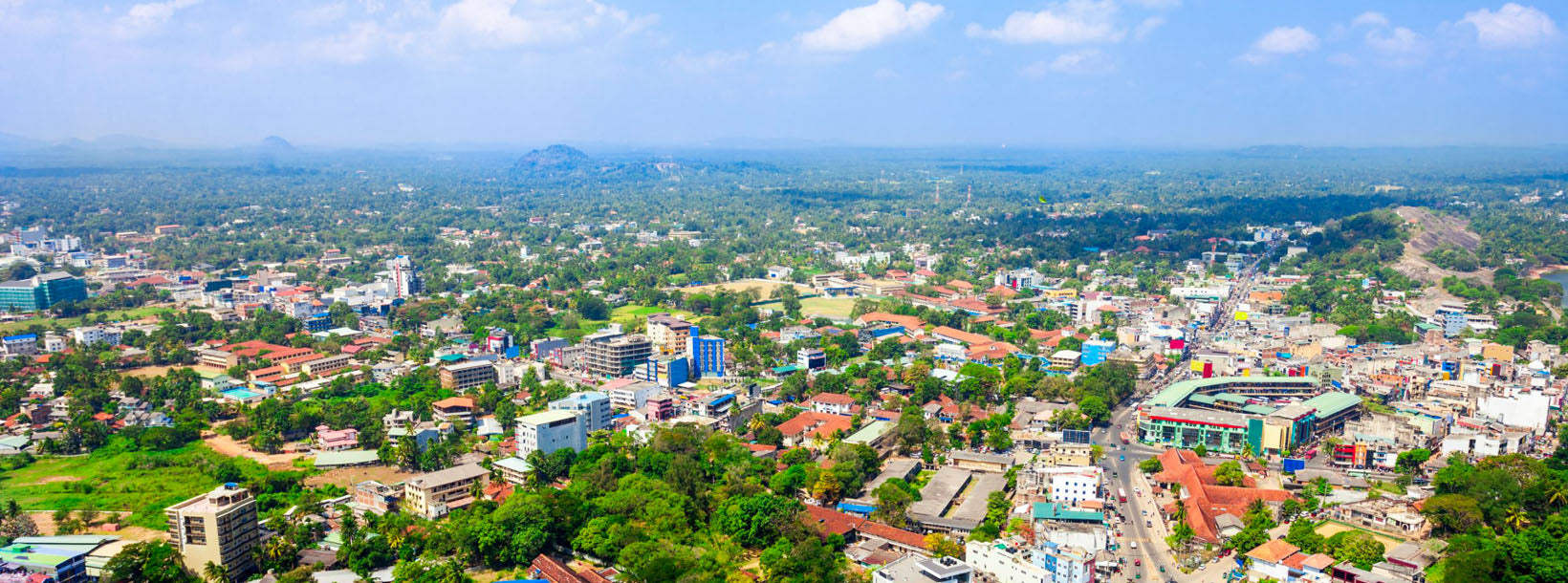
Kurunegala City
Kurunegala: Bustling city in Sri Lanka's North Western Province, featuring historic sites, vibrant markets, and a blend of modern and traditional culture.
Kurunegala-Palastkomplex
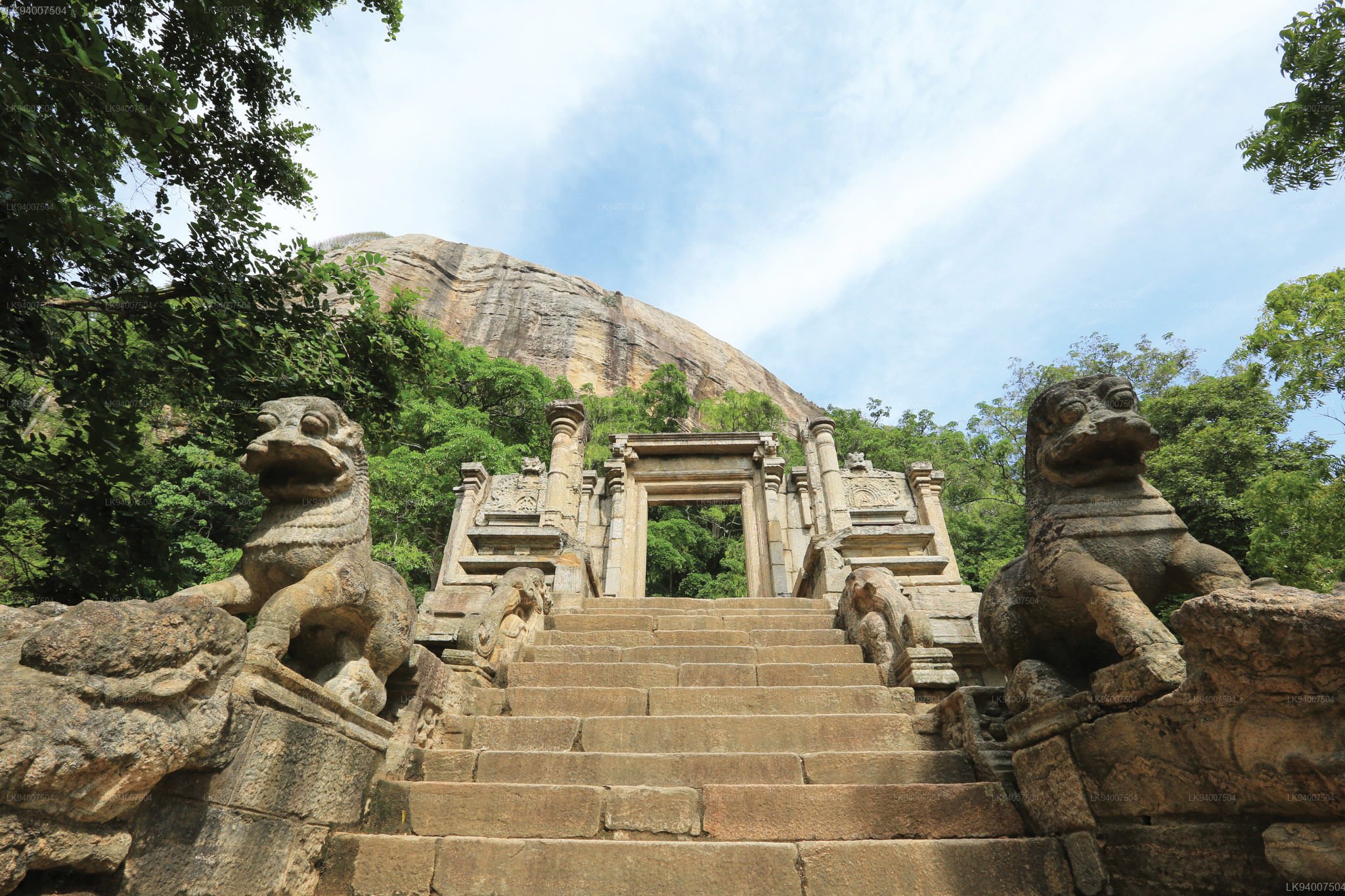
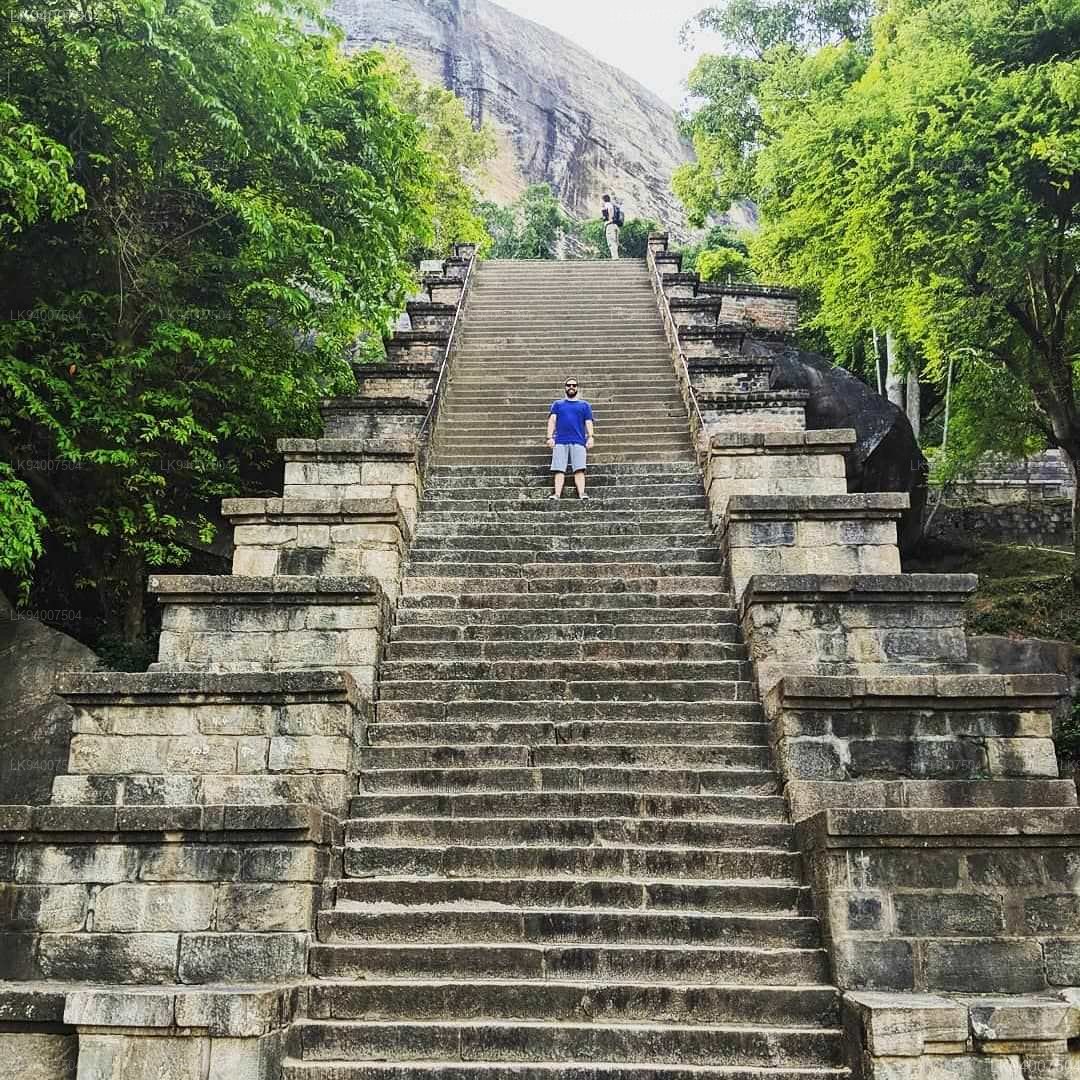
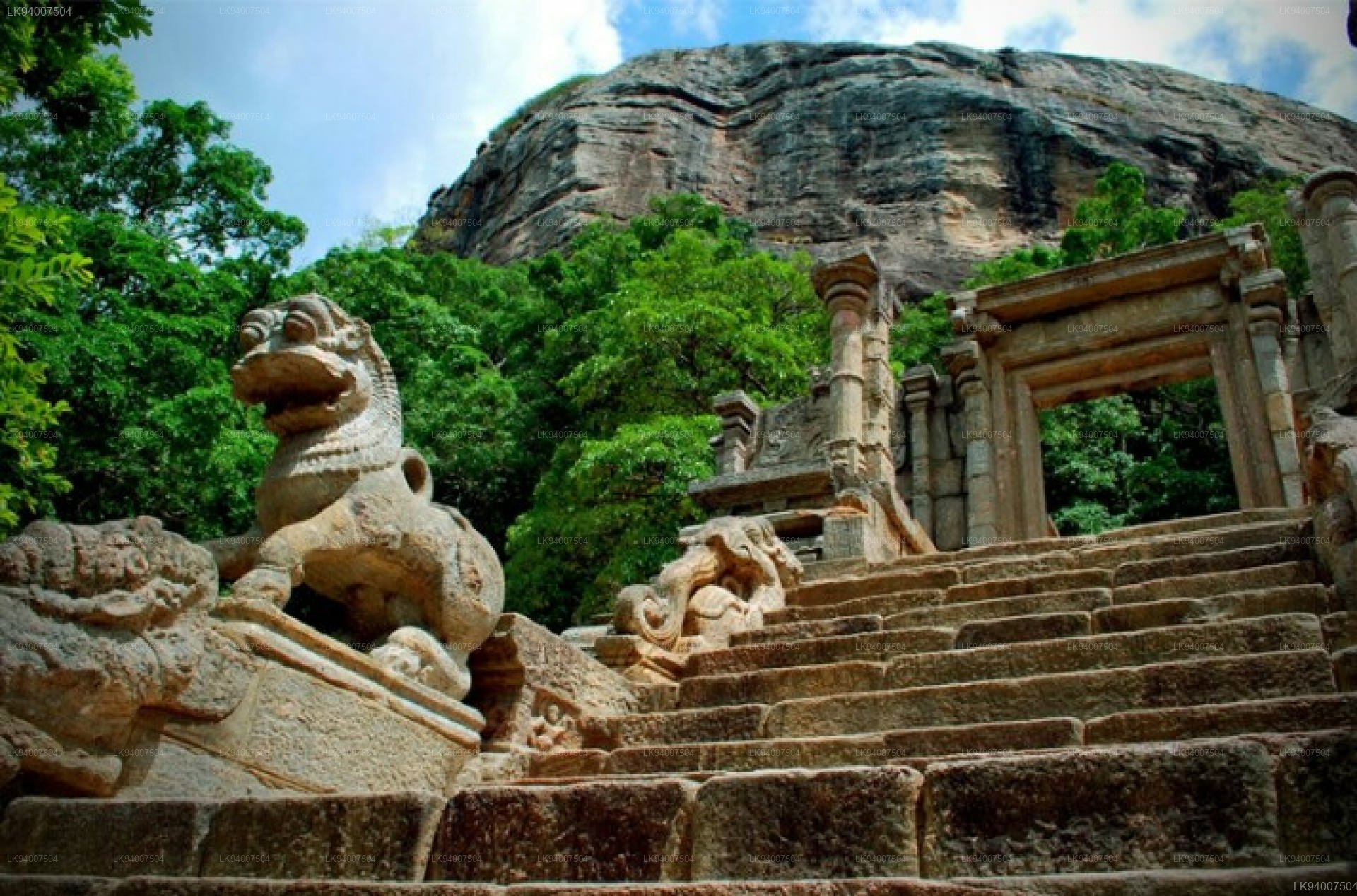
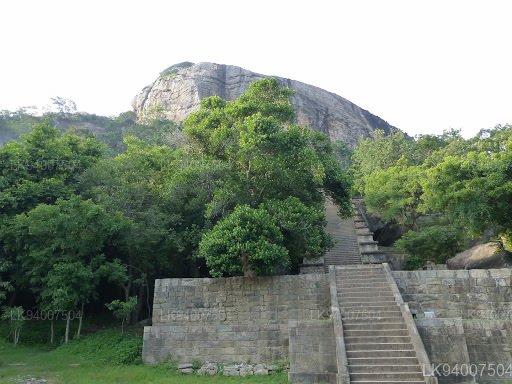
Das weitläufige Gebäude war Ende des 13. Jahrhunderts ein Palast und eine militärische Festung, Heimat des Königs, der in Angst vor einem Angriff lebte. Früher standen tiefe Gräben und dicke Mauern gegen den Feind, doch diese wurden nun überbrückt oder eingeebnet. Das phänomenal fotografierte Wahrzeichen des ehemaligen Königreichs, heute sein Symbol, ist eine sehr steile steinerne Treppe. Sie ist mit exquisiten Skulpturen verziert.
Mitten im Aufstieg trifft man auf zwei sehr markante, große steinerne Löwen, inspiriert von der chinesischen Kunst. Sie verziehen das Gesicht in eine Grimasse und starren den Kletterer an. Wunderschöne Skulpturen verzieren beide Seiten. In der Antike war die Herrschaft der Insel eng mit der Heiligen Zahnrelikvie des Höchsten Buddhas verbunden. Deshalb verließ der König das ältere Polonnaruwa-Königreich zusammen mit der Relikwie. Die Geschichte der Festung Yapahuwa ist daher eng mit der Heiligen Relikwie verbunden. Jahre nach ihrer Errichtung strömte eine Armee aus Südindien ein und nahm die Heilige Zahnrelikvie, was zum Zusammenbruch des Königreichs führte.
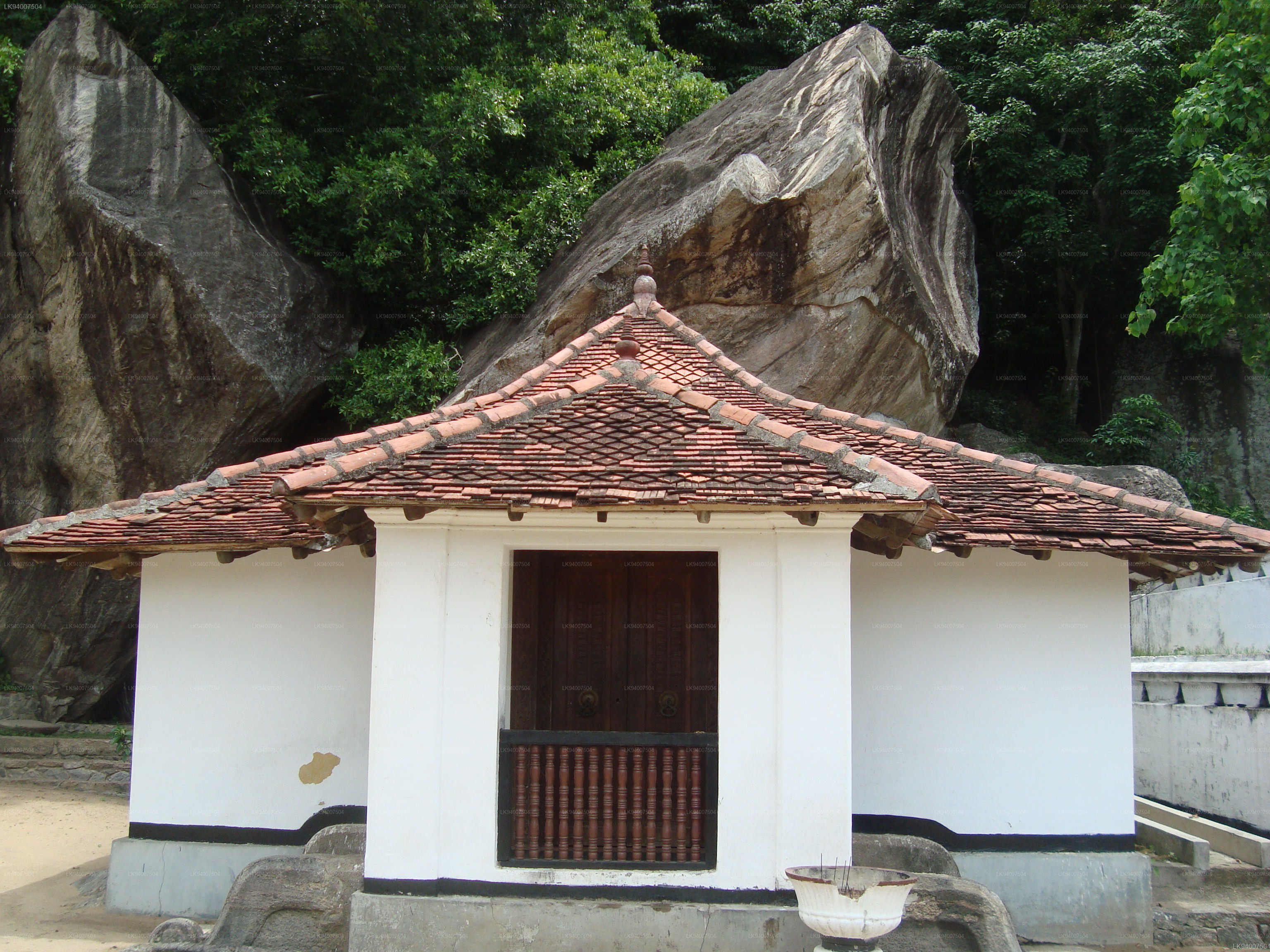
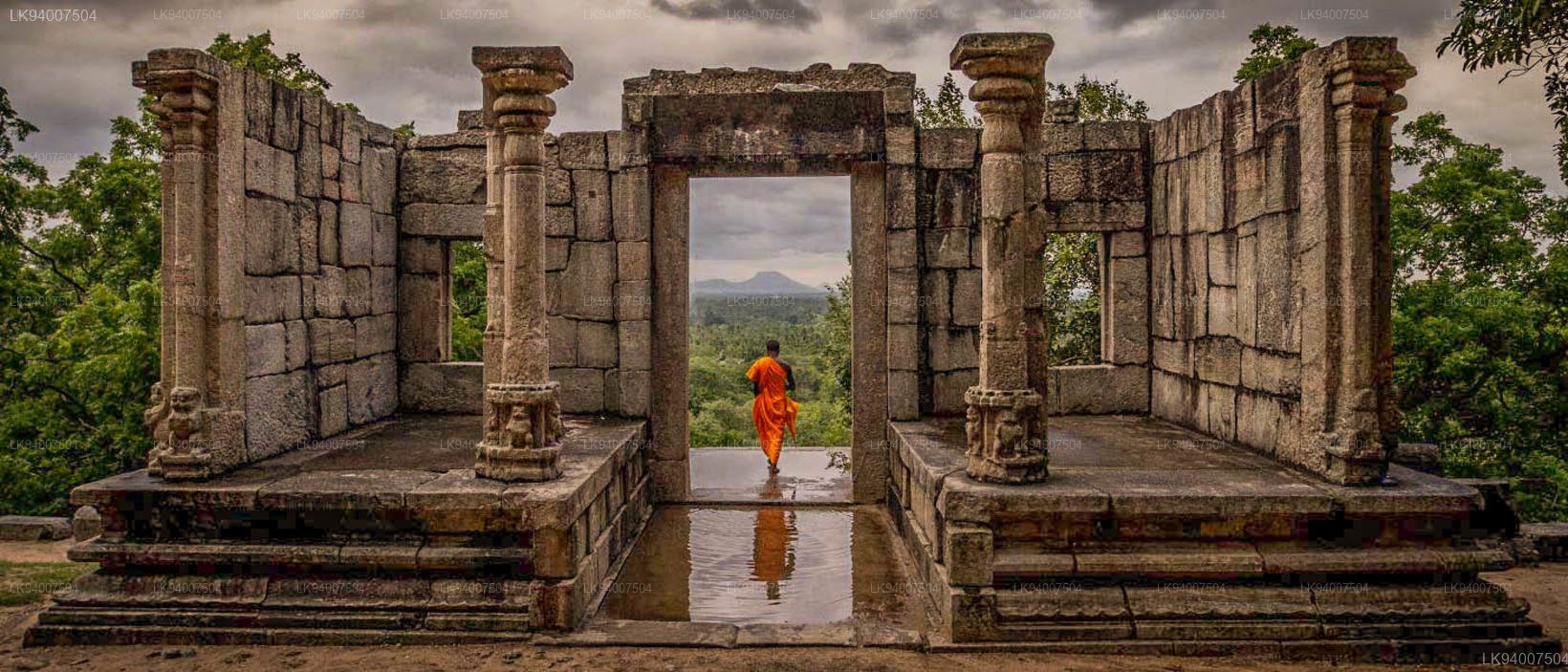
Steigen Sie bis ganz nach oben des Berges, um die Überreste der ersten Bewohner zu entdecken, die hier lebten. Es waren buddhistische Mönche. Eine kleine, windgepeitschte Stupa steht neben einer Bo-Baum-Einfriedung sowie einer Felsenhöhle. Das Panorama vom Gipfel des Berges erfasst eine weite Ausdehnung, ein Flickenteppich aus grünen Reisfeldern und Wäldern, die sich bis zu den fernen blauen Bergen erstrecken.
About Kurunegala District
Kurunegala is the capital of the Wayamba Province in Sri Lanka and the Kurunegala District.Kurunegala was a royal capital for only 50 years, from the end of the 13th century to the start of the next, though even before this it was strategically placed in the middle of other majestic strongholds such as Yapahuwa to the north, Dambadeniya to the south and Panduwasnuwara in the east. Ethagala a rock reaching 316 meters, towers over the town, which is located at an altitude of 116 meters above sea level. The shape of Ethagala resembles an Elephant. A transport hub, it has a railway station, and several main roads linking important parts of the country.Kurunegala is situated about 94 km from Colombo, and 42 km from Kandy.
Most of Kurunegala's residents belong to the Sinhalese majority. Other ethnic minorities include the Sri Lankan Moors, Sri Lankan Tamils, Burghers and Malays. Residents from ethnic minorities live in all parts of the city, however, sizeable communities of Moors and Tamils also live in the areas of Teliyagonna and Wilgoda.
About North Western Province
North Western Province is a province of Sri Lanka. The districts of Kurunegala and Puttalam formulate North Western or Wayamba. Its capital is Kurunegala, which has a population of 28,571. The province is known mainly for its numerous coconut plantations. Other main towns in this province are Chilaw (24,712) and Puttalam (45,661), which are both small fishing towns. The majority of the population of Wayamba province is of Sinhalese ethnicity. There is also a substantial Sri Lankan Moor minority around Puttalam and Sri Lankan Tamils in Udappu and Munneswaram. Fishing, prawn farming and rubber tree plantations are other prominent industries of the region. The province has an area of 7,888 km² and a population of 2,184,136 (2005 calculation).
Wayamba is the third largest paddy producing area in Sri Lanka .Wayamba has a highly developed agricultural economy, growing a variety of fruits and vegetables, flowering plants, spices, oil-seeds in addition to the traditional plantation crops such as Coconut, Rubber and Rice. Rich soils and varied climate give Wayamba a potential for growing of virtually any crop.
In Wayamba or North western province, home for ancient Buddhist rock temples, magnificent citadels Panduwasnuwara, Dambadeniya, Yapahuwa and Kurunegala. Impressive remains of those citadels, palaces, Buddhist temples and monasteries provide exciting sight seeing to the visitors.