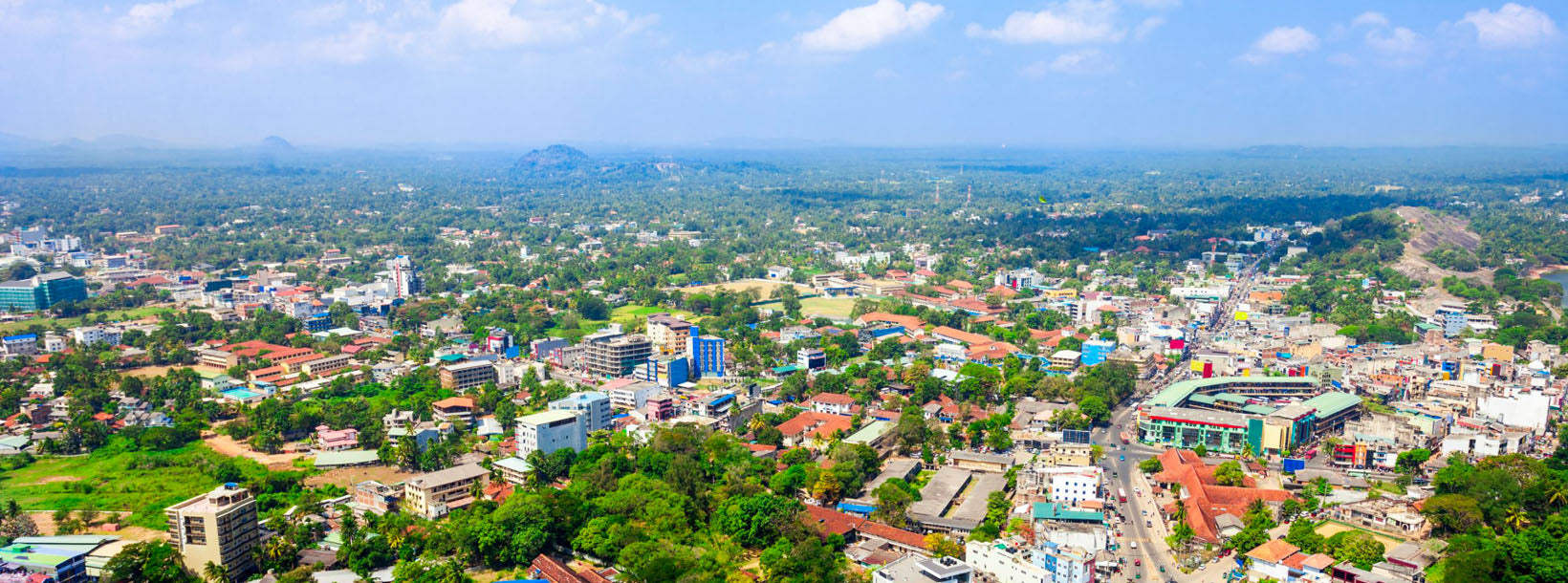
Kurunegala City
Kurunegala: Bustling city in Sri Lanka's North Western Province, featuring historic sites, vibrant markets, and a blend of modern and traditional culture.
Kurunegala Paladskompleks
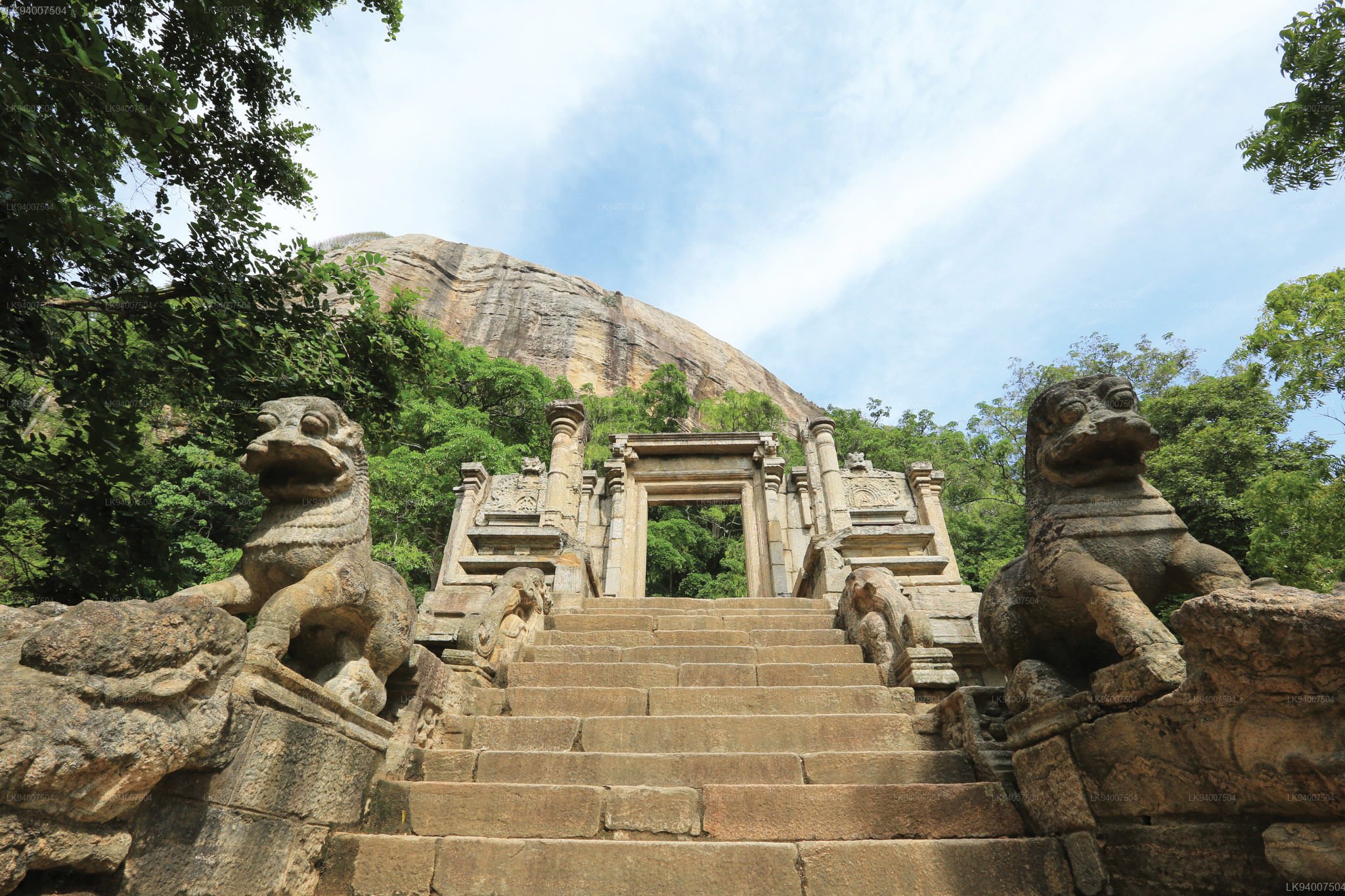
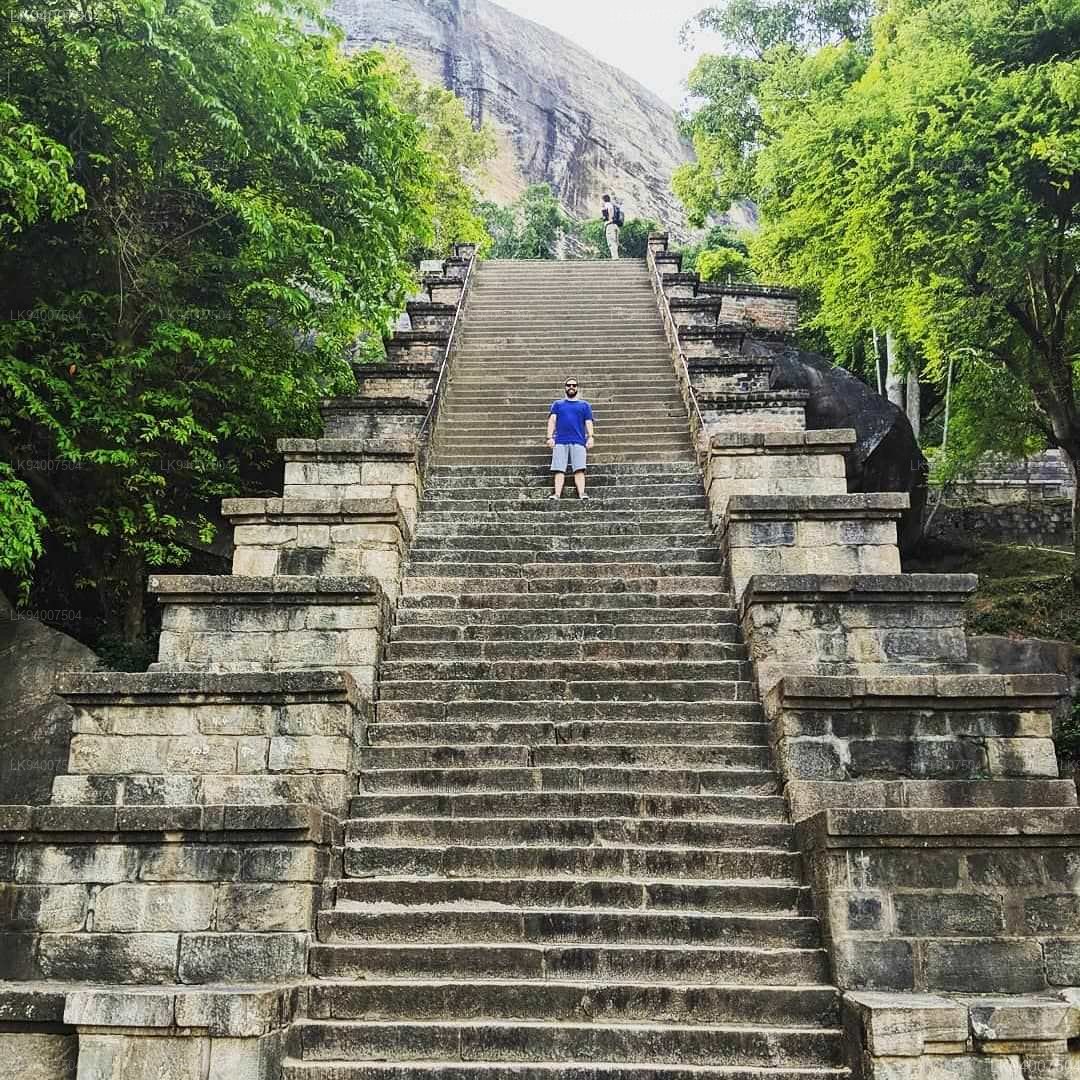
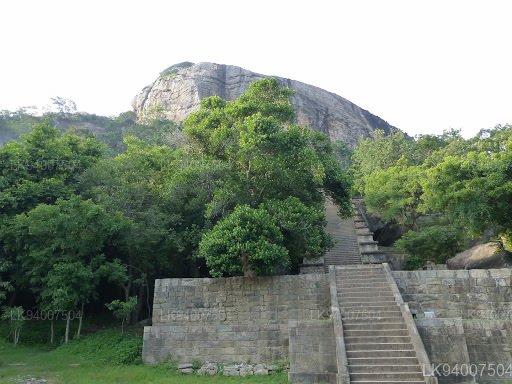
Det omfattende kompleks var et palads og en militær fæstning i slutningen af det 13. århundrede, hjem for kongen, der levede i frygt for et angreb. Engang stod dybe voldgrave og tykke mure imod fjenden, men disse er nu blevet broet over eller fladet ud. Den fænomenalt fotograferede midtpunkt af det tidligere kongerige, dets symbol i dag, er en meget stejl stentrappe. Den er prydet med udsøgt skulptur.
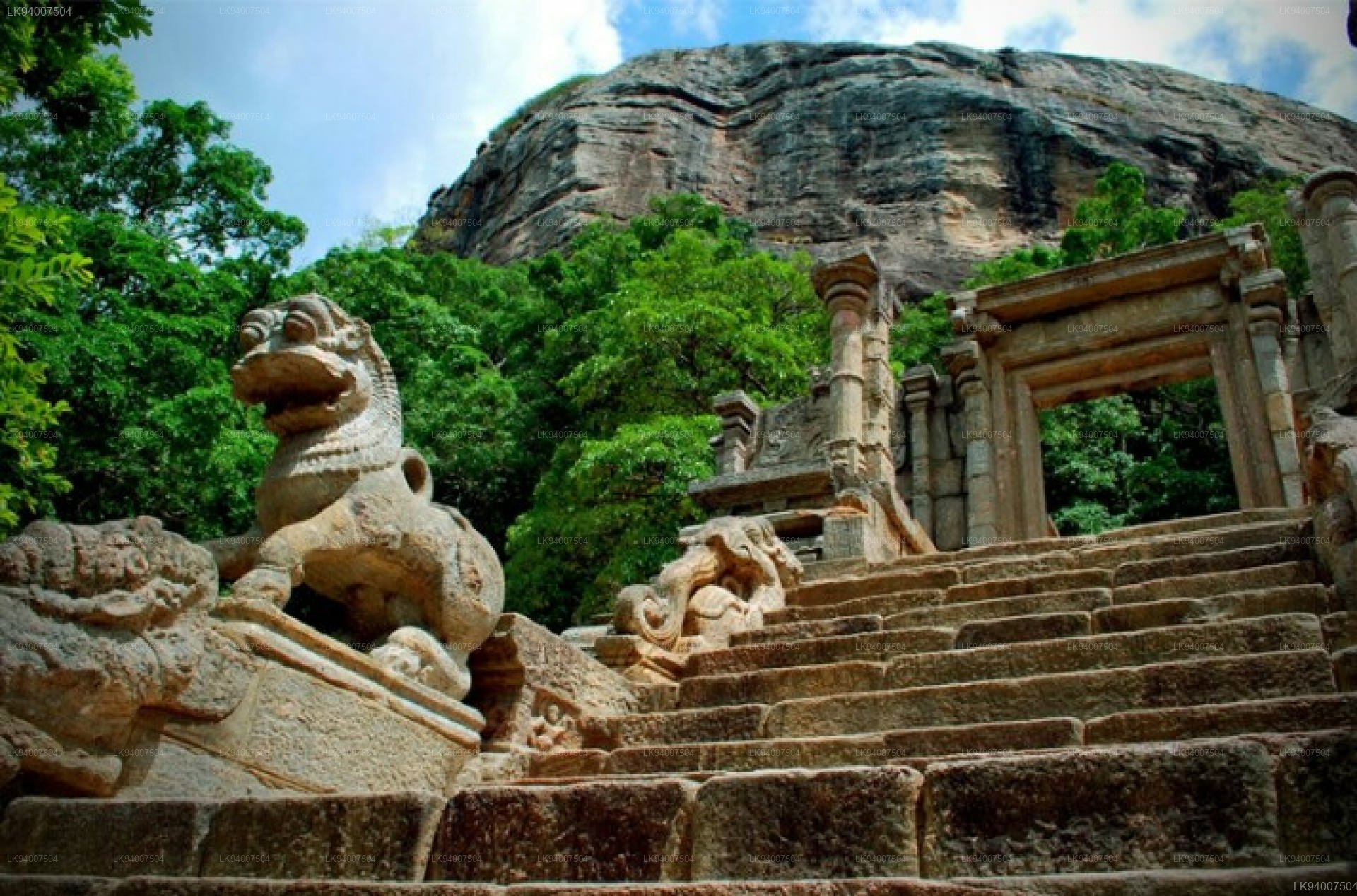
Midtvejs på klatringen vil du møde to meget distinkte, store stenløver, inspireret af kinesisk kunst. De grimasserer ned mod klatreren. Smuk skulptur pryder begge sider. I gamle tider var øens regering tæt forbundet med den Hellige Tandrelikvie af den Højeste Buddha. Derfor, da kongen forlod det ældre Polonnaruwa-rige, gjorde han det med relikvien. Fortællingen om Yapahuwa-fæstningen er derfor tæt forbundet med den Hellige Relikvie. År efter dets oprettelse invaderede en hær fra Sydindien og tog den Hellige Tandrelikvie, hvilket førte til kongerigets sammenbrud.
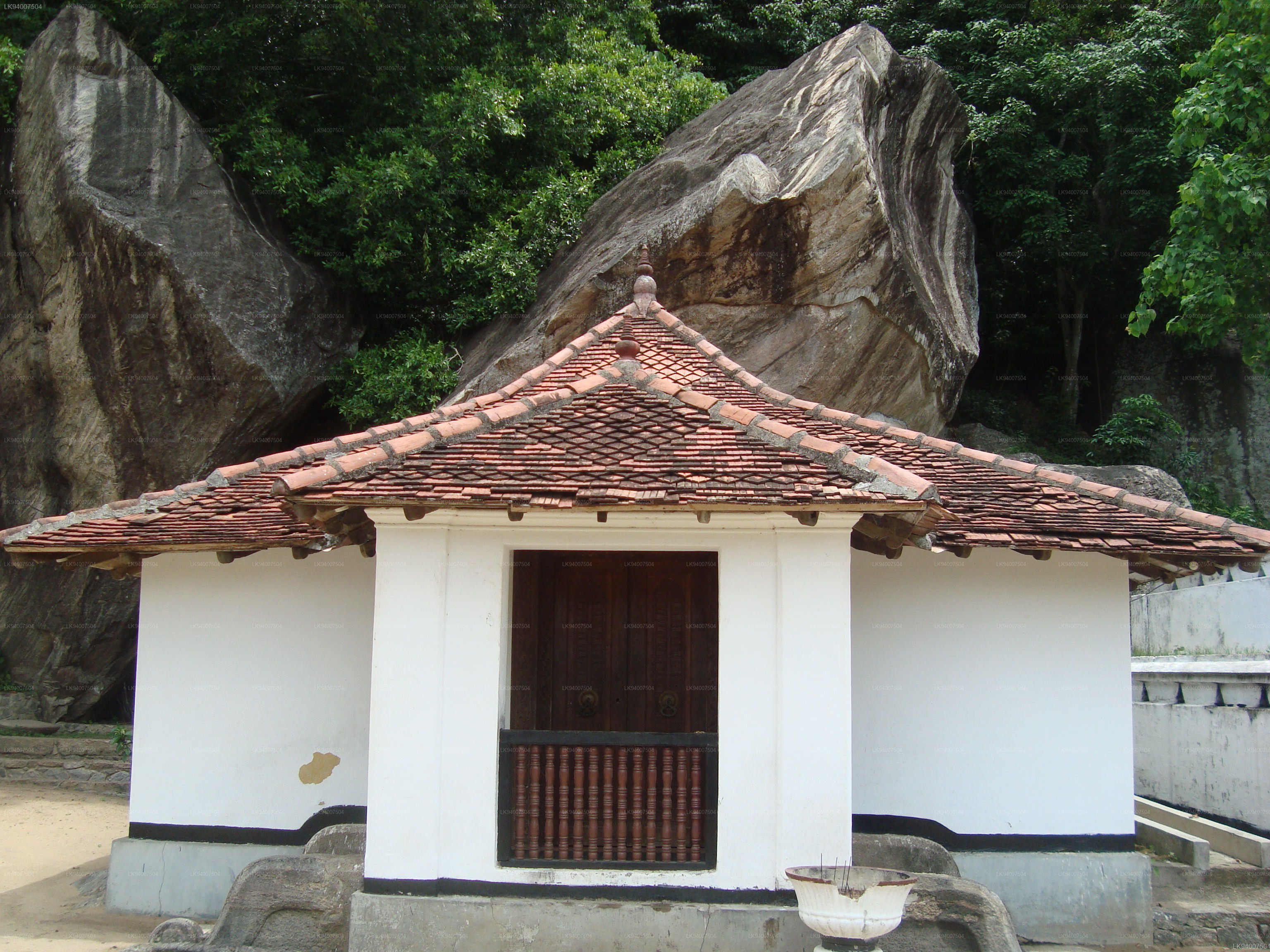
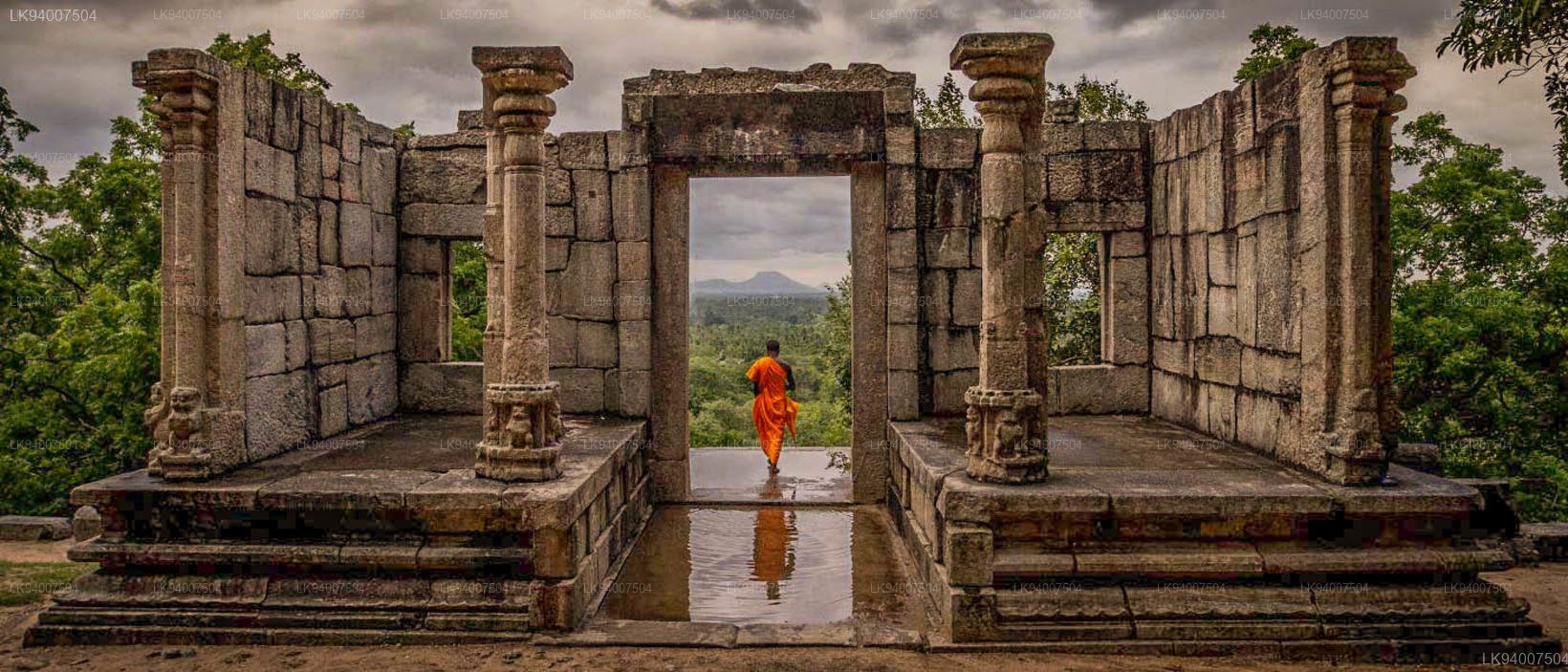
Bestig toppen af bjerget for at opdage resterne af de første beboere, der boede her. De var buddhistiske munke. En lille, vindblæst stupa er placeret ved en Bo-træ indhegning samt en klippehule. Panoramaet fra selve bjergtoppen fanger et vidt udbredt landskab, et patchwork af grønne rismarker og skove, der strækker sig til de fjerne blå bjerge.
About Kurunegala District
Kurunegala is the capital of the Wayamba Province in Sri Lanka and the Kurunegala District.Kurunegala was a royal capital for only 50 years, from the end of the 13th century to the start of the next, though even before this it was strategically placed in the middle of other majestic strongholds such as Yapahuwa to the north, Dambadeniya to the south and Panduwasnuwara in the east. Ethagala a rock reaching 316 meters, towers over the town, which is located at an altitude of 116 meters above sea level. The shape of Ethagala resembles an Elephant. A transport hub, it has a railway station, and several main roads linking important parts of the country.Kurunegala is situated about 94 km from Colombo, and 42 km from Kandy.
Most of Kurunegala's residents belong to the Sinhalese majority. Other ethnic minorities include the Sri Lankan Moors, Sri Lankan Tamils, Burghers and Malays. Residents from ethnic minorities live in all parts of the city, however, sizeable communities of Moors and Tamils also live in the areas of Teliyagonna and Wilgoda.
About North Western Province
North Western Province is a province of Sri Lanka. The districts of Kurunegala and Puttalam formulate North Western or Wayamba. Its capital is Kurunegala, which has a population of 28,571. The province is known mainly for its numerous coconut plantations. Other main towns in this province are Chilaw (24,712) and Puttalam (45,661), which are both small fishing towns. The majority of the population of Wayamba province is of Sinhalese ethnicity. There is also a substantial Sri Lankan Moor minority around Puttalam and Sri Lankan Tamils in Udappu and Munneswaram. Fishing, prawn farming and rubber tree plantations are other prominent industries of the region. The province has an area of 7,888 km² and a population of 2,184,136 (2005 calculation).
Wayamba is the third largest paddy producing area in Sri Lanka .Wayamba has a highly developed agricultural economy, growing a variety of fruits and vegetables, flowering plants, spices, oil-seeds in addition to the traditional plantation crops such as Coconut, Rubber and Rice. Rich soils and varied climate give Wayamba a potential for growing of virtually any crop.
In Wayamba or North western province, home for ancient Buddhist rock temples, magnificent citadels Panduwasnuwara, Dambadeniya, Yapahuwa and Kurunegala. Impressive remains of those citadels, palaces, Buddhist temples and monasteries provide exciting sight seeing to the visitors.