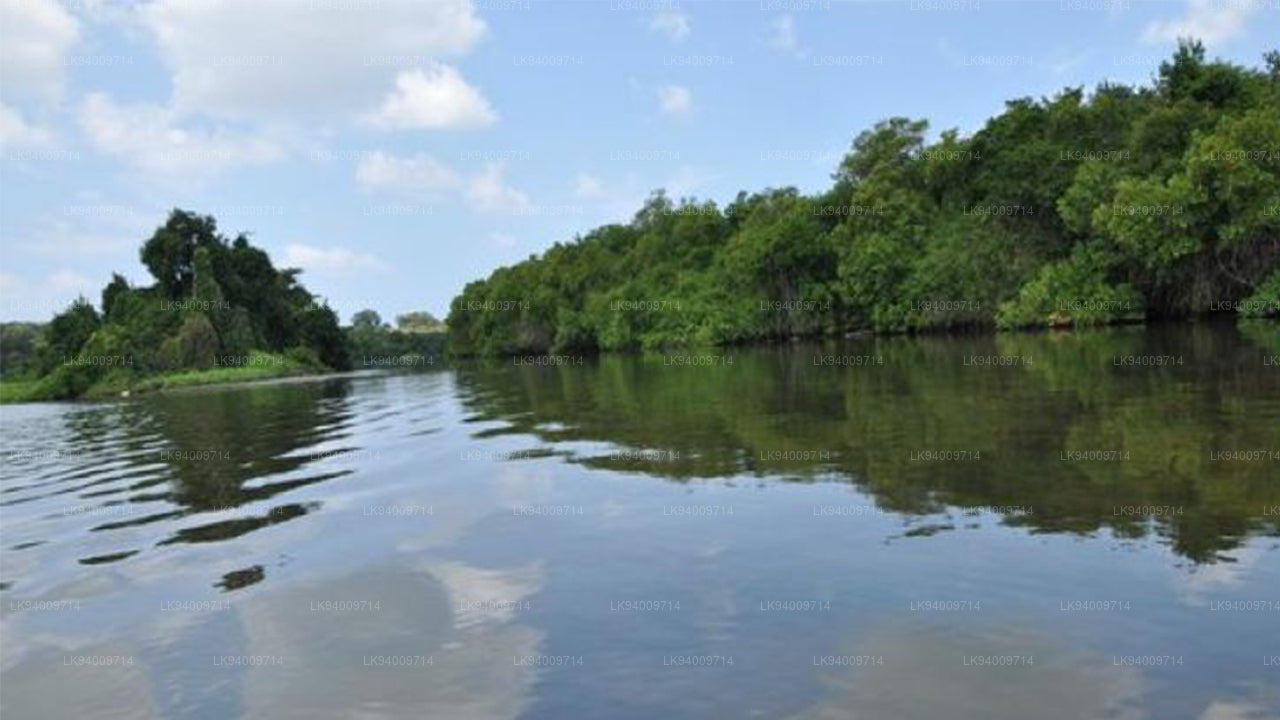
Maduru Oya


Maduru Oya je důležitá řeka ve Srí Lance, v Východní provincii, která pramení v centrálních horách a nakonec ústí do moře poblíž laguny Batticaloa. Její tok skrz suchou oblast poskytuje nezbytnou vodu pro zemědělství, osady a divokou přírodu, což z ní činí klíčový přírodní zdroj pro tuto oblast. Řeka protéká krajinami, které se pohybují od drsných hor po otevřené pláně, a podporuje jak ekologickou rozmanitost, tak zemědělský rozvoj.
Řeka je klíčová pro udržení zemědělství v suché východní oblasti. Několik nádrží a zavlažovacích systémů, jako je nádrž Maduru Oya, spoléha na řeku, která poskytuje vodu pro zemědělství v okolí. Tyto zavlažovací systémy podporují velkoplošnou pěstování rýže, zeleniny a ovoce. Řeka navíc pomáhá poskytovat pitnou vodu a podporuje malý průmysl, čímž přispívá k obživě tisíců lidí v této oblasti.
Ekologicky Maduru Oya přispívá k zachování biodiverzity v suché oblasti. Její břehy jsou domovem pro řadu druhů divoké přírody, včetně slonů, jelenů a mnoha druhů ptáků. Okolní mokřady a lesy řeky hrají klíčovou roli při udržování ekosystému, který podporuje jak suchozemský, tak vodní život. Oblast kolem Maduru Oya, včetně nedalekého národního parku Maduru Oya, je důležitá pro ochranu divoké přírody a ekologický turismus.
Kulturně je řeka významná pro místní komunity, které na ní závisí pro své každodenní potřeby. Od dávných dob řeka a její nádrže podporovaly osady a poskytovaly vodu pro zemědělství. Maduru Oya i dnes zůstává životně důležitým zdrojem pro obyvatele v oblastech, jako jsou Batticaloa, Ampara a Mahiyangana. I nadále je nedílnou součástí kulturní identity suché oblasti, kde lidé stále spoléhají na její vodu pro zemědělskou produkci a domácí spotřebu.
Riziko povodní a vodohospodářský význam
Ačkoli je Maduru Oya nezbytná pro zemědělství a zásobování vodou, je také náchylná k povodním, zejména během období silného deště v její horní části povodí. Porozumění riziku povodní je důležité pro správu vodních zdrojů a ochranu zemědělských oblastí a osad.
- Žádné oficiální údaje v aktuální zprávě: Maduru Oya není uvedena v dostupných hydrologických datech, takže pro tuto řeku v současnosti nejsou zaznamenány žádné číselné hodnoty hladiny vody nebo klasifikace povodní.
- Citlivost povodí: Srážky v centrálních horách a okolní mokré oblasti rychle zvyšují tok vody v řece, zejména během monzunového období, což zvyšuje riziko povodní v dolních oblastech.
- Oblasti náchylné k povodním: Nízké osady a zemědělské oblasti v okresech Ampara, Mahiyangana a Batticaloa jsou náchylné k povodním, když řeka během silného deště vzroste.
- Vliv na zemědělství: Náhlé vzestupy hladiny vody v řece mohou ovlivnit zavlažovací kanály, způsobit přetékání nádrží a poškodit plodiny, zejména rýžová pole v dolních oblastech.
- Pomalý odtok v pobřežních oblastech: Jakmile řeka dosáhne pobřežní nížiny poblíž Batticaloa, voda se pomalu rozptýlí, což zvyšuje pravděpodobnost dlouhodobého přelití vody a povodní v zemědělských polích.
- Potřeba monitorování: Instalace nebo vylepšení hydrologických měřičů podél toku řeky pomůže předvídat budoucí rizika povodní a pomůže při včasném varování.
- Rizika pro divokou přírodu a ochranu: Rychlé povodně v řece mohou narušit habitáty divoké přírody v národním parku Maduru Oya, zejména ovlivnit slony a další chráněné druhy.
Role Maduru Oya v zemědělství, zásobování vodou a ochraně ekosystémů ji činí cenným zdrojem pro Srí Lanku. Nicméně vzhledem k její náchylnosti k sezónním povodním je pokračující hydrologické monitorování nezbytné pro zmírnění rizik pro místní komunity a divokou přírodu.


-
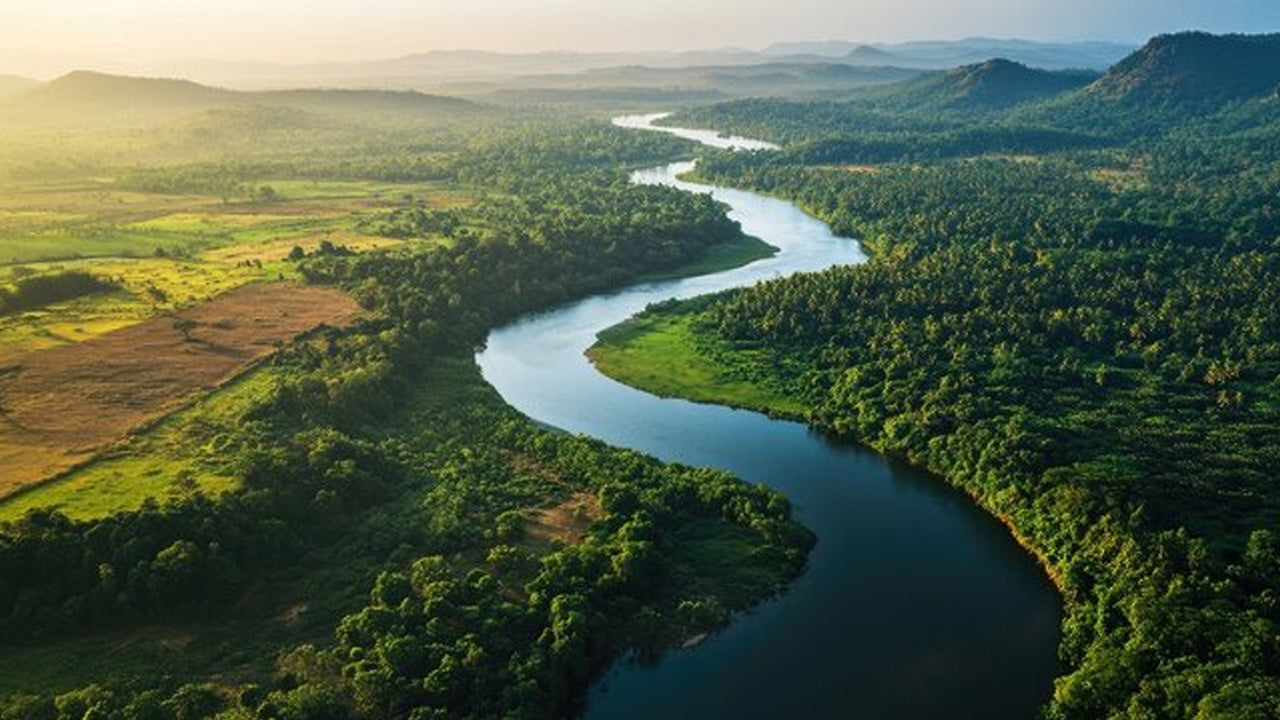 Mahaweli River
Explore the majestic Mahaweli River, Sri Lanka’s longest river, offering serene boat rides and opportunities for birdwatching and nature adventures along its winding course through scenic valleys.
-
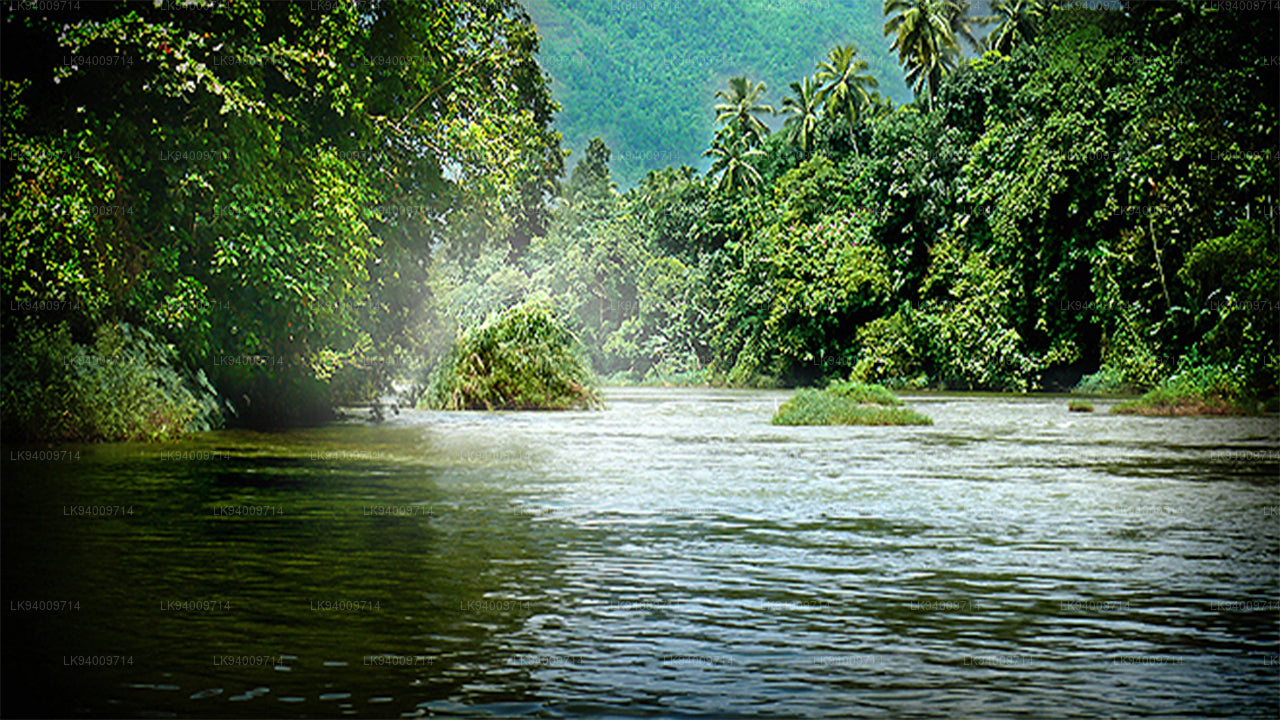 Kelani River
The Kelani River is a 145-kilometre-long (90 mi) river in Sri Lanka. It flows through or borders the Sri Lankan districts of Nuwara Eliya, Ratnapura, Kegalle, Gampaha and Colombo.
-
 Kalu Ganga
Kalu Ganga is a river in Sri Lanka. Measuring 129 km (80 mi) in length. The mountainous forests in the Province and the Sinharaja Forest Reserve are the main sources of water for the river.
-
 Walawe River
The southern region of Sri Lanka is exalted by a bushel of enthralling and glorified rivers and the Walawe River is one of them. Gently flowing through the Udawalawe National Park, the Walawe River provides water for a multitude of species of mesmerising fauna.
-
 Deduru Oya
The Deduru Oya Dam is an embankment dam built across the Deduru River in Kurunegala District of Sri Lanka. Built in 2014, the primary purpose of the dam is to retain approximately a billion cubic metres of water for irrigation purposes, which would otherwise flow out to sea.
-
 Malwathu Oya
The Malvathu River long river in Sri Lanka, connecting the city of Anuradhapura, which was the capital of the country for over 15 centuries, to the coast of Mannar. It currently ranks as the second longest river in the country, with a great historic significance.
-
 Kala Oya
It was around these ancient tank (water storage reservoir) irrigation systems that the economy and human settlements of early Sri Lankan society were organised into a “hydraulic civilization”.
-
 Gal Oya
Discover Gal Oya, a tranquil sanctuary in Sri Lanka, known for its lush landscapes, rich wildlife, and serene boat safaris, offering a peaceful retreat surrounded by nature and wildlife.
-
 Gin Ganga
The Gin Ganga, is a 115.9 km (72 mi) long river situated in Galle District of Sri Lanka. The river's headwaters are located near Deniyaya, bordering the Sinharaja Forest Reserve.
-
 Kirindi Oya
Experience the serene beauty of Kirindi Oya, a tranquil river in Sri Lanka. Enjoy scenic boat rides, lush landscapes, and opportunities for birdwatching, offering a peaceful escape into nature.
-
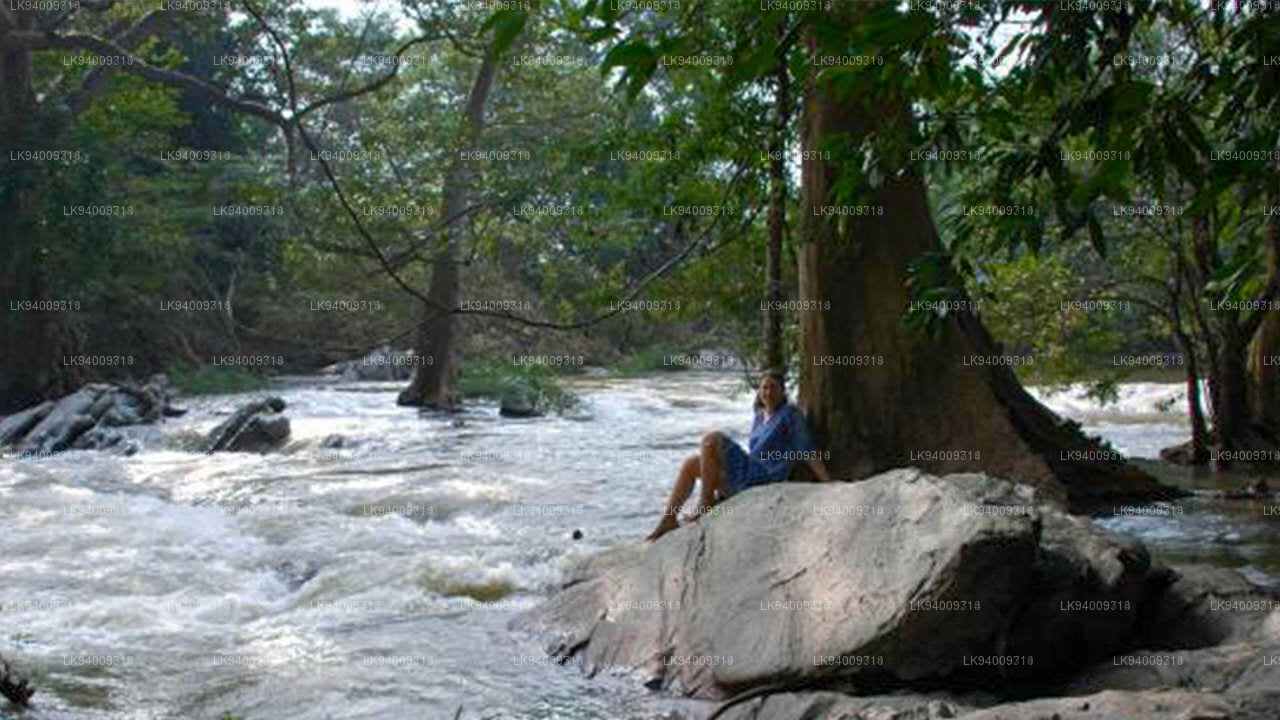 Kumbukkan Oya
The Kumbukkan Oya is the twelfth-longest river of Sri Lanka. It is approximately 116 km (72 mi) long. Its catchment area receives approximately 2,115 million cubic metres of rain per year.
-
 Maduru Oya
The Maduru Oya is a major stream in the North Central Province of Sri Lanka. It is approximately 135 km (84 mi) in length. approximately 3,060 million cubic metres of rain per year
-
 Manik River
Explore the peaceful Manik River, surrounded by lush greenery and rich wildlife. Enjoy scenic boat rides and nature walks, offering a serene and refreshing experience.
-
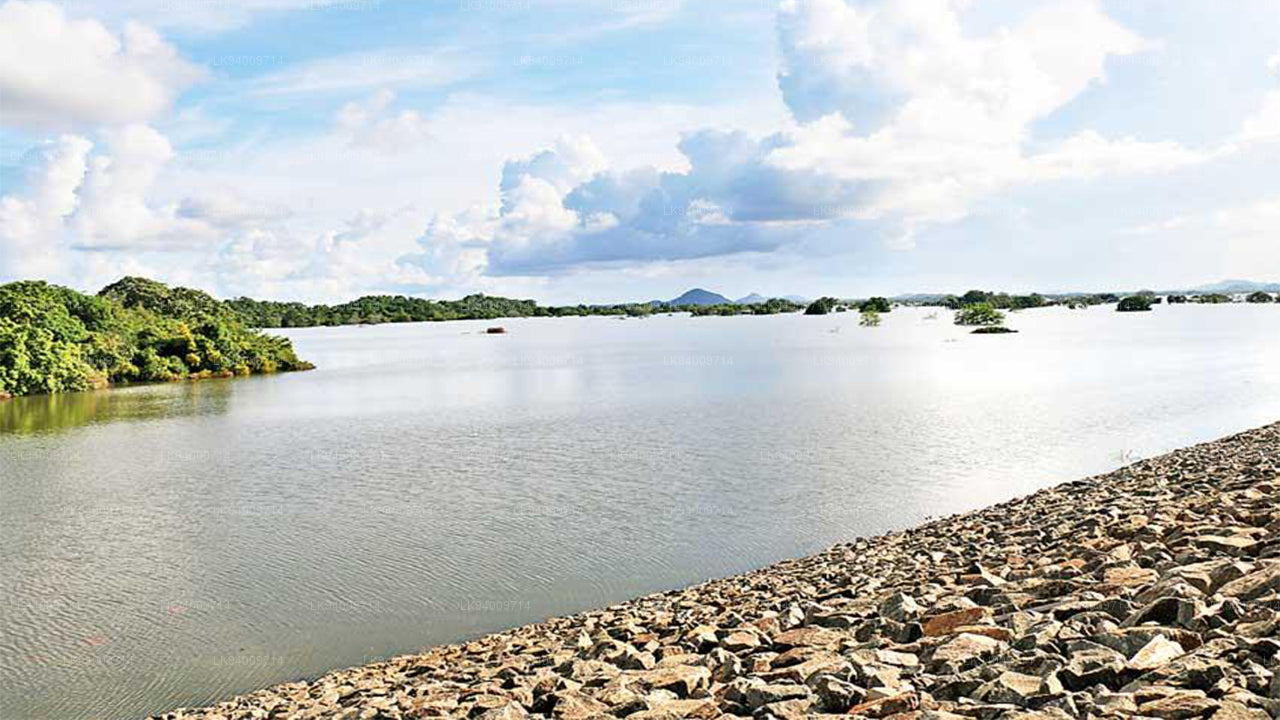 Yan Oya
The Yan Oya, 142 km long and receives 2,371 million cubic meters of rainfall annually, with 17% flowing to the sea. Its catchment area covers 1,520 square kilometers.