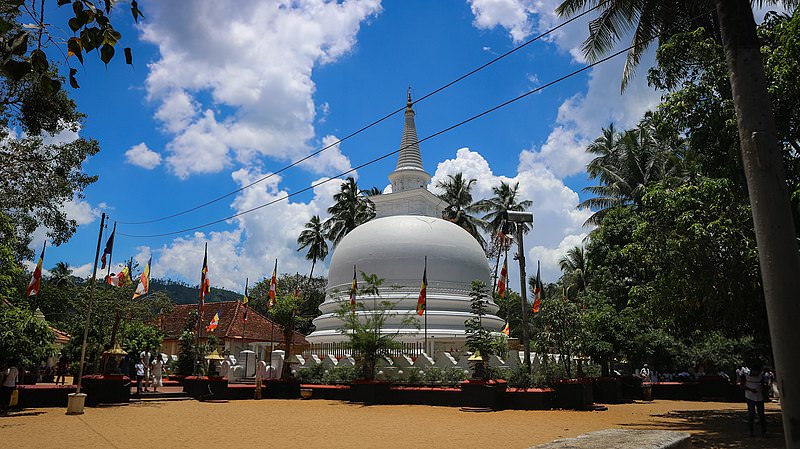
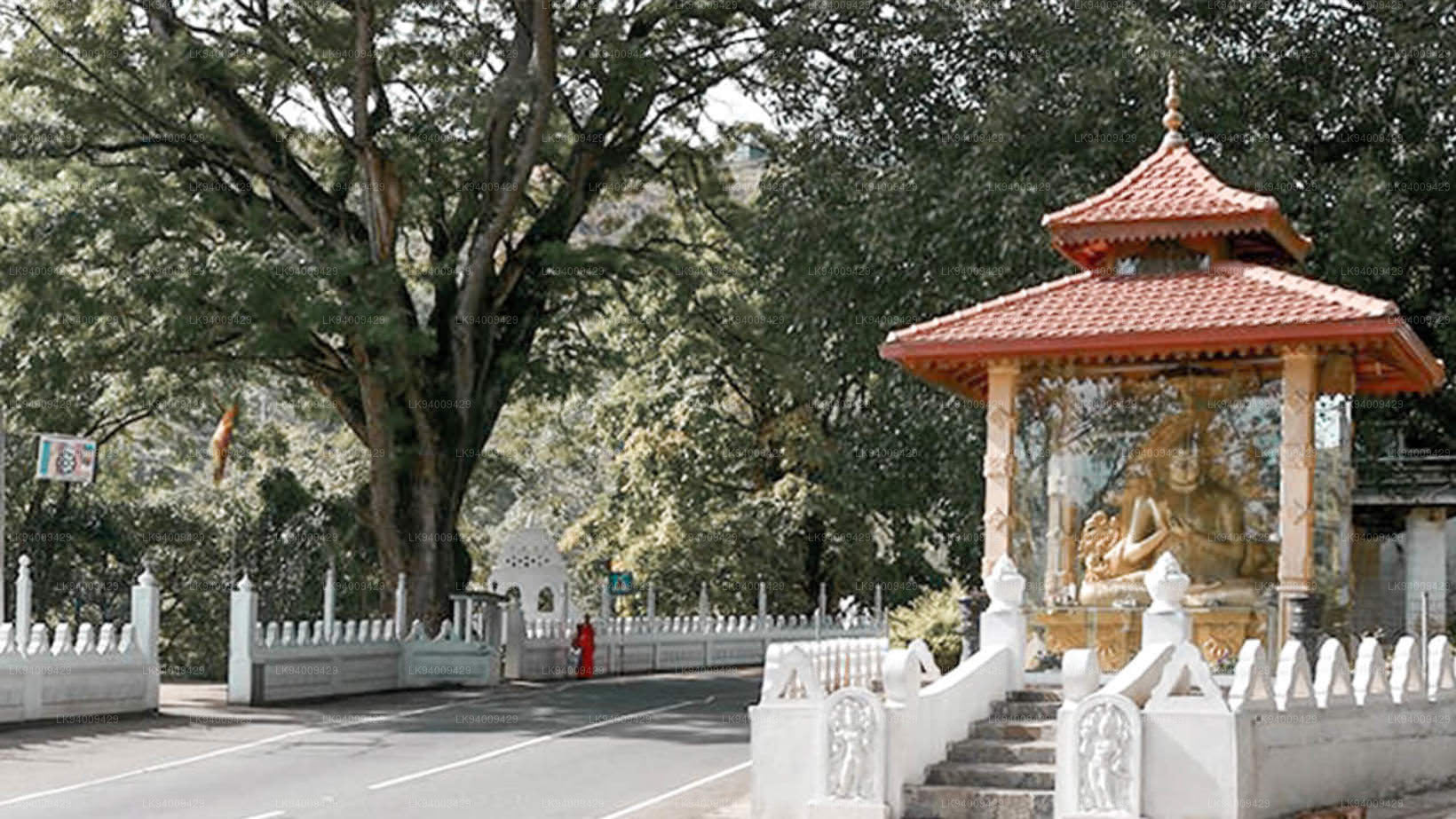
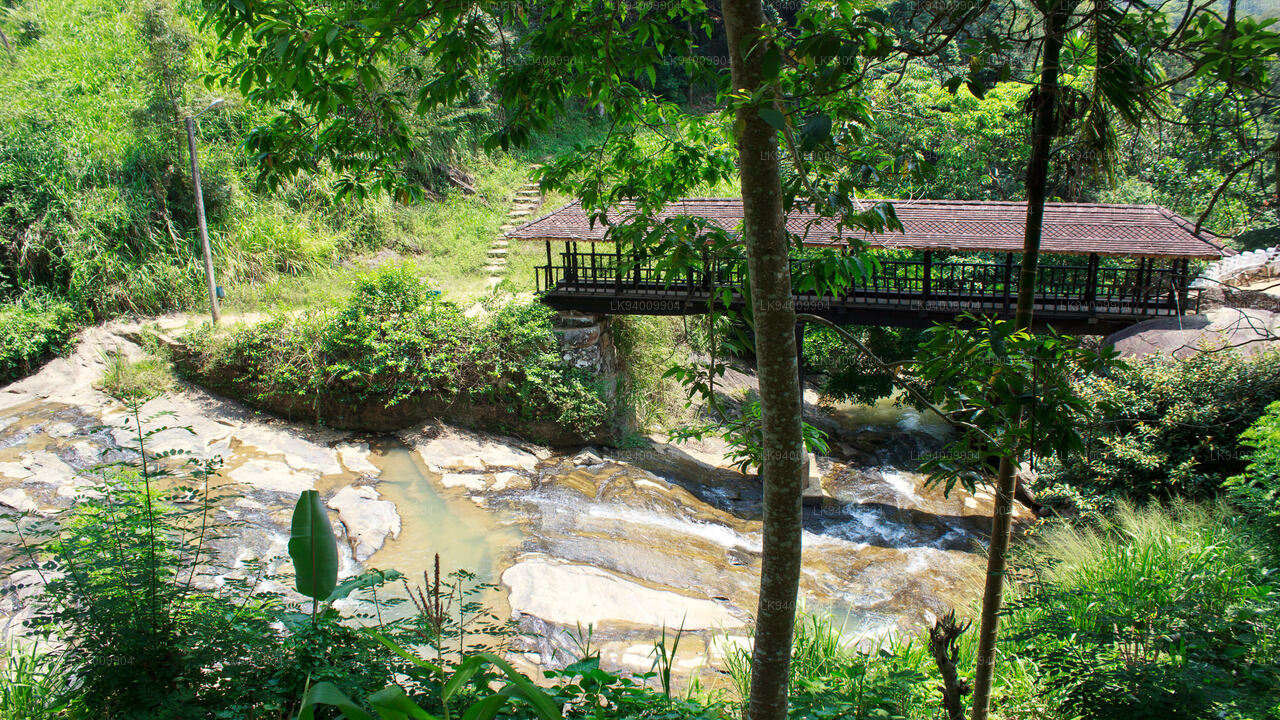
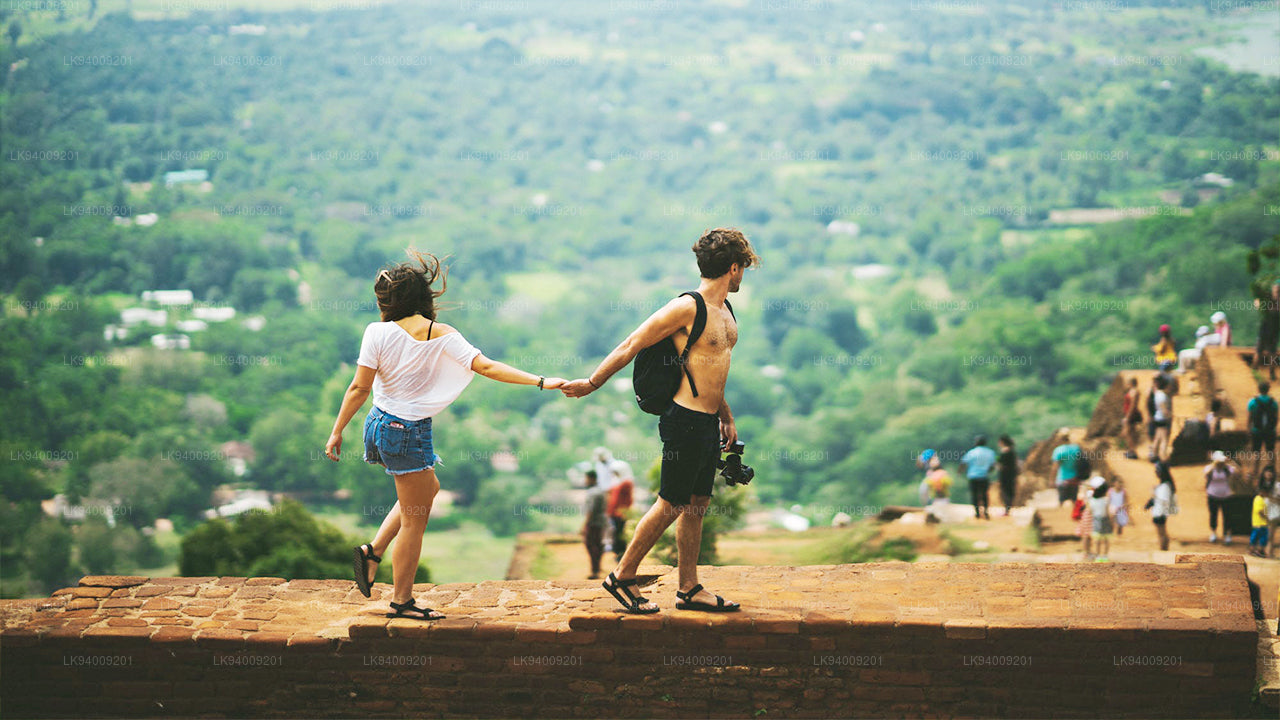
Diyatalawa sits at 1,281 metres in the Badulla District of Uva Province, tucked between the better-known hill stations of Ella and Haputale. Its Sinhala name translates loosely as "the watered plain" — an apt description for a highland bowl that receives dependable mist and rain throughout the year. Local holidaymakers have long come here for the cool air; increasingly, international travellers are pausing to explore it on the way through the central highlands.
What makes Diyatalawa different from other hill towns?
Unlike Nuwara Eliya or Kandy, Diyatalawa has never been a purely tourism-driven town. It grew as a British colonial garrison and remains home to major military institutions — the Sri Lanka Military Academy, the Army's officer training centre, and the Sri Lanka Air Force's ground combat training facility, SLAF Diyatalawa. That identity gives the town a calm, unhurried character: wide roads, orderly open spaces, and very little of the commercial bustle found elsewhere in the highlands.
The military presence also explains the town's best-known quirk: Fox Hill, called Nariya Kanda in Sinhala. British soldiers stationed here during the colonial era shaped a large fox image on the hillside using hundreds of rough quartz rocks — the figure is still visible from the railway station below. A second hill, Stag Hill (Gona Kanda), carries a similar rock-carved stag created in the same tradition. Neither can be found anywhere else in Sri Lanka.
What is the climate like in Diyatalawa?
The altitude keeps mean annual temperatures around 19 °C — noticeably cooler than the lowlands at any time of year. During the inter-monsoon months between December and February, nights can drop sharply and frost has been recorded on the highest surrounding slopes. Even in the warmest months, afternoons rarely feel uncomfortably warm, making the town well-suited for walking and outdoor activities. Pack a light fleece regardless of when you visit.
How do I get to Diyatalawa from Colombo?
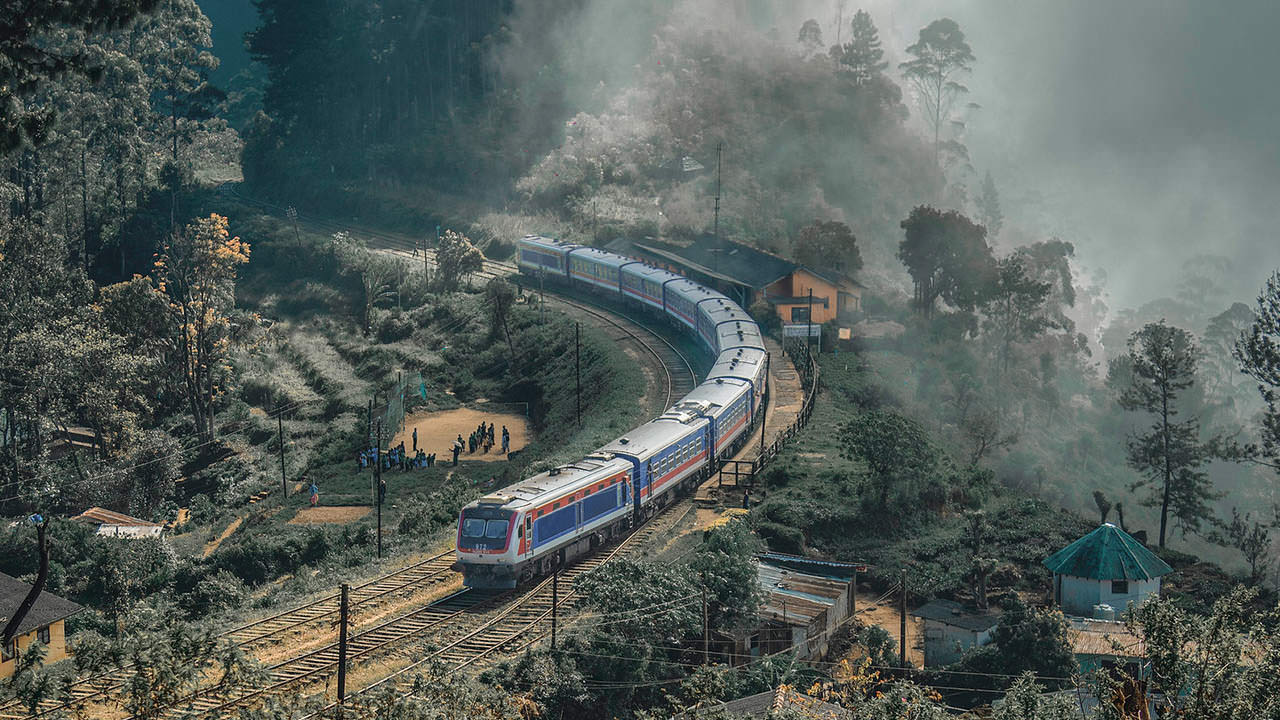
The most atmospheric route is by train. The Badulla line from Colombo Fort passes through Kandy and winds into the highlands via some of the most dramatic rail scenery in Asia — the stretch beyond Haputale, in particular, crosses steep ridges with panoramic views. Diyatalawa station is a request stop, so inform the guard before you board. The journey from Colombo takes roughly seven to eight hours depending on the service.
By road, Diyatalawa is around 200 km from Colombo via the A4 highway through Ratnapura and Beragala. The drive takes five to six hours in normal traffic. Private transfers are the most practical option if you are travelling with luggage or connecting from Bandaranaike International Airport — a door-to-door service avoids the need to change trains or buses at Haputale.
| Route | Approx. distance | Typical travel time |
|---|---|---|
| Colombo → Diyatalawa (train) | ~200 km | 7–8 hours |
| Colombo → Diyatalawa (road) | ~200 km | 5–6 hours |
| Haputale → Diyatalawa | ~8 km | 15–20 minutes |
| Bandarawela → Diyatalawa | ~12 km | 20–25 minutes |
What can I see and do in Diyatalawa?
The town rewards slow exploration on foot. The colonial-era bungalows, the neat garrison roads, and the misty ridgelines that close in around dusk give Diyatalawa a mood that is hard to find elsewhere in Sri Lanka. Specific things worth seeking out include:
- Fox Hill (Nariya Kanda): Walk or drive to a vantage point above the railway station to appreciate the full scale of the quartz fox carved into the hillside. Early morning light is best for photography.
- Stag Hill (Gona Kanda): The companion hill carries a rock-outline stag in the same British colonial tradition. The two hills together are a genuinely unusual piece of living history.
- Fox Hill Motocross: The Sri Lanka Military Academy hosts one of the country's premier motocross events here annually. If your dates coincide, it draws large crowds and is a high-energy spectacle.
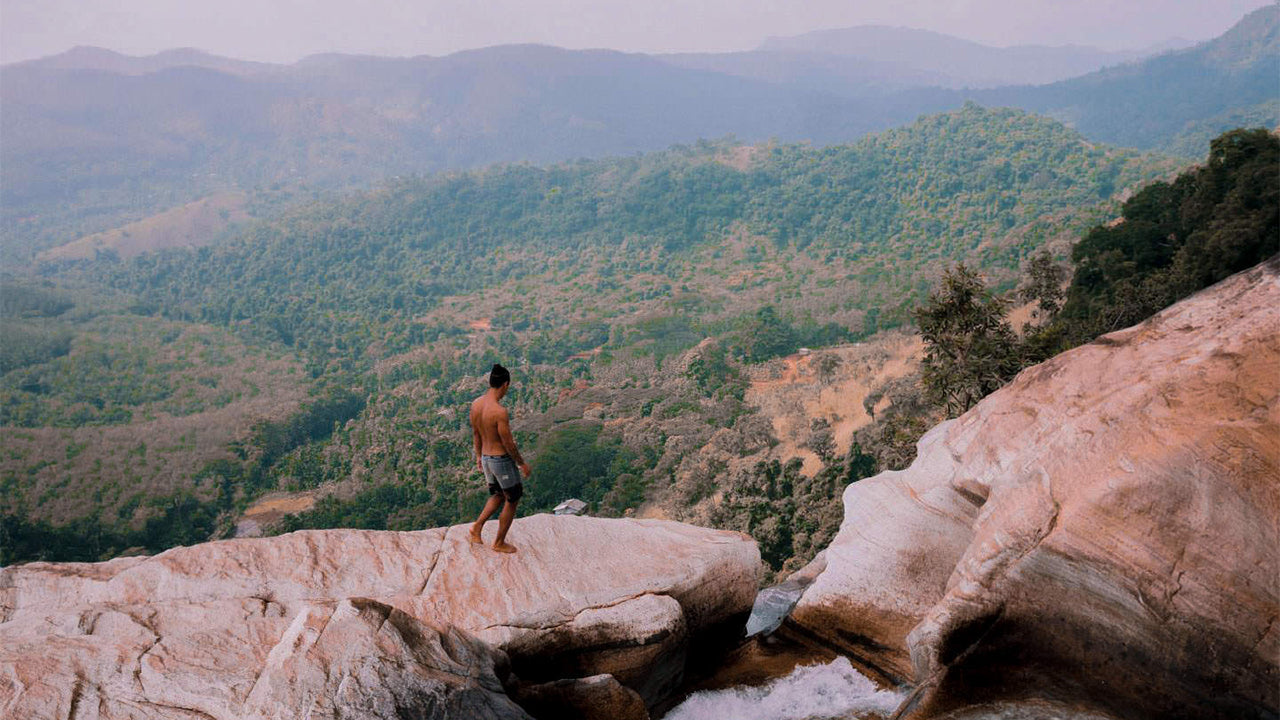
- Highland walking: The open terrain around Diyatalawa offers informal walking without the permit requirements of a national park. Paths lead through eucalyptus and pine plantations toward neighbouring ridges.
- Day trips: Haputale, Bandarawela, and the Horton Plains National Park are all within an hour's drive, making Diyatalawa a practical base for exploring the broader Uva highlands.
Where should I stay in Diyatalawa?
Accommodation in Diyatalawa is more limited than in Haputale or Bandarawela, but several guesthouses and small hotels occupy colonial-era properties that suit the town's unhurried pace. Mercury House is one of the better-known options, a heritage property that reflects the town's garrison history. Foxhill Resort offers a more resort-style experience with easy access to the motocross venue. For travellers who prefer broader choice, Bandarawela — about 12 km away — has a wider range of hotels.
Is Diyatalawa worth visiting for international travellers?
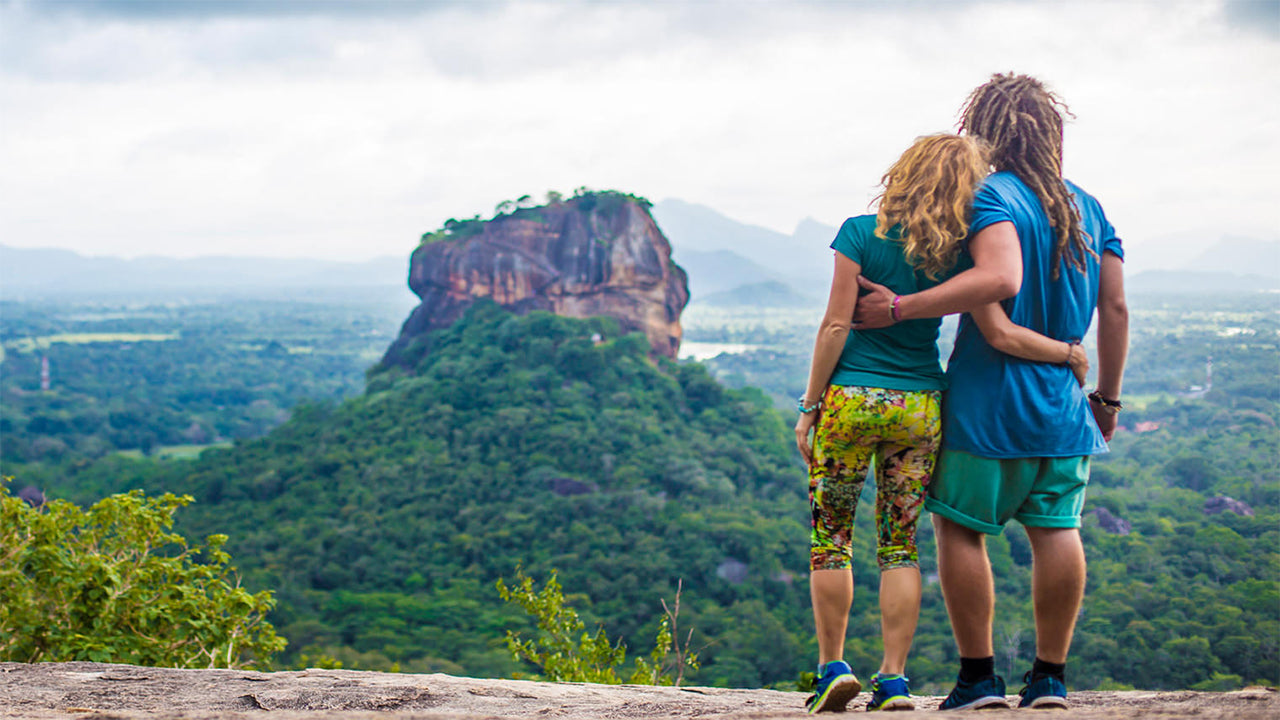
Diyatalawa is not a conventional highlight in the way that Sigiriya or Galle tends to be, but that is part of its value. Travellers who have done the main circuit and want to see a less-visited corner of the highlands — or who want genuine cold-air mountain time without the crowds of Nuwara Eliya — find it a satisfying detour. The rock-hill curiosities and the colonial garrison atmosphere are genuinely distinctive, and the train journey to get here is memorable in its own right.
It pairs naturally with Ceylon tea country: the estates around Haputale and Diyatalawa produce some of Sri Lanka's highest-grown teas, and several small factories welcome visitors during processing hours.
What are the best nearby day-trip destinations from Diyatalawa?
- Haputale: 8 km west; tea estates, the Adisham Bungalow, and views across southern Sri Lanka on clear days.
- Bandarawela: 12 km northeast; a pleasant market town with good restaurants and the famous Bandarawela Hotel.
- Horton Plains National Park: Around 50 km by road; World's End escarpment and cloud-forest walking trails.
- Ella: Around 25 km east; the Nine Arch Bridge and Little Adam's Peak draw visitors year-round.
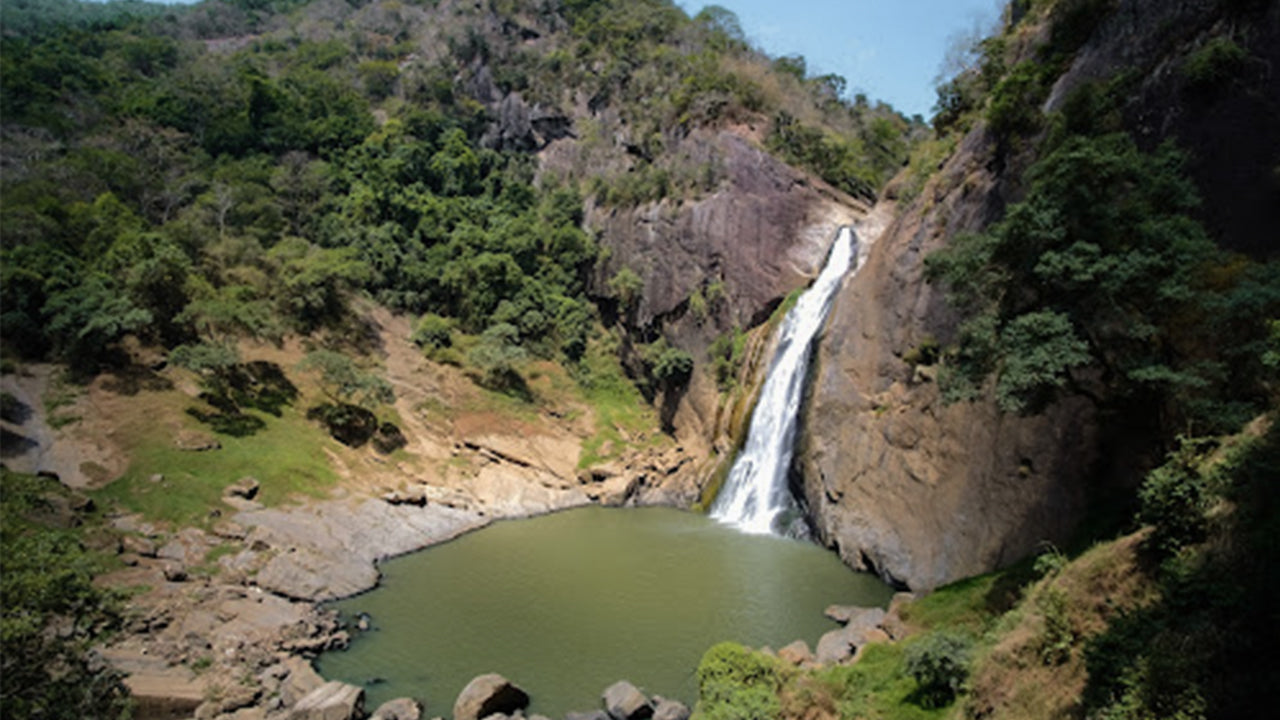
- Badulla: Around 35 km northeast; the provincial capital of Uva, with the Dunhinda Falls a short drive beyond.