موثيانغانا راجا ماها فيهارا


معبد موثيانغانا راجا مها فيهارا يقع في وسط مدينة بادولا. تاريخ هذا المعبد يعود إلى وقت بوذا ولكن هذه المنطقة حول بادولا (وخاصة مقاطعة أوفا) تعود إلى ما قبل القرن التاسع عشر والعشرين قبل الميلاد. كان الإمبراطور راوانا يحكم هذا البلد مع بادولا كعاصمته. كما يعتقد أن حرب راما وراوانا قد حدثت في هذه المنطقة. هناك العديد من الأماكن والأسماء التي تحدد هذه المنطقة كإحدى عواصم راوانا؛ سيثا إيليا، سيثا كوتوا، و راوانا إيلا كما هو موصوف في رامايانا. ويقال إن راوانا خسر الحرب وأخذ شقيقه المتمرد فيبيشانا العاصمة إلى كيلانيا بينما ضاعت أوفا تدريجيًا في التاريخ حتى القرن الخامس.
زار بوذا و500 من الأرهنت هذه الجزيرة للمرة الثالثة بدعوة من ملك الناجا مانياغخيتيتا إلى كيلانيا. خلال تلك الزيارة، جاء بوذا إلى بادولا بدعوة من الملك إنداكيا (الذي تم رفعه إلى مرتبة الإله) حاكم سلسلة جبال نمونوكولا. قام الملك إنداكيا ببناء ستوبا تحتوي على بعض شعر بوذا وموكتاكا داثو (قطرات العرق التي تحولت إلى لؤلؤ) في المكان الذي ألقى فيه بوذا خطبته. هذه هي بداية ستوبا موثيانغانا. ومنذ ذلك الحين تم توسيع هذا الستوبا والمعبد وإعادة بنائه من قبل العديد من الملوك.
إن التهورانا ذو التصميم الفريد المكون من ستة مستويات عند مدخل المعبد هو من فترة غير معروفة. يشمل المستوى الأول المدخل الرئيسي وفوقه في المستوى الثاني رأس ماكارا (التنين). على جوانب الرأس يوجد تمثالان للحراس وفي الزوايا تمثالان للأسود. في المستوى الثالث، يوجد تمثالان فامانا وعند الحافة يوجد تمثالان حيوانيان، ربما أسود. هذه التماثيل ليست واضحة مثل تماثيل الأسود في المستوى الثاني. في وسط المستوى الثالث، يوجد قاعدة مرتفعة تصل إلى المستوى الرابع عليها تمثالان من الثيران وخصائص هذه الثيران هي أنها مزينة ولها حدبات كبيرة. هذه الثيران هي ميزة من الهندوسية وهذه الميزة تشير إلى بعض التأثيرات الهندوسية في بناء هذه الهيكلية. وأخيرًا، في أعلى المستوى الخامس، يوجد تمثال لبوذا جالس. المخصص للمستوى الخامس هو تمثال بوذا. الطاووس في المستوى السادس يكمل مخطط الهيكل. عند المدخل يوجد مكارا التهورانا ملون. مباشرة فوق المدخل وتحت رأس التنين يوجد تمثال لميترى بوديساتفا. على الجانب الأيمن من بيت الصور يوجد تمثال للإله إنداكيا، حامي أرض موثيانغانا المقدسة وسلسلة جبال نمونوكولا. على اليمين يوجد تمثال لميترى بوديساتفا. بعد المرور ببيت الصور، تصل إلى الهيكل الأقدس في المعبد، الستوبا التي تحتوي على شعر بوذا وموكتاكا داثو. تم توسيع الستوبا الأول التي بناها الإله إنداكيا في القرن الخامس قبل الميلاد من قبل الملك ديفانامبياتيسا (150-210 قبل الميلاد) في عصر أنورادابورا.


Special places in Badulla
-
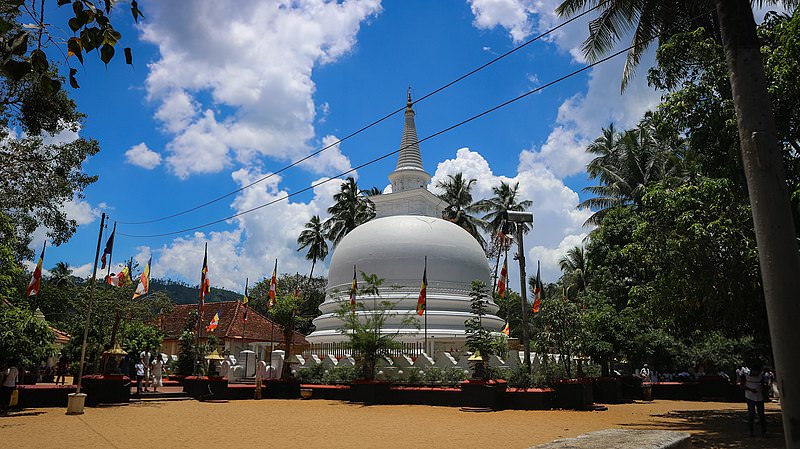 Muthiyangana Raja Maha Vihara
Muthiyanganaya Raja Maha Viharaya lies in the centre of the city of Badulla. The History of this temple goes back to the time of Buddha but this area around Badulla goes way back in to the time of 19th -18th century BCE.
-
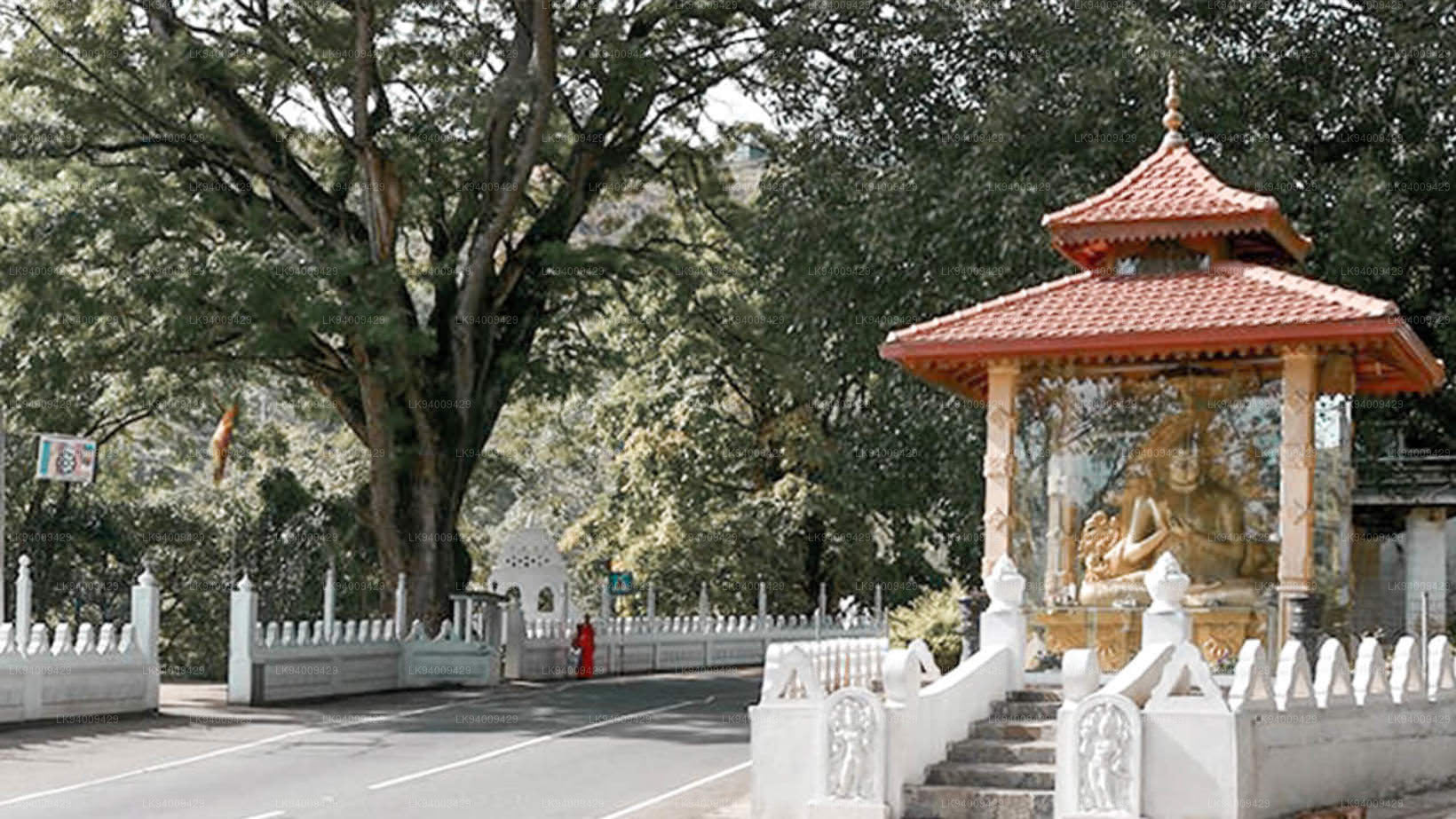 Dowa Raja Maha Viharaya
Dowa Raja Maha Viharaya (Dowa Cape Temple) lies few kilometres away from the Bandarawela town on the Bandarawela – Badulla Road. This temple is thought to be done by King Walagamba in the in first century BC.
-
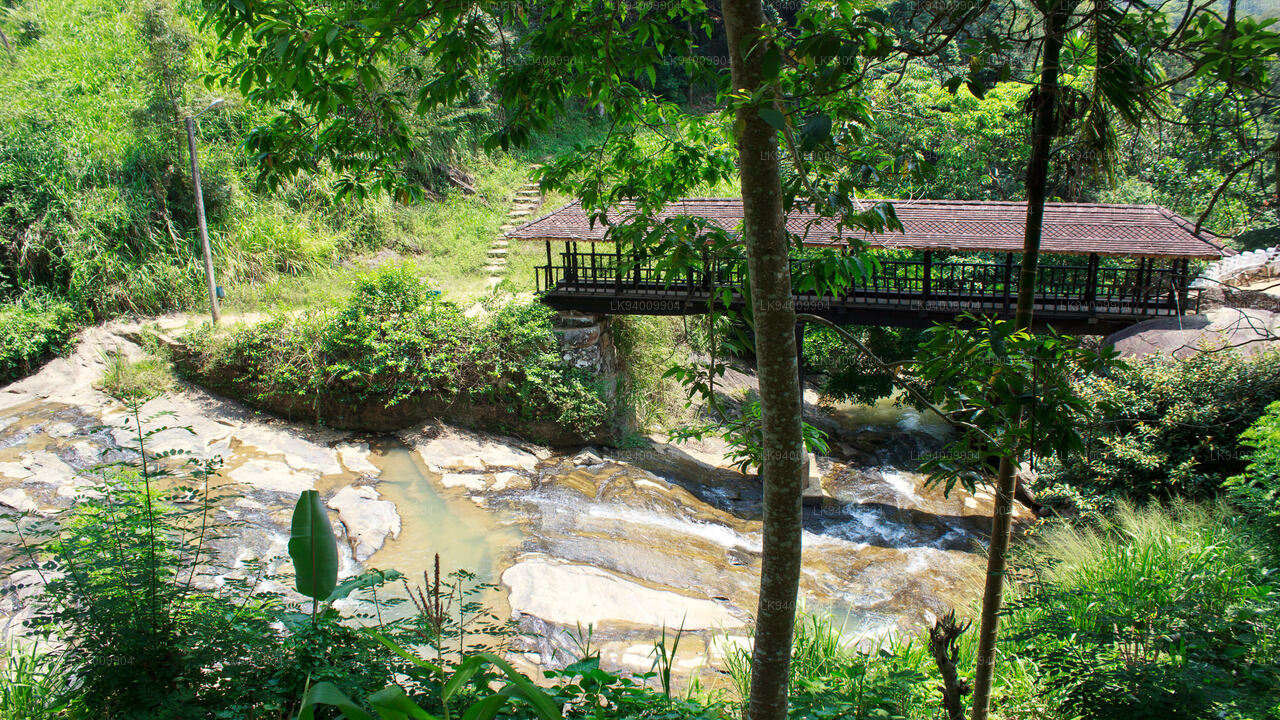 Bogoda Wooden Bridge
The Bogoda Wooden Bridge was built in the 16th century during the Dambadeniya era. This is said to be the oldest surviving wooden bridge in Sri Lanka. The bridge is situated at 7 kilometres (4.3 mi) west of Badulla.
-
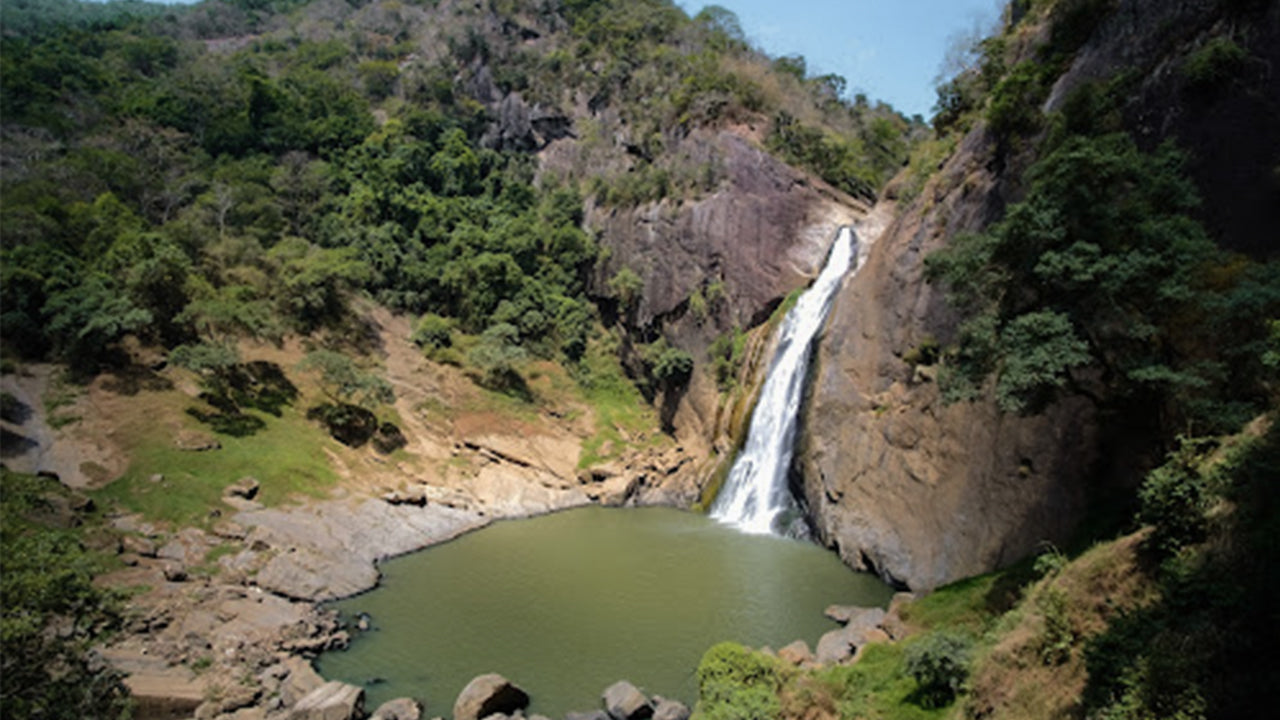 Dunhinda Falls
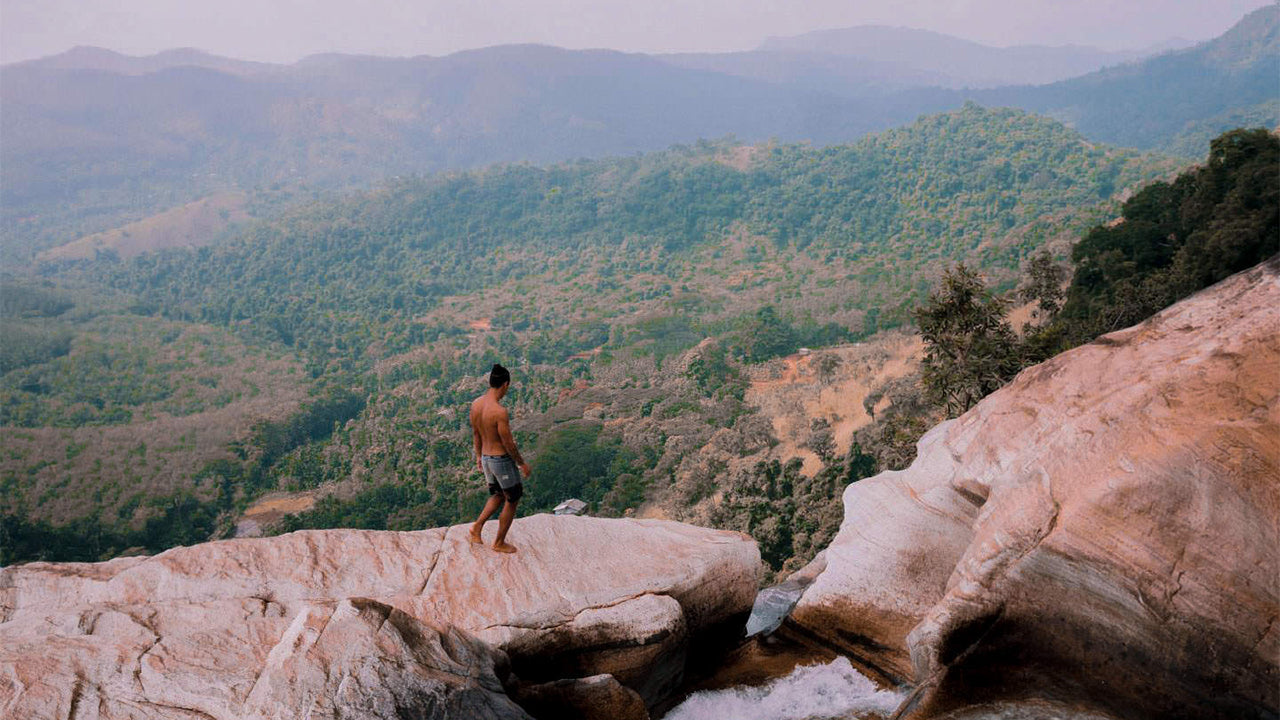
Dunhinda Falls is situated about 5 km away from Badulla town. It is 63 meters high and is considered to be one of the most beautiful waterfalls in Sri Lanka. The falls gets its name dew to the smoky dew drops spray.