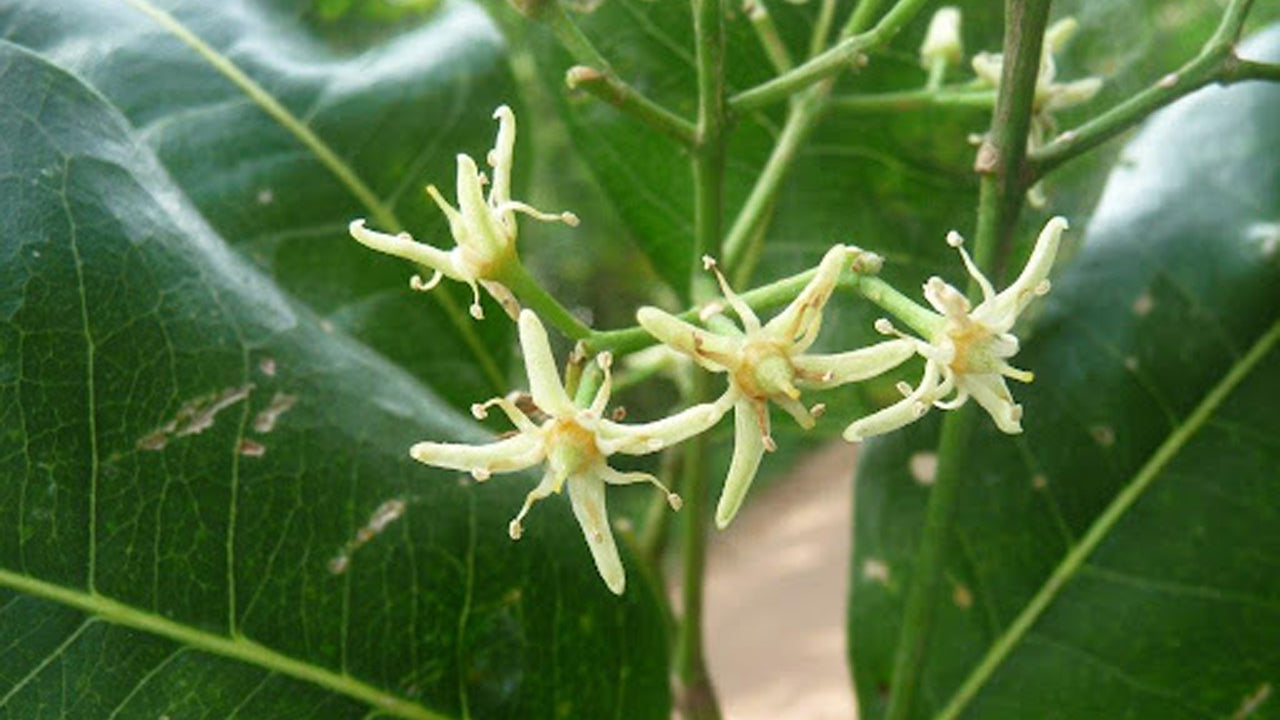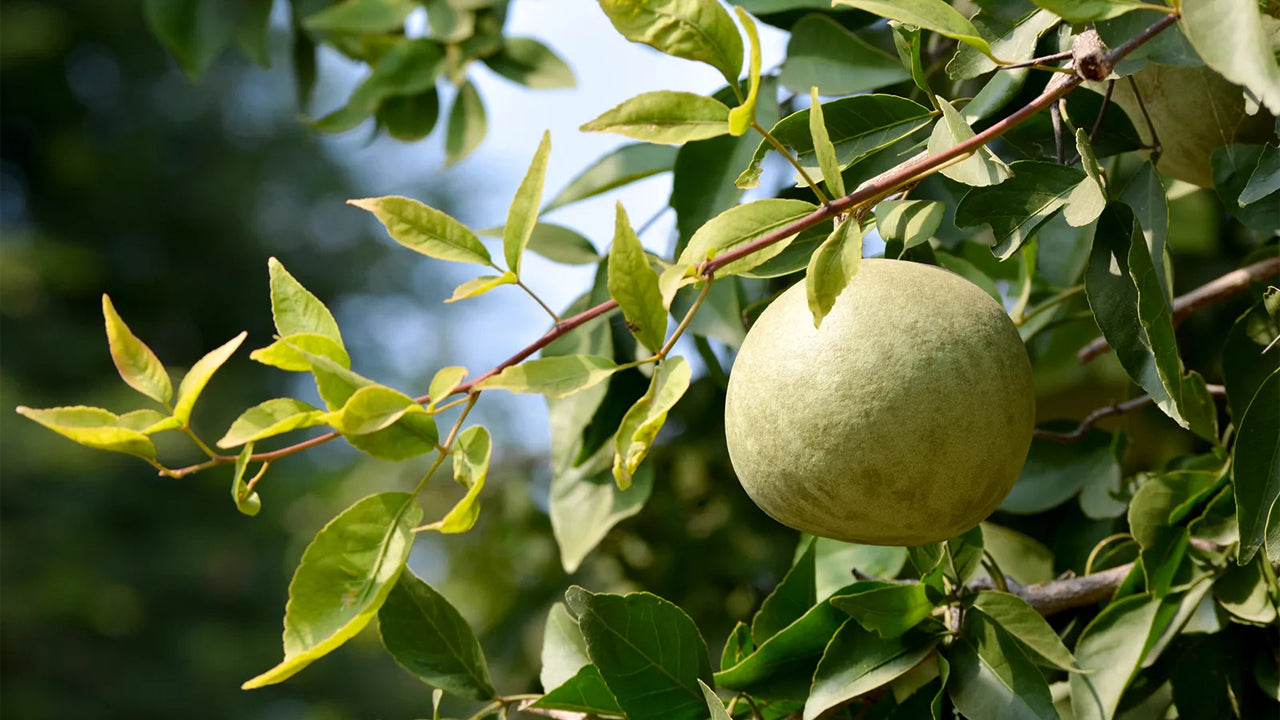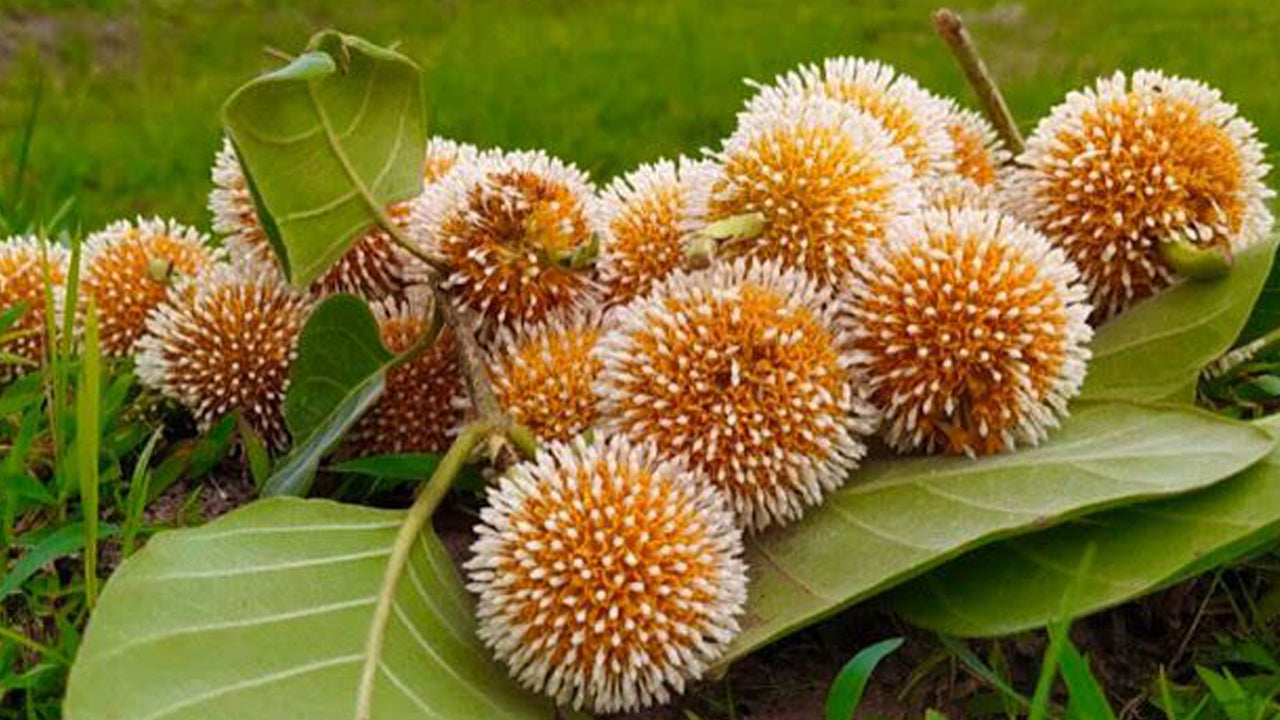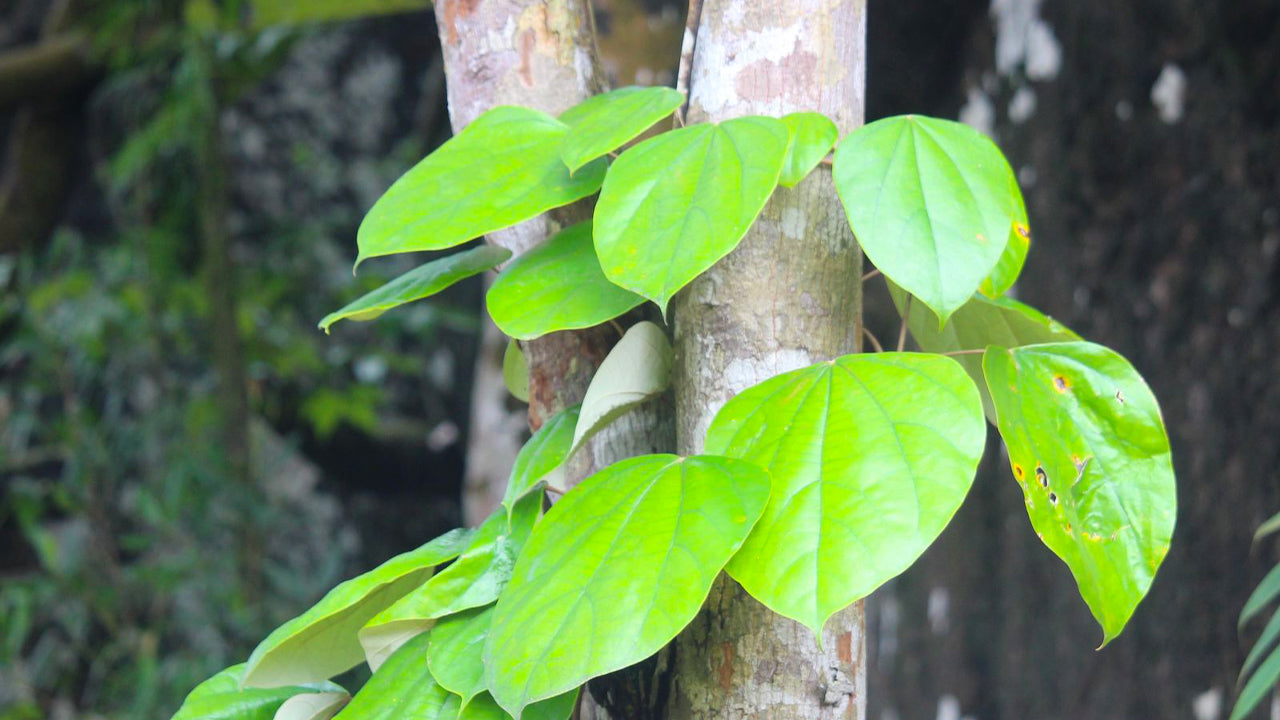
Trichosanthes cucumerina, commonly known as snake gourd or snake tomato, is a climbing vine belonging to the Cucurbitaceae family. Widely cultivated across tropical Asia, it holds a respected place in Sri Lanka's culinary traditions and its rich canon of Ayurvedic medicine. The plant is recognised in Sri Lanka's official catalog of ayurvedic medicinal plants under the reference LK94006631.
What does Trichosanthes cucumerina look like?
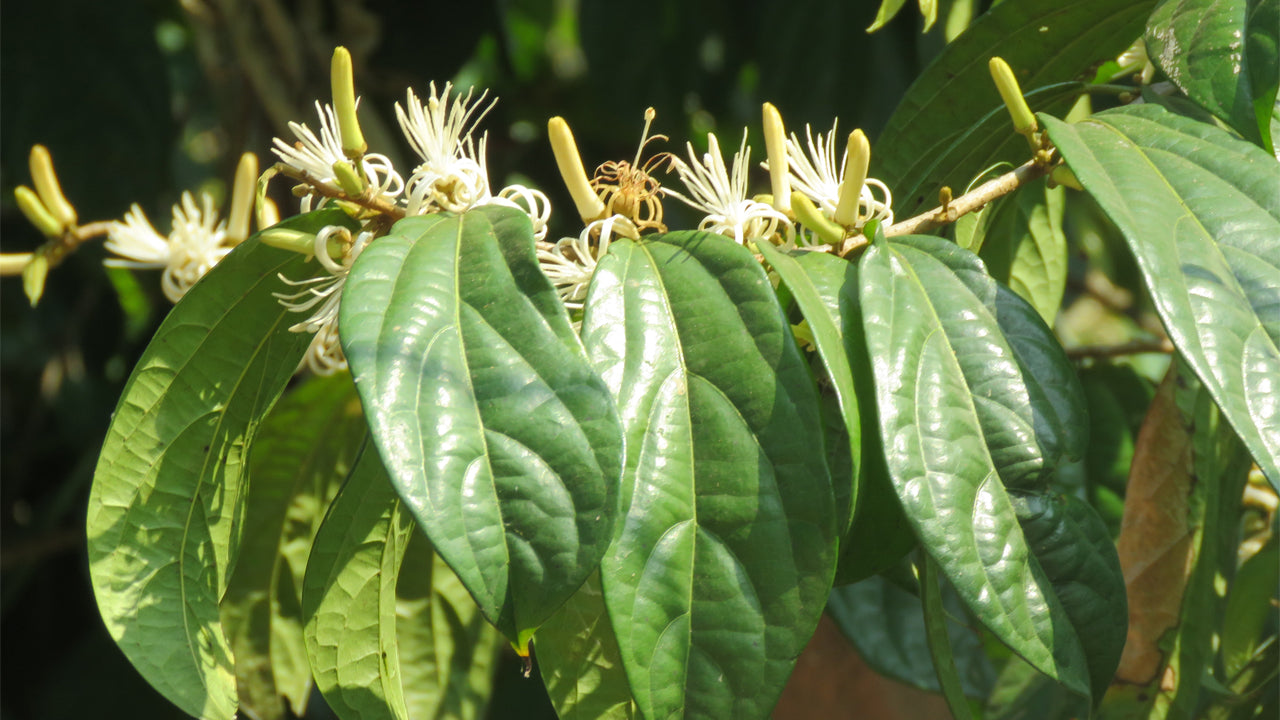
The plant is a fast-growing, tendril-bearing climber that can reach several metres in length when given adequate support. Its leaves are broadly ovate with a slightly rough texture, and the plant produces delicate, fringed white flowers that typically open in the evening. The fruit is the plant's most distinctive feature: a long, slender gourd that can grow anywhere from 30 cm to well over a metre in length, tapering to a curled tip — a characteristic that gives rise to the common name "snake gourd." Unripe fruits are pale green with faint white stripes; as they ripen, they turn a deep orange-red.
Where does snake gourd grow in Sri Lanka?
Trichosanthes cucumerina thrives in Sri Lanka's warm, humid lowland zones, where it is cultivated both in home gardens and on smallholder farms. It grows well in the wet and intermediate zones of the island, typically trained over trellises or fences. The plant prefers well-drained, loamy soils and plenty of direct sunlight. It is commonly found in villages across the Southern, North Western, and Sabaragamuwa provinces, often growing alongside other traditional food plants.
What are the traditional Ayurvedic uses of Trichosanthes cucumerina?
In Sri Lankan Ayurveda, virtually every part of the snake gourd plant has a documented application. Practitioners have used it for centuries as part of compound formulations targeting digestive complaints, fever, and skin conditions.
- Fruit: The unripe fruit is considered cooling in Ayurvedic constitution theory. It is used to support digestion and as a mild laxative. Juice from the fruit is applied in some traditional preparations for jaundice and bilious disorders.
- Leaves: Leaf extracts are used in poultices for skin inflammations and are included in preparations aimed at reducing fever.
- Seeds: The seeds contain fixed oils and have been incorporated into formulations addressing respiratory conditions including chronic cough.
- Roots: Root decoctions appear in traditional texts as a treatment for alopecia and scalp conditions.
- Stem: The aerial parts of the stem are used in some regional preparations targeting urinary tract discomfort.
These applications align with the broader Ayurvedic principle of using plants whose qualities counterbalance specific doshic imbalances. Snake gourd is generally classified as having bitter and astringent tastes, with a light, dry quality that makes it relevant to pitta-pacifying regimens.
What active compounds are found in snake gourd?
Phytochemical studies have identified a range of biologically active constituents in Trichosanthes cucumerina. The fruit contains cucurbitacins — a class of triterpenoids that confer bitterness and have been studied for their cytotoxic and anti-inflammatory properties. The plant also yields flavonoids, alkaloids, and saponins, as well as vitamin C and beta-carotene, particularly in the ripe red fruit. Researchers have noted antioxidant and hypoglycaemic activity in various extracts, though clinical evidence in humans remains limited and ongoing study is warranted before drawing firm therapeutic conclusions.
How is snake gourd used in Sri Lankan cooking?
Beyond its medicinal reputation, Trichosanthes cucumerina is a staple vegetable in everyday Sri Lankan cooking. The young, unripe fruit is the part most commonly eaten. It is typically sliced and cooked as a curry — often with coconut milk, turmeric, and mustard seeds — or stir-fried with onions and Ceylon black pepper. The mild, slightly bitter flavour absorbs spices readily, making it a versatile ingredient in both wet and dry preparations. Seed pulp from ripe fruits is sometimes used as a natural colouring agent in rice dishes, imparting a vivid orange-red hue. In rural households, the ripe fruit is occasionally made into a jam-like preserve.
How does snake gourd fit into Sri Lanka's broader medicinal plant heritage?
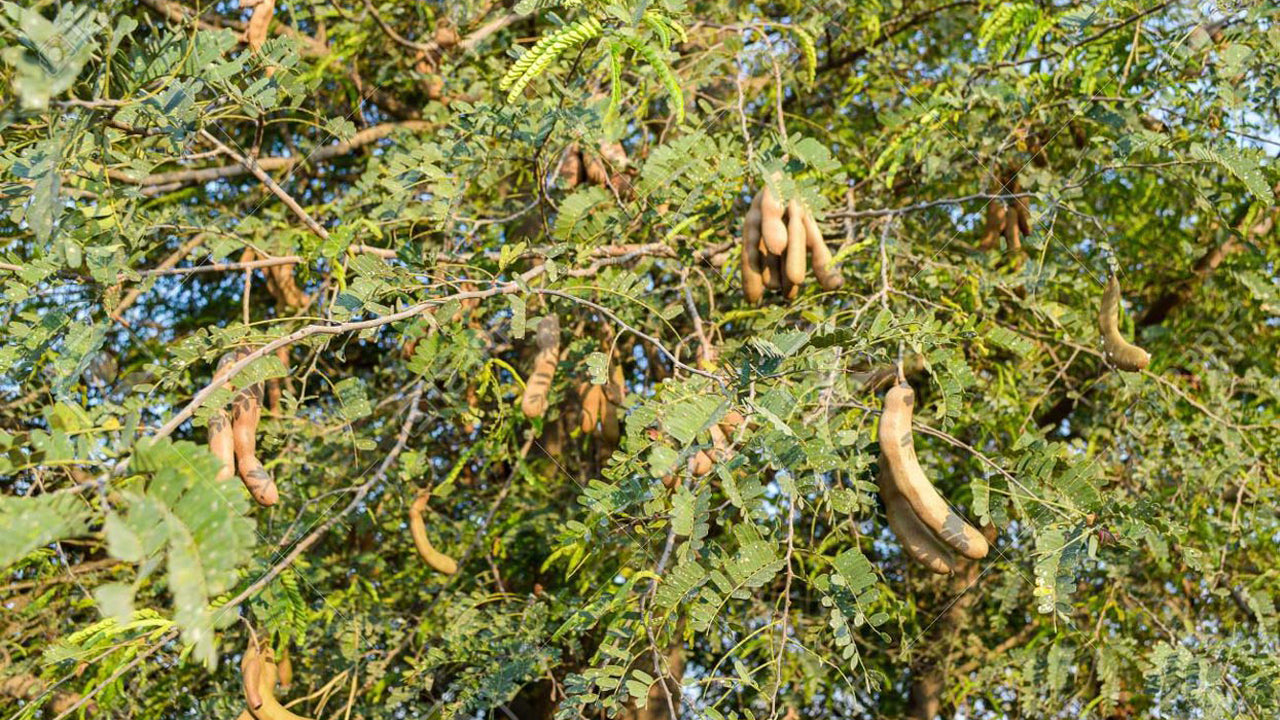
Sri Lanka's biodiversity supports one of the richest traditions of plant-based medicine in South Asia, with thousands of species catalogued in the ayurvedic materia medica. Trichosanthes cucumerina sits alongside other well-documented medicinal plants such as Pongamia pinnata and Acacia chundra in this tradition. The island's state-supported Ayurveda system maintains formal registries of such plants, and practitioners trained in the traditional Deshiya Chikitsa (indigenous medicine) system continue to prescribe snake gourd preparations. Government institutions and research universities in Sri Lanka have conducted pharmacological studies on the plant in recent decades, reflecting a sustained academic interest in validating traditional knowledge.
Is Trichosanthes cucumerina the same as the bitter gourd?
No. Although both belong to the Cucurbitaceae family and are used in South Asian medicine, snake gourd (Trichosanthes cucumerina) and bitter gourd (Momordica charantia) are distinct species. Bitter gourd is notably more bitter and is more widely recognised internationally for its role in blood-sugar management research. Snake gourd has a subtler bitterness, a markedly different shape, and a somewhat different pharmacological profile. In Sri Lankan vernacular, snake gourd is called pathola in Sinhala, while bitter gourd is known as karawila — a distinction that is clear to any local cook or practitioner.
What should travellers to Sri Lanka know about medicinal plants like snake gourd?
Visitors with an interest in traditional medicine can encounter snake gourd in local markets, village gardens, and the herb gardens maintained at Ayurvedic resorts across the island. Spice and herb garden tours — particularly in the Kandy region and in the Sinharaja Forest Reserve buffer zone — sometimes include demonstrations of how plants like Trichosanthes cucumerina are processed and used. For those planning a journey through Sri Lanka's cultural and natural landscape, engaging with the island's plant heritage offers an additional layer of understanding that goes well beyond the conventional itinerary.