想买火车票吗?

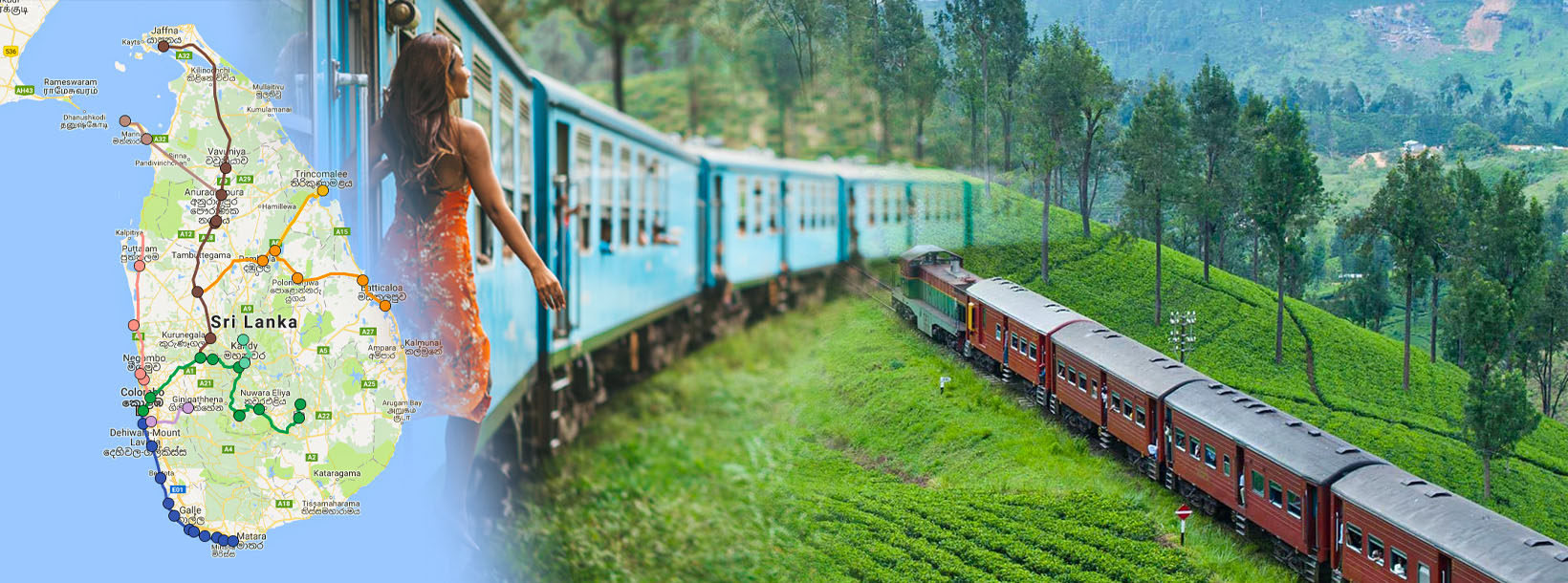
斯里兰卡的观光火车之旅是每位游客都不容错过的体验——沿途令人叹为观止的美景将为您留下终生难忘的回忆。然而,由于需求旺盛且车票有限,在旅游旺季预订车票可能极其困难。我们深知这次旅行对您意义非凡,因此我们竭诚为您提供帮助。作为一家在斯里兰卡注册的旅行社,我们拥有强大的行业资源,可以尽力为您预订车票。如果您需要任何帮助,请随时与我们联系。

Train Stations

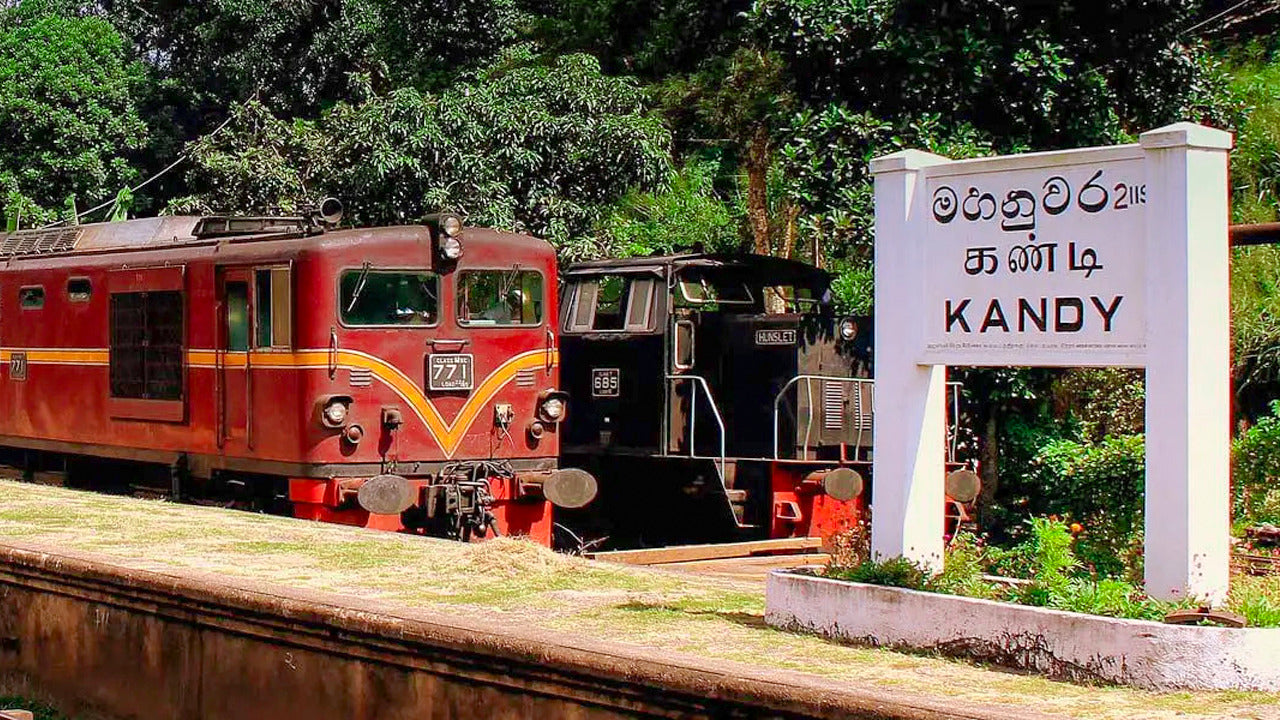
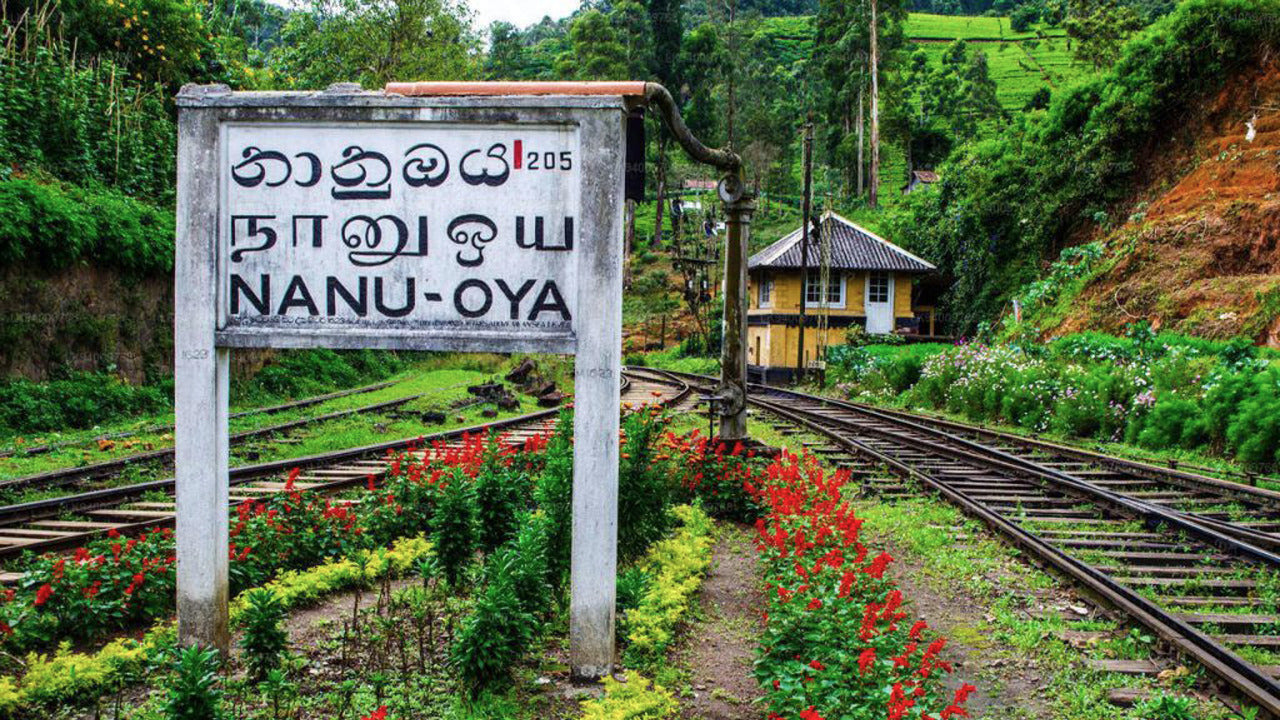
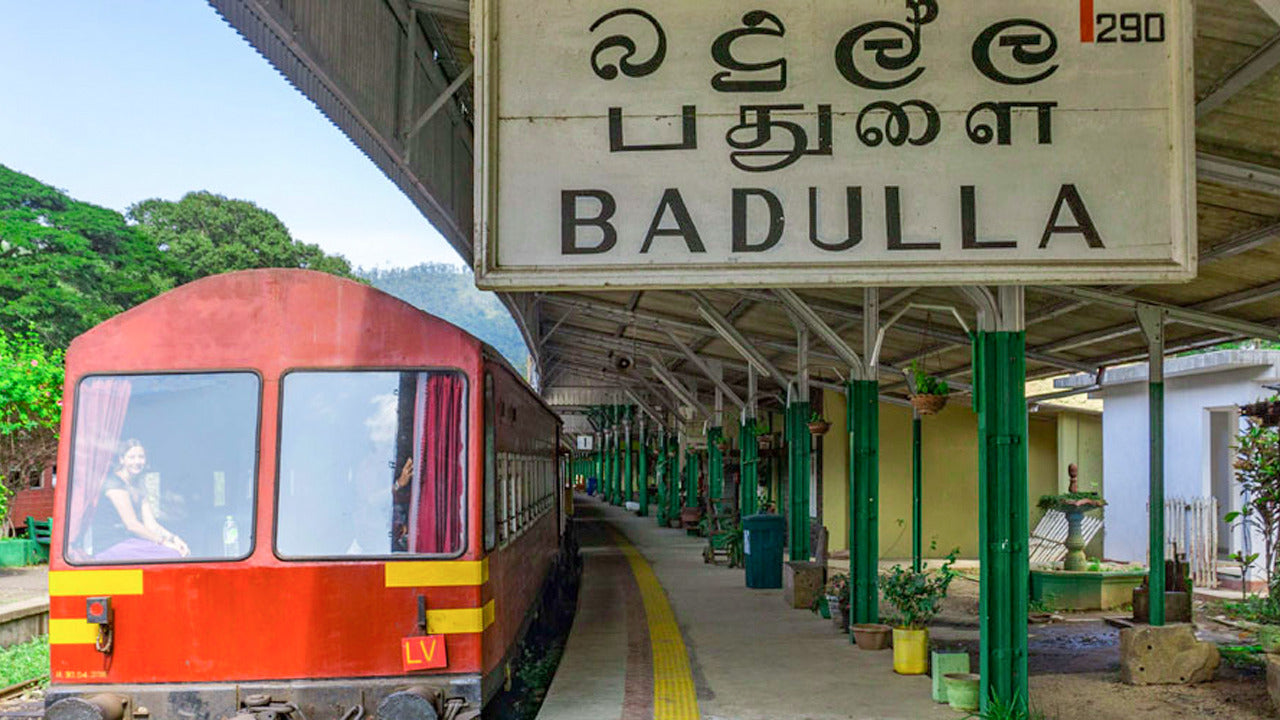
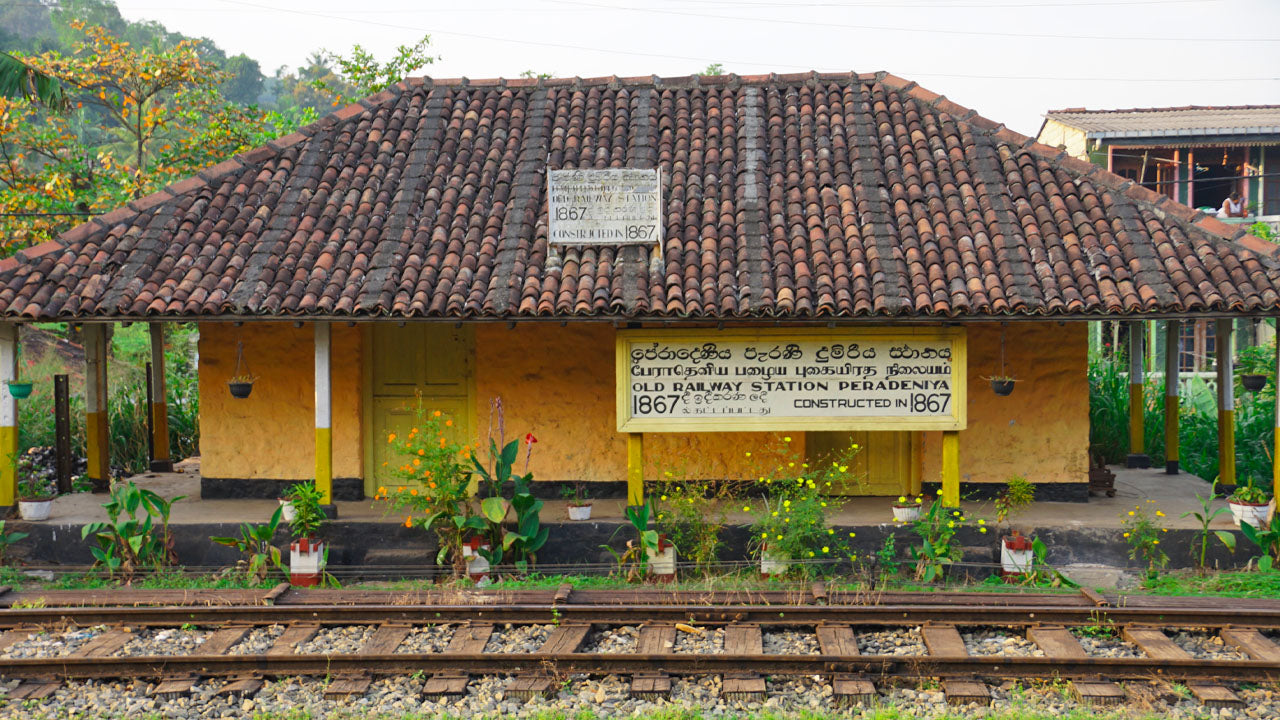
History of the Sri Lanka railway: Sri Lanka Railways, or Ceylon Government Railway, was conceived in the 1850’s as an instrument to develop and unify the country. The 1st sod of the Sri Lanka Railways was cut by Sir Henry Ward, the Governor, in August in 1858. The Railway Network was introduced by the British in 1864 and 1st train ran on 27th December 1864, with the construction of the Main Line from Colombo to Ambepussa, 54 kilometers to the east. This line was officially opened for traffic on 2nd October 1865. The Railway extended and developed it’s network and in 1927, a total route length of 1530 km was in operation. The Main Line was extended in stages, with service to Kandy in 1867, to Nawalapitiya in 1874, to Nanu-Oya in 1885, to Bandarawela in 1894, and to Badulla in 1924. Other lines were completed in due course to link the other parts of the country, the Matale Line in 1880, the Coast Line in 1895, the Northern Line in 1905, the Mannar Line in 1914, the Kelani Valley Line in 1919, the Puttalam Line in 1926, and the Batticaloa and Trincomalee Lines in 1928.

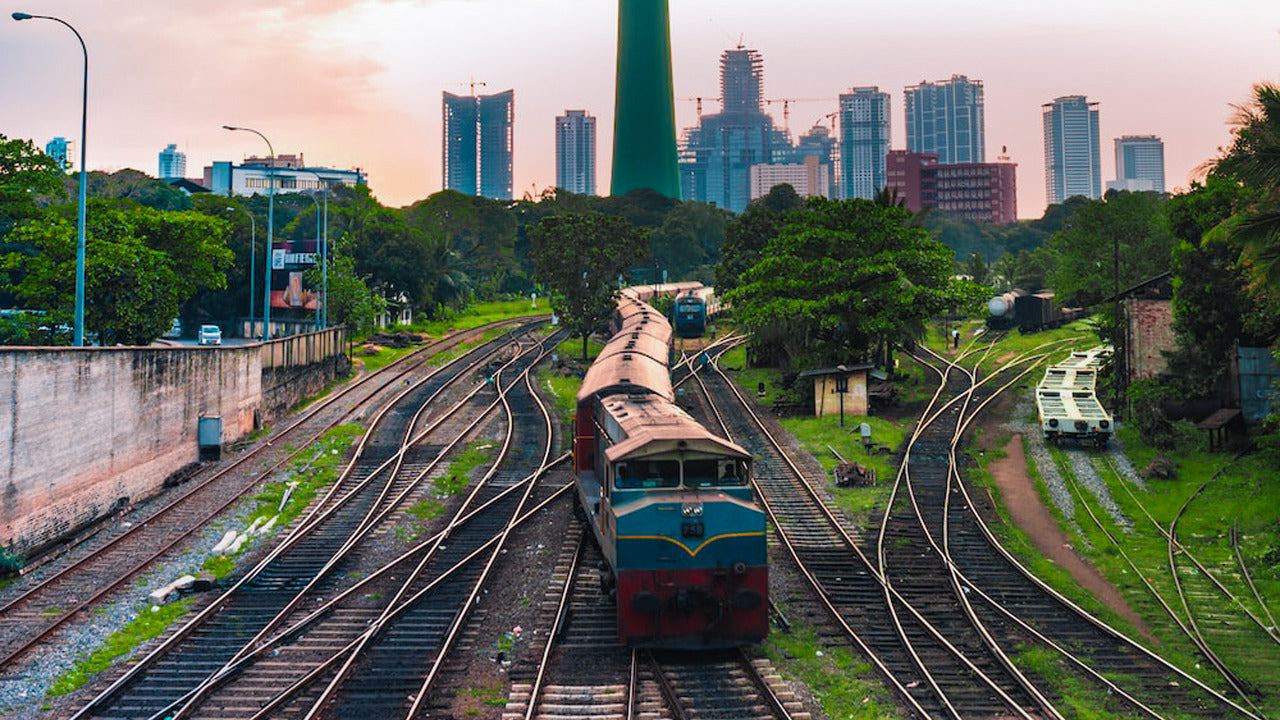
The Railway was initially built to transport coffee and tea from the hill country to Colombo for export and was for many years, the main source of income. With population growth, however, passenger traffic increased and in the 1960’s overtook freight as the main source of business. The Railway is now primarily engaged in the transport of passengers, especially commuters to and from Colombo, offering a vital service and reducing road congestion.

1 / 4