Shankari Devi Shakthi Peetam

Shankari Devi Shakthi Peetam Shankari Devi Shakthi Peetam Shankari Devi Shakthi Peetam

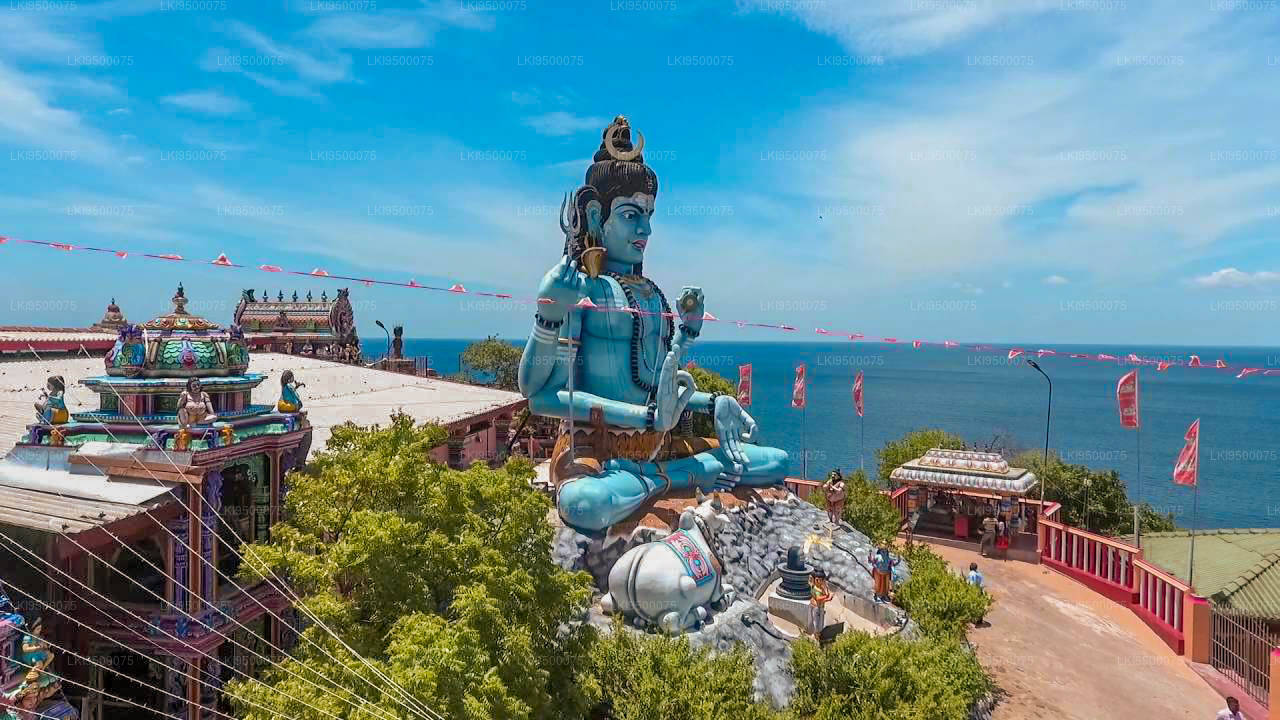
Shankari Devi temple in Tricomalee, Srilanka is a prominent temple for Hindus. But, it is most rarely visited and it is very least popular in all AstavaDasha Shakti peethas. Shanakri Devi Temple is situated in an east coast town of Srilanka, Tricomalee (Tri – Cona – Malai = a triangular hill).

Along with the temple of Shaankari Devi, there is a temple of Lord Shiva – TRIKONESHWARA Temple.

Portuguese people demolished these temples in 17th century.

About Temple

Koneswaram temple also Thirukoneswaram is a Hindu temple which is located in the town Trincomalee, Sri Lanka. It is dedicated to main deity in Shaivism namely Lord Siva and is one of the five ancient Sivan templearound the island.

Trincomalee is a natural deep-water harbor that attracted great sea farers like Marco Polo, Ptolemy and sea traders from China and East Asia from the ancient times. The local name Thirukonamalai means "Holy East Hill". Kona is a derivative of the 1st Century Tamil word Kuna meaning East. Trinco as it is commonly called has been a sea port since the days of the ancient Kings and one of the British Empire's most important ports in Asia during the second world war. From 1941-45, Trinco had been the headquarters of Lord Louis Mountbatten Allied Southeast Asia commander. The Koneswaram temple is believed to have been a major religious shrine since before the arrival of Prince Vijaya 2500 years ago. Many inscriptions found in the surrounding area speak of Indian Pallava, Chola and even Pandya kings making contributions to the upkeep of the temple indicating an origin in antiquity. Local legend has it that it was renovated by a Tamil Chola king from South India named Kulakottan. This temple is one of the four important Saivite temple connected to the revival of Hinduism in Sri Lanka. The other three temples are situated in Ketheeswaram, Munneswaram and Galle

There is evidence that indicates at least some of the later Sinhalese Buddhist kings too maintained the temple although Buddhist King Mahasena was reported to have destroyed it and built a Buddhist temple and Dagoba in its place.

This shrine was demolished in 1622 by the Portuguese (who called it the Temple of a Thousand Columns), who fortified the heights with the materials derived from its destruction. Some of the artefacts from the demolished temple were kept in the Lisbon Museum. The stone inscription by Kulakottan has a dual fish emblem and is engraved with a prophesy stating that after 1500s, westerners with different eye colors will rule the country for the ensuing 500 years and at the end of it, the rule will revert back to Vadugus. Trincomalee was next held by the Dutch and subsequently by them and the French alternately, till the capture of Sri Lanka by the British in 1795.

The hill face is rugged and is called 'Ravanan Veddu'. As Trinco is full of seismic and volcanic activity as seen in Kanniya Hot Springs area, this rugged face of rock is a reminder of the movement of Earth's crust in this ar

关于亭可马里区

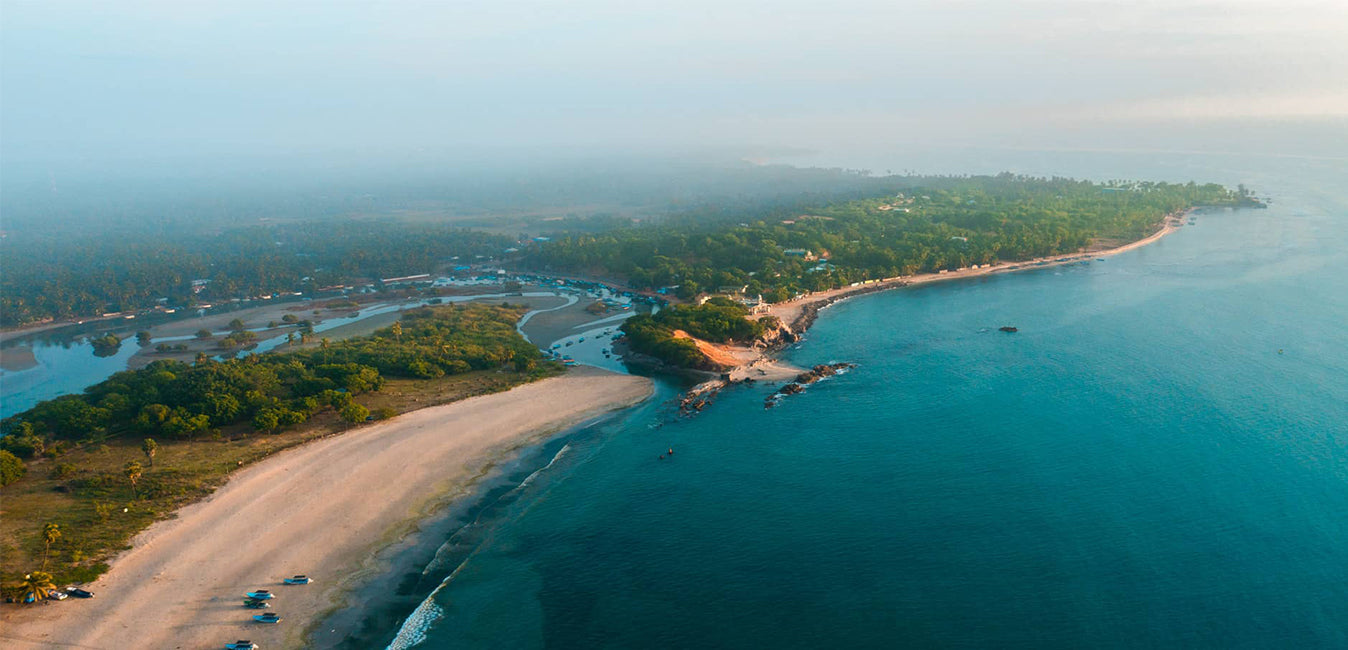
亭可马里是斯里兰卡东海岸的一座港口城市。亭可马里湾以其宽阔的港湾和安全的港湾而闻名;与印度洋其他港口不同,它在任何天气条件下都可供各种类型的船只通行。海滩是冲浪、潜水、钓鱼和观鲸的理想场所。该市还拥有斯里兰卡最大的荷兰堡垒。这里也是斯里兰卡主要海军基地和空军基地的所在地。

大多数泰米尔人和僧伽罗人认为这片土地对他们来说是神圣的,他们是该地区的土著居民。亭可马里及其周边地区拥有许多具有重要历史意义的印度教和佛教遗址。这些遗址对印度教徒和佛教徒来说都是神圣的。

关于东部省

东部省是斯里兰卡的九个省之一。这些省份自19世纪就已存在,但直到1987年斯里兰卡宪法第十三修正案(1978年宪法)设立省议会后,才获得法律地位。1988年至2006年间,该省曾与北部省暂时合并,组成东北省。省会为亭可马里。2007年,东部省人口为1,460,939。该省是斯里兰卡种族和宗教最多元化的省份。

东部省面积为9,996平方公里(3,859.5平方英里)。该省北邻北部省,东临孟加拉湾,南接南部省,西与乌瓦省、中央省和北中省接壤。该省的海岸线以泻湖为主,其中最大的泻湖有:巴蒂卡洛阿泻湖、科基莱泻湖、乌帕尔泻湖和乌拉卡利泻湖。