穆提扬加那拉贾摩诃毗诃罗


穆蒂扬加纳·拉贾·马哈·维哈拉 位于 巴杜拉 市中心。该寺的历史可以追溯到佛陀时代,但巴杜拉周边地区(特别是 乌瓦省)的历史可以追溯到公元前19世纪至18世纪。帝王拉瓦纳以巴杜拉为首都统治这个国家。还相信,拉玛与拉瓦纳的战争发生在这个地区。许多地方和名字都将这个地区识别为拉瓦纳的一个首都;西塔·艾利亚、西塔·科图瓦 和 拉瓦纳·艾拉,如 《罗摩衍那》 中所描述的。传说拉瓦纳最终战败,他的背叛兄弟维比沙纳将首都迁往 凯拉尼亚,乌瓦逐渐在历史上消失,直到公元5世纪。
佛陀和500名阿拉汉应纳迦王马尼阿基塔的邀请第三次访问此岛,并来到 凯拉尼亚。在这次访问中,佛陀应今达卡王(现在被尊为神)的邀请来到了巴杜拉,他是纳木努库拉山脉的统治者。今达卡王建造了一座包含佛陀一些头发和穆克塔卡·达图(汗水滴变成珍珠)的舍利塔,这里也是佛陀讲法的地方。这就是 穆蒂扬加纳舍利塔 的诞生。此后,这座舍利塔和寺庙被许多国王扩建、重建和修复。
托拉那 是寺庙入口的一个独特设计,分为六个层次,来源尚不明确。第一层包括主入口,第二层上方是典型的 马卡拉(龙头)。头部两侧有两位守护神像,角落里有两只狮子像。第三层有两只 瓦玛那 形象,边缘有两只动物,可能是狮子。这些形象不像第二层的狮子形象那么清晰。第三层中央有一个高台,直到第四层,台上有两只公牛,特别之处在于它们被装饰,并且有大隆起。这种公牛是 印度教 的特征,这一特征表明印度教在这座结构物的建造中有一定影响。最后,在第五层的顶端是坐着的佛像。第五层专门为佛像而设。第六层的孔雀完善了这座结构的轮廓。入口处有一座色彩斑斓的 马卡拉·托拉那。在入口上方、龙头下方,有一尊迈特瑞·菩萨像。在图像馆的右侧是守护穆蒂扬加纳圣地和纳木努库拉山脉的神像——因达卡神像。右边是迈特瑞·菩萨的像。通过图像馆后,您将到达寺庙最神圣的结构——舍利塔,这里存放着佛陀的头发和穆克塔卡·达图。最初由因达卡神于公元前5世纪建造的舍利塔,后来由德瓦南皮亚蒂萨国王(公元前150-210年)在 阿努拉陀普罗时代 扩建。


Special places in Badulla
-
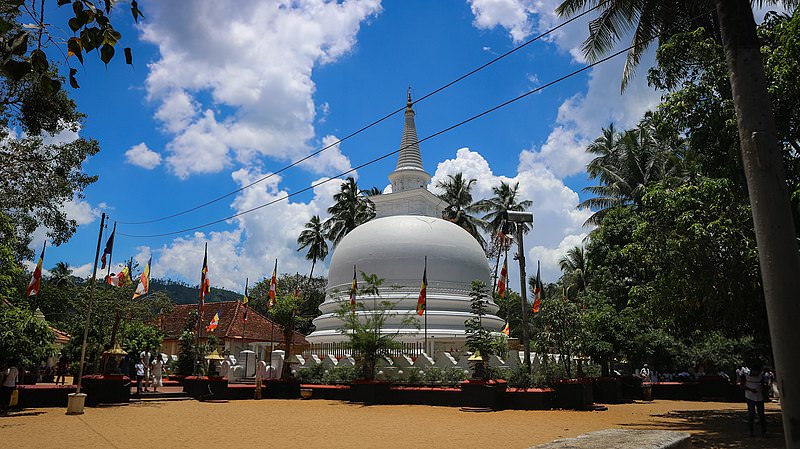 Muthiyangana Raja Maha Vihara
Muthiyanganaya Raja Maha Viharaya lies in the centre of the city of Badulla. The History of this temple goes back to the time of Buddha but this area around Badulla goes way back in to the time of 19th -18th century BCE.
-
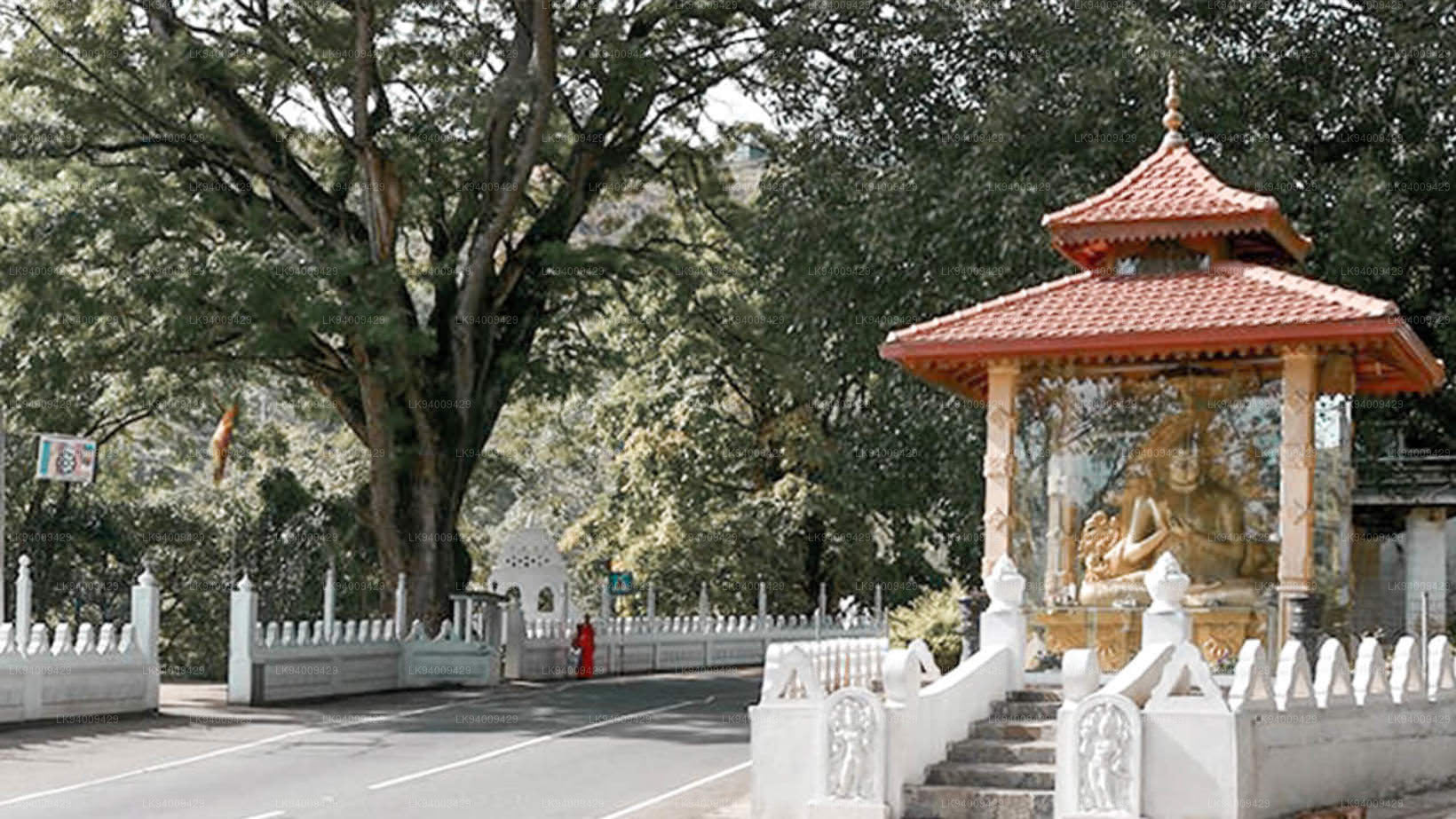 Dowa Raja Maha Viharaya
Dowa Raja Maha Viharaya (Dowa Cape Temple) lies few kilometres away from the Bandarawela town on the Bandarawela – Badulla Road. This temple is thought to be done by King Walagamba in the in first century BC.
-
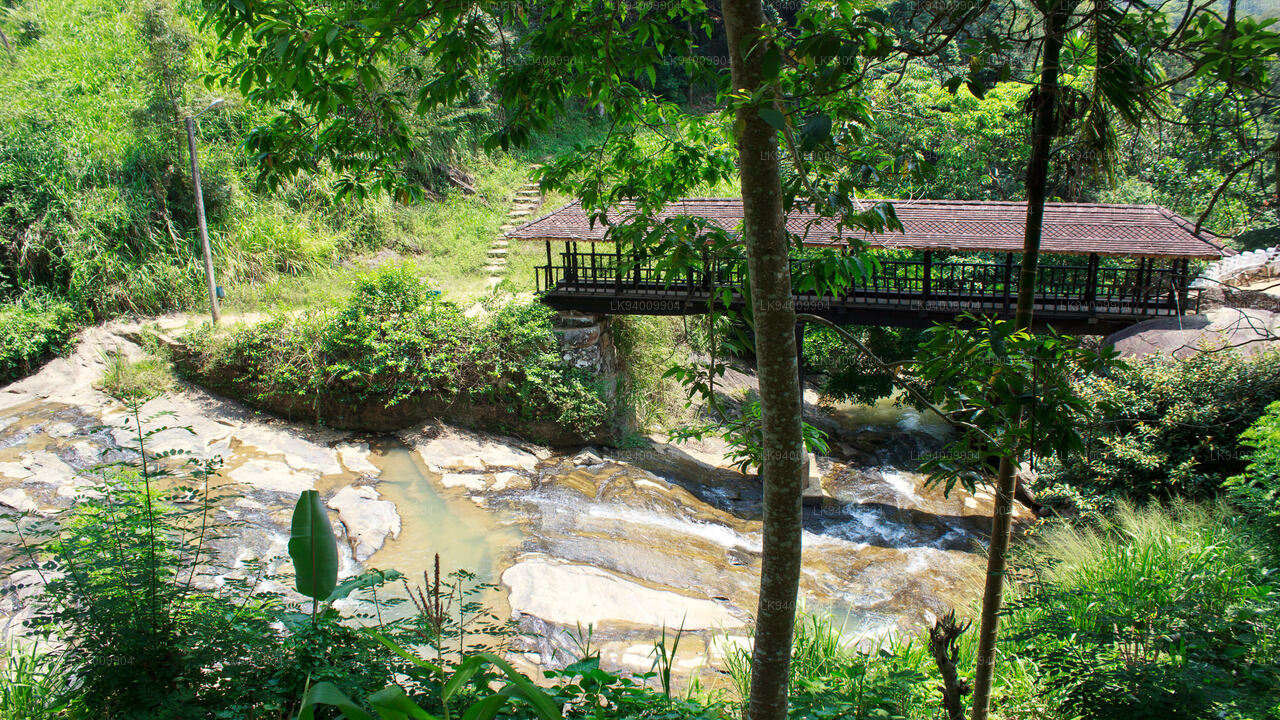 Bogoda Wooden Bridge
The Bogoda Wooden Bridge was built in the 16th century during the Dambadeniya era. This is said to be the oldest surviving wooden bridge in Sri Lanka. The bridge is situated at 7 kilometres (4.3 mi) west of Badulla.
-
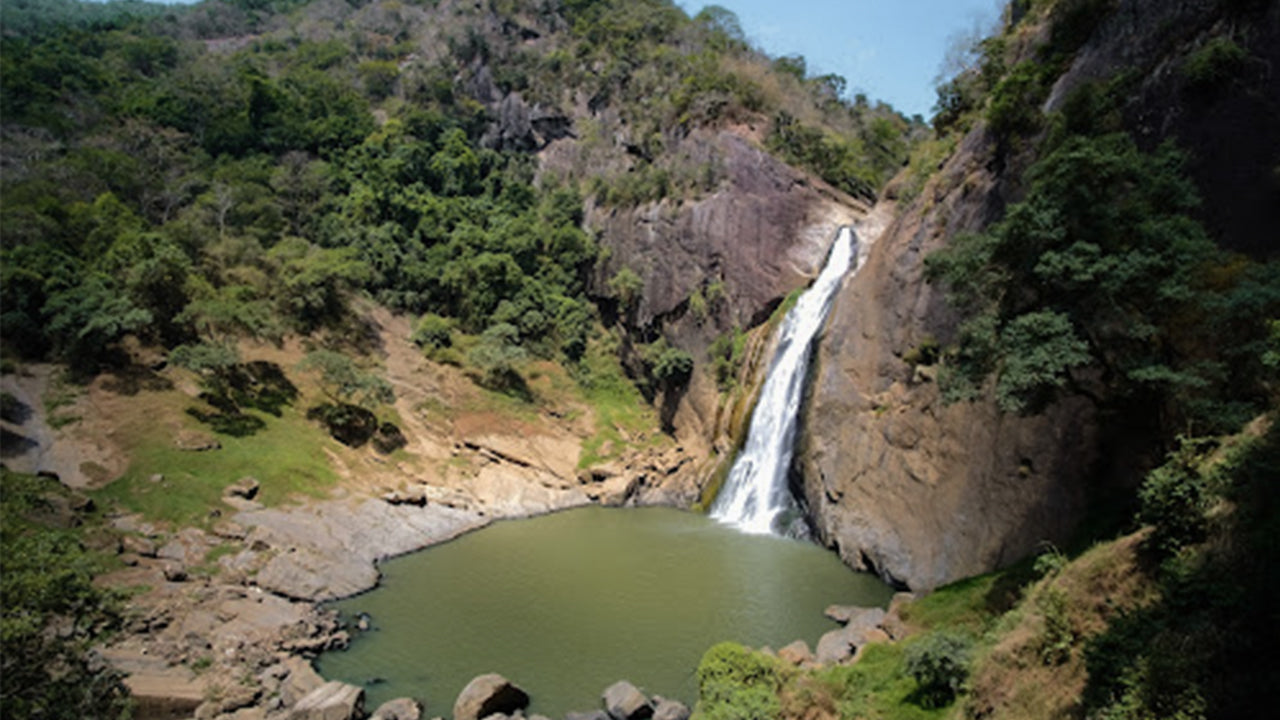 Dunhinda Falls
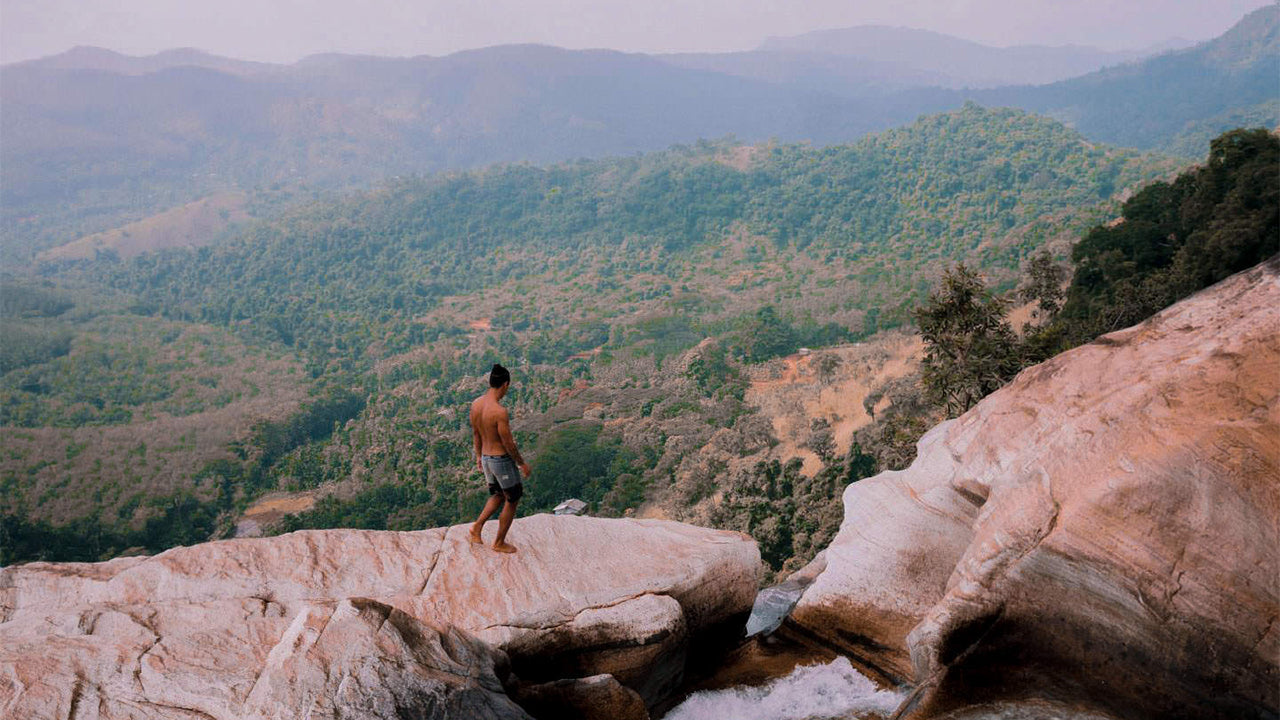
Dunhinda Falls is situated about 5 km away from Badulla town. It is 63 meters high and is considered to be one of the most beautiful waterfalls in Sri Lanka. The falls gets its name dew to the smoky dew drops spray.