Lakpura
Lakpura®

Gotu Kola Sambol (ගොටු කොල සම්බෝල)

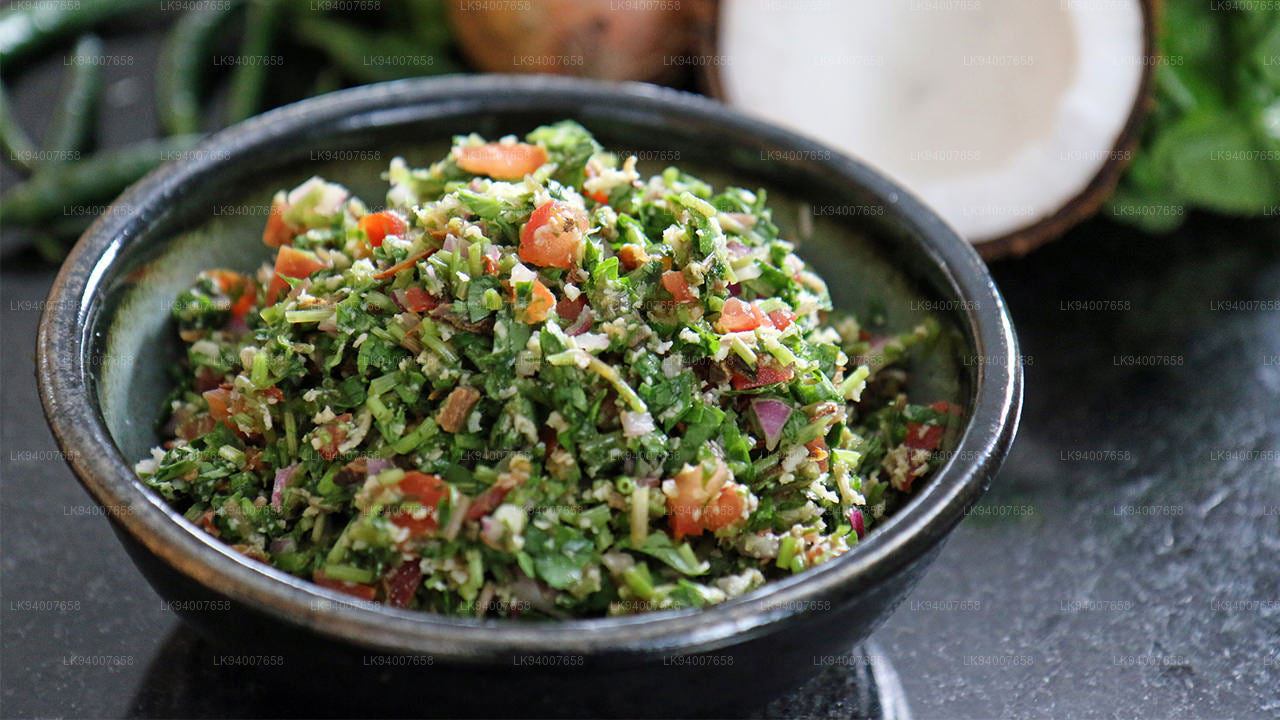
Long before Western nutritionists coined the term "superfood", Sri Lankan cooks were folding gotu kola into everyday meals as a matter of course. Known botanically as Centella asiatica and colloquially as pennywort, this small, fan-shaped leaf has been a fixture in Ayurvedic medicine and village kitchens alike for centuries. Gotu kola sambol — a finely chopped salad of fresh leaves, grated coconut, red onion, and lime — is one of the simplest and most nutritious accompaniments in Sri Lankan cooking.

What is gotu kola sambol?

Sambol is a broad category of Sri Lankan side dishes: raw or lightly dressed preparations that cut through the richness of a rice-and-curry spread. Gotu kola sambol belongs to the fresh, uncooked end of that spectrum. The leaves are sliced fine, then combined with freshly grated coconut, which softens the slight bitterness of the herb and carries the heat of the green chilli. A squeeze of lime sharpens everything at the last moment.

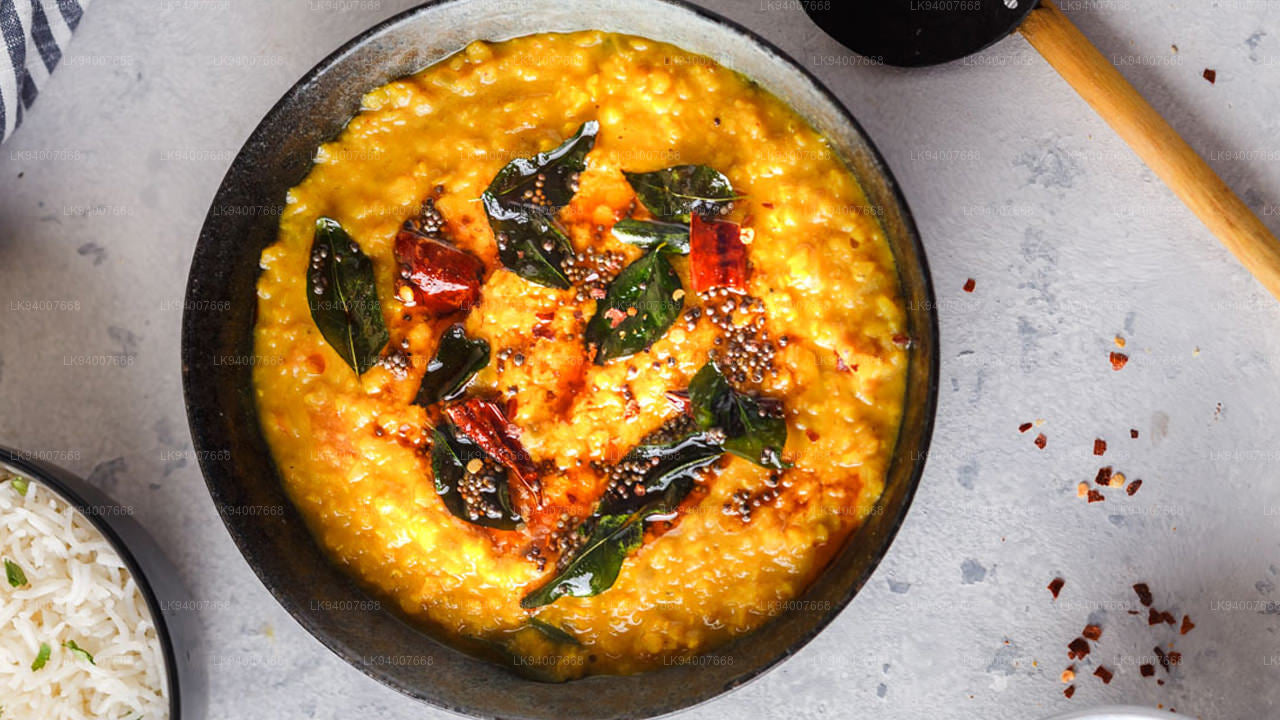
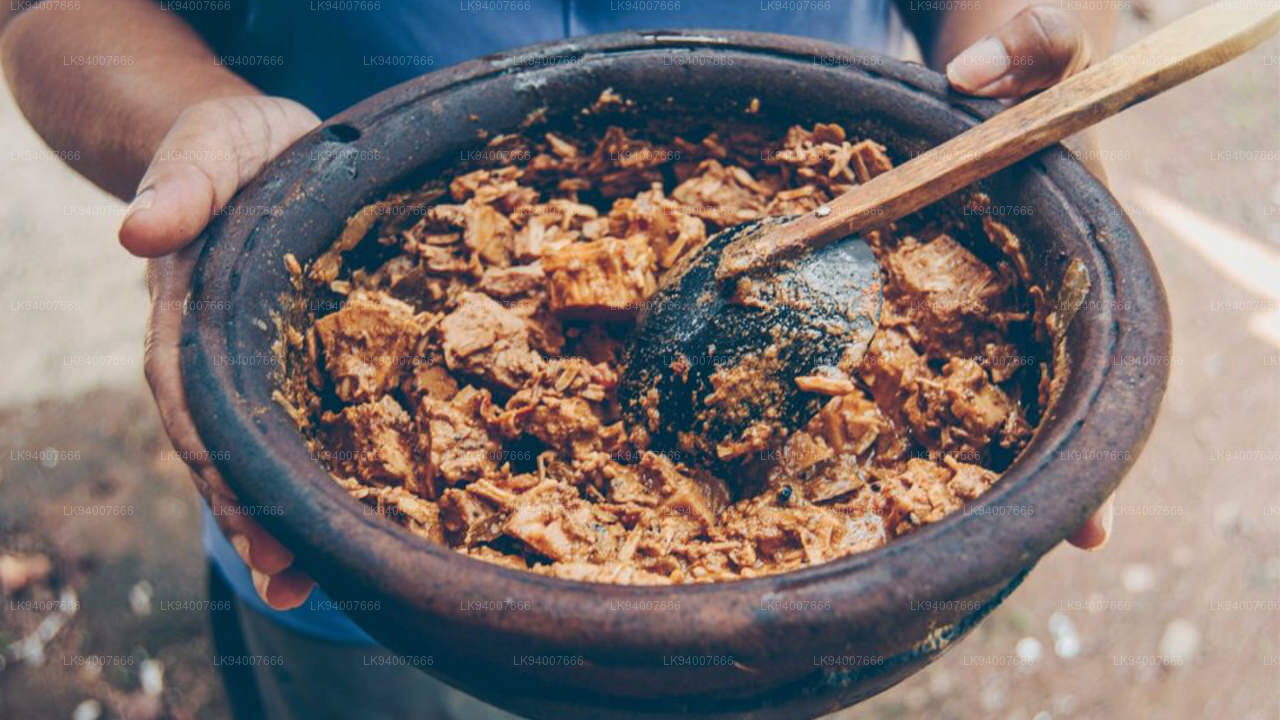
The result is cooling, mildly grassy, and just spicy enough to hold its own alongside a plate of dhal, jackfruit curry, or lunu dehi. It is eaten widely across the island, but is especially common in the hill country and the wet zone, where gotu kola grows in abundance.

What are the health benefits of gotu kola?

Gotu kola has a well-documented place in Sri Lanka's traditional medicine systems. Ayurvedic practitioners have long prescribed it to support memory, reduce inflammation, and promote wound healing. Modern research has focused on its triterpenoid compounds — particularly asiaticoside and madecassoside — which appear to support collagen synthesis and skin repair. The plant is also a source of vitamins B and C.

In village tradition, a daily portion of gotu kola sambol or a cup of kola kenda (a gotu kola rice porridge) is considered a straightforward way to keep the mind clear and the digestion settled. That practical reputation has endured because it is rooted in observable, generational experience rather than marketing.

What ingredients do you need?

  • 1 bunch gotu kola leaves, finely sliced
  • 1 medium red onion, finely chopped
  • 3 green chillies (Thai or kochchi), finely chopped
  • One-third cup freshly grated coconut
  • Half a lime, juiced
  • Half a teaspoon salt, or to taste
  • 1 tablespoon Maldive fish, crushed (optional, but traditional)

Fresh coconut makes a noticeable difference here — the moisture and mild sweetness of a just-cracked coconut binds the salad in a way that desiccated coconut simply cannot replicate. If you are sourcing ingredients locally, look for gotu kola bunches with deep green, unblemished leaves. Coconut is harvested year-round in Sri Lanka, so freshly grated flesh is rarely hard to find.

Maldive fish (dried, cured tuna) adds an umami depth that makes the sambol feel more substantial. It is entirely optional for vegetarian preparations; the salad stands well without it.

How do you make gotu kola sambol?

  1. Wash the leaves thoroughly. Place the gotu kola in a wide bowl, cover with lukewarm salted water, and leave for five minutes. This loosens surface dirt, bacteria, and any small insects. Rinse under running water and repeat if the water looks cloudy.
  2. Slice finely. Stack the cleaned leaves and cut them into thin ribbons, then roughly chop across the ribbons. Finer cuts mean the coconut coats each piece evenly.
  3. Combine the dry ingredients. In a large bowl, add the sliced gotu kola, chopped red onion, green chilli, grated coconut, and the crushed Maldive fish if using. Mix with your hands or a spoon until evenly distributed.
  4. Season and finish. Add the lime juice and salt last, tossing well. Taste and adjust — the balance should be bright with citrus, mildly hot, and gently saline.
  5. Serve immediately. Gotu kola sambol wilts and loses its fresh colour quickly once lime and salt are added. It is at its best within fifteen to twenty minutes of preparation.

How does gotu kola sambol fit into a Sri Lankan meal?

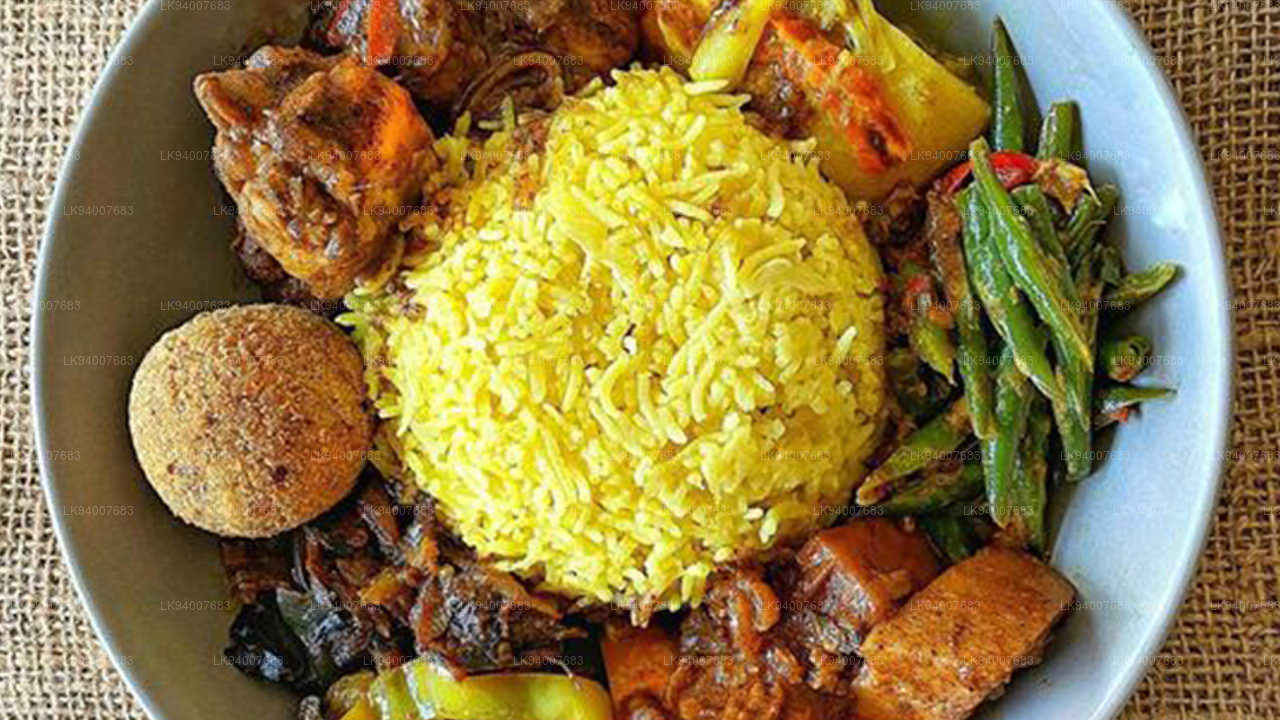
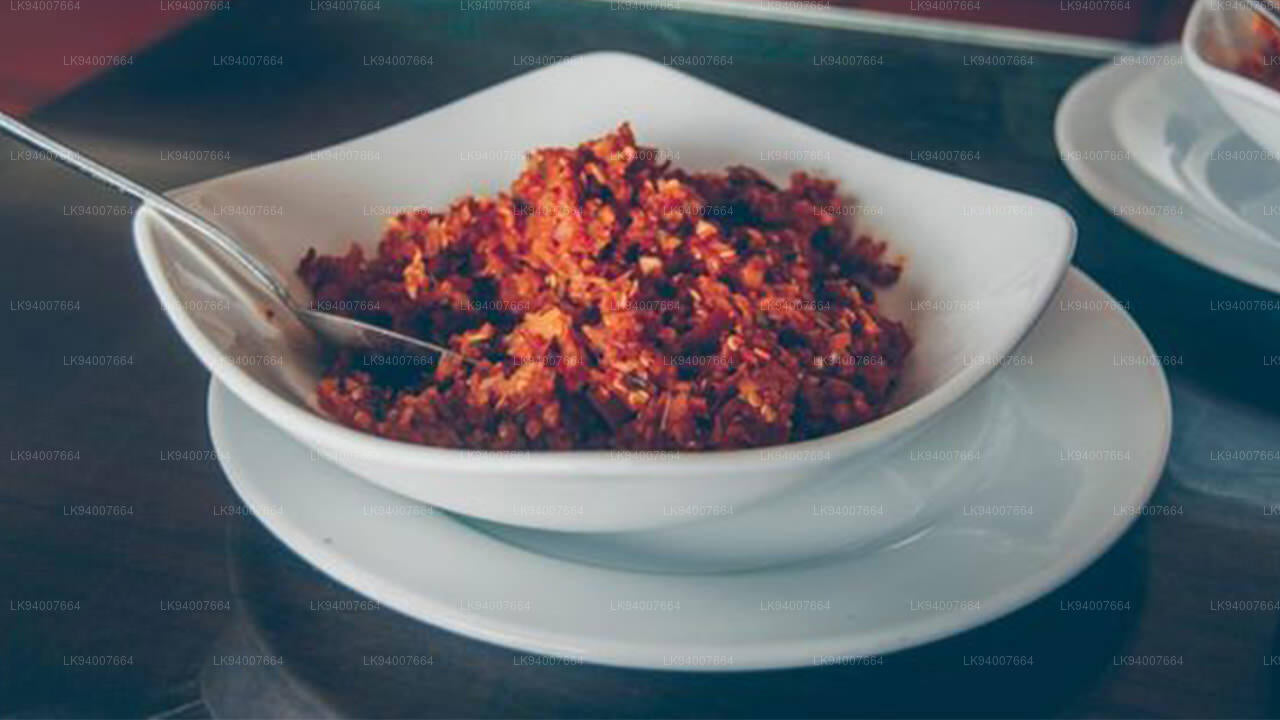
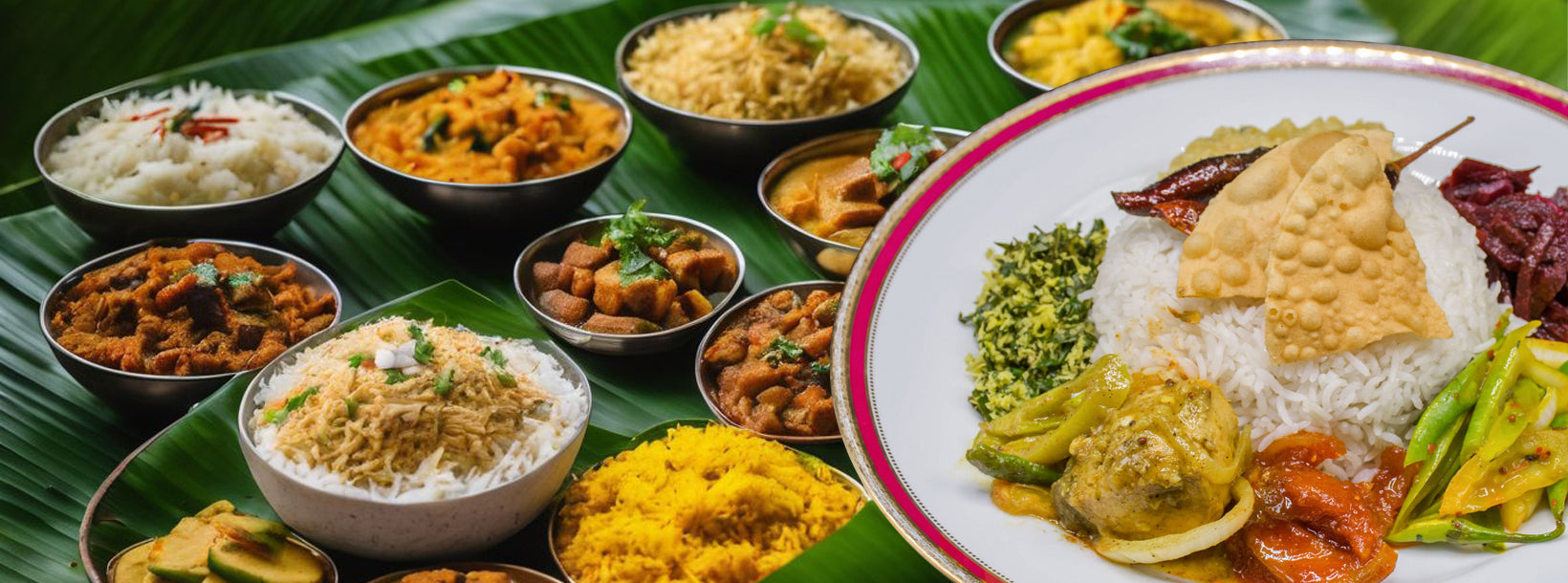
A traditional Sri Lankan rice-and-curry plate is built around contrast: a starchy base, one or two deeply spiced curries, a pickle or chutney, and something fresh and cooling. Gotu kola sambol fills that last role perfectly. It pairs well with fish curry, pol sambol (coconut relish), and dhal, and it lightens a plate that might otherwise be heavy with coconut milk and black pepper.

Outside of the main meal, gotu kola leaves are also blended into kola kenda — a morning porridge of rice, coconut milk, and greens that is considered restorative and grounding. The sambol and the porridge represent the two most common everyday uses of the herb in domestic Sri Lankan cooking.

Where can you find gotu kola in Sri Lanka?

Gotu kola grows wild in damp, shaded areas — along paddy field banks, beside streams, and at forest edges. It is cultivated in home gardens across the island and sold in bunches at every local market. The herb is considered so integral to the local diet that it features in nearly every traditional meal at family-run guesthouses, particularly in rural and agricultural areas.

Visitors staying near working farms — for instance around the paddy fields of the hill country — will often see it growing close to where it is eaten. The proximity of field to table is part of what makes Sri Lankan village cooking distinctive.

Can you source gotu kola products to bring home?

For travellers who want to continue using gotu kola after returning home, the herb is available in several preserved forms: dried tea bags, powder, capsules, and dehydrated leaf packs. These make practical souvenirs and are widely available through specialist Sri Lankan food and wellness suppliers.

Book this experience with Lakpura

Curated by our local team. Direct booking, instant confirmation.

Ask Lakpura® Agent