Lakpura
Lakpura®

Abroma augusta

Abroma augusta is a flowering shrub native to tropical and subtropical Asia, including Sri Lanka, where it has been valued for centuries within the island's ayurvedic healing tradition. Known in classical texts for its application in managing a range of conditions, this plant occupies a modest but meaningful place in Sri Lanka's catalog of indigenous medicinal flora. It grows naturally in moist, lowland areas and is occasionally cultivated in home gardens and herbal estates across the island.

What is Abroma augusta and where does it come from?

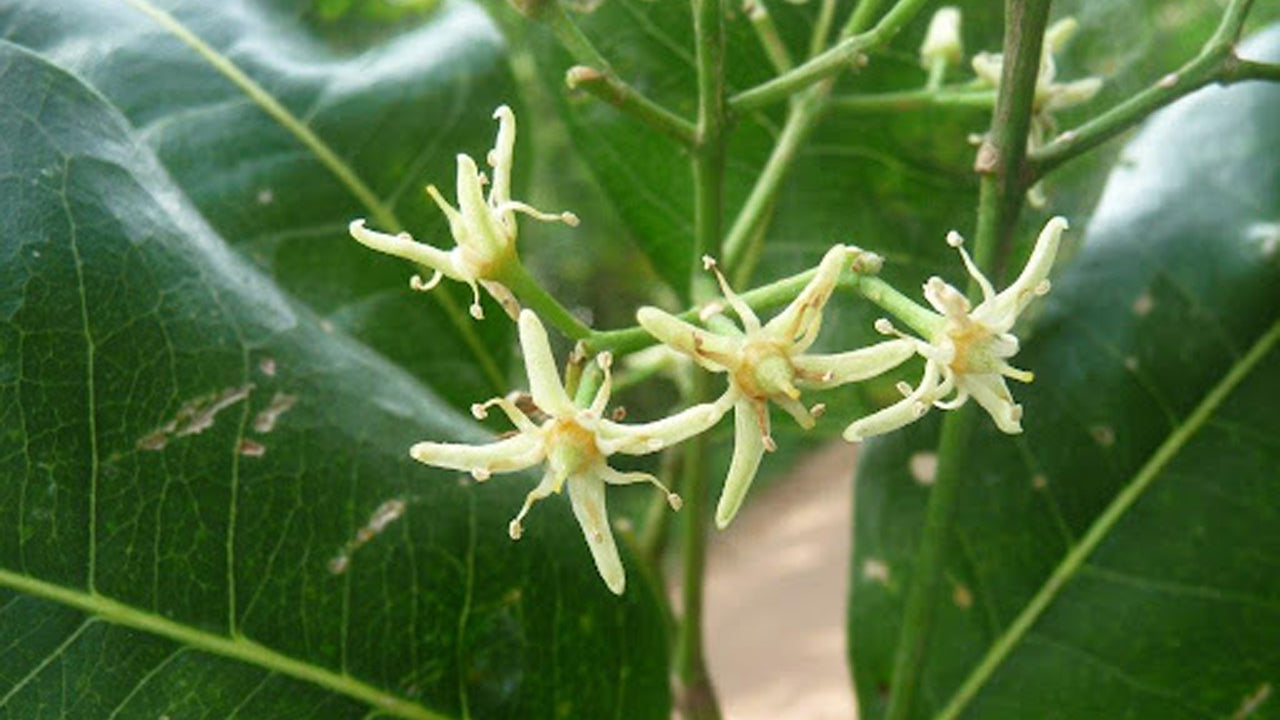
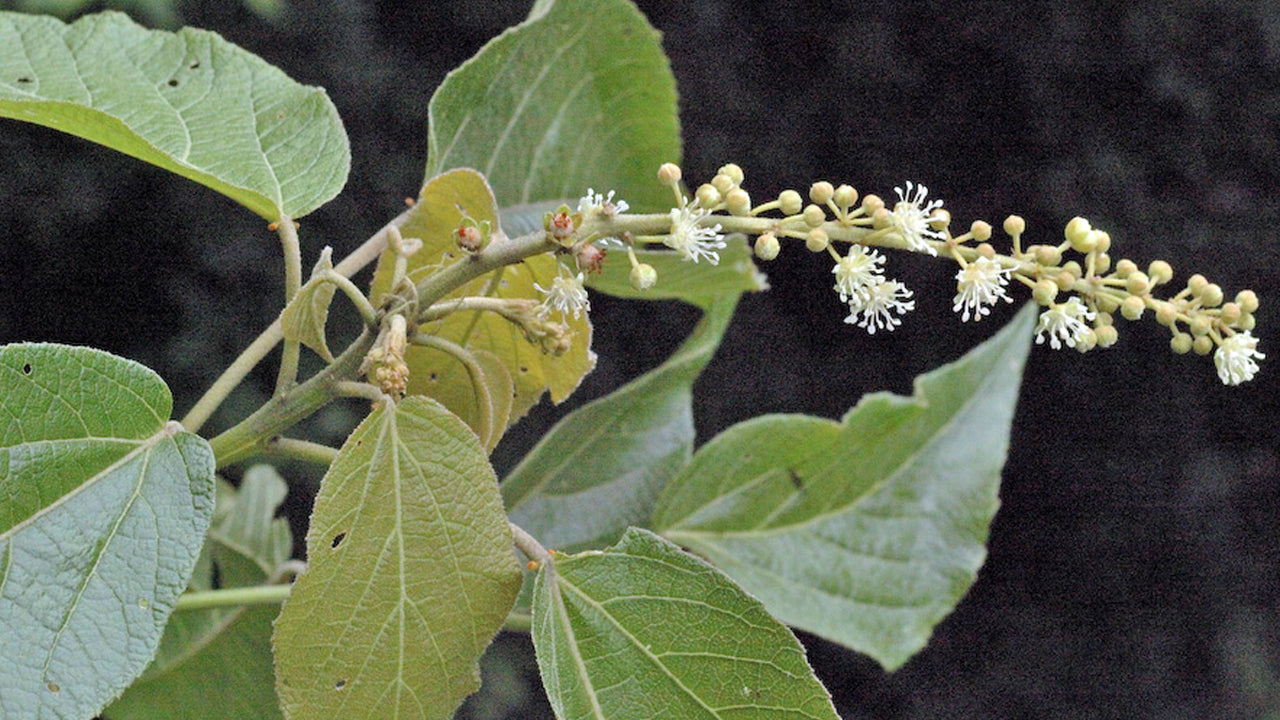
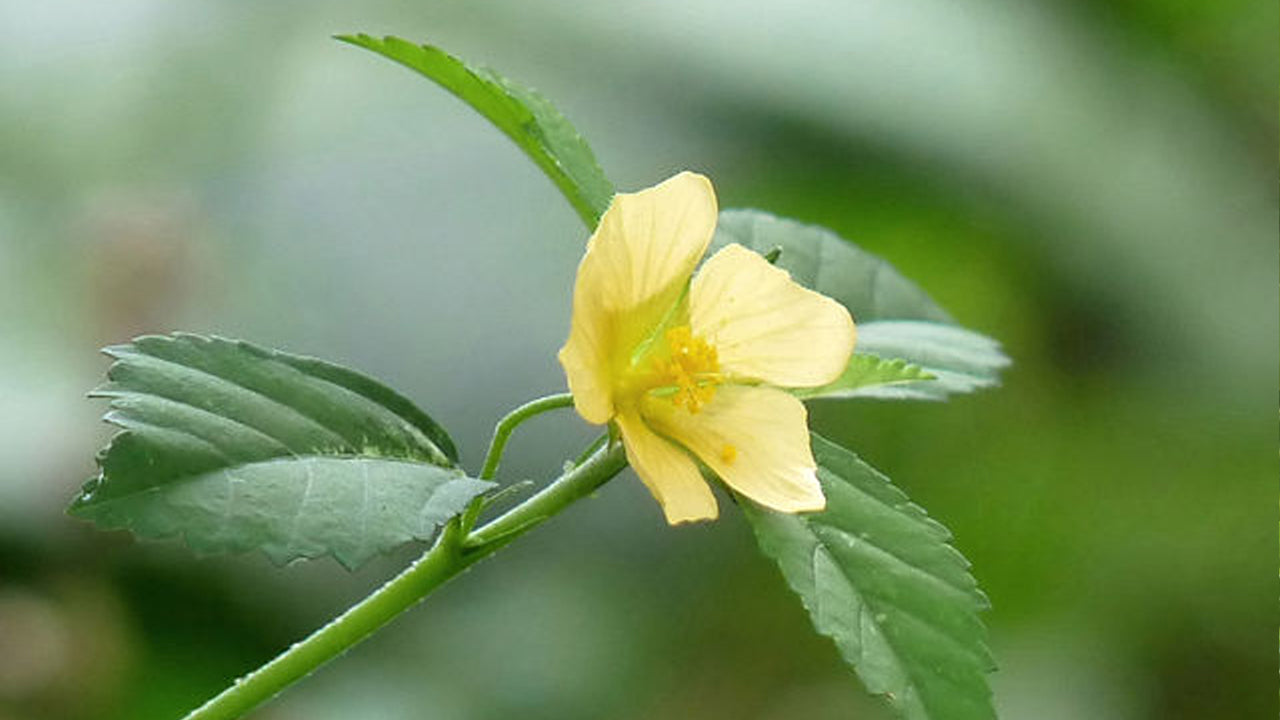
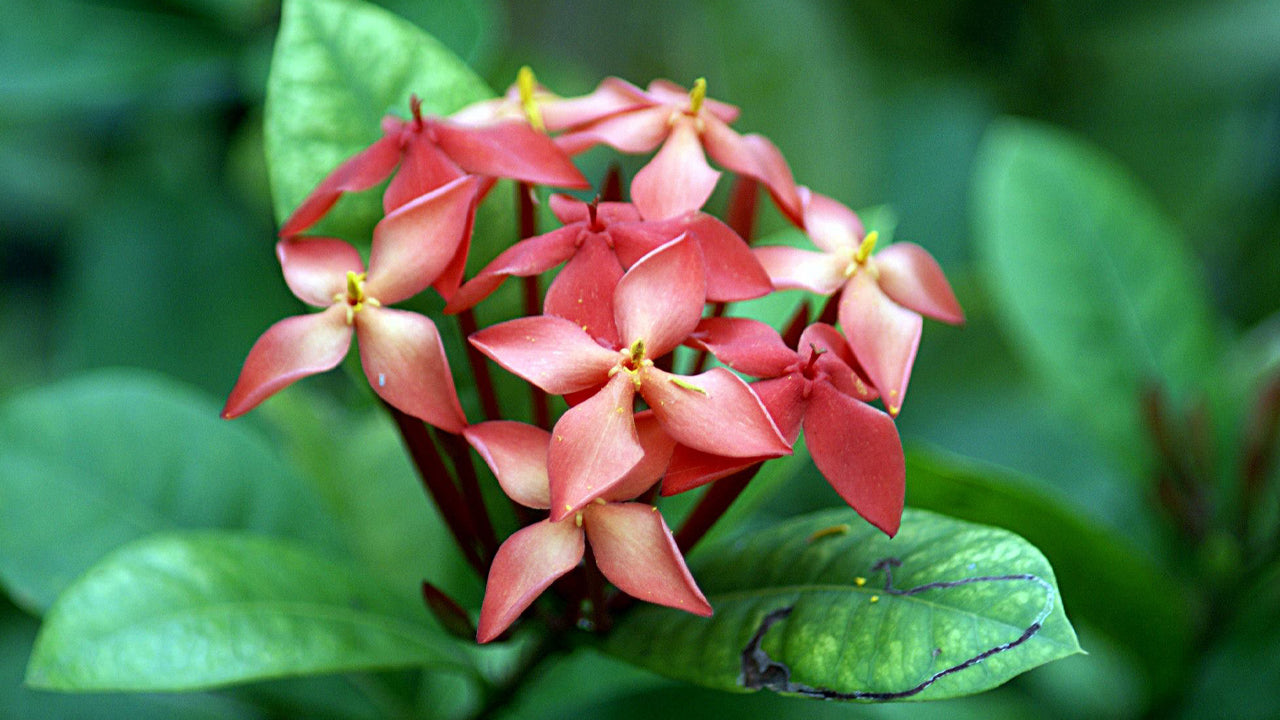
Abroma augusta belongs to the family Malvaceae and is sometimes known by the common names "Devil's Cotton" or "Ulat kambal" in South Asian botanical literature. The plant typically reaches two to four metres in height, producing distinctive deep-red or dark maroon flowers and a fibrous bark that has historically been used in traditional crafts as well as medicine. Its natural range extends from Sri Lanka and India through Southeast Asia to northern Australia, making it one of several pantropical species that found a foothold in the island's diverse ecosystems.

In Sri Lanka, Abroma augusta is catalogued under the country's official ayurvedic pharmacopoeia, reflecting its recognised role in the indigenous system of medicine that continues to be practised alongside modern healthcare. The plant tends to thrive in humid, semi-shaded environments, which aligns with the conditions found across Sri Lanka's wet zone and the fringes of protected forest areas such as the Sinharaja Forest Reserve.

What are the traditional medicinal uses of Abroma augusta?

Ayurvedic practitioners in Sri Lanka have long drawn on different parts of the Abroma augusta plant — particularly the root, bark, and leaves — for therapeutic preparations. Traditionally, the plant has been associated with the management of conditions affecting the female reproductive system, including menstrual irregularities. It has also been used in formulations intended to address metabolic imbalances, though specific preparations vary according to the practitioner and the classical texts being followed.

The fibrous stem bark contains compounds including friedelin, beta-sitosterol, and taraxerol, which have been the subject of pharmacological studies exploring their biological activity. Research interest in Abroma augusta has grown in parallel with broader global attention to plant-derived therapeutics, though clinical validation of many traditional applications remains an active area of inquiry rather than settled science.

  • Root and root bark: used in decoctions associated with gynaecological health in classical ayurvedic practice.
  • Leaf preparations: applied topically in some traditions for localised conditions.
  • Stem bark: a source of phytochemical compounds studied for potential bioactivity.
  • Fibre: the bast fibre has been used historically for cordage and rough textile in rural contexts.

How does Abroma augusta fit into Sri Lanka's ayurvedic tradition?

Sri Lanka's system of indigenous medicine, rooted in the ancient Ayurveda tradition brought from the Indian subcontinent and refined over more than two millennia on the island, draws on a rich repertoire of local plant species. Alongside better-known herbs and spices such as Syzygium aromaticum (cloves) and Ceylon black pepper, lesser-known plants like Abroma augusta contribute to the depth and specificity of Sri Lankan herbal formulations.

The Department of Ayurveda in Sri Lanka maintains an official list of recognised medicinal plants, and Abroma augusta appears among those catalogued with defined therapeutic attributions. Traditional physicians, known as veda mahattayas, may incorporate it into compound preparations alongside other botanicals rather than using it as a standalone remedy. This reflects the integrative logic of ayurvedic prescribing, where combinations of plants are considered to produce effects that individual ingredients alone may not achieve.

Where is Abroma augusta found in Sri Lanka?

The plant grows naturally across Sri Lanka's wet and intermediate zones, typically in disturbed forest margins, roadsides, and secondary scrub at low to mid elevations. It is not generally considered rare within its habitat range, and specimens can be found in various parts of the island's southwestern and central regions. Some ayurvedic gardens and herbal nurseries cultivate it deliberately to ensure supply for medicinal use.

Visitors with an interest in Sri Lanka's botanical heritage may encounter Abroma augusta during nature walks or excursions through rural areas, particularly in the lower hill country and coastal hinterland. The plant's distinctive dark flowers, borne on drooping stalks, make it identifiable to those familiar with its appearance, though it is rarely highlighted on mainstream tourism itineraries.

Is Abroma augusta safe to use?

Like all medicinal plants, Abroma augusta should be used only under the guidance of a qualified ayurvedic or traditional medical practitioner. Classical texts caution against unsupervised use, particularly during pregnancy, given its historical association with uterine activity. Self-medication based on general descriptions is not advisable, and any therapeutic application should be discussed with a licensed practitioner who can assess individual health circumstances and prescribe appropriate dosages and formulations.

Contemporary pharmacological studies are gradually clarifying the mechanisms behind the plant's traditional applications, but much of this research remains in early stages. The plant's value lies primarily within the structured context of ayurvedic practice rather than as a general-purpose herbal supplement.

How does Sri Lanka support the preservation of its medicinal plant heritage?

Sri Lanka's Ministry of Health, in conjunction with the Department of Ayurveda, oversees the regulation and promotion of indigenous medicine on the island. The country maintains botanical gardens and research institutions dedicated to the documentation, cultivation, and study of medicinal plants, including species like Abroma augusta that might otherwise receive limited scientific attention.

Efforts to document and protect Sri Lanka's plant biodiversity are also supported by conservation initiatives across the island's protected forest network. The integrity of ecosystems that harbour medicinal plants depends in part on broader habitat conservation, making the fate of species like Abroma augusta inseparable from that of the forests and wetlands they inhabit. For a deeper look at Sri Lanka's ayurvedic plant pharmacopoeia, the Acacia chundra entry provides a complementary perspective on another important native medicinal tree.

Ask Lakpura® Agent