Sri Lanka's central highlands conceal some of South Asia's most impressive waterfalls. Fed by the island's year-round rainfall and funnelled through steep river valleys, these cascades range from roadside curtains of mist to remote plunge pools deep inside forest reserves. Whether you are planning a dedicated waterfall circuit or adding a detour to an existing itinerary, this guide covers the falls worth the journey, how to reach them, and what to expect when you arrive.
What are the tallest and most famous waterfalls in Sri Lanka?
Sri Lanka records well over 100 named waterfalls, but a handful stand out for their scale, accessibility, or cultural resonance.
- Bambarakanda Falls — At around 263 m, this is the tallest single-drop waterfall on the island. Located near Kalupahana in Badulla District, the fall is slender but dramatic, particularly from January to April when the flow is strong. A rough trail leads to the base.
- Diyaluma Falls — The second-highest in the country at roughly 220 m, Diyaluma sits near Koslanda on the road between Ella and Wellawaya. Natural rock pools at the top are accessible via a moderately challenging hike of around 45 minutes. Swimming in the upper pools is popular with locals and visitors alike.
- Ravana Falls — One of the widest falls in Sri Lanka, Ravana is directly visible from the Ella–Wellawaya highway, making it the most photographed waterfall on the island. It is named after the demon-king of the Ramayana epic, and a cave behind the flow is linked to that mythology. Expect roadside vendors and crowds, particularly on weekends.
- Baker's Falls — Inside Horton Plains National Park, Baker's Falls drops roughly 20 m into a clear pool. The walk from the park entrance takes about an hour each way through cloud-forest terrain. Entry fees for the national park apply.
- Laxapana Falls — One of the longest freefalling waterfalls on the island, set near Maskeliya in the Nuwara Eliya district. A hydroelectric station at its base attests to the volume of water in the Maskeliya Oya.
- Devon and St Clair Falls — These twin falls near Talawakele drop through tea-estate country and can be seen from the road between Hatton and Nuwara Eliya. The setting — manicured Ceylon Tea bushes framing a white cascade — makes for a classic highland photograph.
- Lovers' Leap — Located above Nuwara Eliya town, the trail to Lovers' Leap passes through pine forest and offers a panoramic view of the surrounding hills. The fall itself is not the tallest, but the approach is one of the more scenic short hikes in the area.
- Hakgedi Ella — A lesser-visited fall accessible from the Hakgedi Ella trail, suitable for travellers looking to avoid the busier tourist circuits.
Where are Sri Lanka's waterfalls located?
The overwhelming majority of Sri Lanka's waterfalls are concentrated in the central highlands — broadly the area covering Kandy, Nuwara Eliya, Ella, Badulla, and Ratnapura districts. This region receives heavy rainfall during both monsoon seasons and is drained by numerous rivers cutting through sharp escarpments, the natural conditions that produce waterfalls.
A smaller number of falls are found in the wet-zone lowlands, particularly near the Sinharaja Forest Reserve, where streams descend from the ridge into the surrounding jungle. These tend to be smaller and more difficult to reach but reward visitors with exceptional biodiversity along the trail.
When is the best time to visit Sri Lanka's waterfalls?
Flow volume varies significantly with the two monsoon seasons that affect the island differently by region.
| Region | Peak flow period | Notes |
|---|---|---|
| Central highlands (Nuwara Eliya, Ella, Badulla) | October – January (north-east monsoon) | Waterfalls are fullest; trails can be muddy |
| Sabaragamuwa / Ratnapura | May – August (south-west monsoon) | Heavy rain; jungle paths slippery |
| All regions | February – April | Generally drier; good trail conditions; some falls reduced but still impressive |
For photography, overcast days diffuse harsh shadows and often produce a more atmospheric result than midday sunshine. Arriving at popular falls early — before 8 am — helps avoid the weekend rush.
How do I get to Sri Lanka's main waterfalls from Colombo?
Most of the major falls are three to five hours from Colombo by road. The Ella region — home to Ravana Falls, Diyaluma, and several smaller cascades — is best reached via the A4 or A16 highway through Ratnapura and Wellawaya, or by the scenic train journey to Ella via Kandy and Nanu Oya. Bambarakanda Falls sits off the B449 near Kalupahana, a turnoff most visitors take from Wellawaya or Haputale.
For falls around Nuwara Eliya and the Hatton plateau (Devon, St Clair, Laxapana, Lovers' Leap), the train from Kandy to Nanu Oya is one of the most scenic rail routes in Asia. From Nanu Oya, taxis reach most of these locations within 30 minutes. Baker's Falls requires entry into Horton Plains National Park; the usual approach is from Ohiya or from Nuwara Eliya town by vehicle.
What activities are available at Sri Lanka's waterfalls?
The most common activities near the falls are hiking, swimming in natural pools, and photography. At Diyaluma, the upper rock pools function as natural infinity pools with views across the valley — swimming here is generally considered safe outside flood season, though conditions should always be assessed on arrival. Swimming directly beneath large falls is not advisable due to strong currents and falling debris.
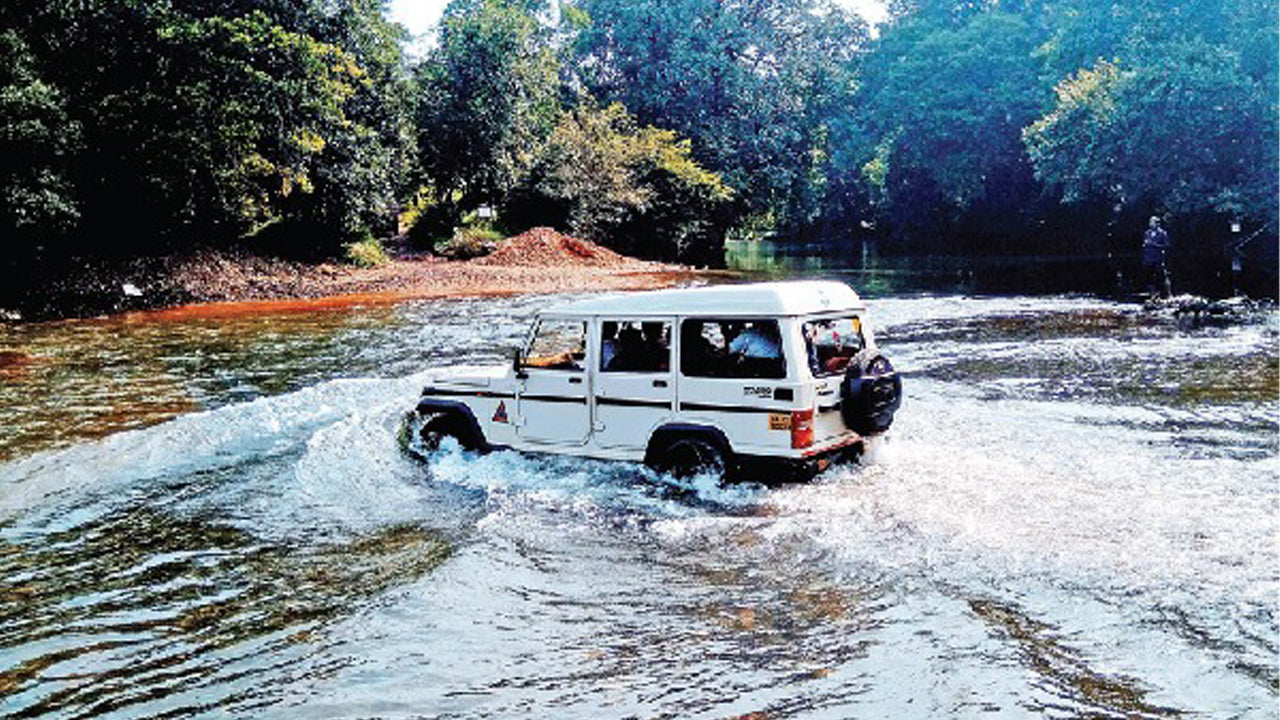
Several operators offer dedicated waterfall jeep tours in the hill country, covering multiple falls in a single day with an experienced local guide who can navigate the rougher access tracks. This is particularly useful for falls that lack clear road signage.
Are there any safety considerations when visiting Sri Lanka's waterfalls?
A number of falls have claimed lives over the years, usually due to visitors climbing wet rocks or entering pools during high-water periods. The following points apply broadly across most sites:
- Do not stand on wet rock ledges at the top of any fall, regardless of how accessible they appear.
- Swimming should only be considered in designated or well-known pool areas, and never immediately after heavy rain.
- Trails in the wet zone and inside forest reserves can be slippery and difficult to navigate without a local guide.
- Flash flooding is possible during monsoon periods, particularly in narrow gorges below waterfalls.
- Carry adequate water on longer trails — facilities at most waterfall sites are minimal.
Which waterfalls near Ella are worth visiting?
The Ella area offers the highest concentration of accessible waterfalls in the country. Ravana Falls and Diyaluma Falls are the headliners, but smaller falls — including Ravana Cave Falls and several unnamed cascades visible from the Ella to Wellawaya road — reward slower travel. The Rawanagala rock viewpoint at Rawanagala also overlooks the Diyaluma valley and pairs well with a visit to the falls below.
Private adventure tours from Ella covering waterfalls and natural pools are a popular way to reach sites that are difficult to find independently, particularly during wetter months when driving off main roads requires a 4WD vehicle.
Every waterfall, by province
44 falls, most of them in the hill country.
Central 20
- Aberdeen Falls
- Alakola Falls
- Bakers Falls
- Bambarakiri Ella Falls
- Devon Falls
- Dewathura Falls
- Dumbara Ella Falls
- Elgin Falls
- Galboda Falls
- Gartmore Falls
- Gerandi Ella Falls
- Hellboda Ella Falls
- Kadiyanlena Falls (Kataboola Ella Falls)
- Kolapathana Falls
- Ramboda Falls
- Rathna Ella Falls
- Rikilla Ella
- Sera Ella Falls
- St Clairs Falls
- Wedamulla falls (Palagolla Falls)
Sabaragamuwa 9
Uva 9
Western 4
Elsewhere in Sri Lanka 2
Related reading
6 pages on closely related subjects.