Nallur Kandaswamy Kovil

In the hot arid lands of Nallur, in Jaffna, rises the majestic Hindu temple for Skanda/ Murugan – the god of love, war and beauty. It has reigned over the land for centuries, attracting devotees from various walks of life. The temple itself embodies a kind of peace that can only be felt in the most divine of places.

History

The temple was originally founded in 948 AD. However, it reached fame when it was rebuilt in the 13th century by Puvaneka Vaahu, a minister of the Jaffna King Kalinga Maha. The Nallur Kandaswamy Temple was built for a third time by Senpaha Perumal (a.k.a Sapumal Kumaraya) who was the adopted son of the Kotte king. Nallur served as the capital of the kings of Jaffna, and was a highly defensive fort and city. There were courtly buildings, the palaces, businesses and much more.

The third built temple was destroyed by the Portuguese in 1624 AD; and many churches built over the ruins. The location of the original temple is now covered by the St James Church, Nallur. Part of the original Sivalingam from the temple remained in the vicarage, but was destroyed during the recent civil war. Now only the platform where it was mounted remains.

The current temple was built in 1734 AD by Don Juan. However, the ‘Golden Era’ of the Nallur Temple began in the latter 1890s with the takeover of the temple administration by Arumuga Maapaana Mudaliyar; who started renovating it to bring it back to its earlier magnificence.

Design

Created in the ways of the ancient temple cities of Madura and Padaliputra in India; the town of Nallur too revolves around this temple.

  • The cities had four entrances with temples at each gate.
  • There were outer circles where the commoners resided and businesses flourished, inner circles where highly placed nobles resided.
  • The walls of the temple then rose, resembling the towers (in this case kopurams) and palisades of a fort.
  • Within these walls were the outer courtyard, the holy bathing well (theertha keni), the residences of the priests, the inner temple, and smaller shrines for lesser deities.
  • The inner temple itself was large; and contained the inner courtyard, the central shrine or mulasthanam, shrines for other major gods and goddesses, the dance hall, the conference hall, and many other such elements.

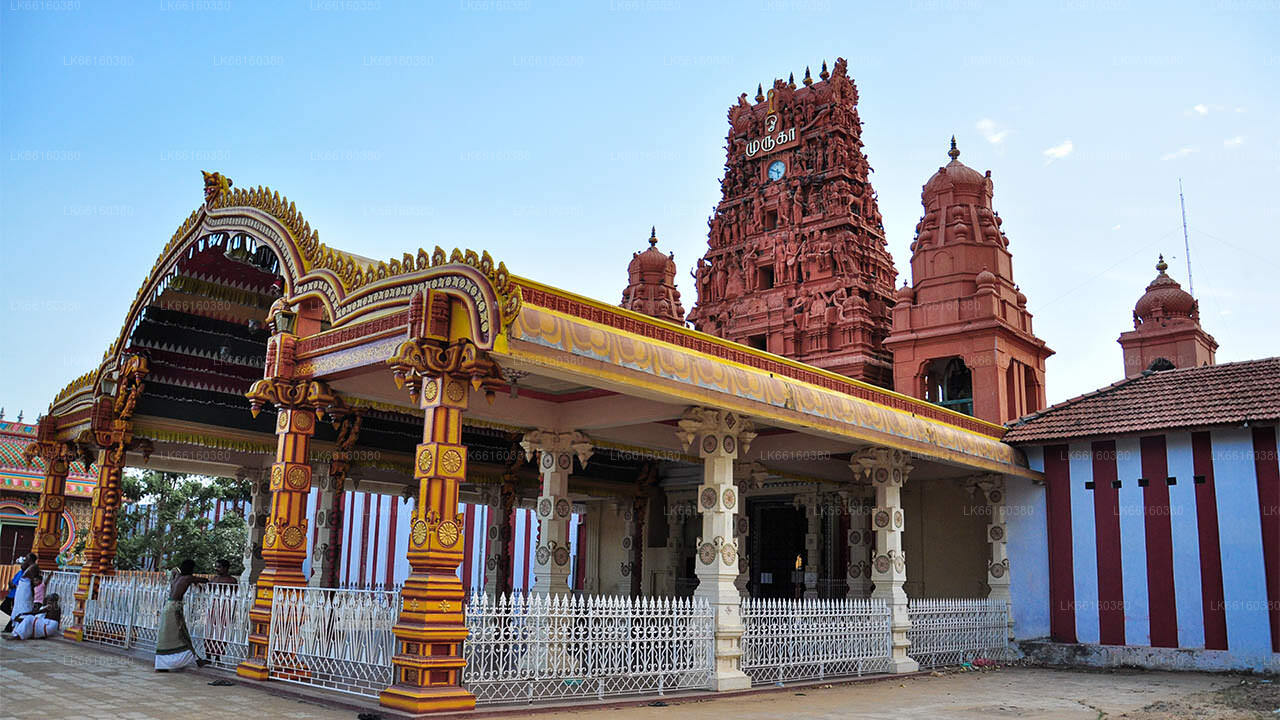
While the original Nallur Kandaswamy Temple was on this same grand scale; the current temple is on a much smaller scale when considering area, whilst still being one of the largest and historically accurate temples still existing in Sri Lanka. The temple has four kopurams, a rarity nowadays; including a massive golden-ochre Rajakopuram standing approximately seven stories (22-25m) tall. Some of the kopurams were built within the last decade. The inner and outer circles usually function as normal roads; except during the temple’s elaborate festival. With beautiful sculptures and architecture created by architects brought in from India; the temple is a visual delight that is best seen directly.

Guidelines on visiting the Nallur Kandaswmy Temple.

  • The temple has a large courtyard; don’t forget remove your shoes and wash your feet at the outer well before you enter.
  • You bring items such as flowers, fruits, camphor and such to offer to the shrines. These can be bought from shops opposite the temple; but everything except camphor and incense must be washed outside before offering.
  • Men are not allowed to wear any other garments above waist level within the temple, as has been the Hindu custom from ancient d

Jaffna Bölgesi Hakkında

Jaffna, Sri Lanka'nın Kuzey Eyaleti'nin başkentidir. Jaffna ve Kilinochchi bölgelerinin nüfusunun %85'i Hindu'dur. Hindular Şaivite geleneğini takip ederler. Geri kalanlar büyük ölçüde Roma Katolik veya Protestanlardır ve bunların bir kısmı Burgher olarak bilinen sömürgeci yerleşimcilerin torunlarıdır. Tamil halkı kast sistemine göre bölünmüştür ve çiftçi kastı Vellalar çoğunluğu oluşturmaktadır. Jaffna'da başlıca ürünler deniz ürünleri, kırmızı soğan ve tütündür.

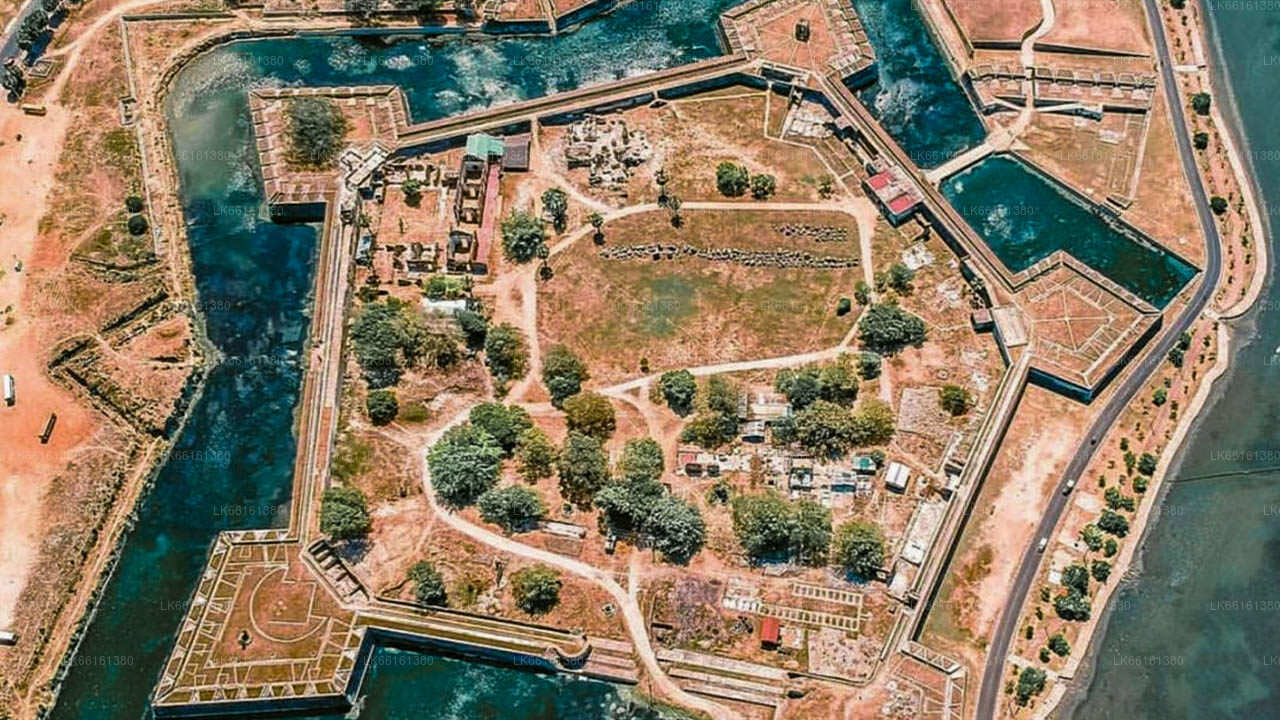
Jaffna, güzel Hindu tapınaklarına ev sahipliği yapmaktadır. Eski bir Hollanda Kalesi hala iyi korunmuş halde ayakta durmaktadır ve içinde eski bir kilise bulunmaktadır. Hollanda mimarisinin bir diğer örneği ise Kral Evi'dir. Tatlılığıyla ünlü enfes Jaffna mangosunu tatmadan Jaffna ziyareti tamamlanmış sayılmaz. Yaklaşık 3 km uzaklıkta, Jaffna'daki en büyük dini festivale ev sahipliği yapan görkemli Nallur Kandaswamy Tapınağı bulunmaktadır. Kayts Limanı, Jaffna bölgesinde eski bir gemi yanaşma yeridir.

Kuzey Bölgesi Hakkında

Kuzey Eyaleti, Sri Lanka'nın 9 eyaletinden biridir. Eyaletler 19. yüzyıldan beri var olmasına rağmen, 1978 Sri Lanka Anayasası'nın 13. Değişikliği ile eyalet konseylerinin kurulmasına kadar 1987 yılına kadar yasal bir statüye sahip değillerdi. 1988 ile 2006 yılları arasında eyalet, geçici olarak Doğu Eyaleti ile birleştirilerek Kuzeydoğu Eyaleti'ni oluşturmuştur. Eyaletin başkenti Jaffna'dır.

Kuzey Eyaleti, Sri Lanka'nın kuzeyinde yer alır ve Hindistan'a sadece 35 km uzaklıktadır. Eyalet, batıda Mannar Körfezi ve Palk Körfezi, kuzeyde Palk Boğazı, doğuda Bengal Körfezi ve güneyde Doğu, Kuzey Orta ve Kuzey Batı eyaletleri ile çevrilidir. Eyalette birçok lagün bulunur; en büyükleri Jaffna Lagünü, Nanthi Kadal, Chundikkulam Lagünü, Vadamarachchi Lagünü, Uppu Aru Lagünü, Kokkilai Lagünü, Nai Aru Lagünü ve Chalai Lagünü'dür. Sri Lanka çevresindeki adaların çoğu Kuzey Eyaleti'nin batısında bulunur. En büyük adalar şunlardır: Kayts, Neduntivu, Karaitivu, Pungudutivu ve Mandativu.

Kuzey Bölgesi'nin nüfusu 2007 yılında 1.311.776 idi. Nüfusun büyük çoğunluğunu Sri Lanka Tamilleri oluştururken, azınlıkta Sri Lanka Moorları ve Sinhala halkı bulunmaktadır. Sri Lanka Tamilcesi, nüfusun büyük çoğunluğu tarafından konuşulan başlıca dildir. Konuşulan diğer dil ise nüfusun %1'i tarafından konuşulan Sinhala dilidir. İngilizce, şehirlerde yaygın olarak konuşulmakta ve anlaşılmaktadır.