Kurunegala-palatskomplexet

Palace Complex Palace Complex Palace Complex

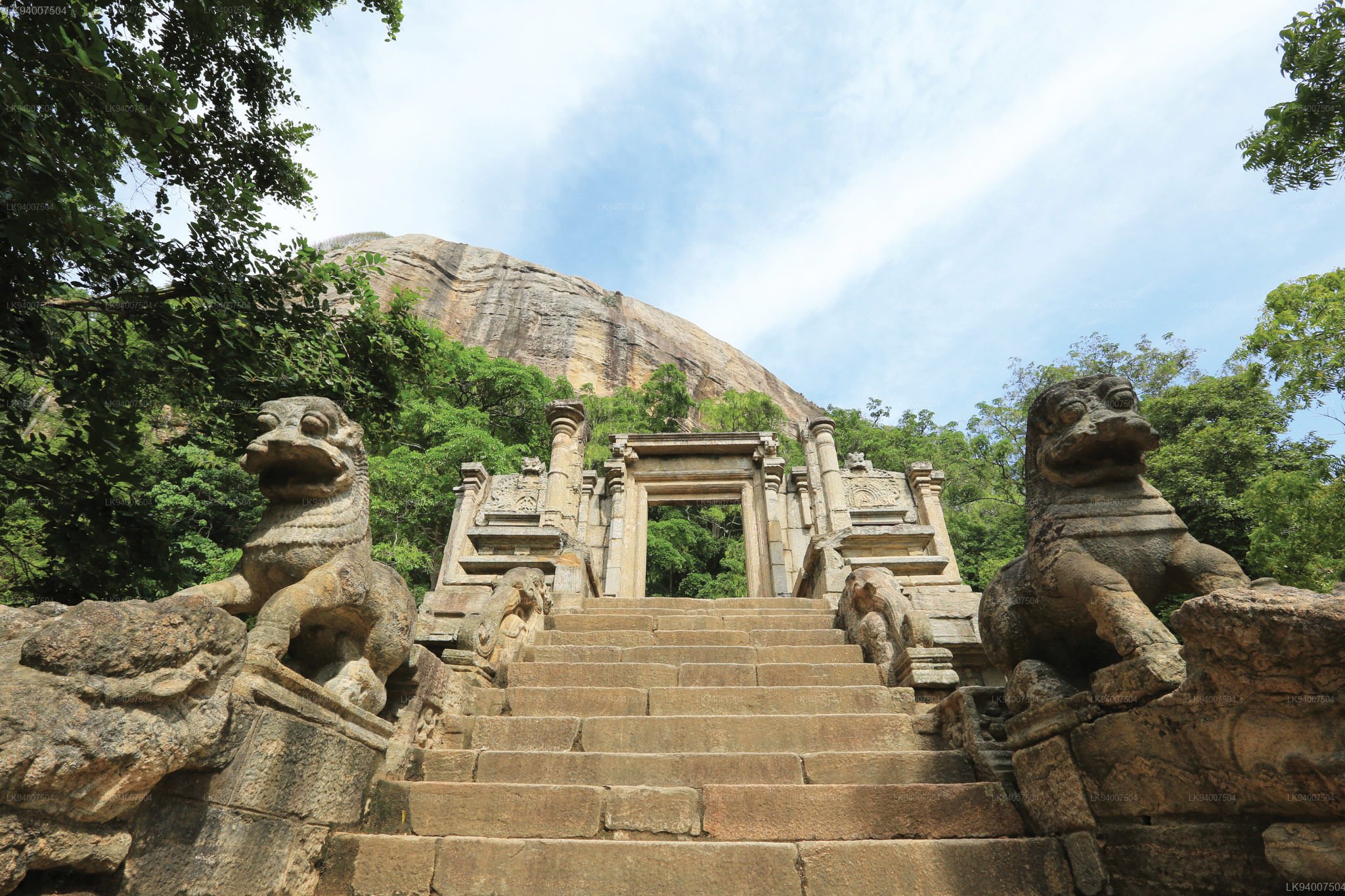
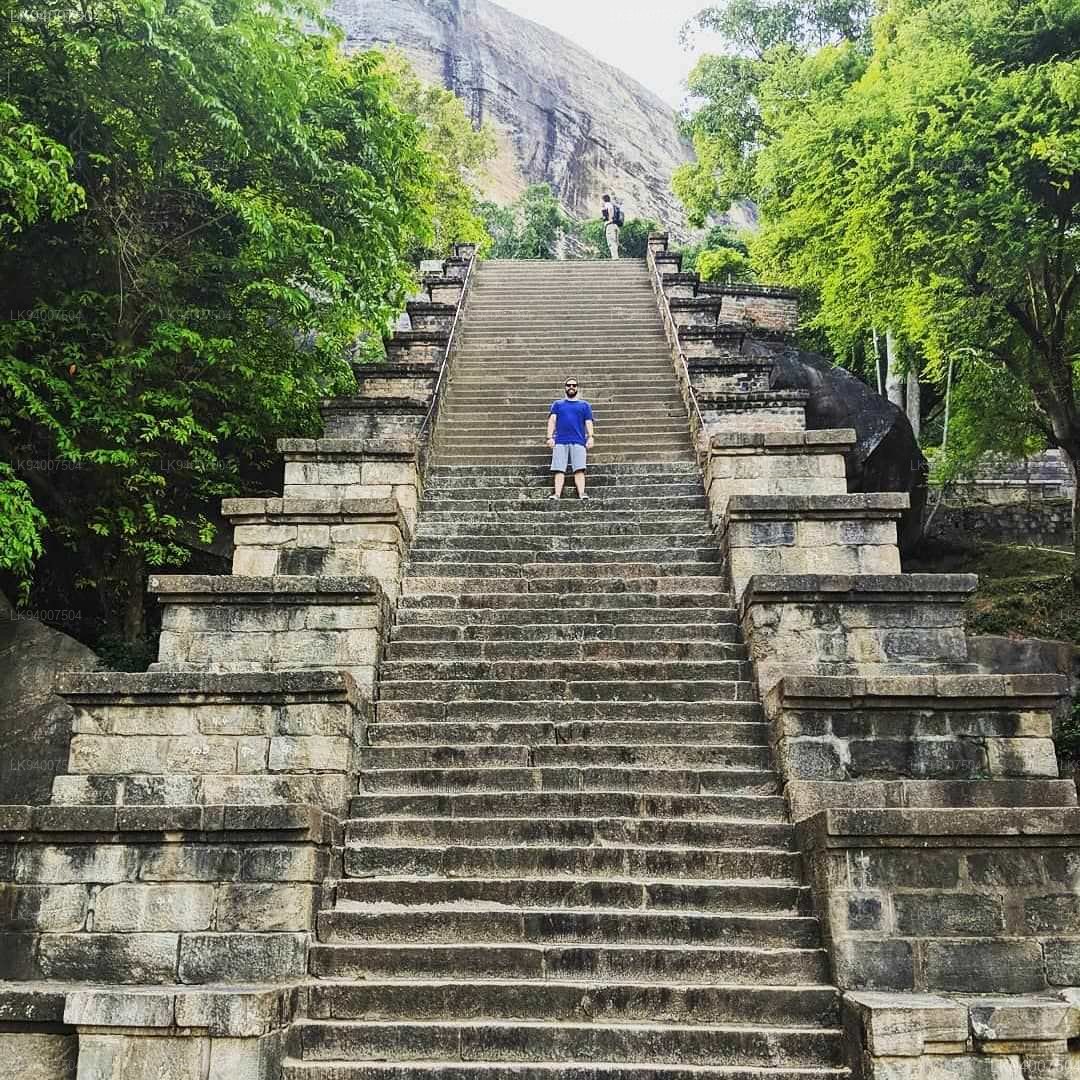
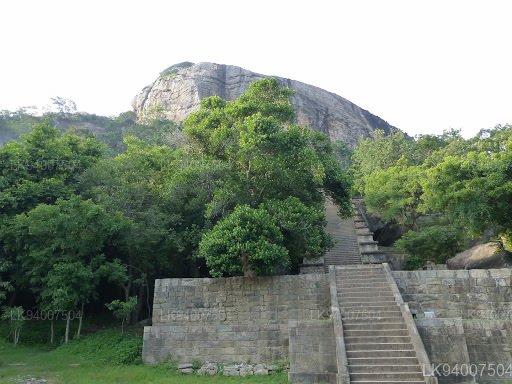
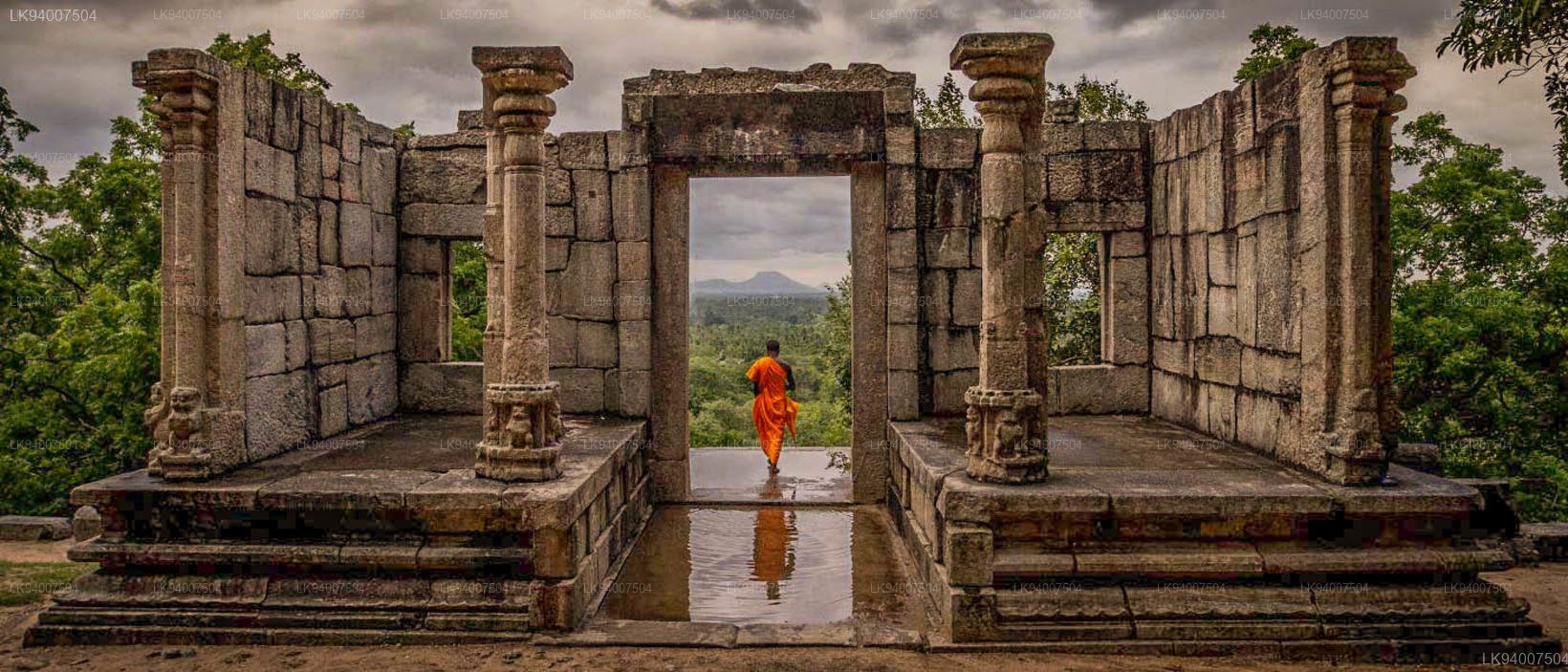
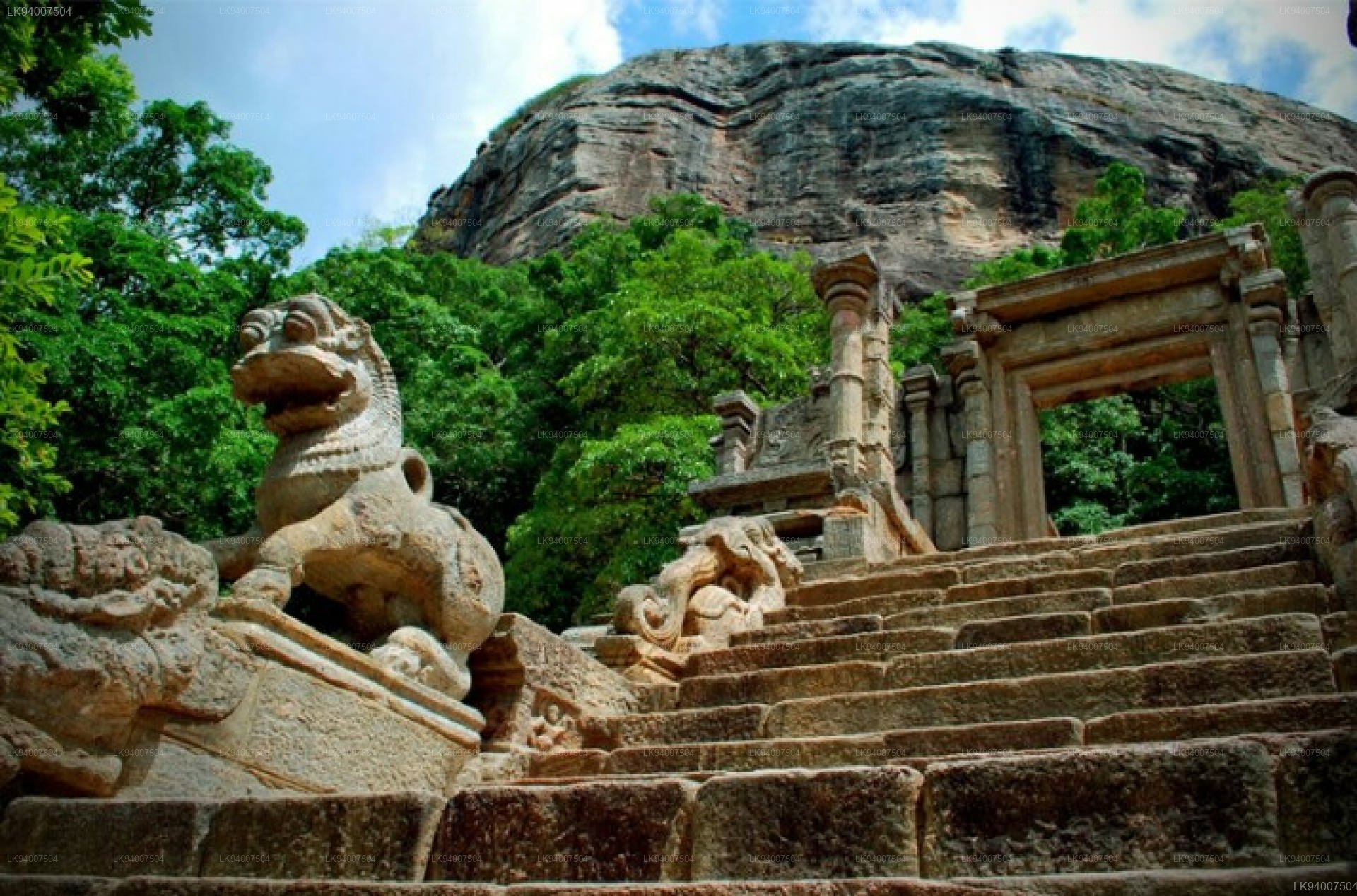
Det vidsträckta komplexet var ett palats och en militär fästning i slutet av 1200-talet, hem för kungen som levde i rädsla för en attack. En gång i tiden stod djupa gravar och tjocka murar emot fienden, men dessa har nu blivit överbryggade eller utplanade. Den fenomenalt fotograferade mittpunkten i det förlorade kungariket, dess symbol idag, är en mycket brant stenstege. Den är utsmyckad med utsökta skulpturer.

Mitt i klättringen kommer du att möta två mycket distinkta, stora stenlejon, inspirerade av kinesisk konst. De gör en grimas och stirrar ner på klättraren. Vackra skulpturer pryder båda sidor. I forna tider var öns styre nära förknippat med den Heliga Tandrelikvian från den Högste Buddha. Därför, när kungen lämnade det äldre Polonnaruwa-riket, gjorde han det med Relikvian. Historien om Yapahuwas fästning är därför nära kopplad till den Heliga Relikvian. År efter att den grundades invaderade en armé från Sydindien och tog den Heliga Tandrelikvian, vilket ledde till kungarikets fall.

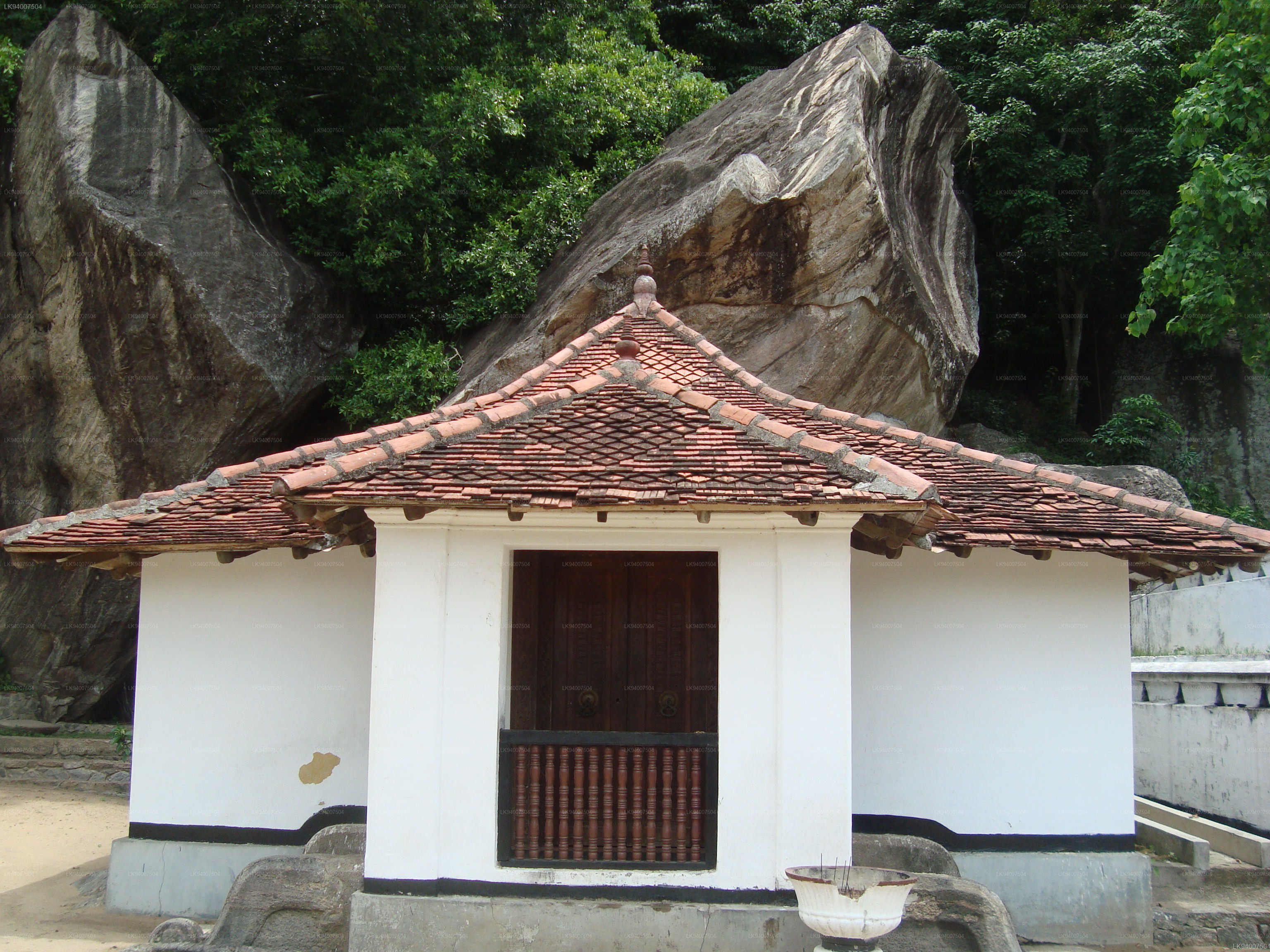
Klättra upp till toppen av berget för att upptäcka resterna av de första invånarna som bodde här. De var buddhistiska munkar. En liten, vindblåst stupa är placerad nära ett Bo-trädsgärde och en stenig grotta. Panoramautsikten från bergets topp fångar en vidsträckt spridning, en mosaik av gröna risfält och skogar som sträcker sig ända till de avlägsna blå bergen.
Palace Complex Palace Complex Palace Complex

About Kurunegala District

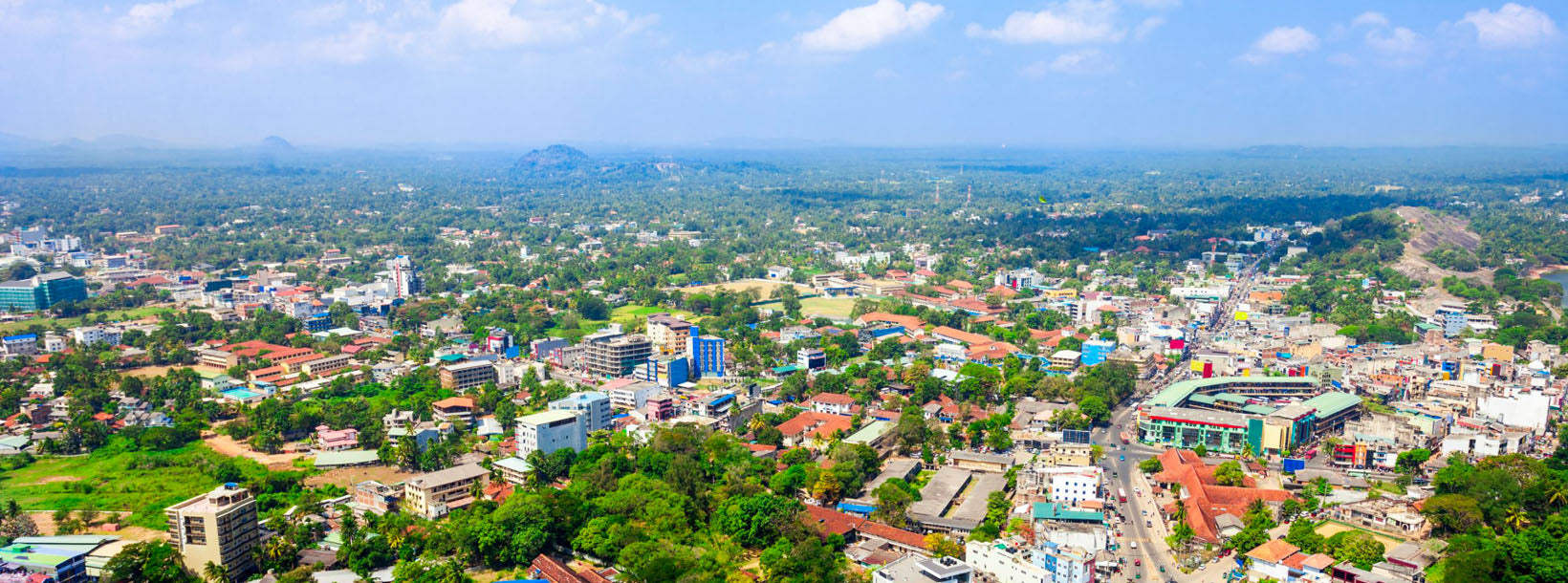
Kurunegala is the capital of the Wayamba Province in Sri Lanka and the Kurunegala District.Kurunegala was a royal capital for only 50 years, from the end of the 13th century to the start of the next, though even before this it was strategically placed in the middle of other majestic strongholds such as Yapahuwa to the north, Dambadeniya to the south and Panduwasnuwara in the east. Ethagala a rock reaching 316 meters, towers over the town, which is located at an altitude of 116 meters above sea level. The shape of Ethagala resembles an Elephant. A transport hub, it has a railway station, and several main roads linking important parts of the country.Kurunegala is situated about 94 km from Colombo, and 42 km from Kandy.

Most of Kurunegala's residents belong to the Sinhalese majority. Other ethnic minorities include the Sri Lankan Moors, Sri Lankan Tamils, Burghers and Malays. Residents from ethnic minorities live in all parts of the city, however, sizeable communities of Moors and Tamils also live in the areas of Teliyagonna and Wilgoda.

About North Western Province

North Western Province is a province of Sri Lanka. The districts of Kurunegala and Puttalam formulate North Western or Wayamba. Its capital is Kurunegala, which has a population of 28,571. The province is known mainly for its numerous coconut plantations. Other main towns in this province are Chilaw (24,712) and Puttalam (45,661), which are both small fishing towns. The majority of the population of Wayamba province is of Sinhalese ethnicity. There is also a substantial Sri Lankan Moor minority around Puttalam and Sri Lankan Tamils in Udappu and Munneswaram. Fishing, prawn farming and rubber tree plantations are other prominent industries of the region. The province has an area of 7,888 km² and a population of 2,184,136 (2005 calculation).

Wayamba is the third largest paddy producing area in Sri Lanka .Wayamba has a highly developed agricultural economy, growing a variety of fruits and vegetables, flowering plants, spices, oil-seeds in addition to the traditional plantation crops such as Coconut, Rubber and Rice. Rich soils and varied climate give Wayamba a potential for growing of virtually any crop.

In Wayamba or North western province, home for ancient Buddhist rock temples, magnificent citadels Panduwasnuwara, Dambadeniya, Yapahuwa and Kurunegala. Impressive remains of those citadels, palaces, Buddhist temples and monasteries provide exciting sight seeing to the visitors.