Lakpura
Lakpura®

Kola Kenda

Kola kenda is one of the oldest staples in Sri Lankan food culture — a warm, herb-infused rice gruel that has been served at breakfast tables, monastic refectories, and village hearths for centuries. Made from raw rice, fresh coconut milk, and the pressed juice of medicinally valued leafy greens, it sits at the intersection of everyday nourishment and traditional Ayurvedic practice. Understanding what it is, how it is prepared, and why it has endured tells you a great deal about Sri Lankan attitudes toward food as medicine.

What is kola kenda, and how does it differ from other kenda varieties?

The word kenda broadly describes a cooked rice broth — somewhere between a congee and a thin porridge. Within that category there are several distinct types. Kola kenda (also written kola kanda or kola kandha; Sinhala: කොල කැඳ) is defined by the addition of fresh herbal leaf juice, which gives it a characteristic green colour and a mildly bitter taste. A second category, viyali kenda or dry kenda, omits the green leaves and relies instead on garlic, roasted rice, or other dry ingredients. The two styles serve different purposes: kola kenda is valued primarily for its medicinal properties, while viyali kenda tends to be used as a plain restorative.

Kola kenda is traditionally served steaming hot, accompanied by a small piece of jaggery (palm sugar). The sweetness of the jaggery balances the bitterness of the herbal leaves — a pairing that has remained unchanged across generations.

Which leaves are used in kola kenda, and how are they chosen?

The choice of leafy greens is not arbitrary. Each herb carries specific therapeutic associations within the Sri Lankan Ayurvedic tradition, and the selection is typically guided by the ailment one hopes to prevent or address. Commonly used leaves include:

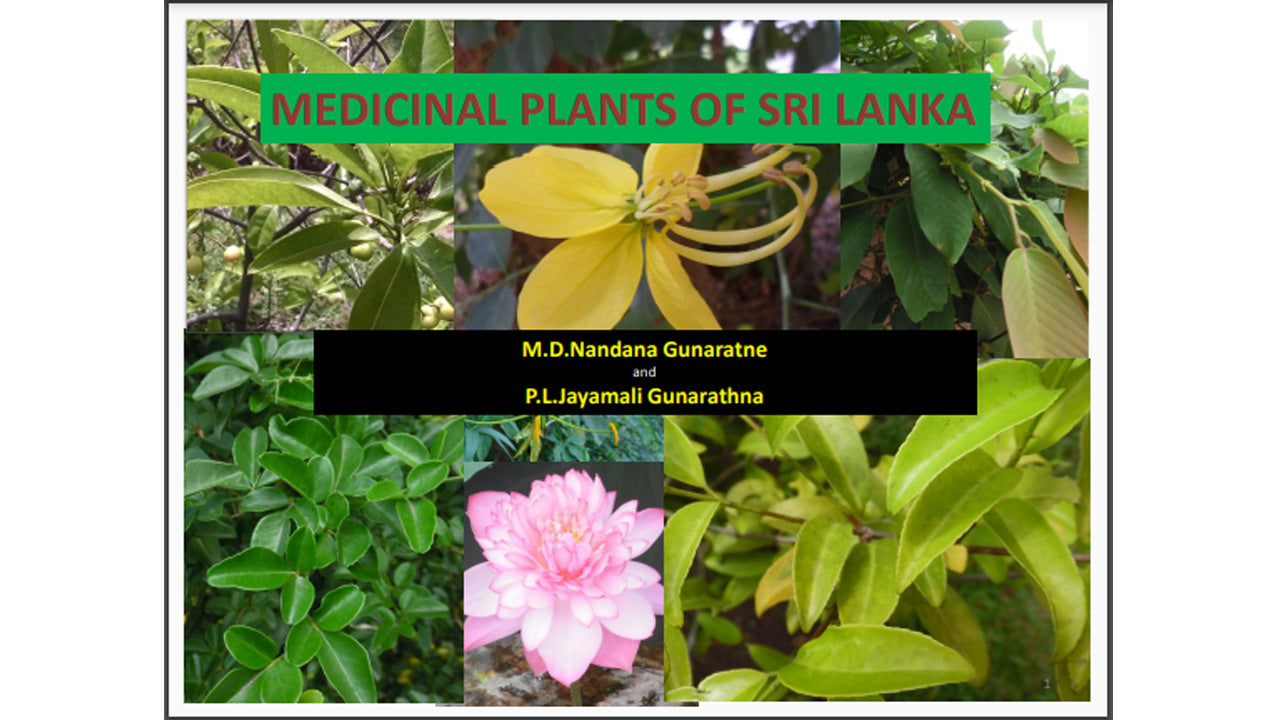
  • Gotukola (Centella asiatica) — perhaps the most widely used, associated with cognitive clarity and skin health

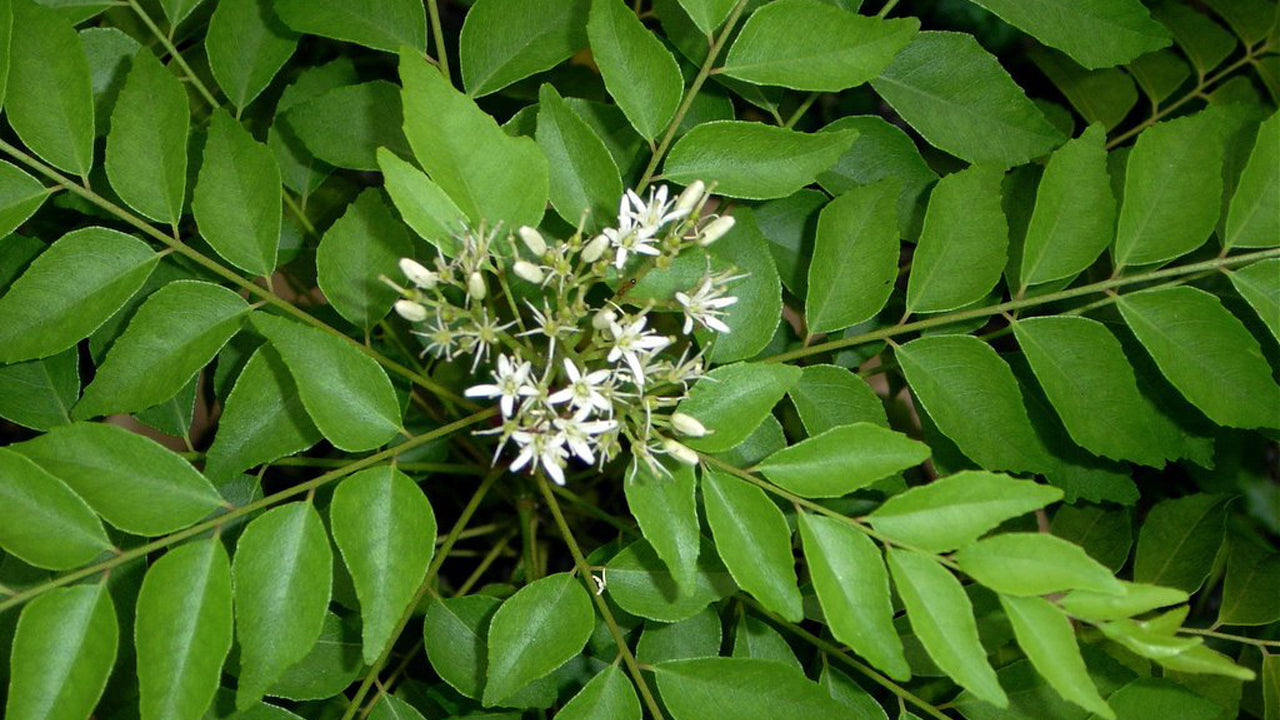
  • Karapincha (curry leaf, Murraya koenigii) — valued for its digestive and antioxidant properties
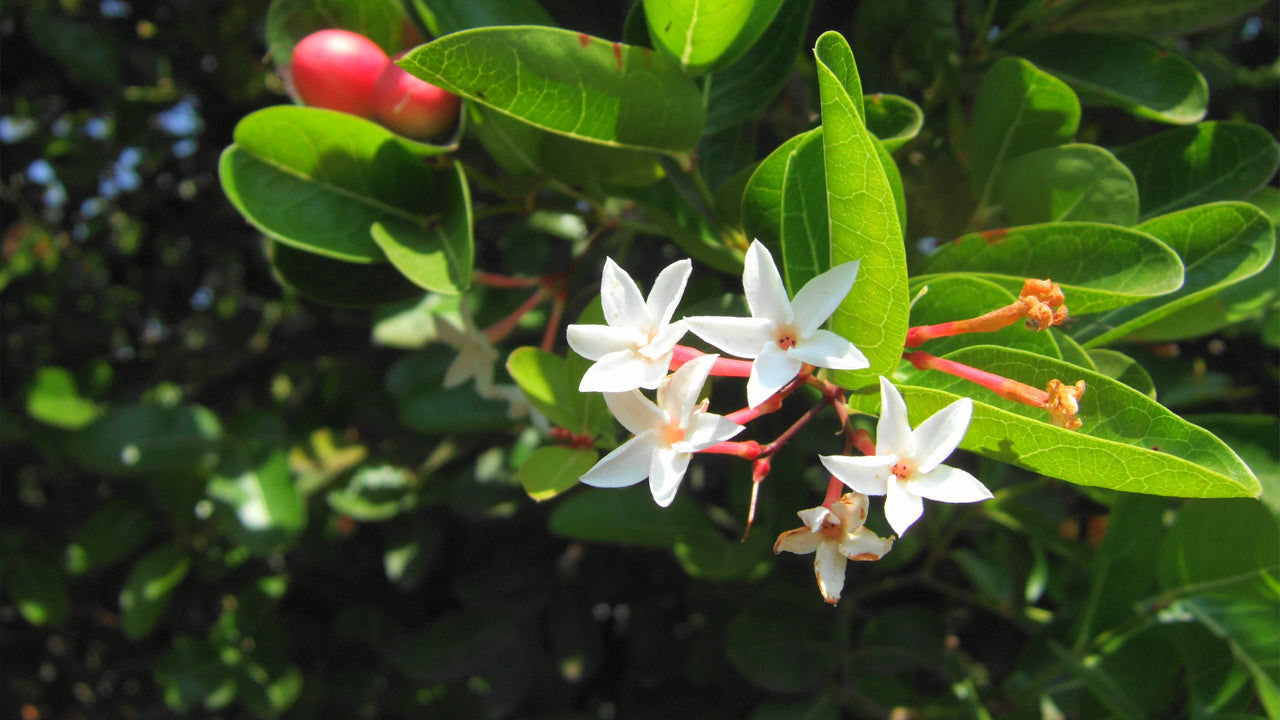
  • Welpenela (Cardiospermum halicacabum) — traditionally used for joint-related complaints

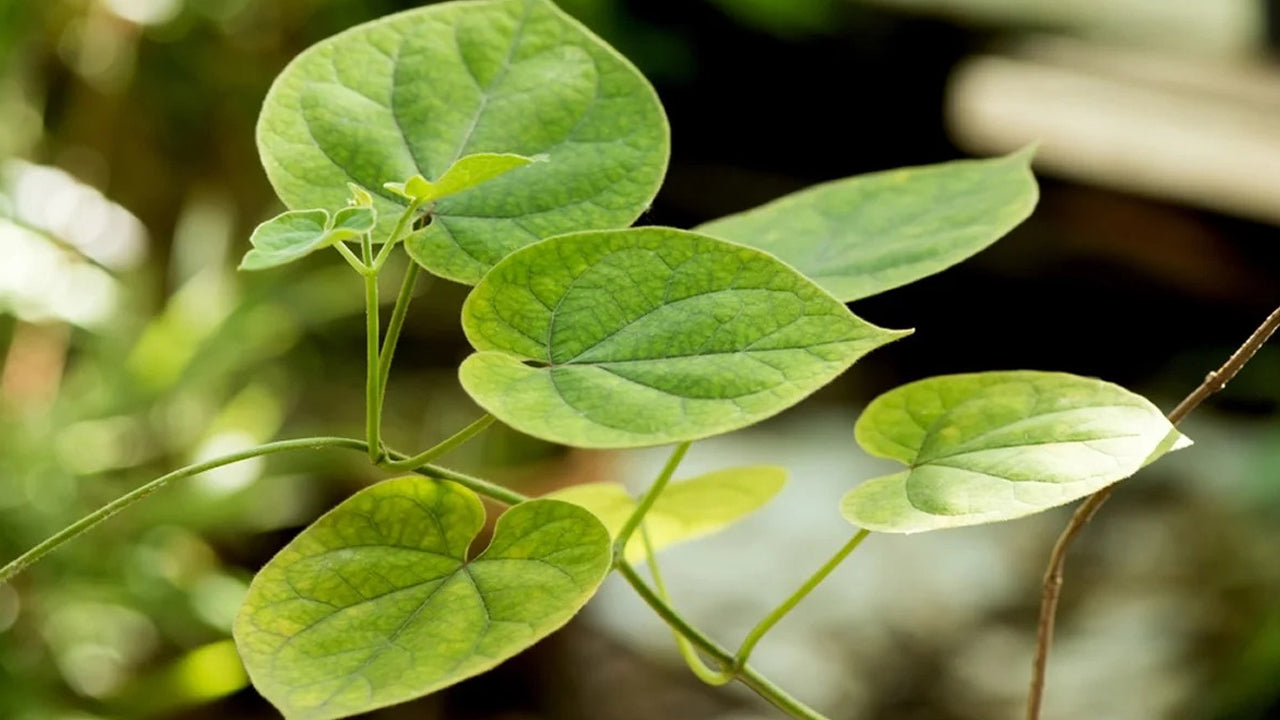
  • Iramusu (Hemidesmus indicus) — considered a blood purifier in indigenous medicine
  • Hatawariya (Asparagus racemosus) — linked to reproductive and general tonic benefits
  • Polpala (Aerva lanata) — commonly recommended for urinary health
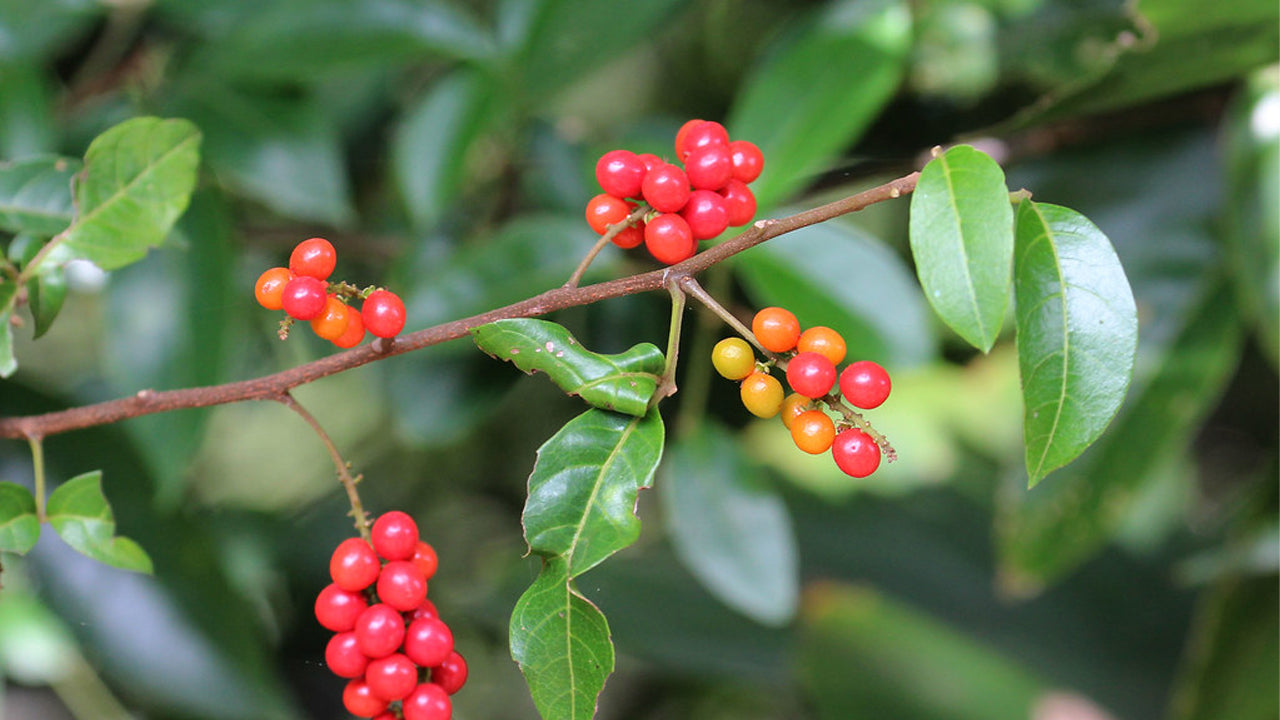
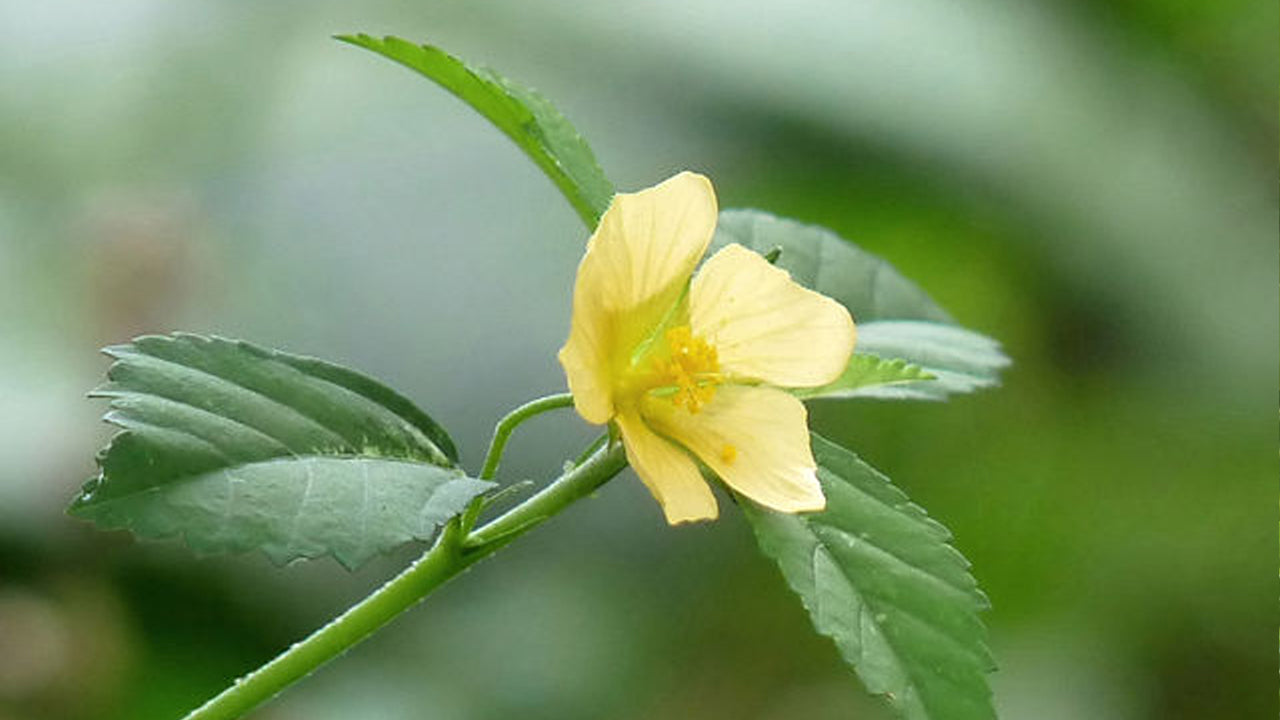
  • Ranawara (Senna auriculata) — used for skin conditions and diabetes management in folk tradition

A single batch of kola kenda may use one dominant herb or a combination of several, depending on local knowledge, seasonal availability, and the specific health intention of the preparer.

How is kola kenda prepared the traditional way?

The traditional method, as documented in indigenous medical references such as Hela Weda Athpotha (authored by Ayurveda Doctor Palitha Shri Gagana Arachchige and published by Dilmah Conservation), involves several distinct stages that preserve both flavour and nutritional integrity.

  1. The rice base: Red nivudu rice is recommended. The grain is soaked for a period, then pounded in a traditional stone mortar (wangediya) rather than milled, to retain its bran and nutritional content. Small red onions, garlic, and raw ginger (amu inguru) are finely chopped and boiled together with the rice until the mixture is thoroughly cooked.
  2. Extracting the leaf juice: The chosen leaves are washed carefully and pounded to extract their juice. Freshly scraped coconut is then pounded together with the leaves for a second extraction, and both liquids are combined.
  3. Adding coconut milk: Coconut milk is prepared separately and combined with the leaf-and-coconut extract. The role of coconut here is functional as well as culinary: the fat content helps retain carotenoids from the leaves that would otherwise be lost during heating.
  4. Final assembly: The leaf extract and coconut milk mixture is added to the cooked rice broth. The heat is turned off promptly after this addition — prolonged cooking at this stage degrades heat-sensitive compounds in the herbs. Sea salt (diya lunu) is added to taste.

The result is a smooth, pale green liquid with a gentle, savoury depth. It should be consumed hot, ideally at breakfast, when the digestive system is considered most receptive in Ayurvedic thinking.

What are the reported health benefits of kola kenda?

Sri Lankan indigenous medicine attributes a wide range of benefits to regular consumption of kola kenda, though these vary with the herbs used. Across the tradition, common associations include immune support, improved digestion, mental alertness, and general detoxification. The dish is considered light enough for convalescents and elderly individuals, while also being sustaining enough to serve as a full morning meal for monks and agricultural workers.

The use of red rice rather than white provides additional fibre, B vitamins, and antioxidants. Garlic and ginger in the base bring their own well-documented antimicrobial and anti-inflammatory compounds. From a modern nutritional standpoint, kola kenda is a low-calorie, nutrient-dense breakfast — a fact that has contributed to its renewed popularity in urban Sri Lanka and among health-conscious visitors.

What is the historical and cultural significance of kola kenda?

According to ancient Pali chronicles including the Dīpavaṃsa and the Mahāvaṃsa, the practice of consuming kola kenda is closely associated with Buddhist monastic culture in Sri Lanka. Monks, who follow a dietary code permitting only two meals per day (breakfast and lunch), have historically relied on kola kenda as a morning sustenance food — light enough to comply with monastic rules, but nutritionally adequate to support a day of meditation and study.

This monastic connection lent kola kenda a degree of cultural prestige that allowed it to persist even as Sri Lankan diets modernised. Today it is served at wellness retreats, Ayurvedic clinics, temple communities, and increasingly at boutique hotels seeking to offer guests an authentic experience. Visitors to cultural sites such as Polonnaruwa sometimes encounter kola kenda being prepared by local families in much the way it would have been made centuries ago.

How is kola kenda different from other herbal drinks in Sri Lankan tradition?

Unlike herbal teas or decoctions (beheth kаnji), which are typically prescribed for specific acute conditions, kola kenda is considered a daily preventive food — part of the dietary discipline rather than the medicinal one. It occupies a space comparable to that of Ceylon green tea in contemporary wellness culture: consumed habitually, valued for cumulative benefit, and embedded in social and ritual life rather than taken as a cure.

It is also distinct from plain rice gruel by virtue of its intentional herb selection. Even when made with common gotukola — the most accessible of the ingredient herbs — the preparation process is deliberate: leaves chosen fresh, juice extracted carefully, heat managed precisely. That intentionality is itself a form of traditional knowledge worth preserving.

Where can visitors try kola kenda in Sri Lanka?

Kola kenda is most readily found in the morning hours at roadside stalls near Buddhist temples, particularly in the Kandy, Kurunegala, and Gampaha districts. Ayurvedic resorts and wellness-focused hotels across the island often include it on breakfast menus. Village homestays in the hill country and the Sinharaja foothills are also good places to experience a traditionally prepared version. In urban areas, dedicated kola kenda stalls open very early — typically from around 5.30 a.m. — and sell out within a few hours, so an early start is advisable.

For those wanting to recreate the dish at home or take the experience back with them, a range of ready-mix and freeze-dried kola kenda preparations is available through Lakpura, using gotukola and other traditional herbs.

Book this experience with Lakpura

Curated by our local team. Direct booking, instant confirmation.

Ask Lakpura® Agent