Lakpura
Lakpura®

Elaeocarpus serratus; Weralu (වෙරළු)

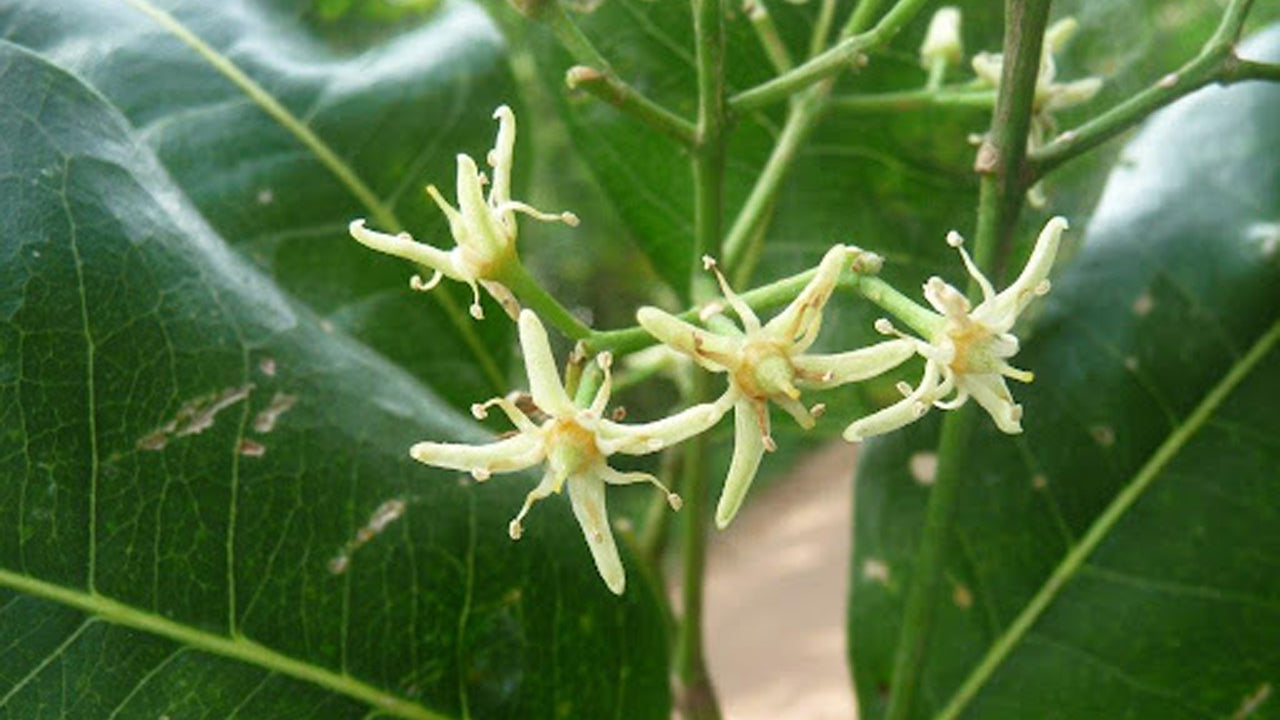
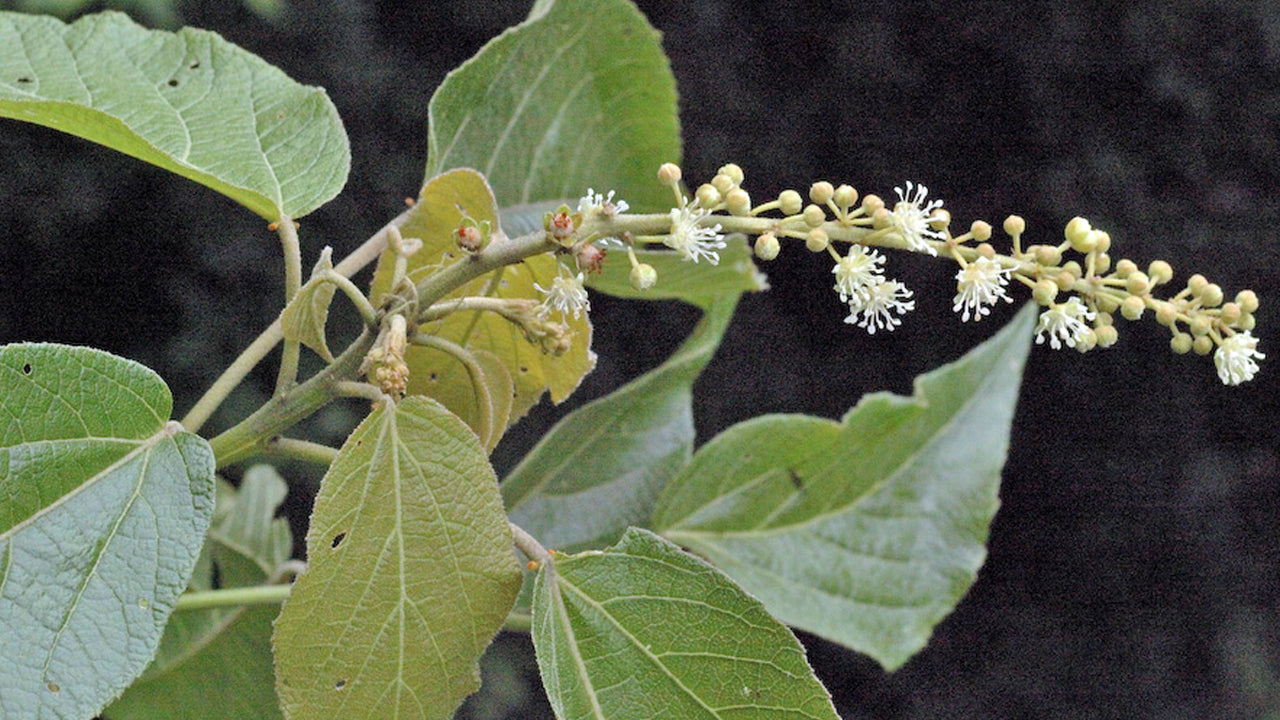
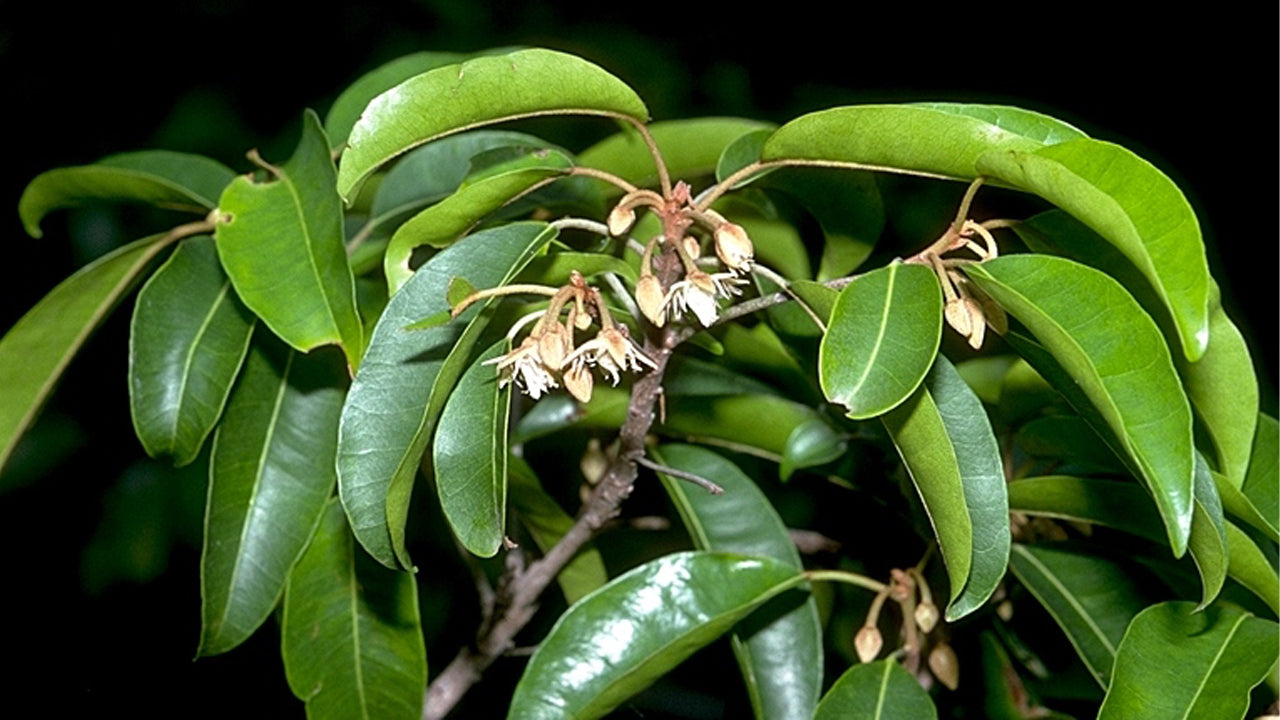
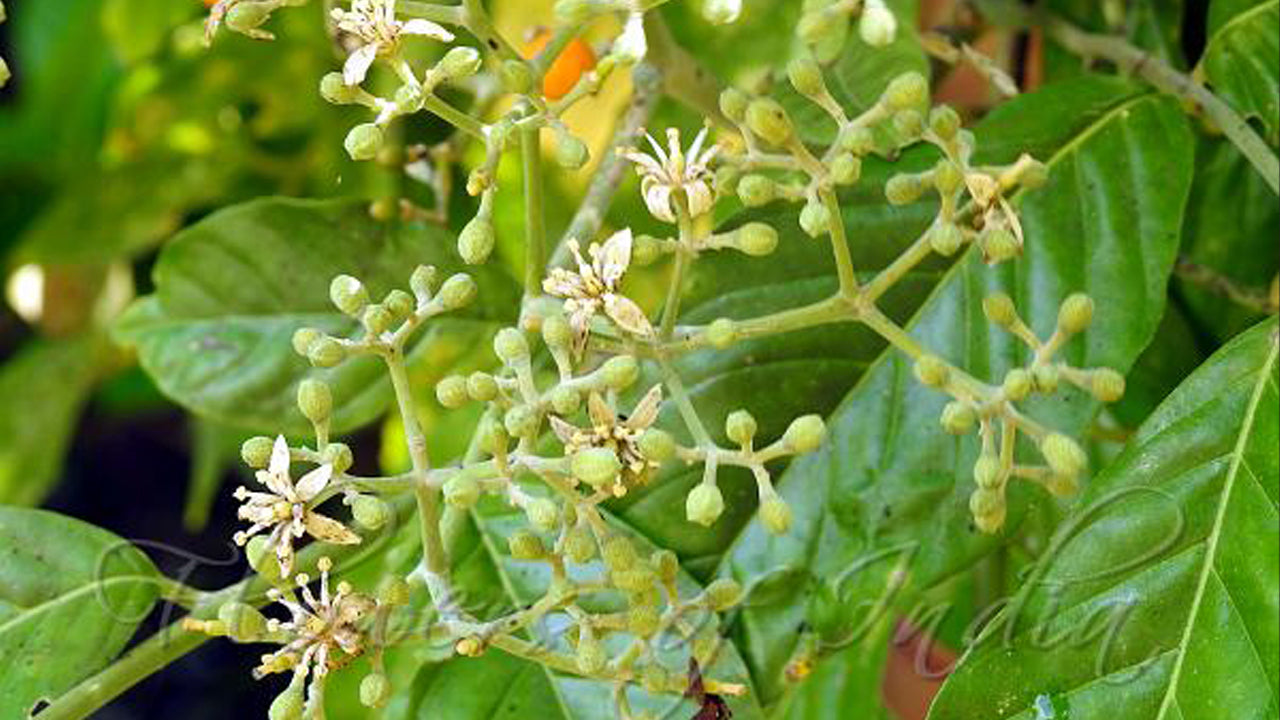
Elaeocarpus serratus, known in Sinhala as Weralu (වෙරළු), is a medium to large tropical tree in the family Elaeocarpaceae. Its small, olive-like fruits have been gathered and eaten in Sri Lanka for centuries, while its leaves and bark hold a respected place in traditional Ayurvedic and folk medicine. The tree is also appreciated for its ornamental white flowers, which appear before the fruits set and lend a quiet elegance to home gardens and forest edges alike.

Where does Elaeocarpus serratus grow?

The species has a disjunctive natural range. In South Asia it is found across Sri Lanka and the coastal districts of southern India, and a separate population occurs further north in Assam, Bangladesh, and adjacent parts of the Indian subcontinent. Within Sri Lanka, Weralu trees grow in both lowland wet-zone forests and home gardens, often planted deliberately for their fruit.

The tree tolerates a range of elevations and soil types, which partly explains why it has become a familiar sight from the coastal lowlands to the mid-country hills. It is not uncommon to find a mature specimen growing near village temples or beside paddy-field boundaries, a testament to its long association with rural life in Sri Lanka.

What does the Weralu fruit look like and taste like?

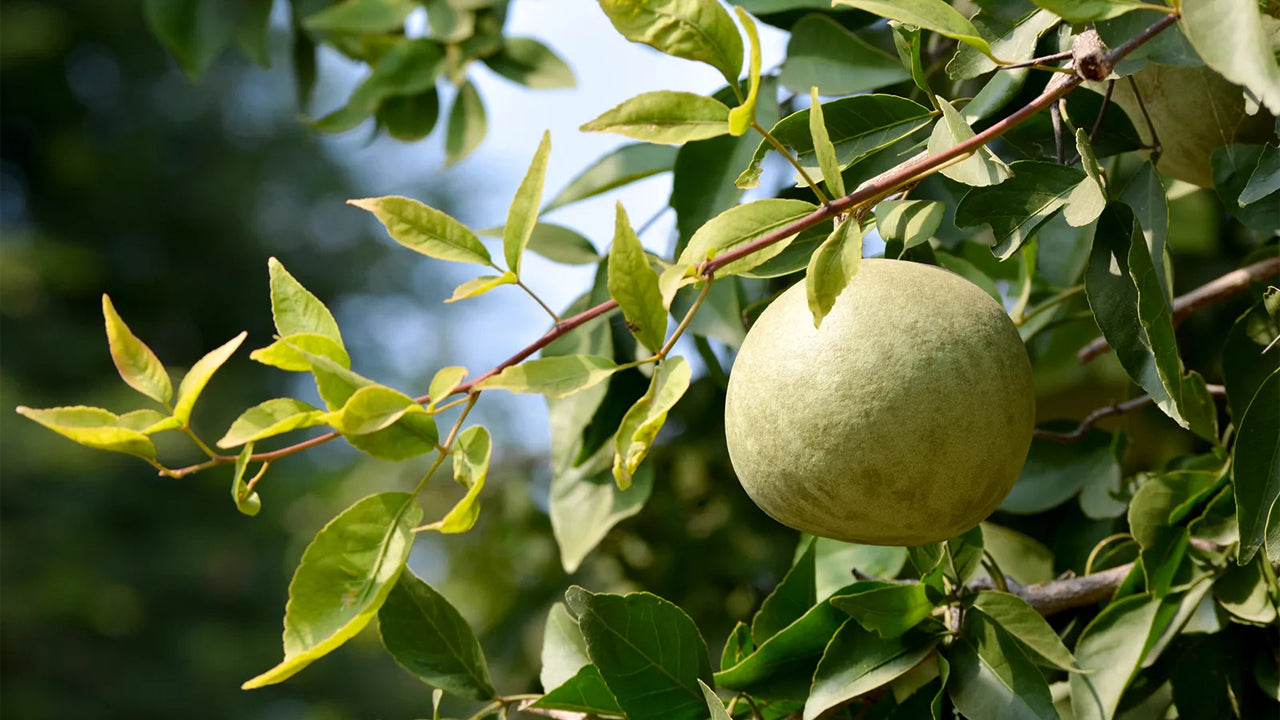
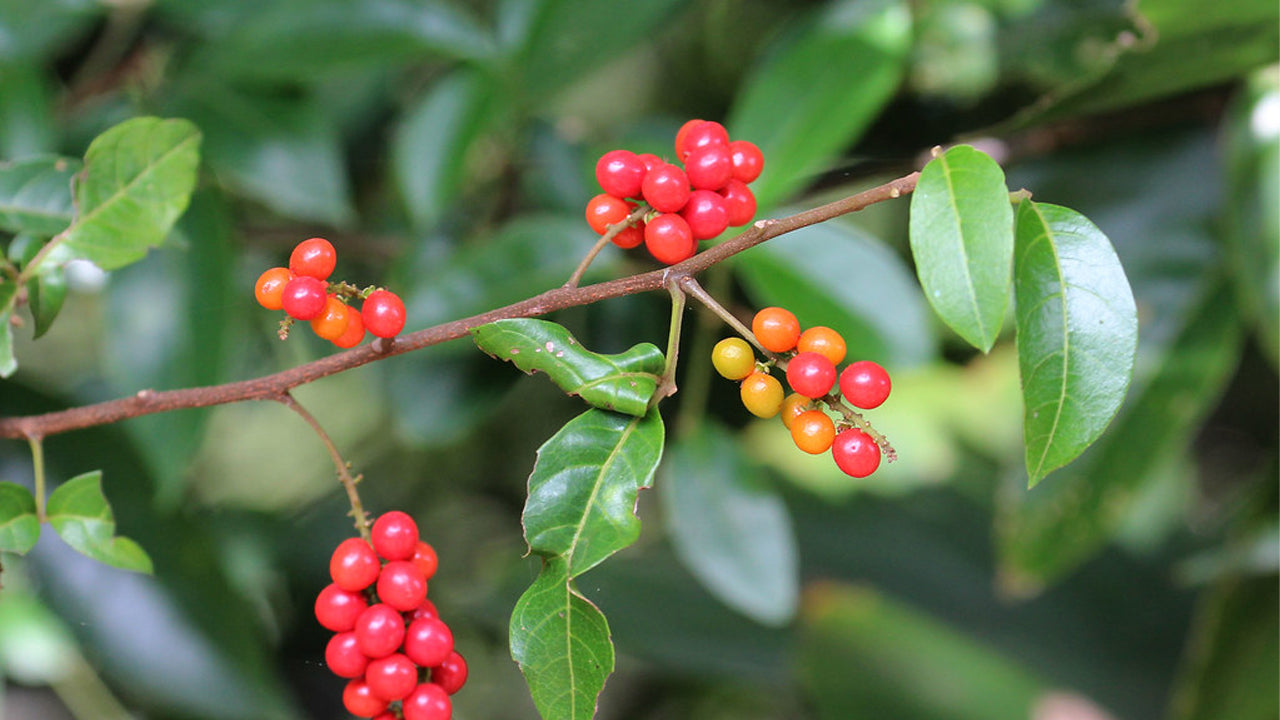
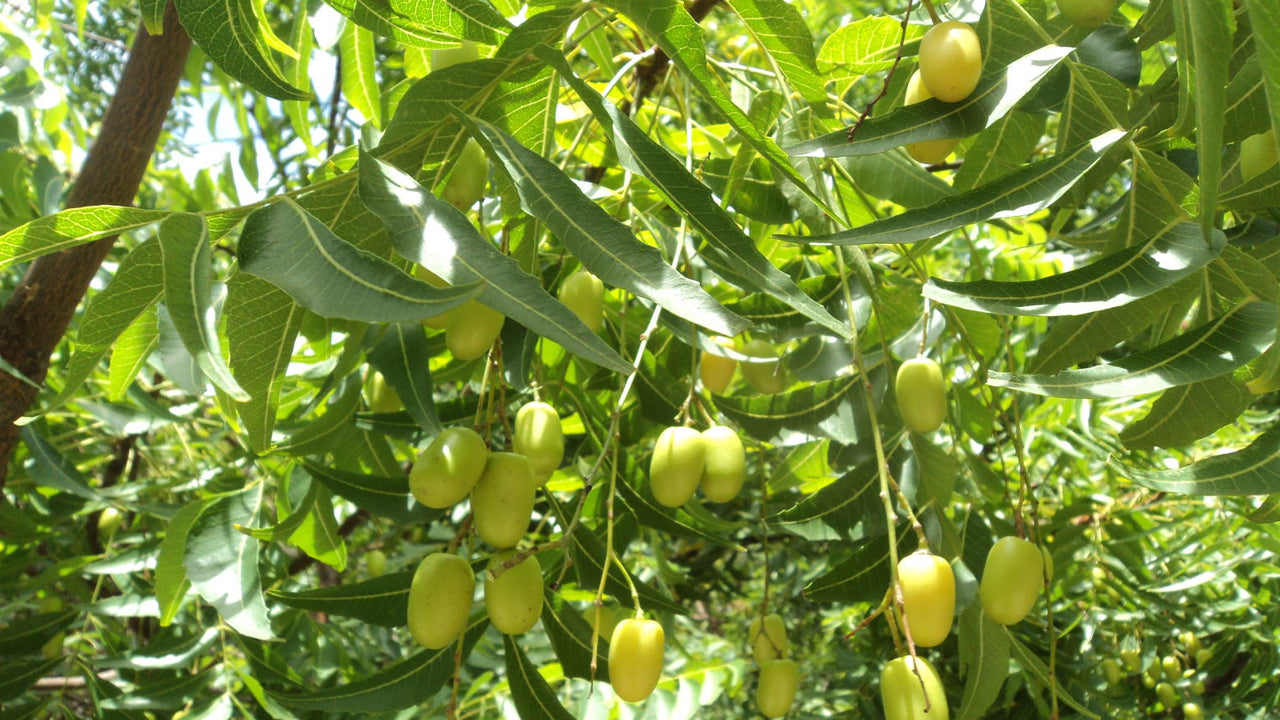
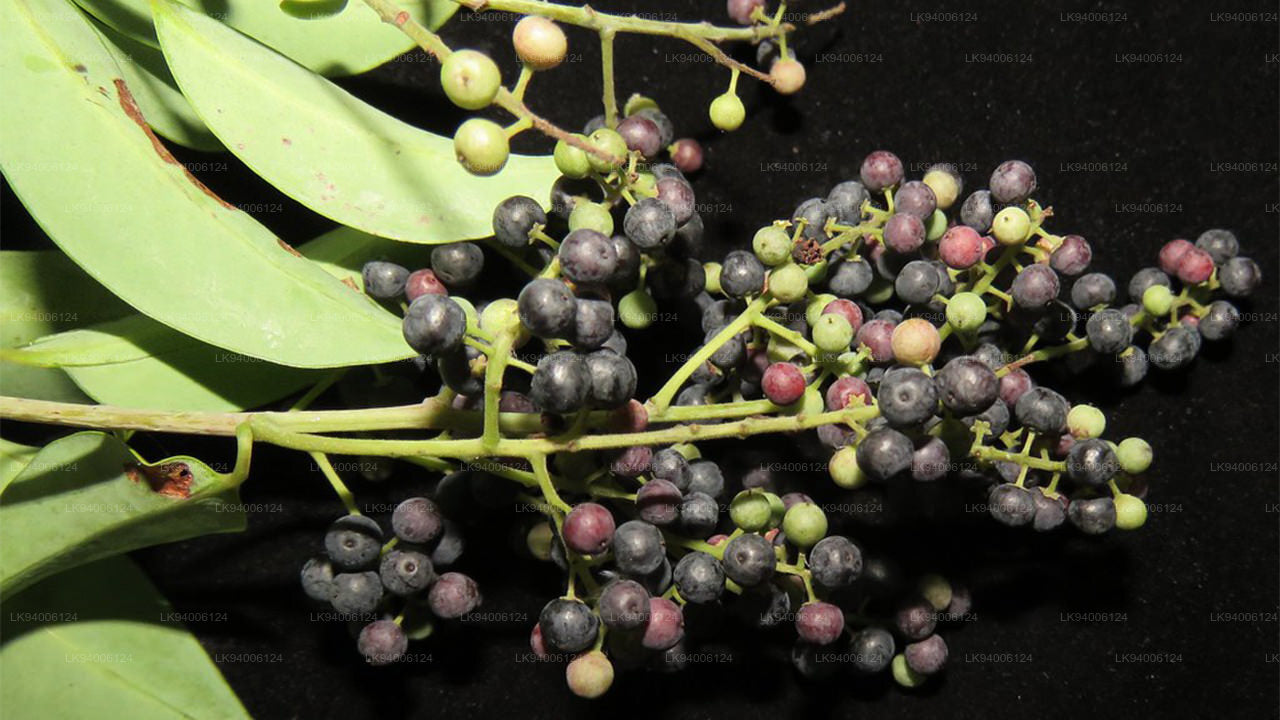
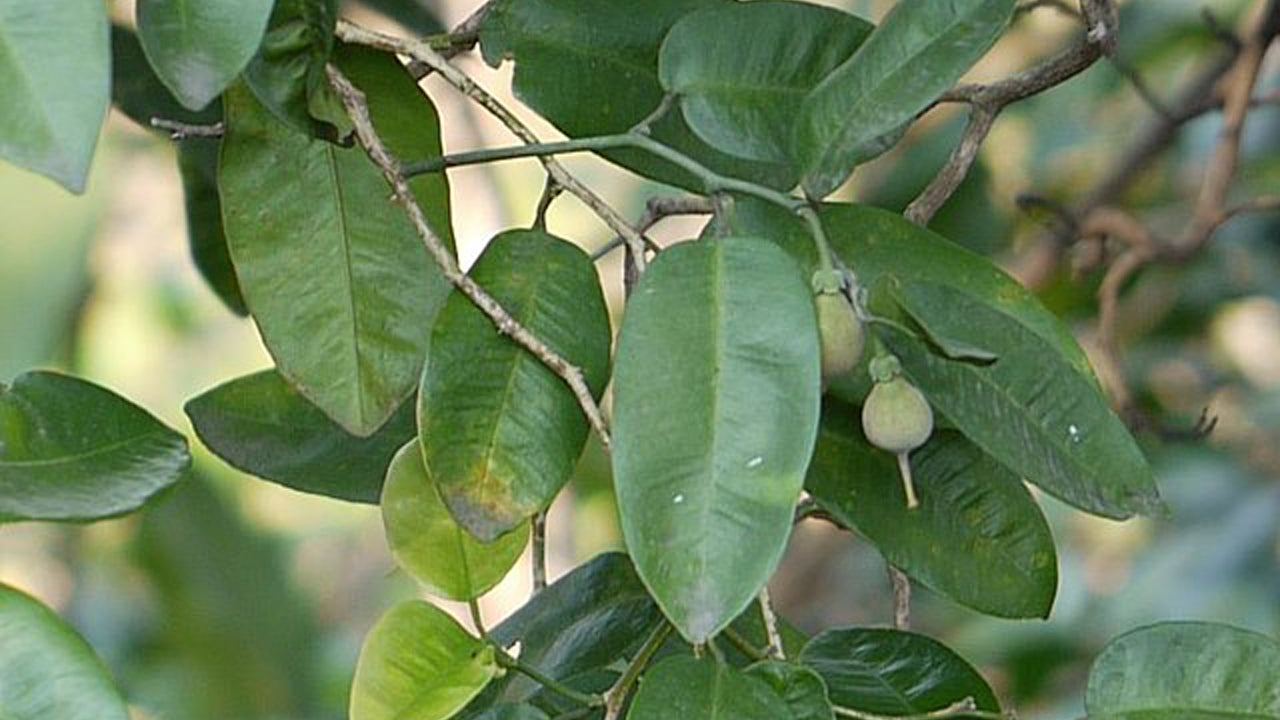
The fruit is small, smooth-skinned, and olive-shaped, turning from green to a dark blue-green at full ripeness. The flesh is firm and slightly tart, with a flavour profile that many describe as a cross between an olive and a sour plum. Despite its modest size, the fruit is notably rich in vitamin C, dietary fibre, and mineral salts, making it a nutritionally dense snack eaten raw, pickled, or prepared as a traditional condiment.

Fruiting typically occurs twice a year, though individual trees in especially favourable conditions may produce fruit more continuously throughout the year. The generous fruiting cycle has made Weralu a reliable seasonal food source in Sri Lankan villages for generations.

What are the traditional and folk-medicinal uses of Weralu?

Weralu occupies a distinct niche in Sri Lankan traditional medicine. Its high vitamin C content has long made it a go-to remedy for supporting dental health and general immunity. Folk practitioners have recorded the following uses:

  • Hair care: A decoction made by boiling Weralu leaves in water is used as a hair rinse, traditionally believed to reduce dryness and add softness and sheen to the hair.
  • Cholesterol management: The fruit is commonly recommended in Ayurvedic dietary guidance as part of a regimen aimed at managing elevated cholesterol levels.
  • Urinary tract health: Weralu preparations are traditionally used to ease discomfort associated with urinary tract infections, particularly among women.
  • Anti-inflammatory effects: Compounds in the fruit and leaves are thought to reduce systemic inflammation; the fruit is included in some traditional dietary approaches to managing gout.
  • Digestive health: The fibre-rich flesh is used as a gentle aid for digestive regularity, and the fruit has a historical reputation as a mild anthelmintic (worm-expelling) agent.
  • Maternal nutrition: There is a long-standing custom in Sri Lanka of giving Weralu fruit to nursing and postpartum mothers, valued for its mineral content and vitamin C.

It is worth noting that while these uses are deeply embedded in Sri Lankan folk tradition, they should be understood as complementary cultural practices rather than clinically validated medical treatments. Anyone with a specific health concern should consult a qualified practitioner.

How is Weralu used in Sri Lankan cuisine?

Beyond eating the fruit fresh off the tree, Weralu appears in several traditional preparations. Pickling in brine or vinegar is perhaps the most common method of preservation, producing a condiment served alongside rice and curry in the way olives are served in Mediterranean cooking. A simple Lunu Dehi-style salt pickle of Weralu is found in village kitchens across the wet zone, and small batches are often prepared at home when fruiting season peaks.

The fruit can also be cooked into a curry or a sour relish (called an achcharu in Sinhala), where its natural tartness balances richer dishes. Dried Weralu, though less common today, was historically used as a souring agent in cooking during periods when fresh fruit was scarce.

What is the cultural and religious significance of Elaeocarpus serratus?

Elaeocarpus species hold notable religious importance across several Asian traditions, and Weralu is no exception in Sri Lanka. The tree is sometimes planted within or near temple compounds, reflecting a broader reverence for trees with medicinal and protective associations in Theravada Buddhist culture. The fruit and leaves appear in offerings during certain auspicious occasions, and the tree itself is regarded as auspicious in some regional folk traditions.

Botanically related Elaeocarpus species — particularly E. ganitrus — produce the seeds used to make rudraksha beads, sacred in Hindu devotional practice. While Weralu seeds are not used for this purpose, the shared genus means the tree carries a degree of cross-cultural botanical prestige across South Asian communities.

How does Weralu compare to other native Sri Lankan plants?

Sri Lanka's biodiversity includes many native trees with dual culinary and medicinal roles. Pongamia pinnata, for example, is another native species used in traditional medicine, though primarily for its oil rather than its fruit. Similarly, Acacia chundra is valued for its bark in Ayurvedic preparations. Weralu stands apart from these mainly because it is genuinely enjoyed as food — not just tolerated as medicine — which gives it an everyday cultural presence that purely medicinal plants rarely achieve.

The tree also differs from most cultivated fruit trees in that it typically grows with minimal intervention. It does not require the intensive care demanded by commercial fruit crops, which makes it well suited to agroforestry settings and home gardens where low-maintenance productivity is valued.

Can Weralu be grown outside Sri Lanka?

Elaeocarpus serratus is best suited to tropical and subtropical climates with reliable rainfall. It has been cultivated in parts of South and Southeast Asia beyond its native range, and botanical gardens in tropical countries sometimes include it in their collections. It is generally not frost-tolerant, and growing it successfully in temperate climates would require a controlled glasshouse environment. Within Sri Lanka, the tree is relatively easy to propagate and is sometimes available as saplings through nurseries serving the horticultural and home-garden market.

Ask Lakpura® Agent