Deegavapiya (Deegawapiya)


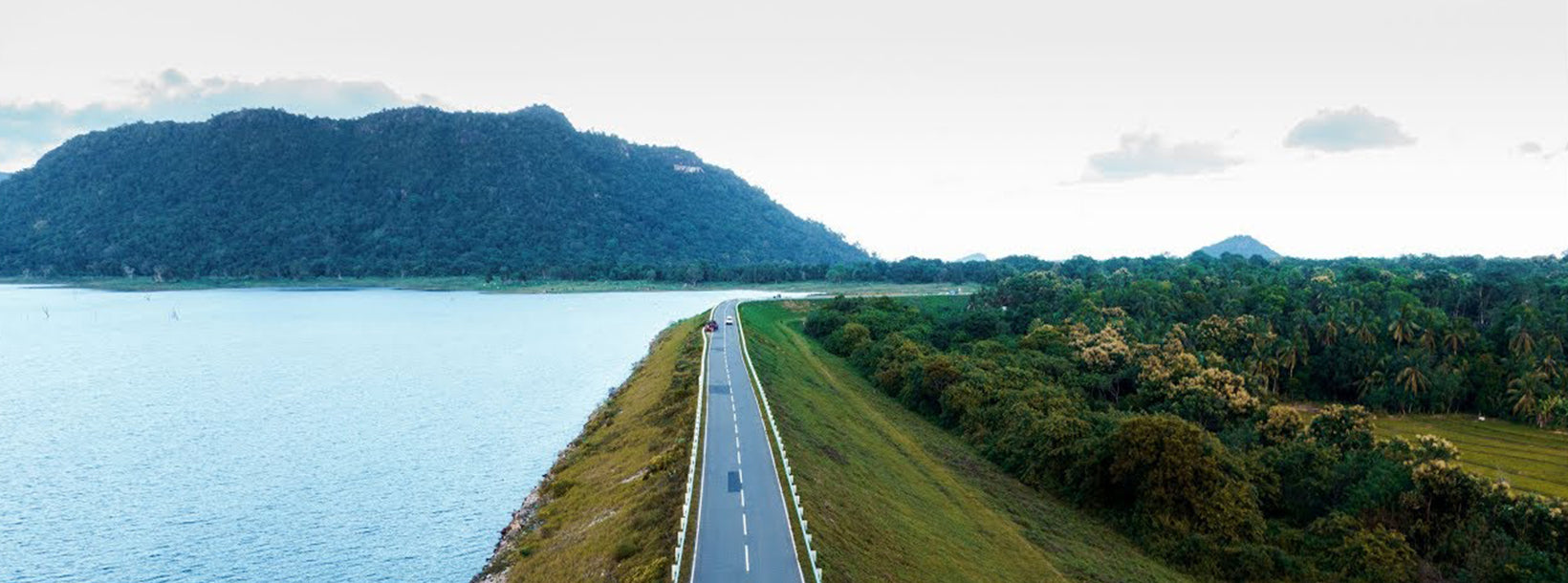
Deegavapiya är ett gammalt buddhisttempel som är mycket besökt för dess historiska och religiösa betydelse. Betydelsen av Deegavapiya är kopplad till legender om att Buddha själv besökte denna plats. I modernare (medeltida) tid bosatte singalesiska kungar mooriska och holländska bosättare i de omkringliggande områdena. Byggnationen förväntas vara klar i slutet av 2023.
Om Ampara-distriktet
Ampara tillhör Östra provinsen i Sri Lanka. Det är en avlägsen stad på östra kusten av Sri Lanka, cirka 239 km från huvudstaden Colombo. Ampara är den största risodlingsprovinsen i landet och har Indiska oceanen på östra kusten av Sri Lanka som fiskeområde. De flesta invånarna är singaleser, medan tamiler och moorer också bor i de kustnära delarna av distriktet.
Om Östra provinsen
Östra provinsen är en av de 9 provinserna i Sri Lanka. Provinserna har funnits sedan 1800-talet, men de hade inget juridiskt status fram till 1987 när den 13:e ändringen i Sri Lankas konstitution upprättade provinsråd. Mellan 1988 och 2006 slogs provinsen tillfälligt samman med Norra provinsen för att bilda Nordöstra provinsen. Huvudstaden i provinsen är Trincomalee. Befolkningen i Östra provinsen var 1 460 939 år 2007. Provinsen är den mest etniskt och religiöst mångfaldiga i Sri Lanka.
Östra provinsen har en yta på 9 996 kvadratkilometer (3 859,5 kvadratmil). Provinsen gränsar till Norra provinsen i norr, Bengaliska viken i öster, Södra provinsen i söder och Uva, Central och North Central provinserna i väster. Provinsens kust domineras av laguner, de största är Batticaloa-lagunen, Kokkilai-lagunen, Upaar-lagunen och Ullackalie-lagunen.