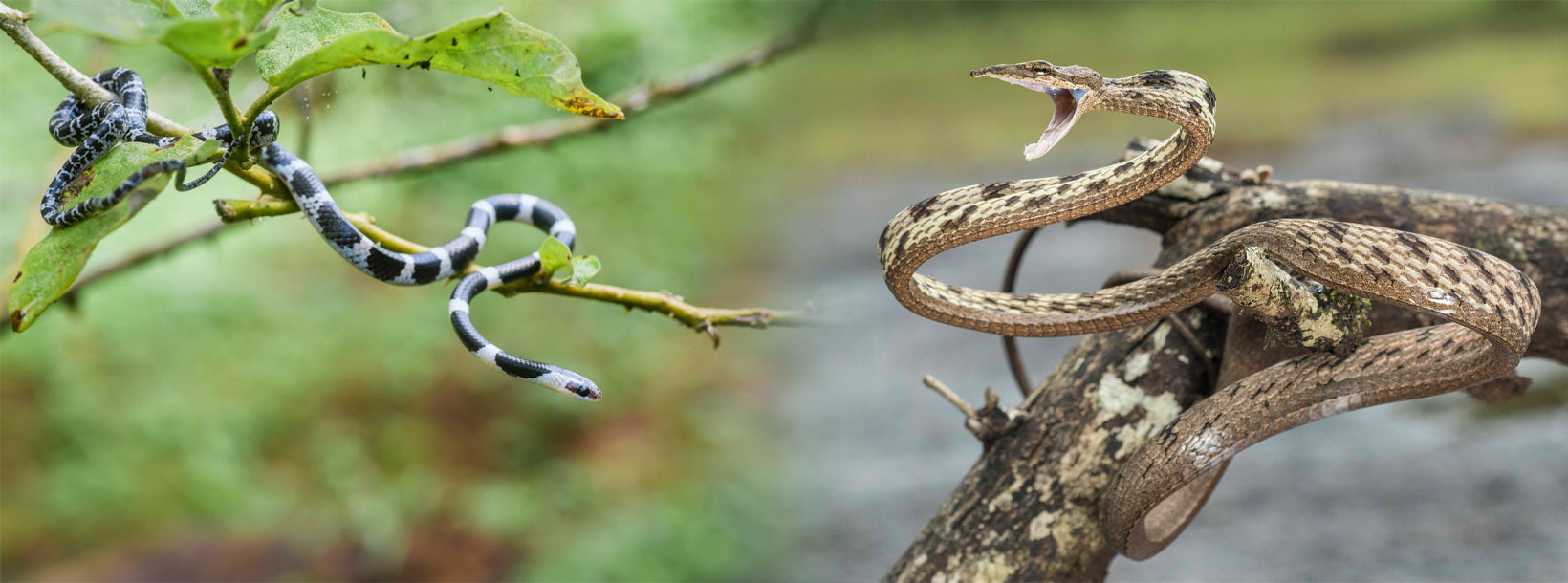
de Silva's Rough-sided Snake


Scientific Name: Xenochrophis asperrimus
Family: Colubridae (a large family that includes a variety of non-venomous and mildly venomous snakes)
Common Name(s): De Silva's Rough-sided Snake, Sri Lankan Rough-sided Water Snake
Overview:
De Silva's Rough-sided Snake is a relatively non-venomous species of colubrid found in Sri Lanka, typically in freshwater environments. It is named for its characteristic rough scales, which give its body a distinctive texture. The species is semi-aquatic and commonly found around ponds, streams, and marshes, where it forages for small prey. Despite its somewhat intimidating name, this snake is not aggressive and is generally considered harmless to humans.
Physical Description:
- Size: This species typically grows to a moderate size, ranging between 1 to 1.5 meters (about 3.3 to 5 feet) in length. Larger individuals may be encountered, though they are relatively rare.
- Coloration: De Silva's Rough-sided Snake generally has a dark, olive-brown or grayish body with lighter, sometimes yellowish or cream-colored markings along the sides. The belly is usually lighter in color, often appearing white or pale yellow.
- Scales: The rough, keeled scales are one of the most distinctive features of this species. These scales give the snake its "rough-sided" texture, which helps it grip surfaces, particularly when climbing or moving through wet environments.
- Head: The head is slightly flattened, with a distinctive, pointed snout, which aids in foraging and hunting in water. The snake's eyes are relatively large, allowing it to spot prey both on land and in water.
Habitat and Distribution:
- Geographical Range: De Silva's Rough-sided Snake is endemic to Sri Lanka, meaning it is found nowhere else in the world. It is primarily distributed across lowland and midland areas of the island.
- Habitat: This species is semi-aquatic, meaning it is most commonly found near freshwater habitats, including ponds, streams, marshes, and rivers. It prefers areas with vegetation and rocks near the water, where it can easily hunt and seek refuge.
- Climbing and Burrowing: In addition to its aquatic habitats, this snake can be found on land as well, where it may climb over rocks or burrow into vegetation. Its rough scales help it move easily through such environments.
Behavior and Diet:
- Feeding: De Silva's Rough-sided Snake is a carnivorous species, feeding primarily on small fish, amphibians, and aquatic invertebrates. It is an active hunter, typically ambushing or chasing down its prey near the water's edge. Its diet may also include frogs and other small creatures found near freshwater habitats.
- Venom: The snake is non-venomous, with a mildly venomous bite that is not harmful to humans. It uses its venom to subdue small prey but does not pose a significant threat to people. While its venom ma
-
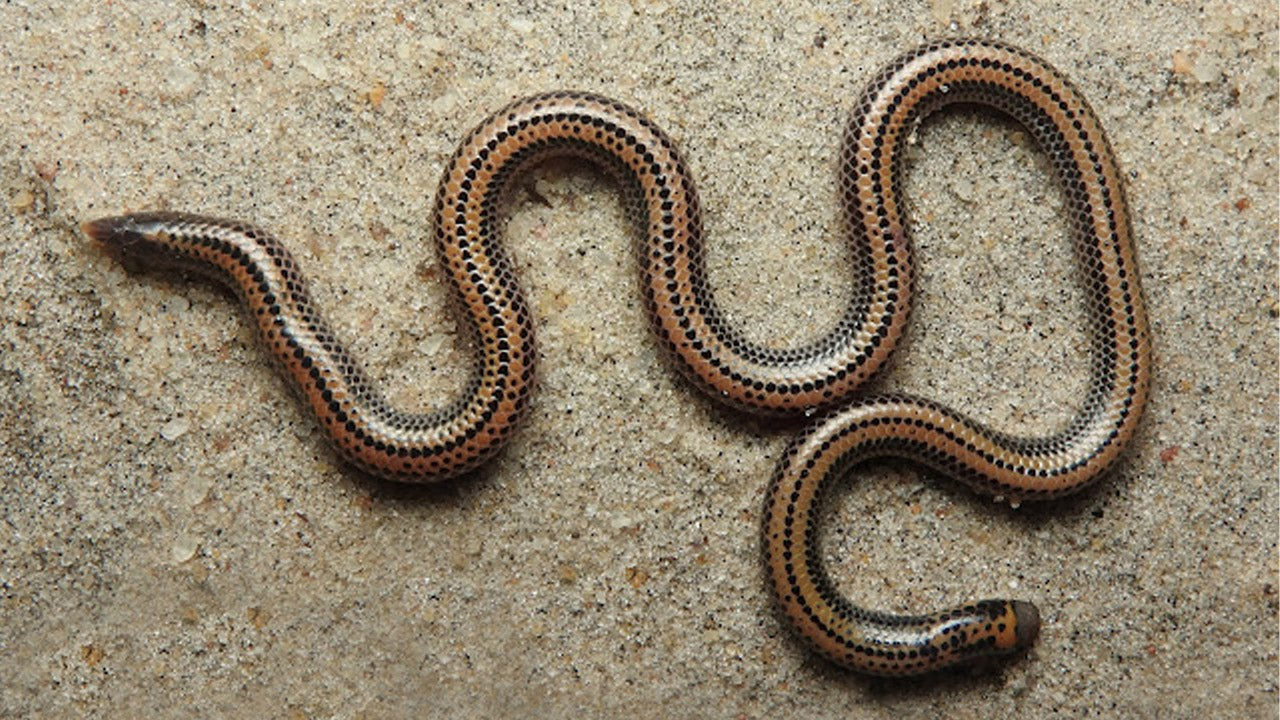 Muller's Shieldtail
Uropeltis mülleri
-
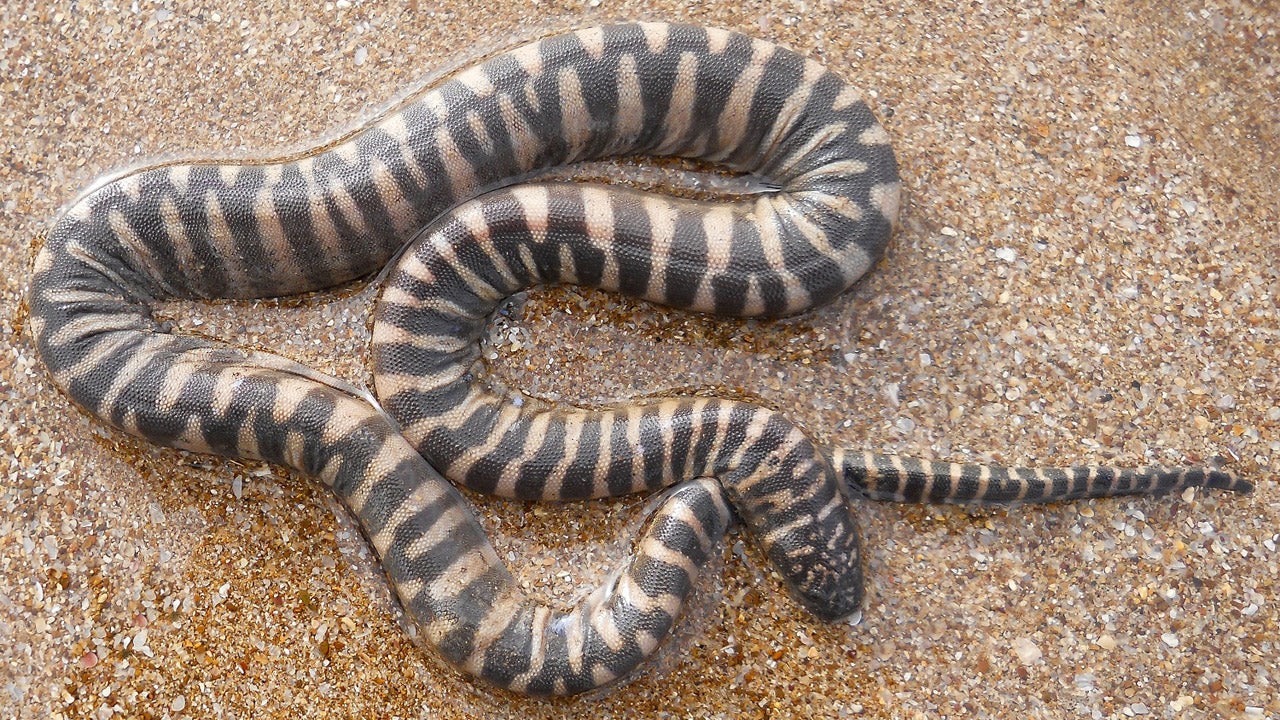 Wart Snake
Acrochordus
-
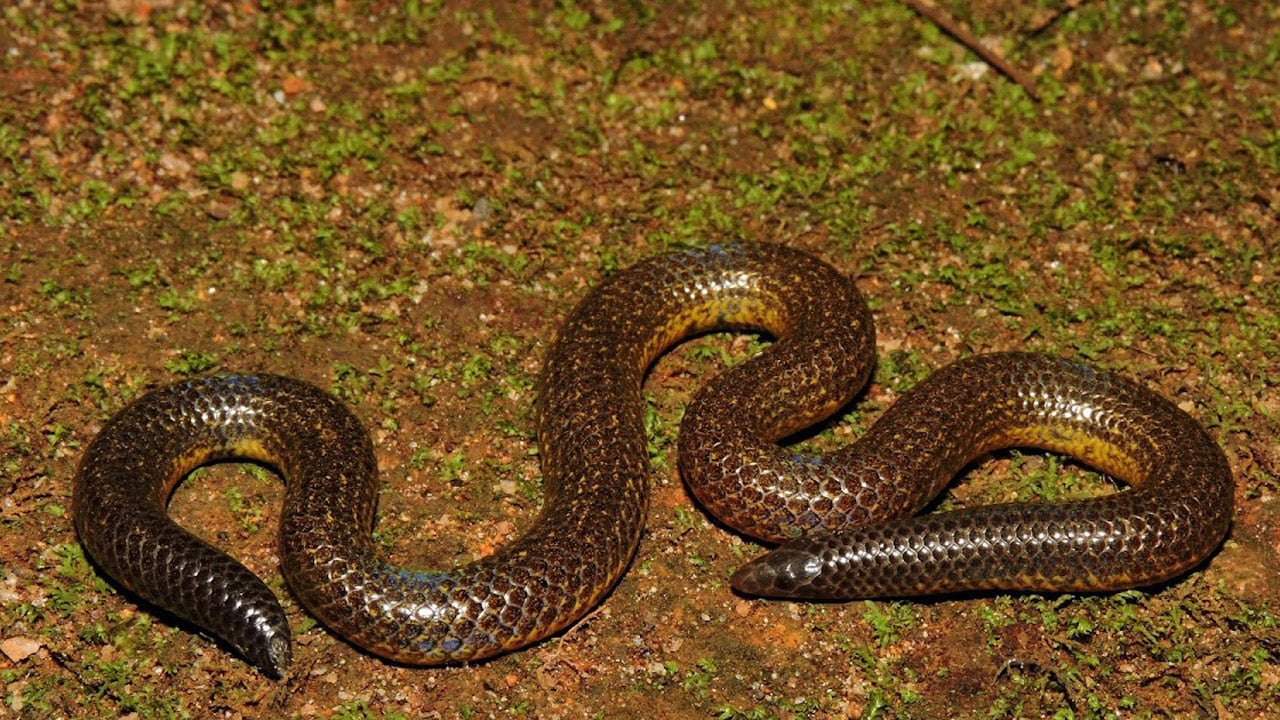 Drummond-Hay's Shieldtail
Rhinophis drummondhayi
-
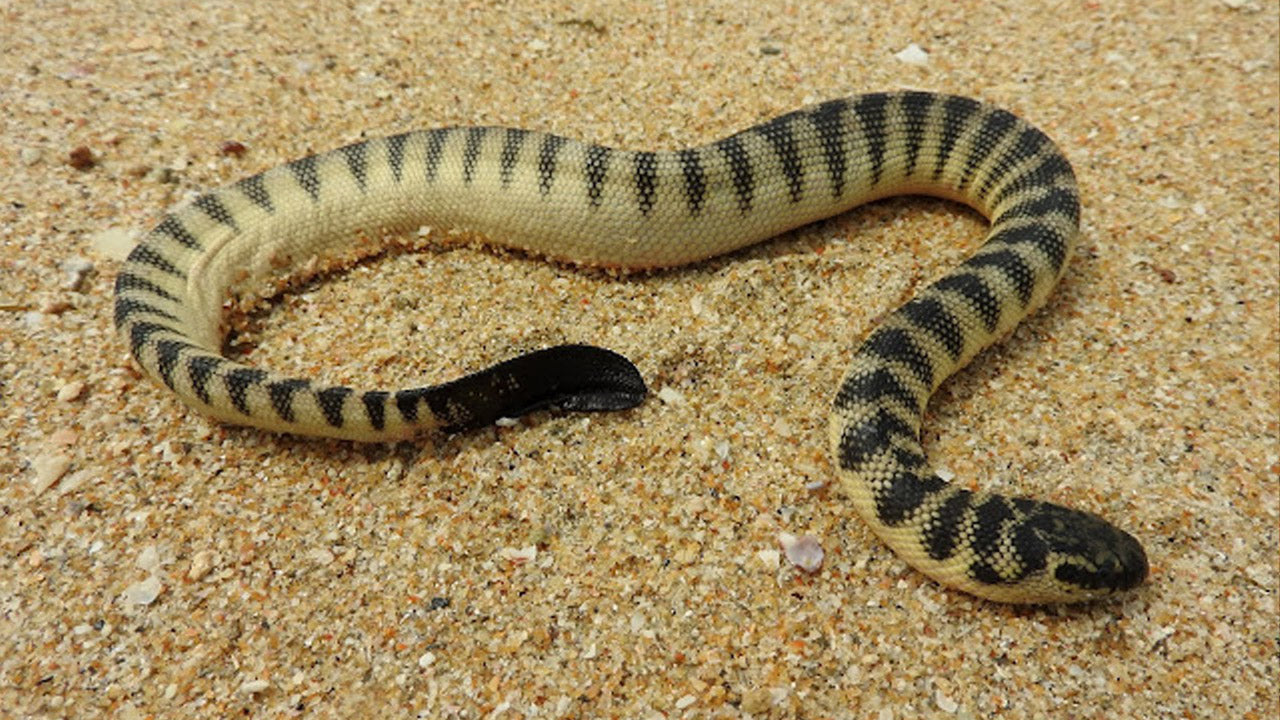 Shaw's Sea Snake
Hydrophis curtus
-
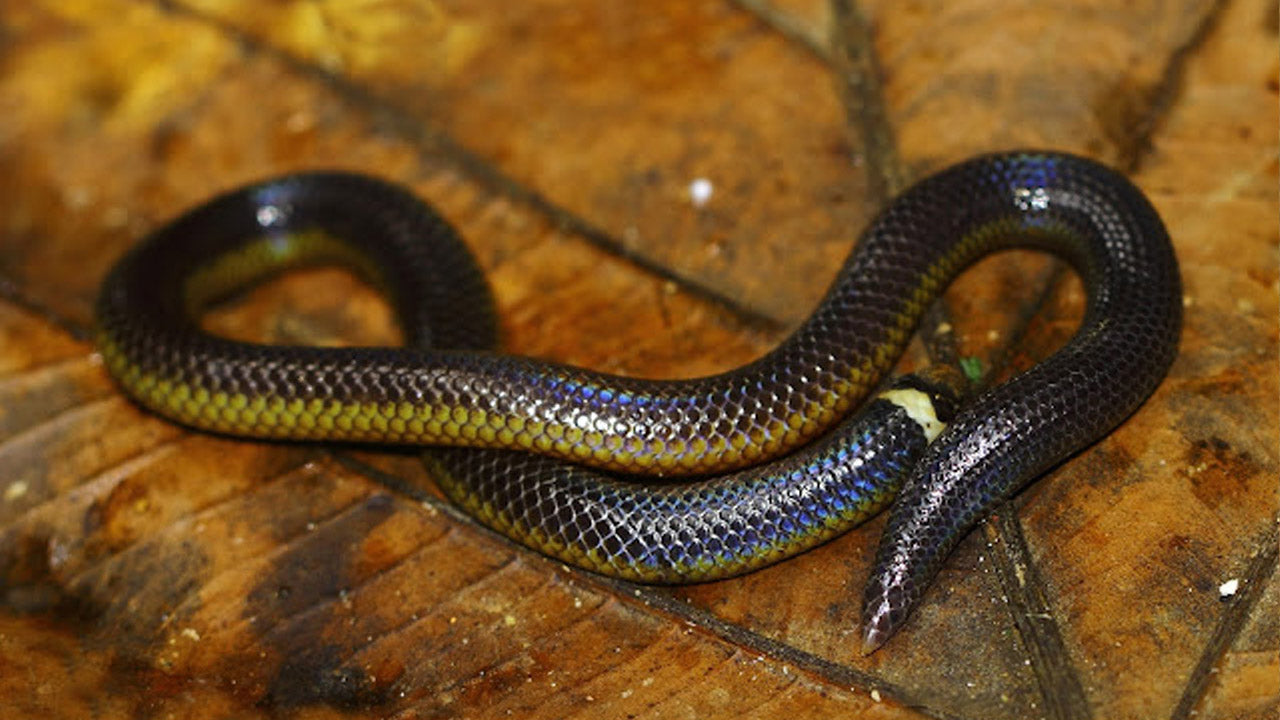 Deraniyagala's Shieldtail
Rhinophis tricoloratus
-
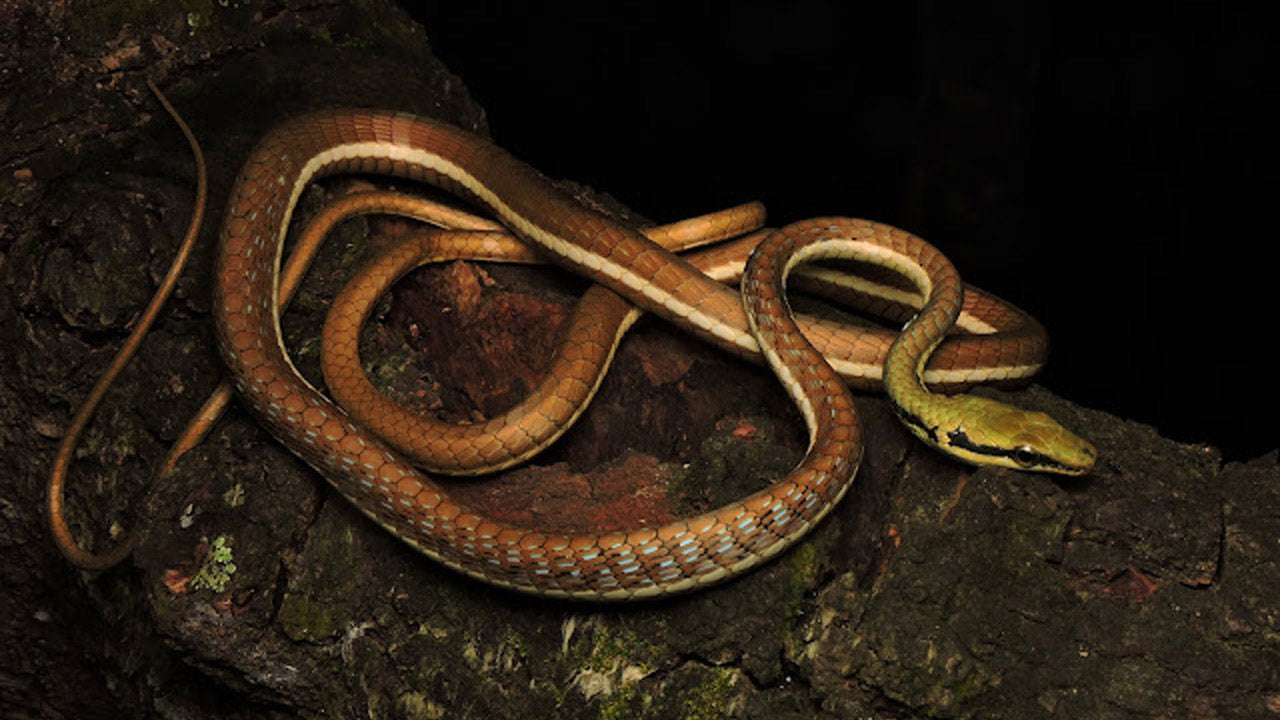 Wickramasinghe's Bronzeback
Dendrelaphis wickrorum
-
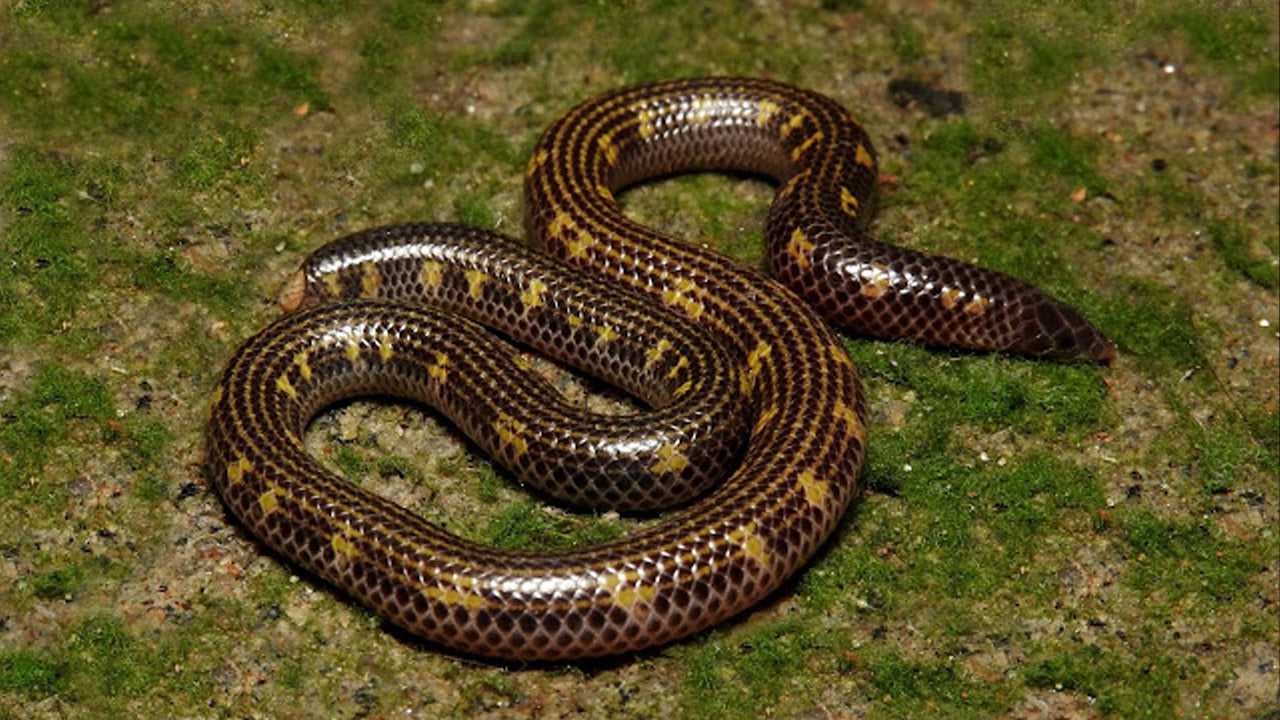 Phillip's Earth Snake
Rhinophis phillipsi
-
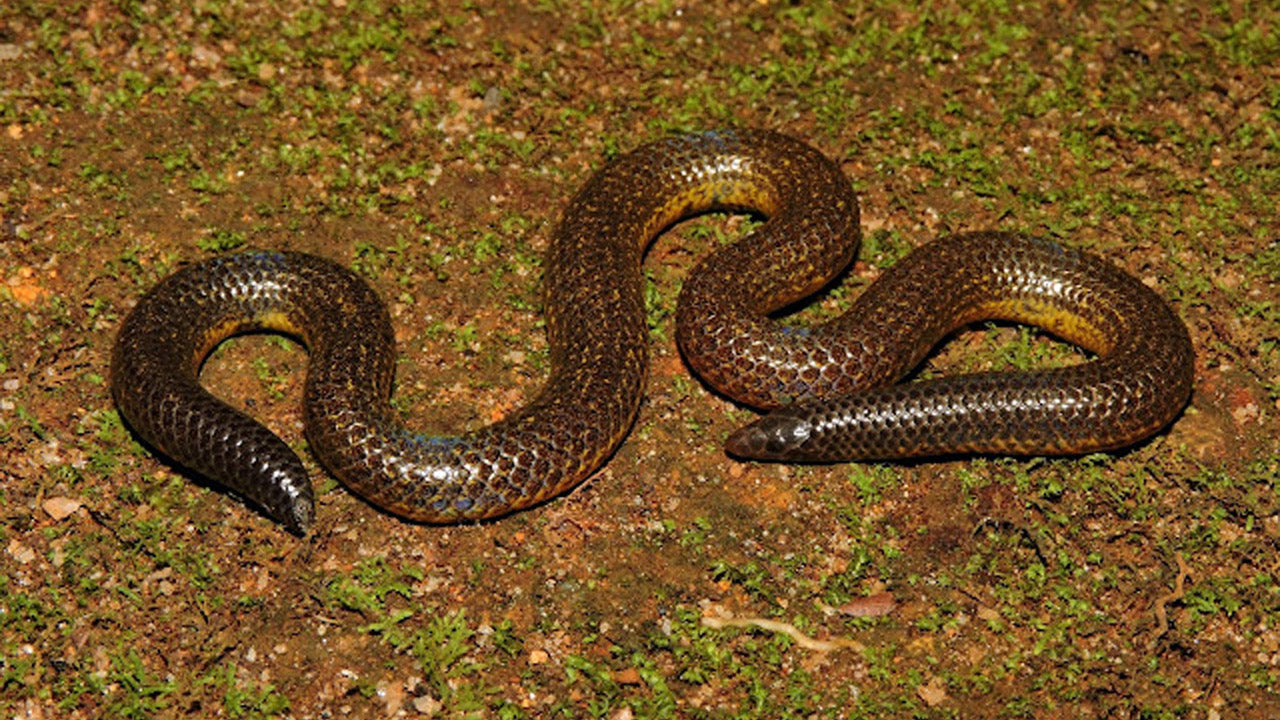 Gray's Earth Snake
Aparallactus grayi
-
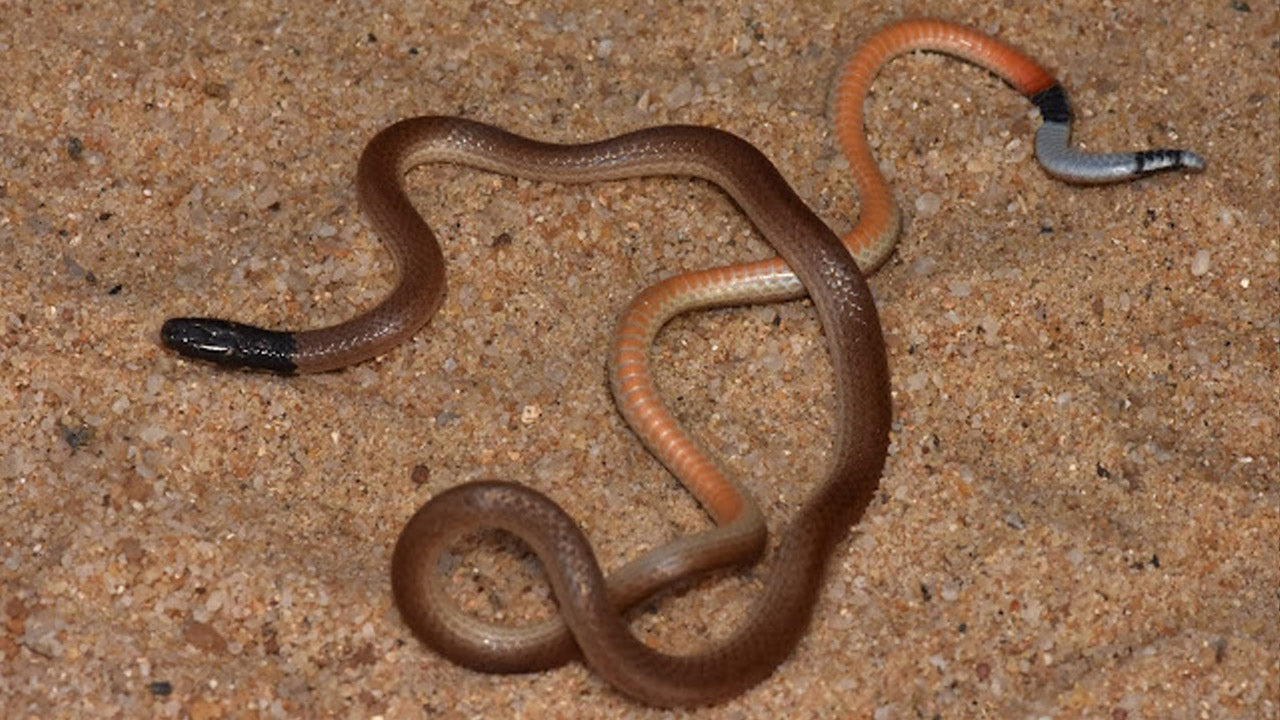 Slender Coral Snake
Calliophis Melanurus
-
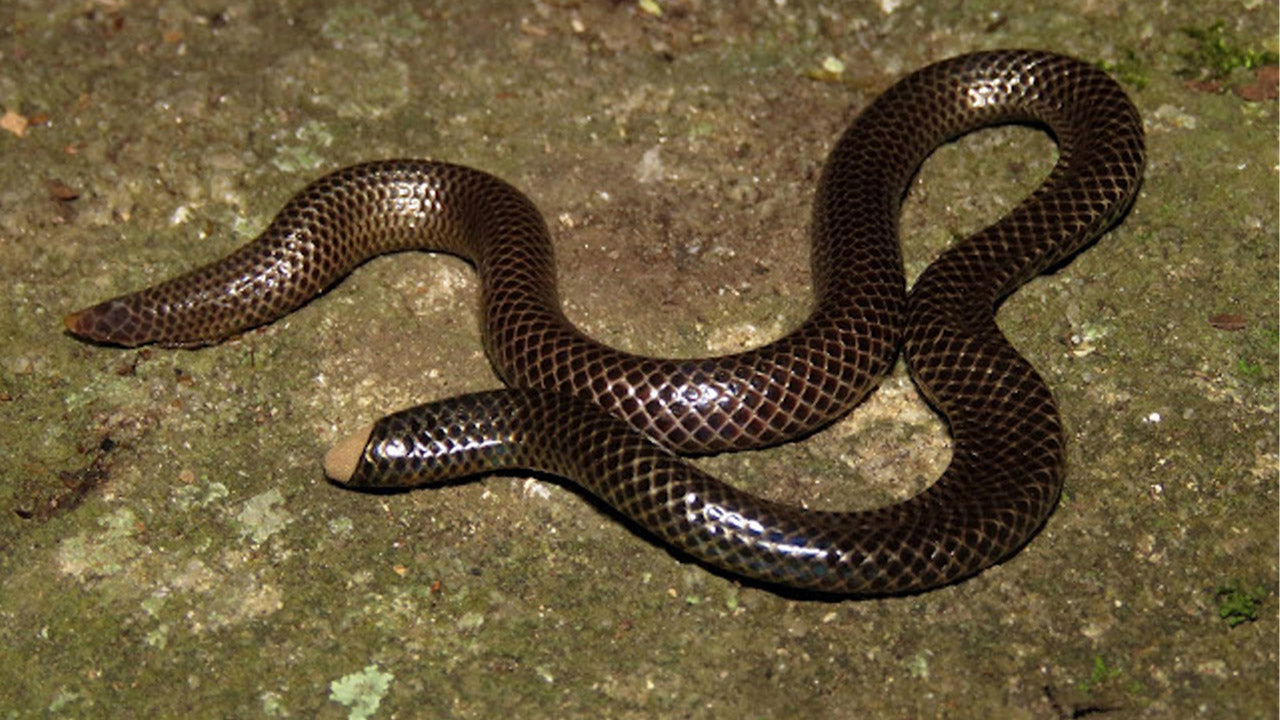 Cuvier's Shieldtail
Uropeltis ceylanica
-
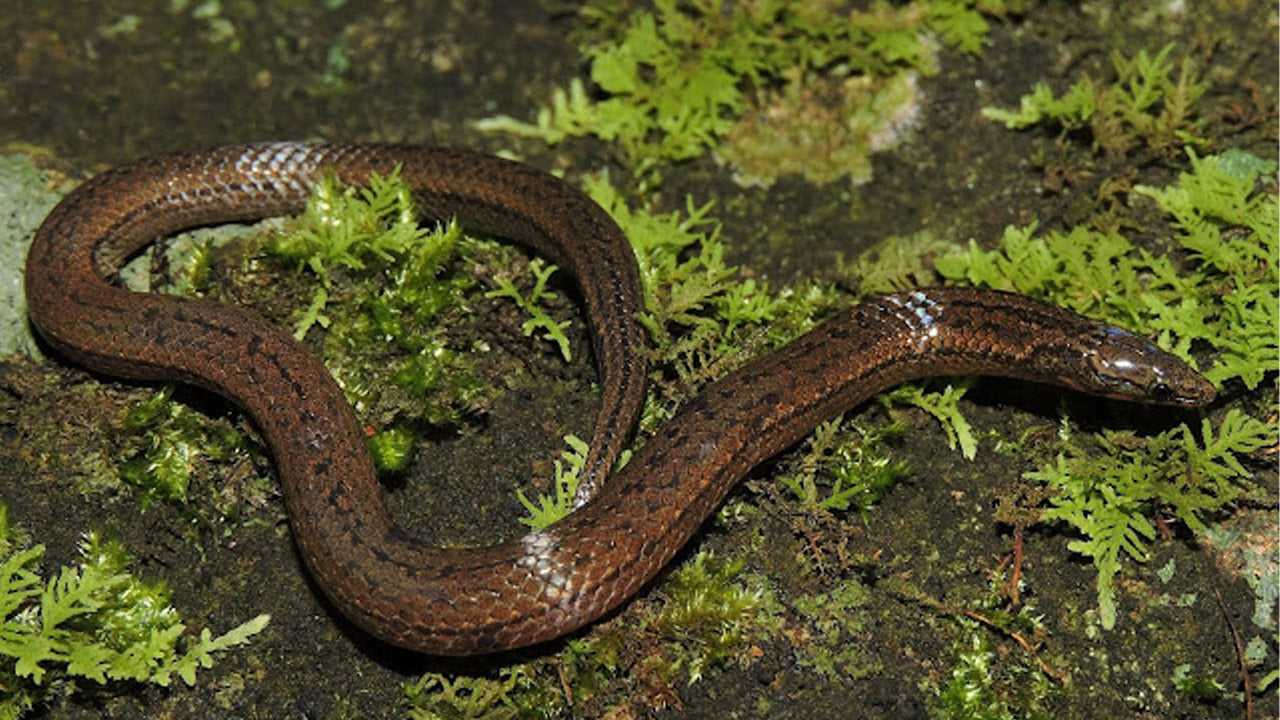 de Silva's Rough-sided Snake
Aspidura desilvai
-
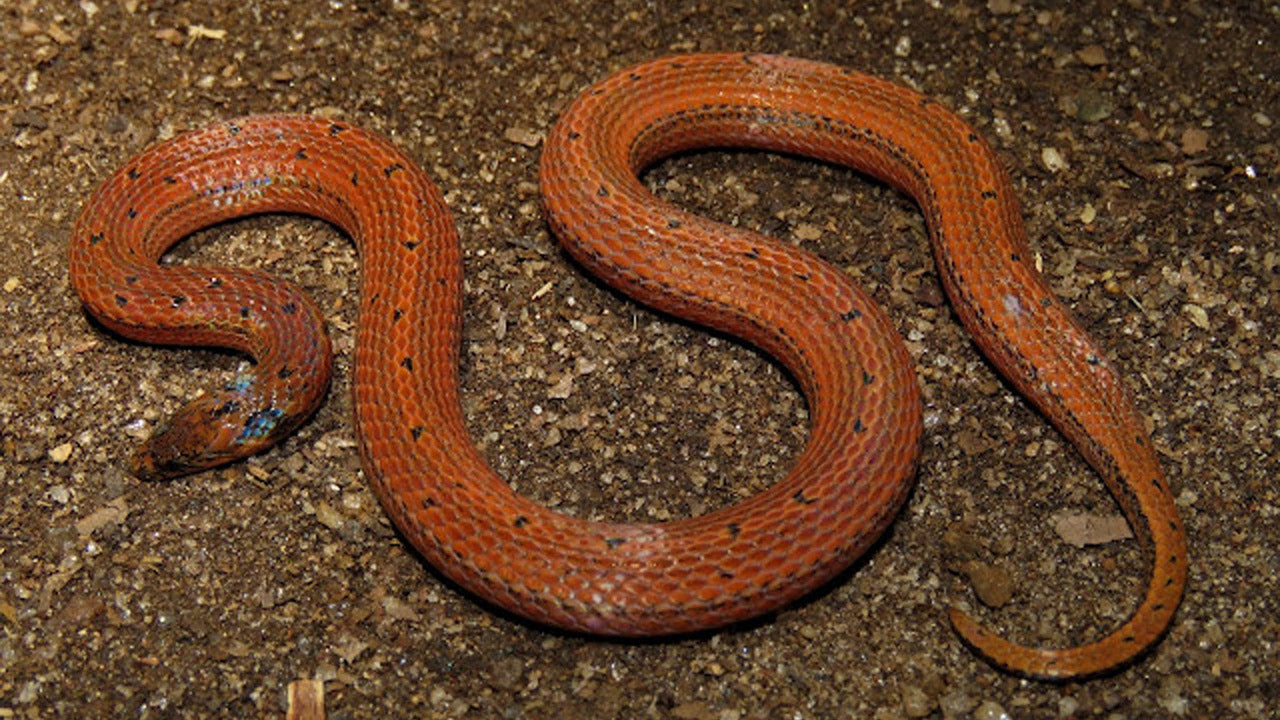 Boie's Rough-Sided Snake
Aspidura brachyorrhos
-
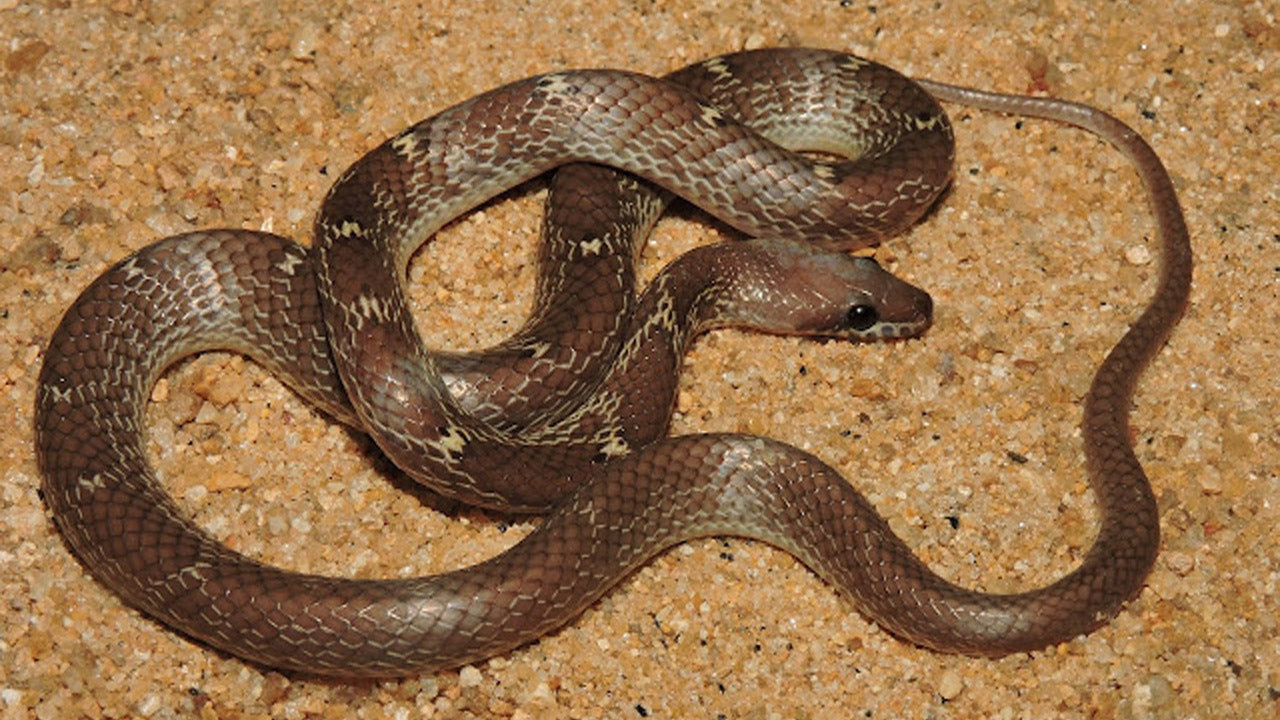 Flowery Wolf Snake
Lycodon anamallensis
-
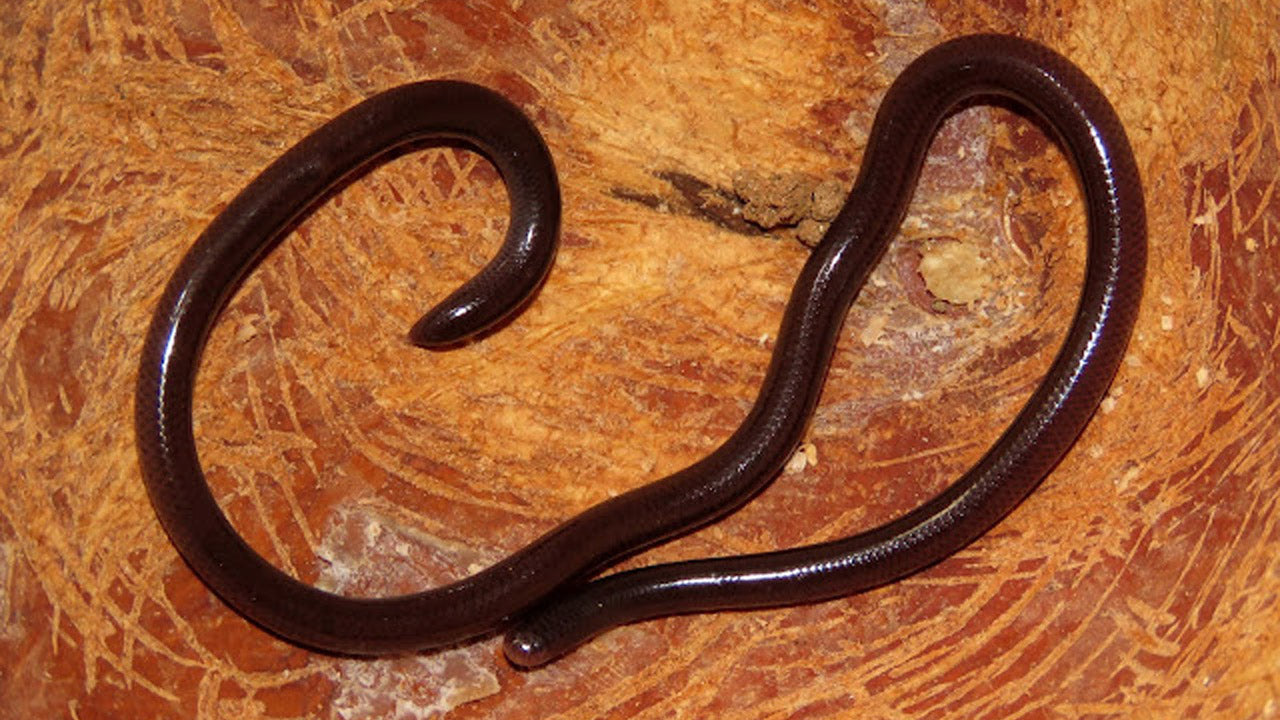 Brahminy Blind Snake
Indotyphlops braminus
-
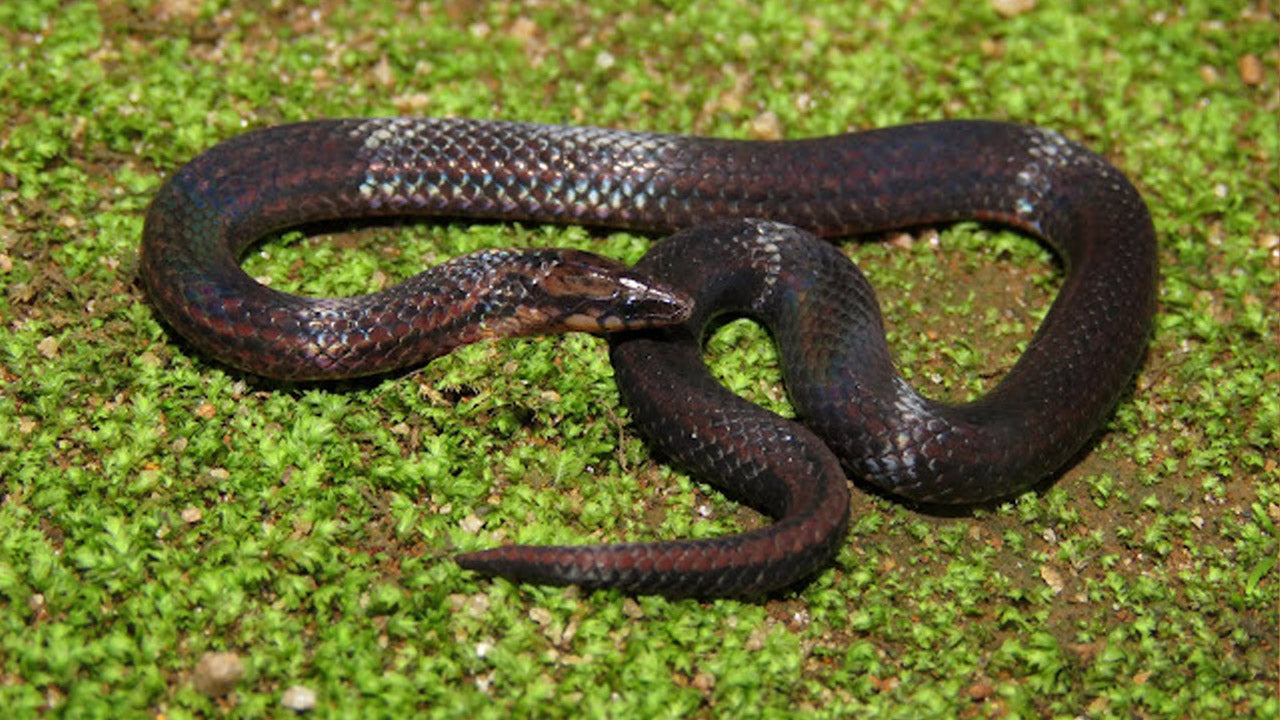 Common Rough-sided Snake
Aspidura trachyprocta
-
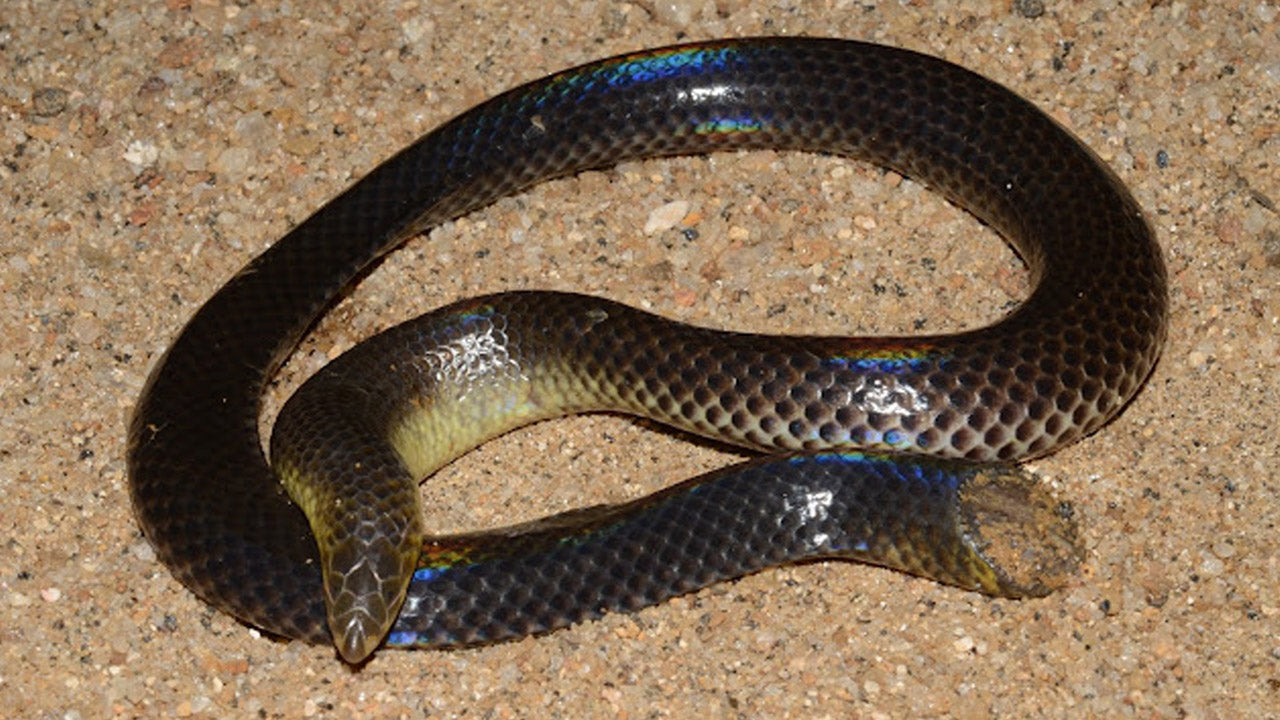 Large Shieldtail
Rhinophis saffragamus
-
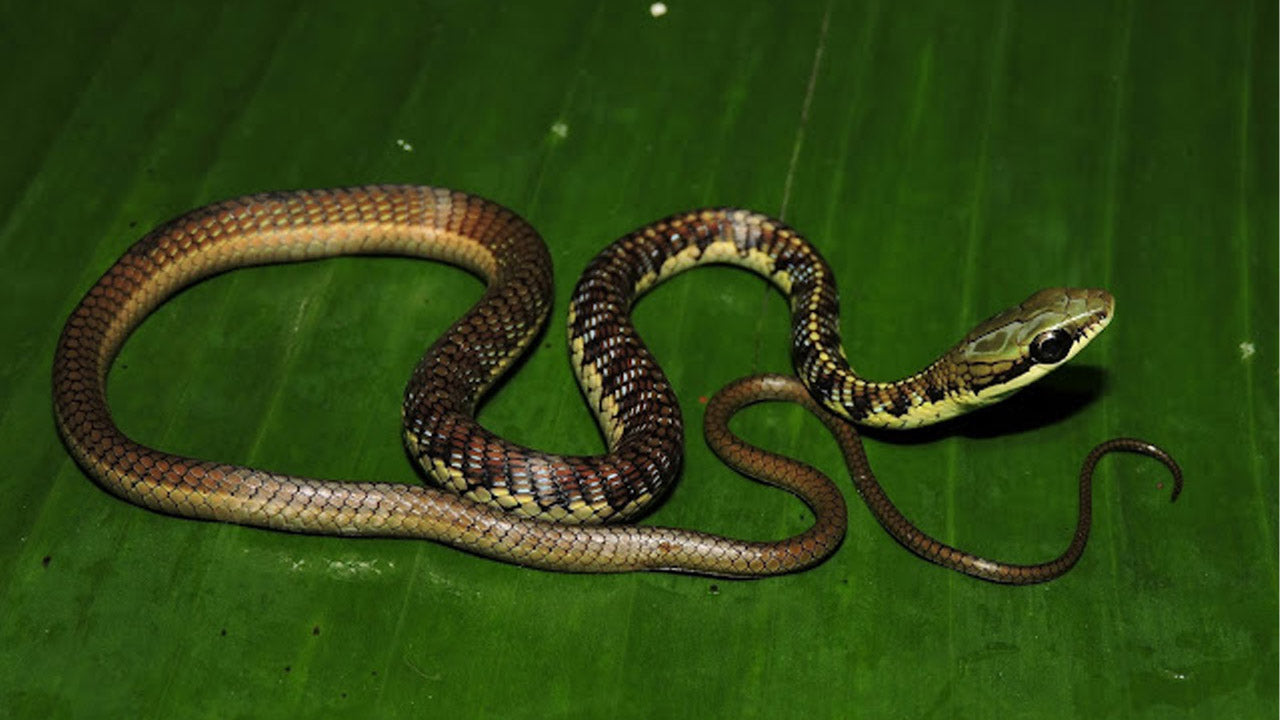 Schokar's Bronzeback
Schokar's bronzeback
-
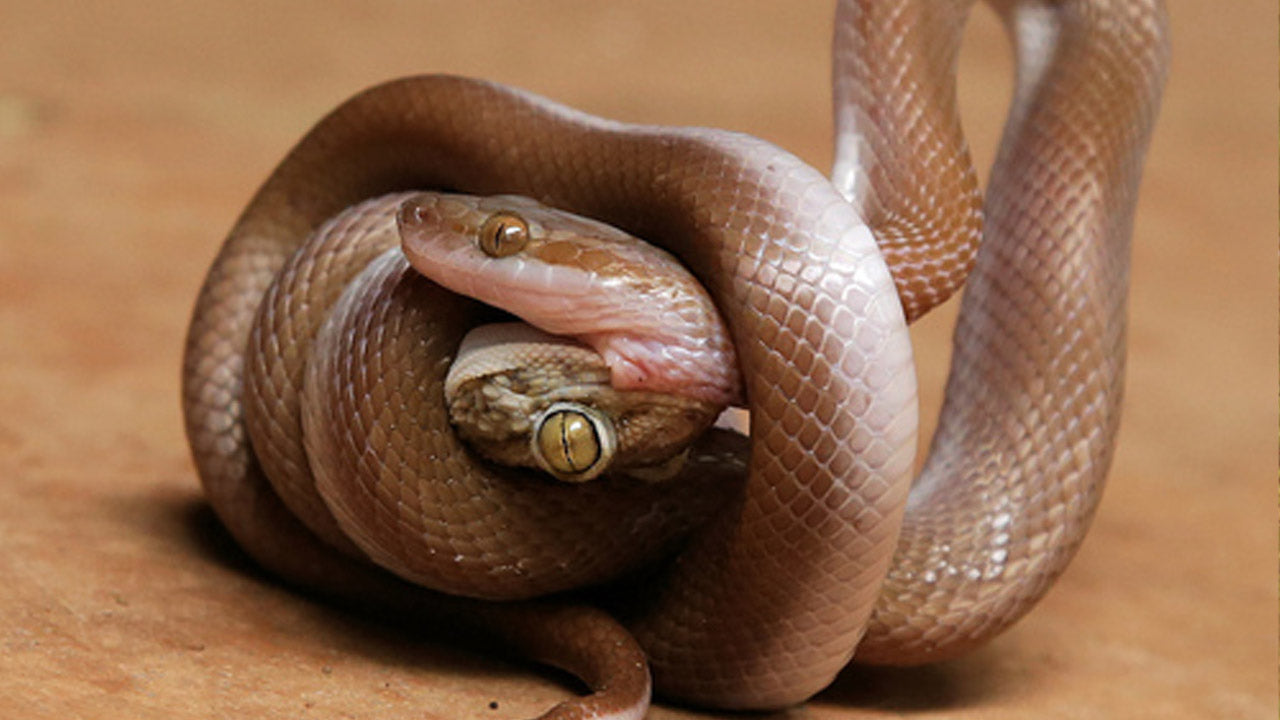 Jan's Worm Snake
Typhlops mirus
-
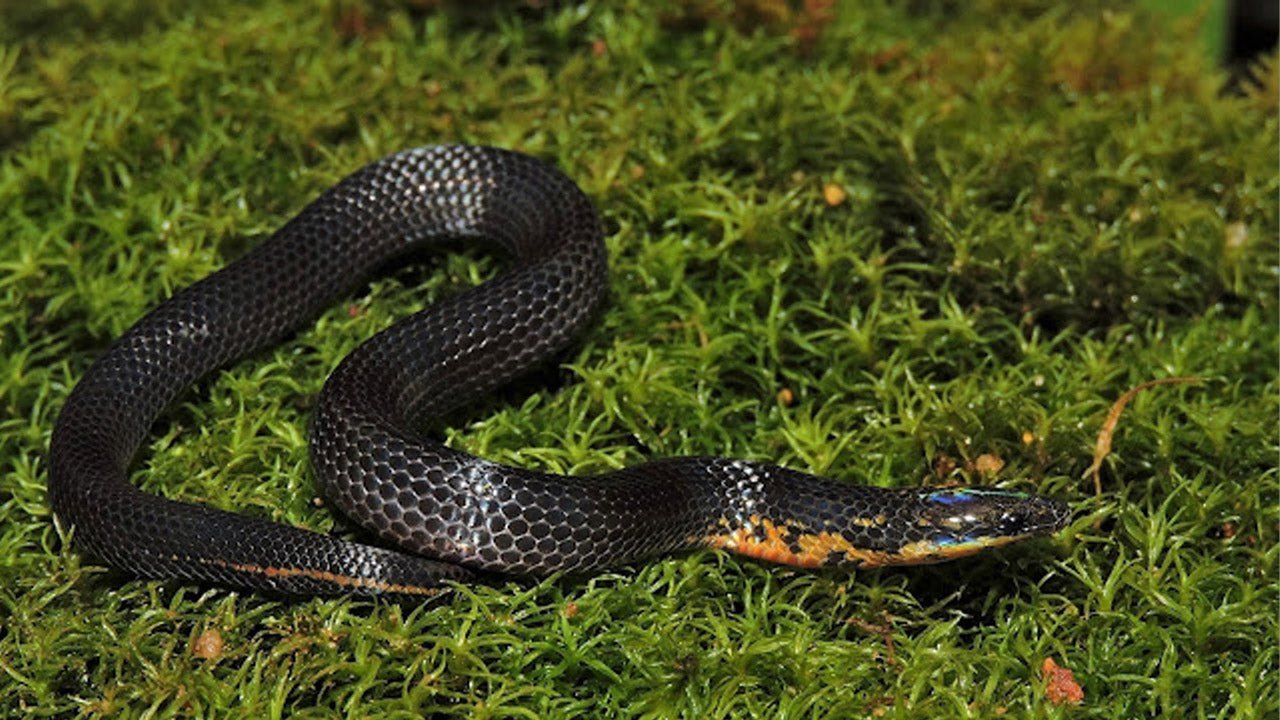 Ravana's Rough-sided Snake
Aspidura ravanai
-
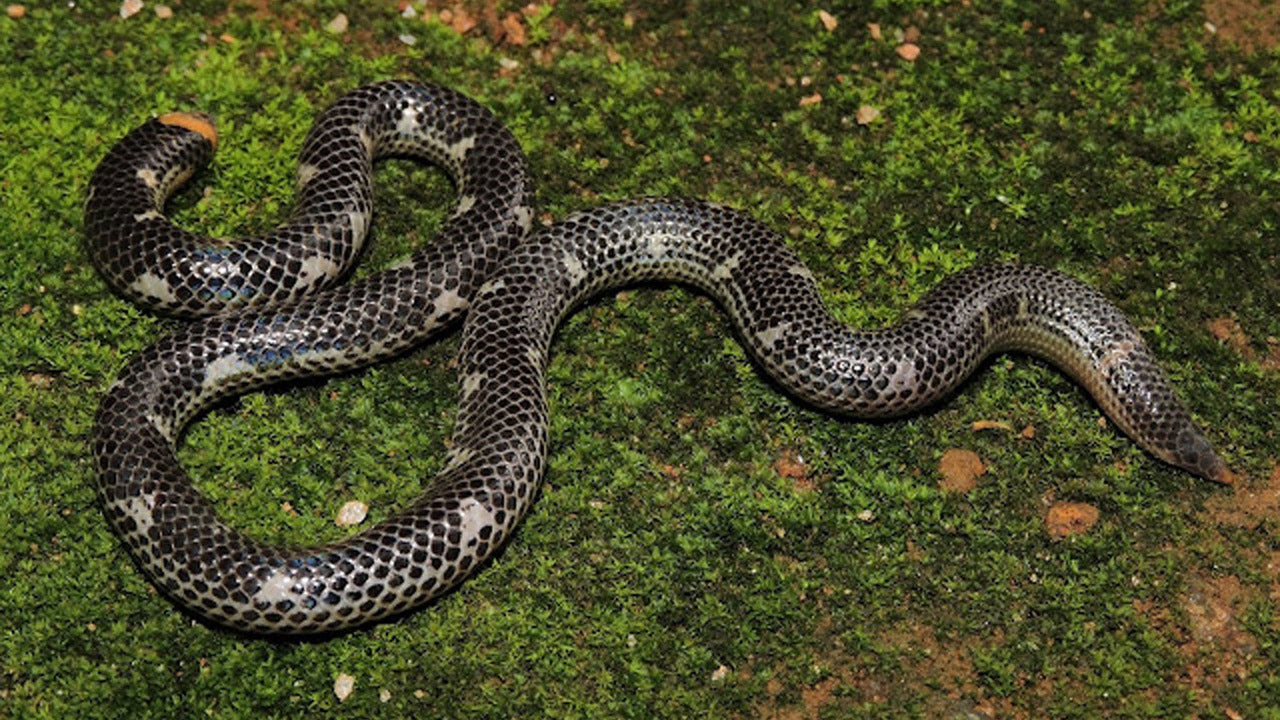 Hemprich's Shieldtail
Uropeltis hemprichii.
-
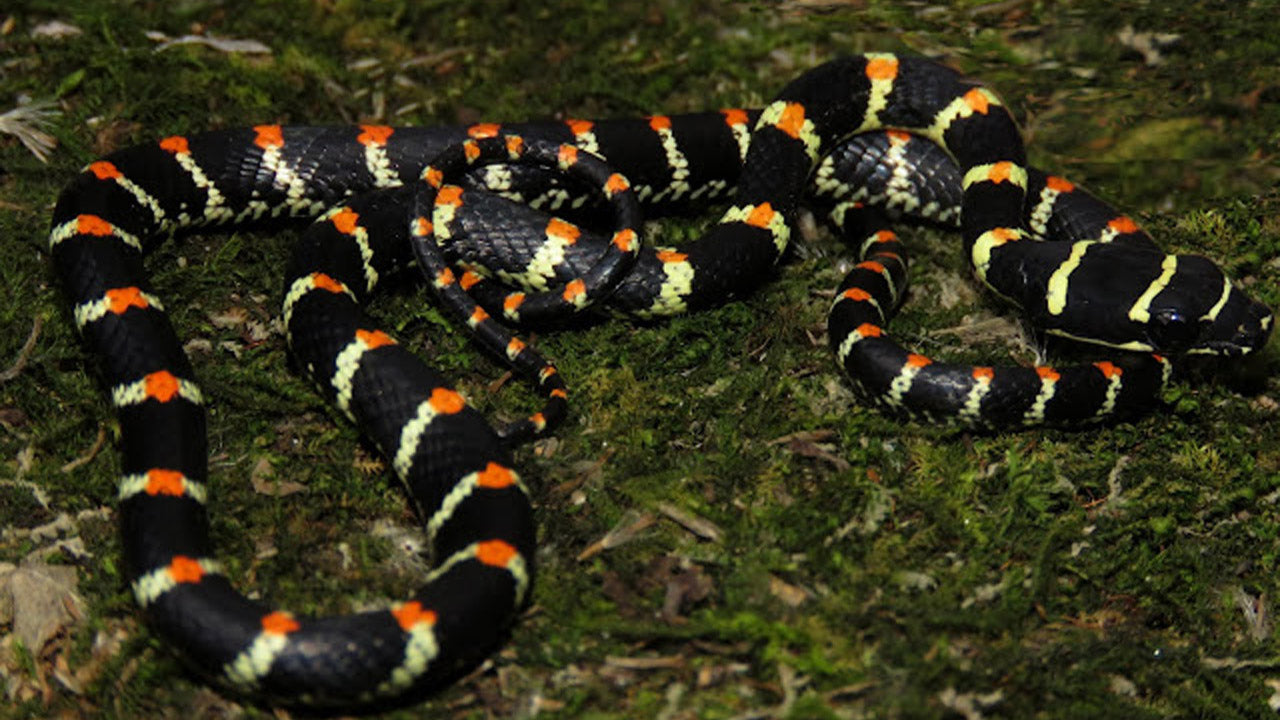 Ornate Flying Snake
Chrysopelea ornata
-
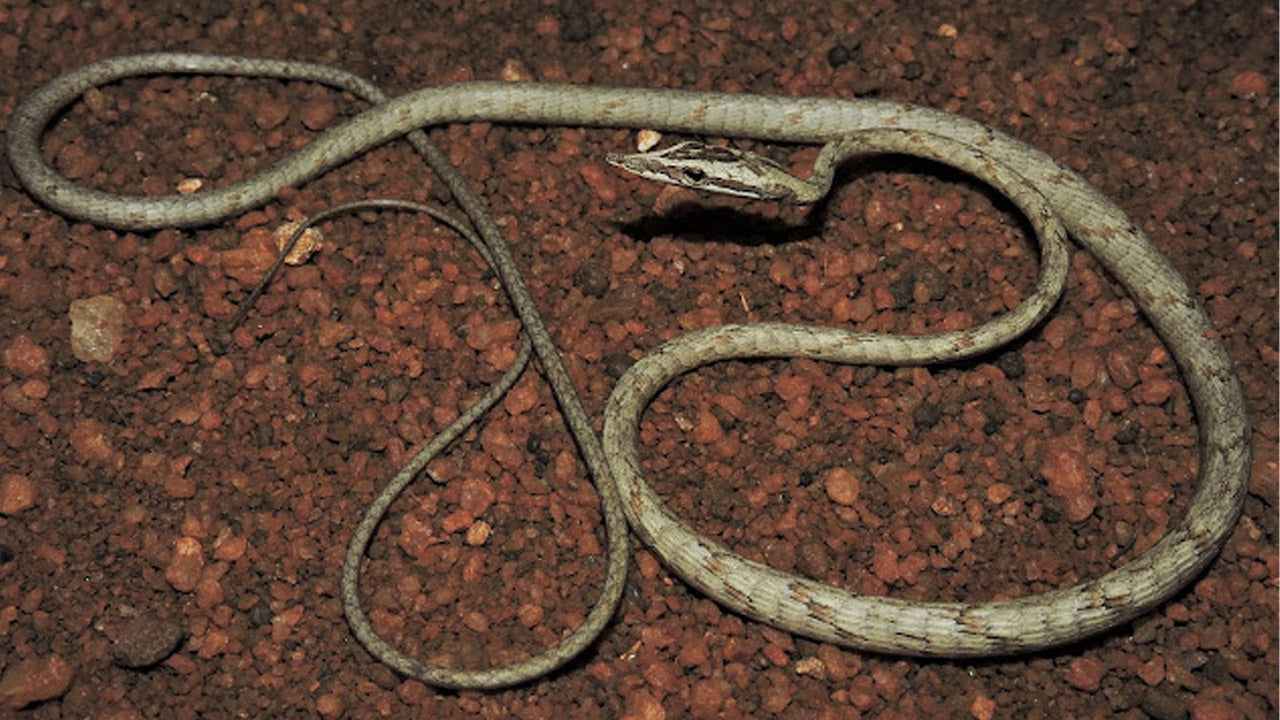 Brown Vine Snake
Ahaetulla pulverulenta
-
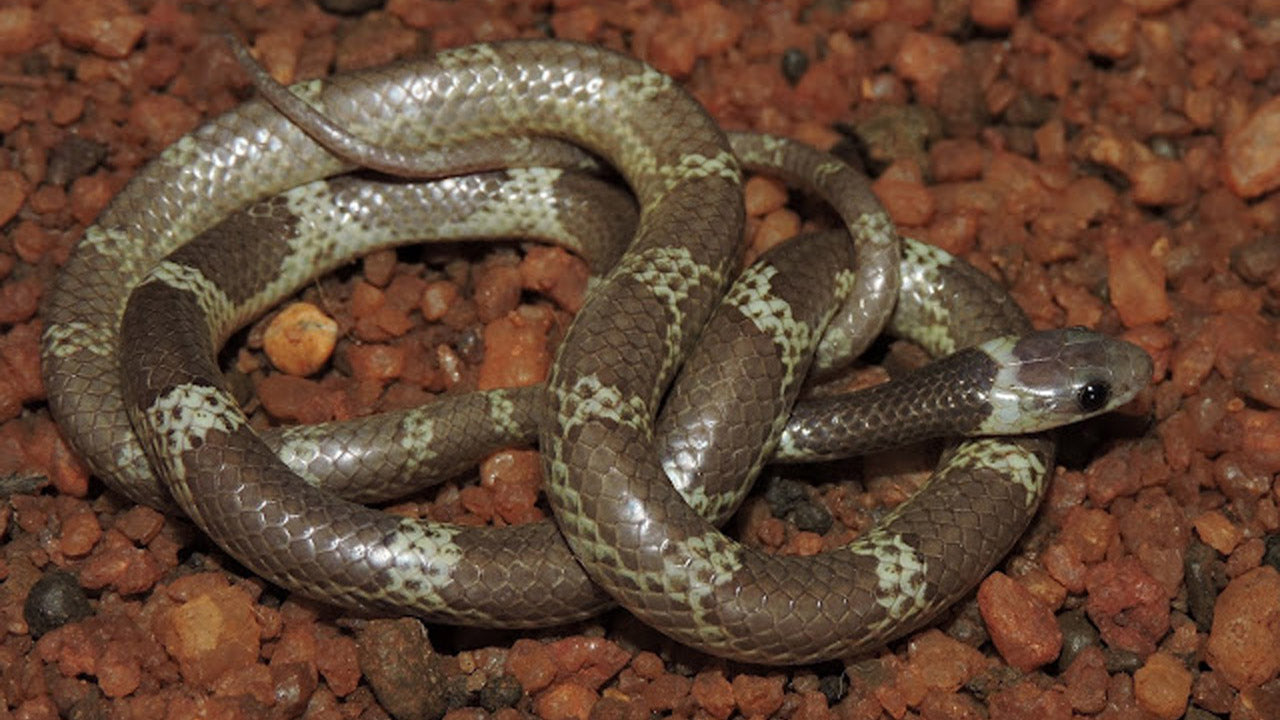 Common Bridal Snake
colubrid snake
-
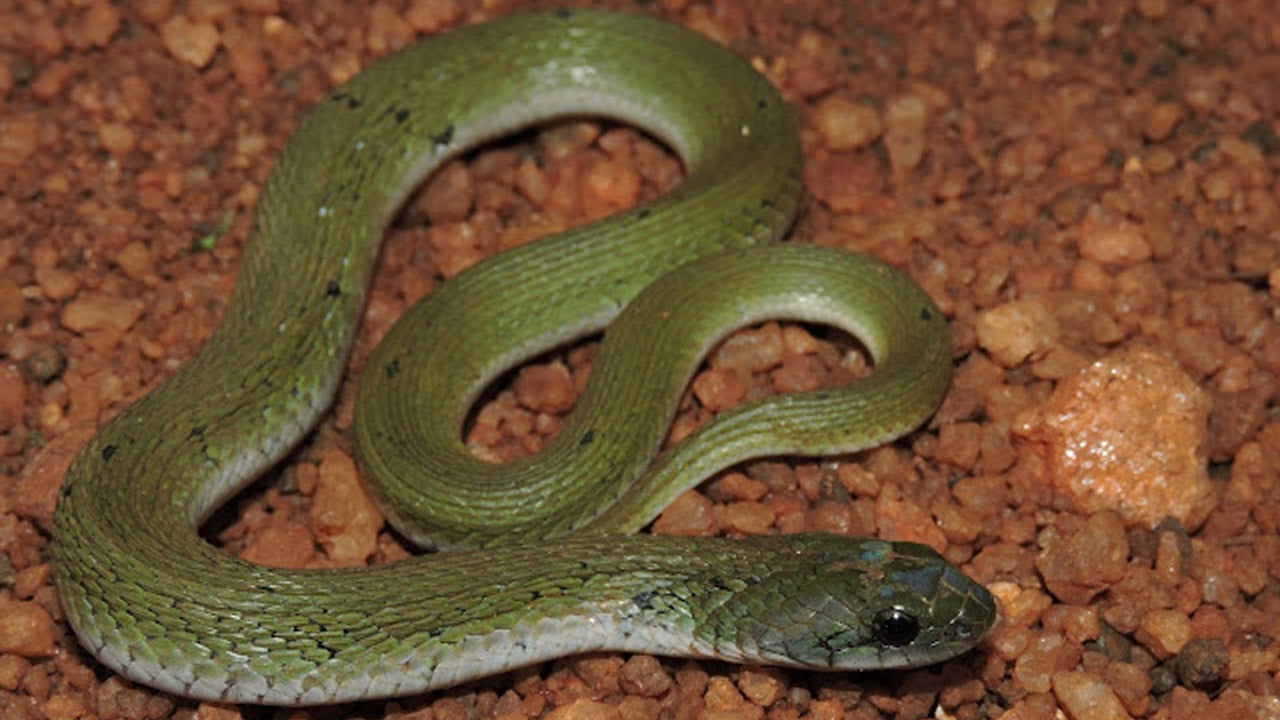 Green Keelback
Rhabdophis plumbicolor