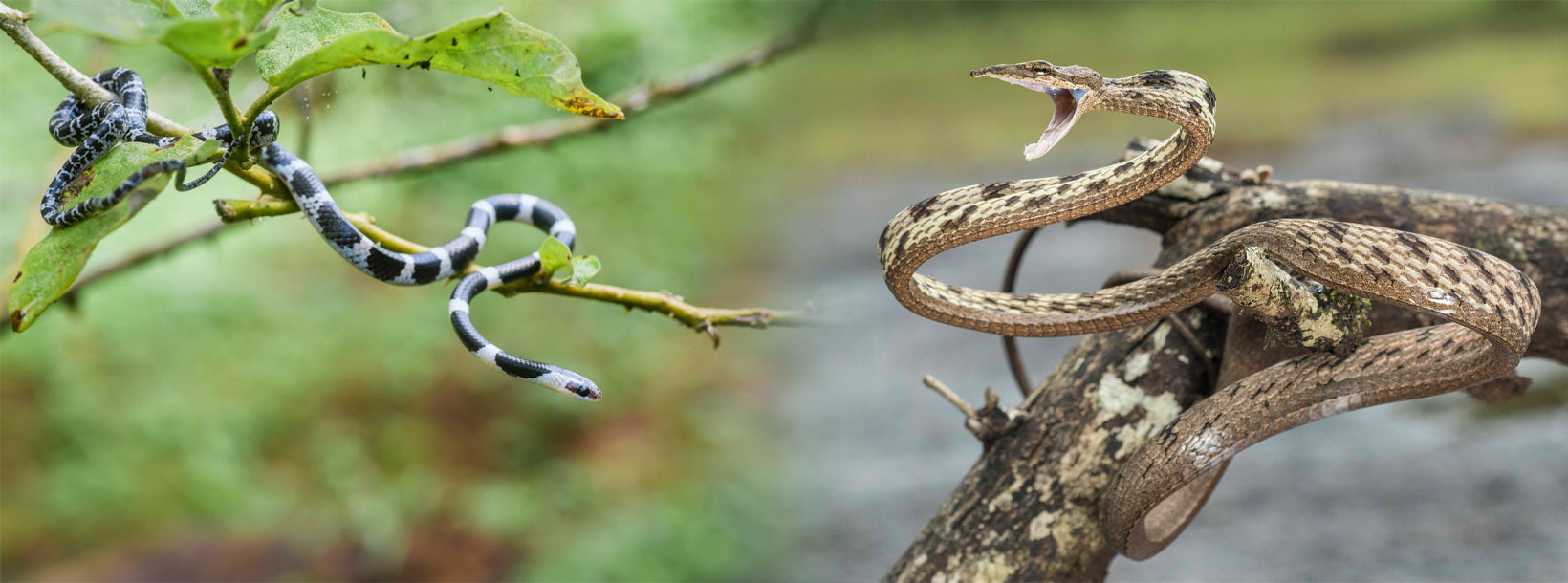
Common Bridal Snak


Scientific Name: Bridalus virginianus (Note: the common bridal snake often refers to the genus Bridalus or similar species depending on local naming conventions).
Family: Colubridae
Common Name(s): Common Bridal Snake, Bridal Snake
Overview:
The Common Bridal Snake is a non-venomous species of snake found primarily in Southeast Asia. It is known for its distinctive coloration, which often features contrasting bands or patterns that resemble a bridal gown, hence the name "Bridal Snake." These snakes are often found in forested areas and have a reputation for being secretive and relatively harmless to humans.
Physical Description:
- Size: The Common Bridal Snake typically measures between 40 cm and 80 cm in length, although some individuals can grow larger.
- Coloration: The most notable feature of the Common Bridal Snake is its striking coloration. It typically has a white or pale-colored body with dark crossbands or blotches, which can range in color from black to brown. The contrast in these markings gives the snake a “bridal” appearance.
- Head: The head is slightly distinct from the body, with a rounded shape and often darker markings. Its eyes are small, reflecting its generally nocturnal or secretive behavior.
- Tail: The tail is usually of moderate length, tapering off toward the end.
Habitat and Distribution:
- Geographical Range: The Common Bridal Snake is found in parts of Southeast Asia, including countries such as India, Myanmar, Thailand, and Malaysia.
- Preferred Habitat: This species typically inhabits forested areas, including both tropical and subtropical forests. It is often found near streams or areas with dense undergrowth, where it can hide among the leaf litter and vegetation.
Behavior and Diet:
- Lifestyle: The Common Bridal Snake is a terrestrial species but may occasionally climb trees or shrubs. It is primarily nocturnal, emerging during the evening to hunt for food.
- Diet: Its diet consists mainly of small vertebrates like lizards, frogs, and rodents, as well as various insects. It hunts by ambush, waiting patiently for its prey to pass by before striking.
- Movement: It is a relatively slow-moving snake, relying on its camouflage to avoid detection. When threatened, it may attempt to flee rather than engage in aggressive defense.
Reproduction:
- Reproductive Mode: The Common Bridal Snake is oviparous, meaning it lays eggs. The female typically lays several eggs in a concealed location, such as in rotting logs or under leaf litter.
- Offspring: The hatchlings are small and independent from birth. They are capable of hunting for small prey shortly after emerging from their eggs.
Conservation Status:
- Threats: The Common Bridal Snake is not currently listed as endangered, but like many species, it is vulnerable to habita
-
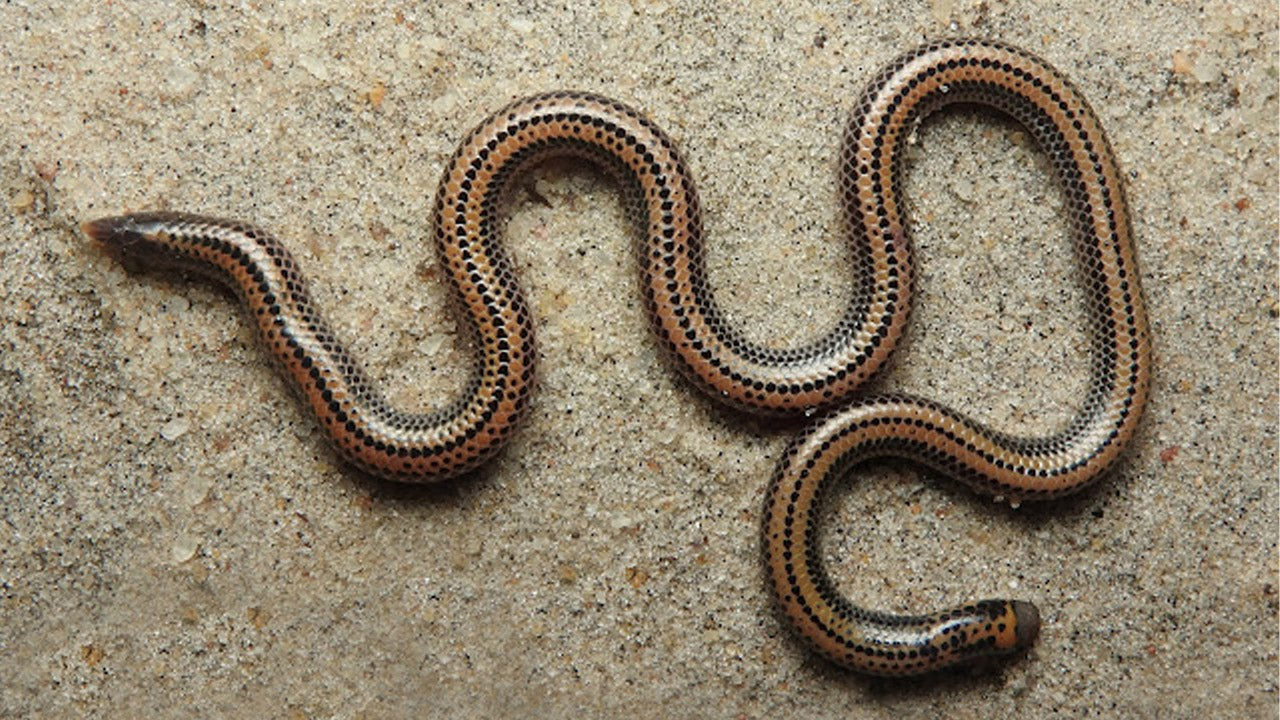 Muller's Shieldtail
Uropeltis mülleri
-
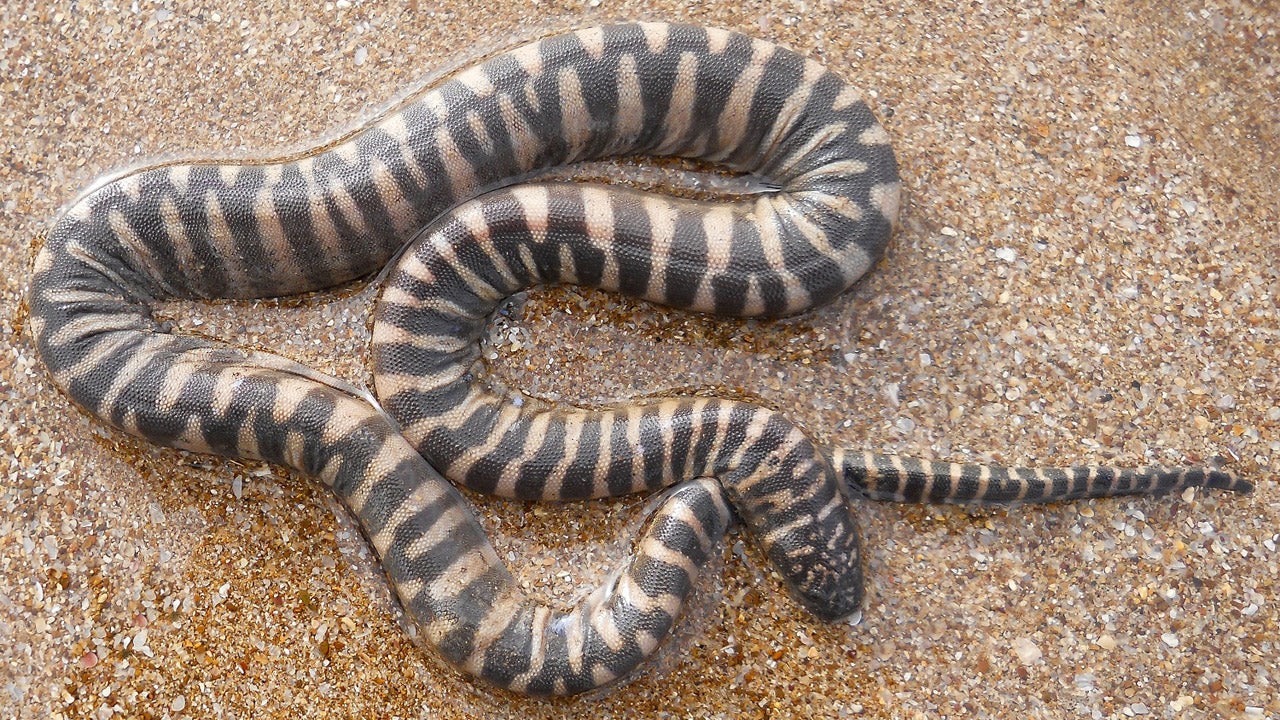 Wart Snake
Acrochordus
-
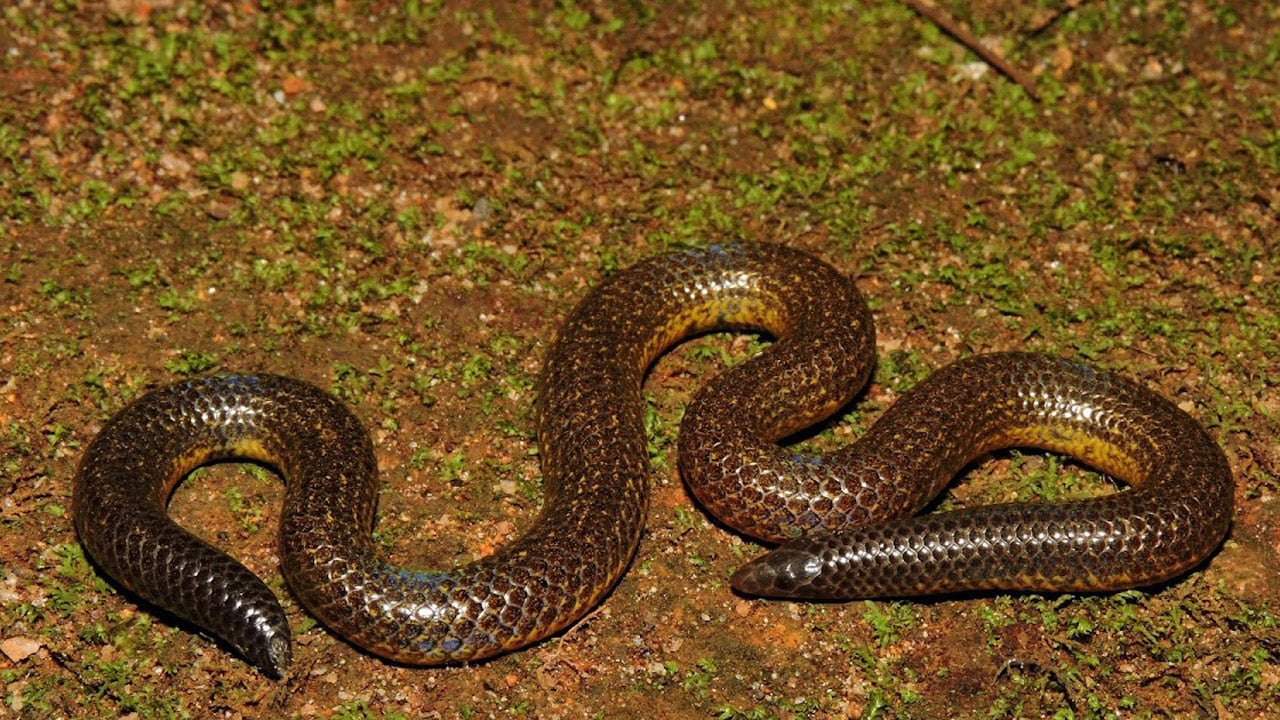 Drummond-Hay's Shieldtail
Rhinophis drummondhayi
-
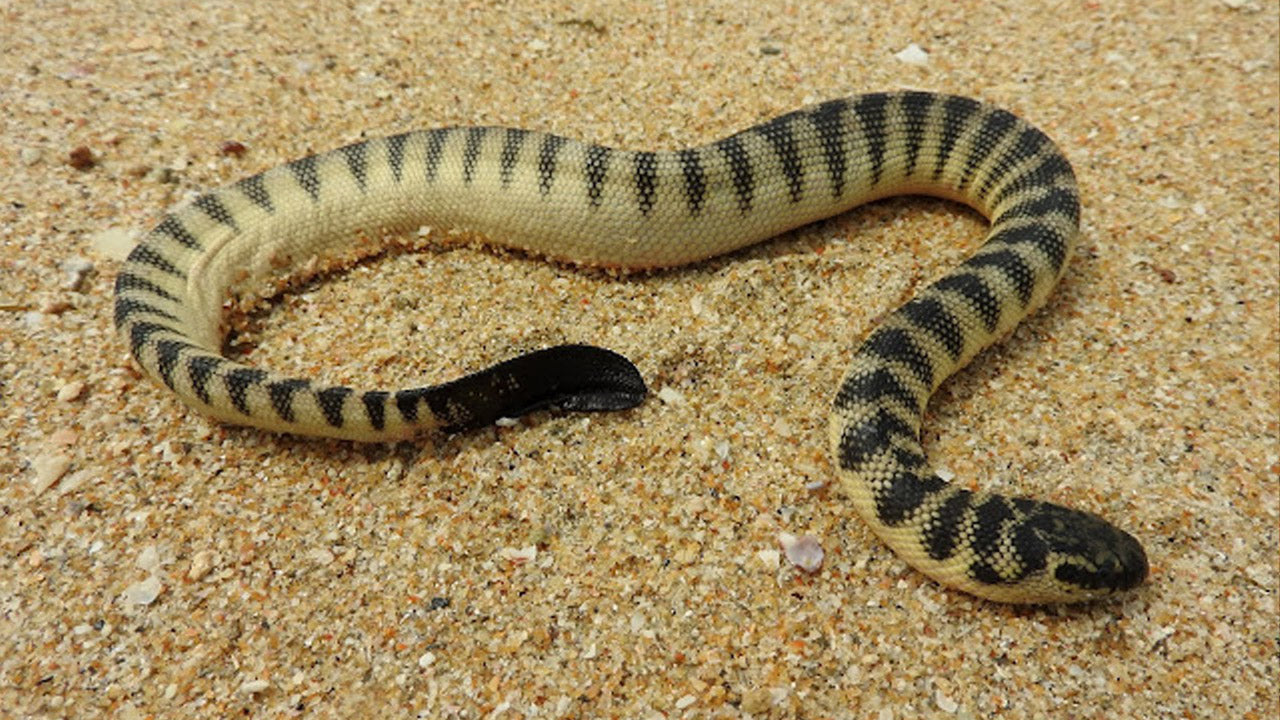 Shaw's Sea Snake
Hydrophis curtus
-
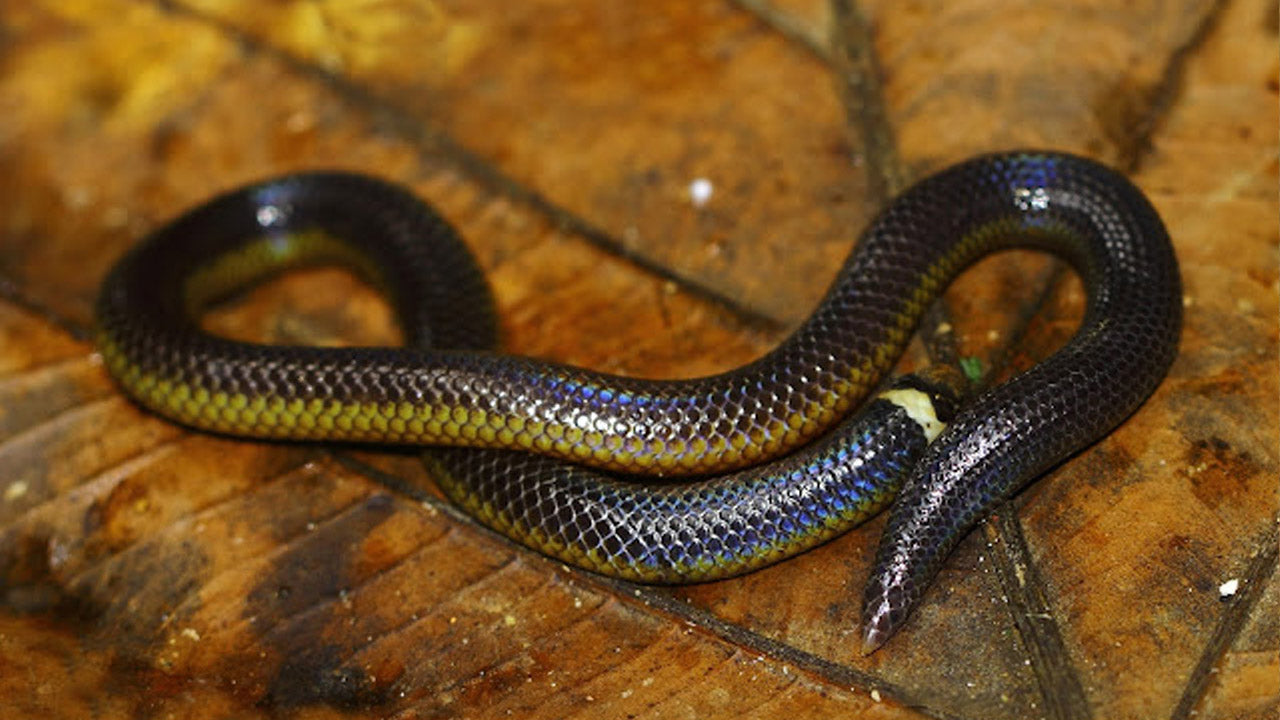 Deraniyagala's Shieldtail
Rhinophis tricoloratus
-
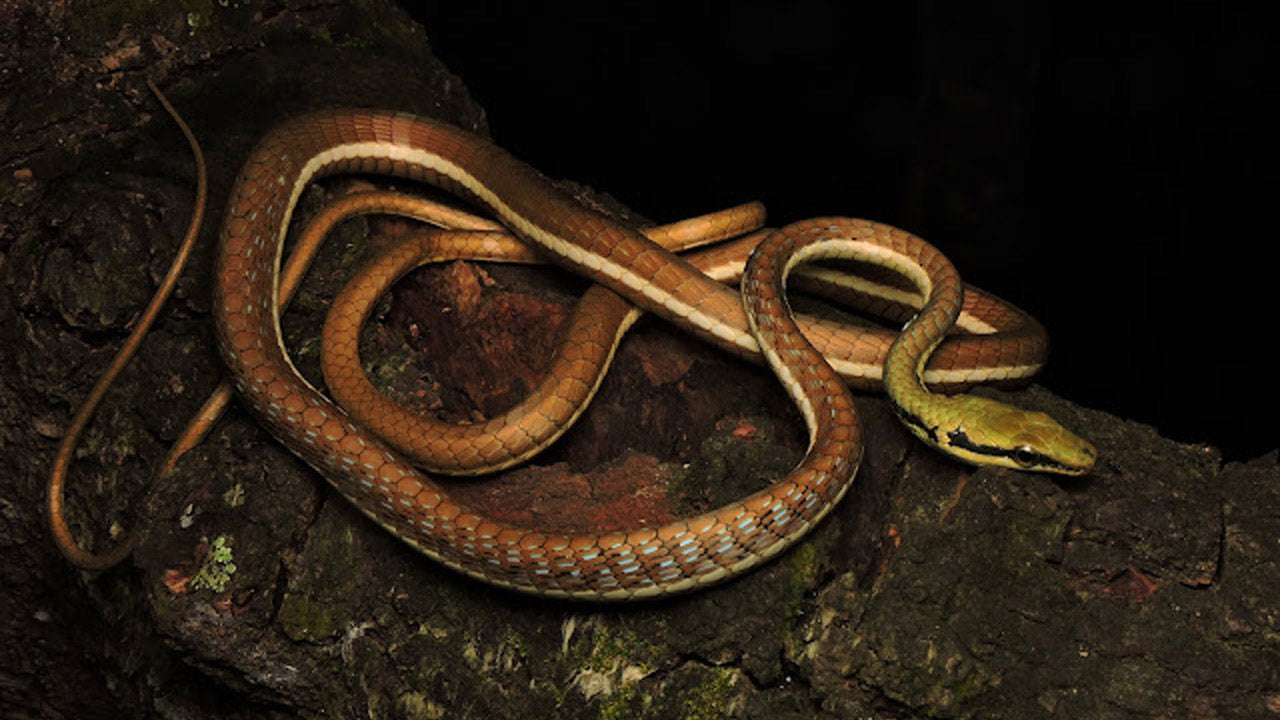 Wickramasinghe's Bronzeback
Dendrelaphis wickrorum
-
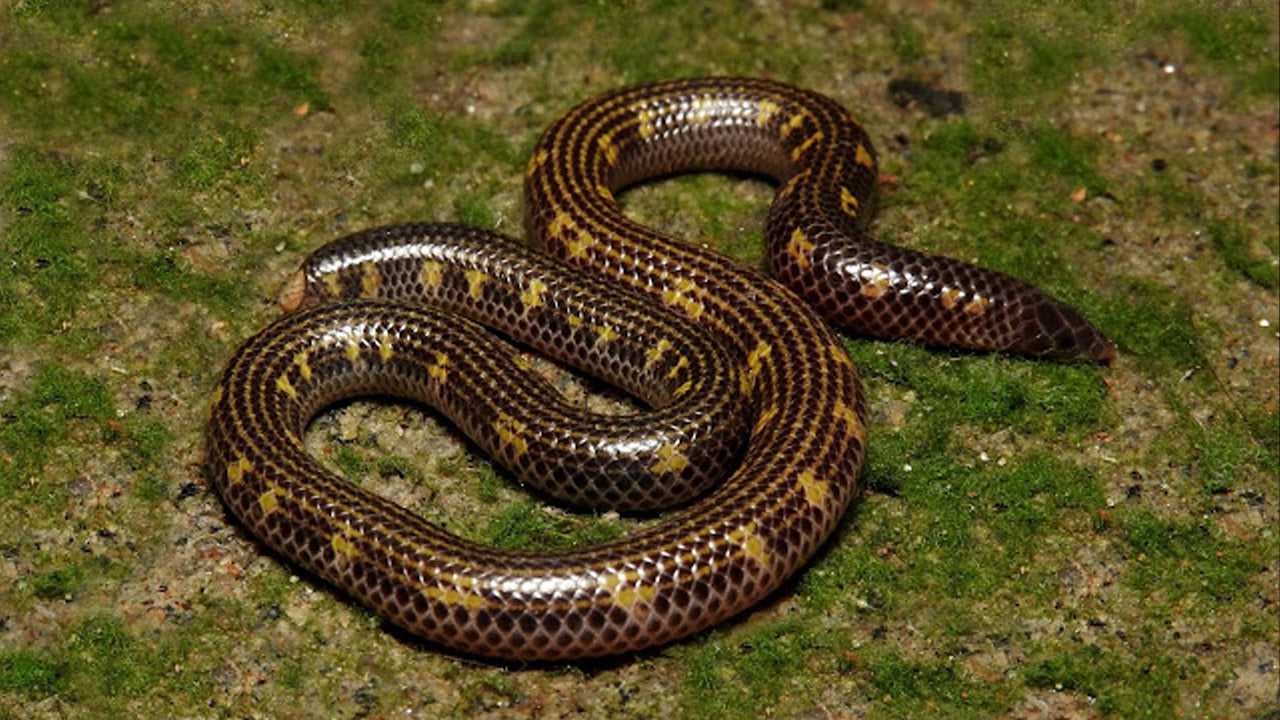 Phillip's Earth Snake
Rhinophis phillipsi
-
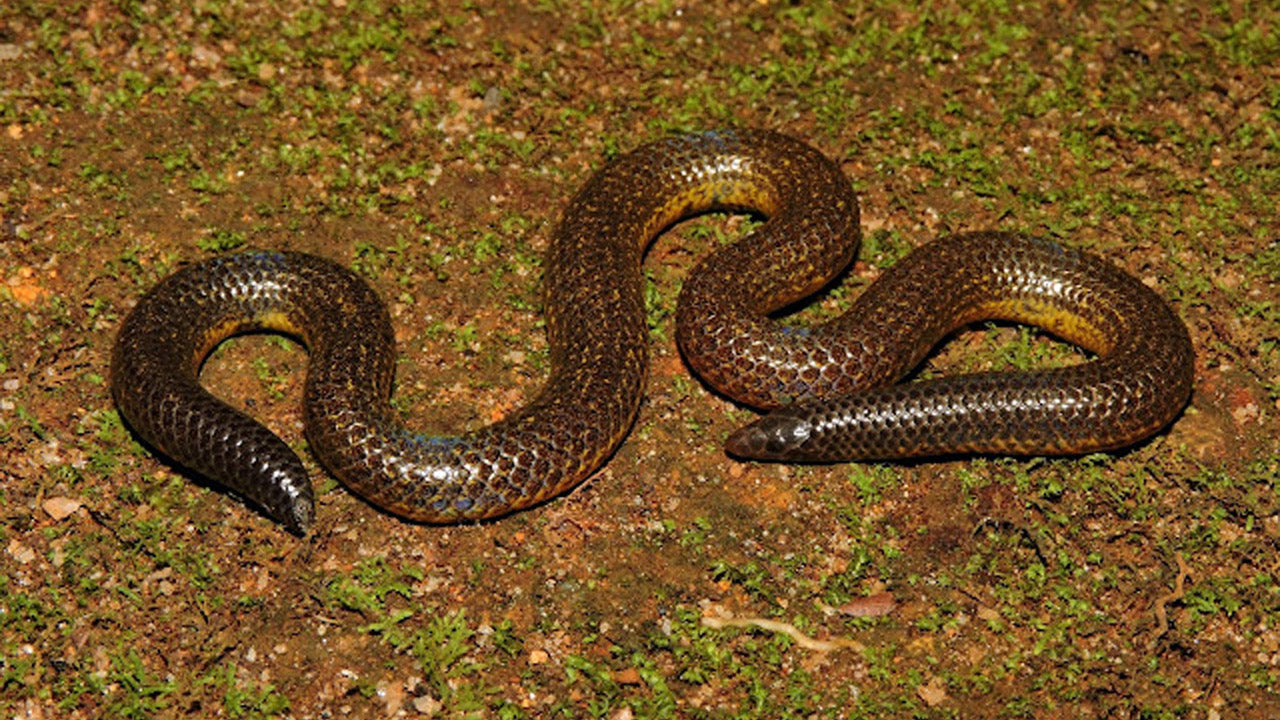 Gray's Earth Snake
Aparallactus grayi
-
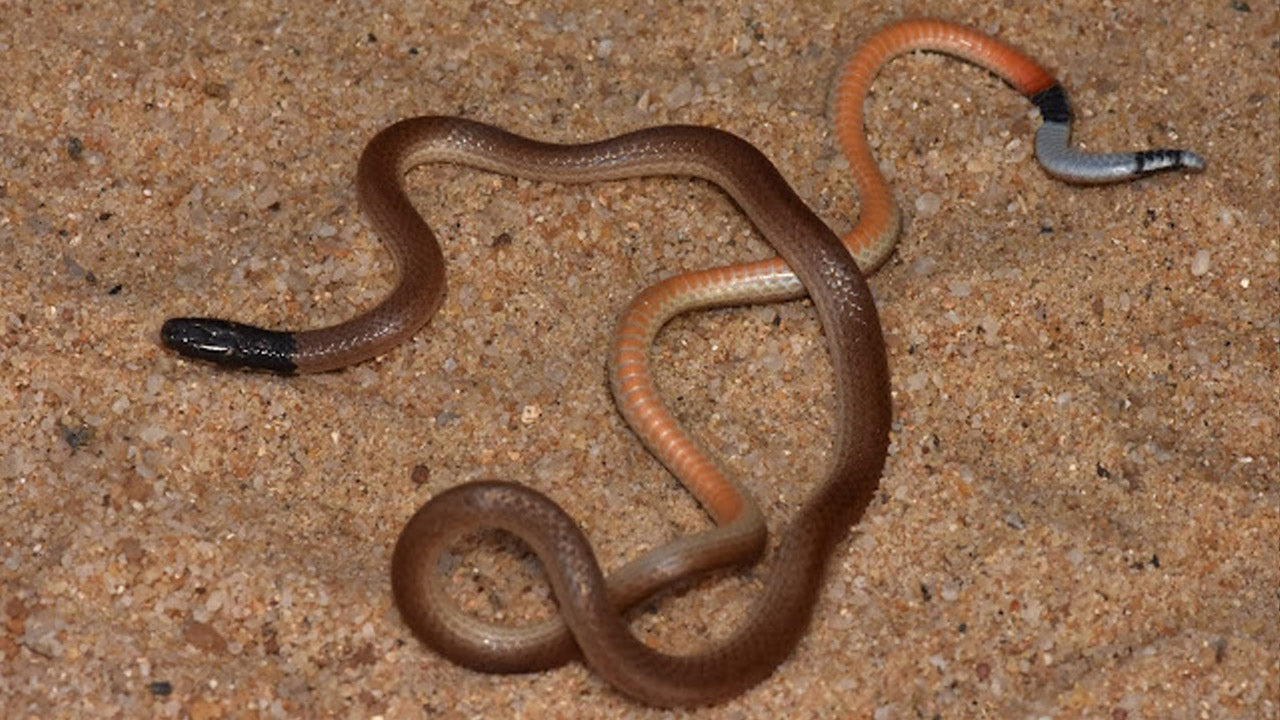 Slender Coral Snake
Calliophis Melanurus
-
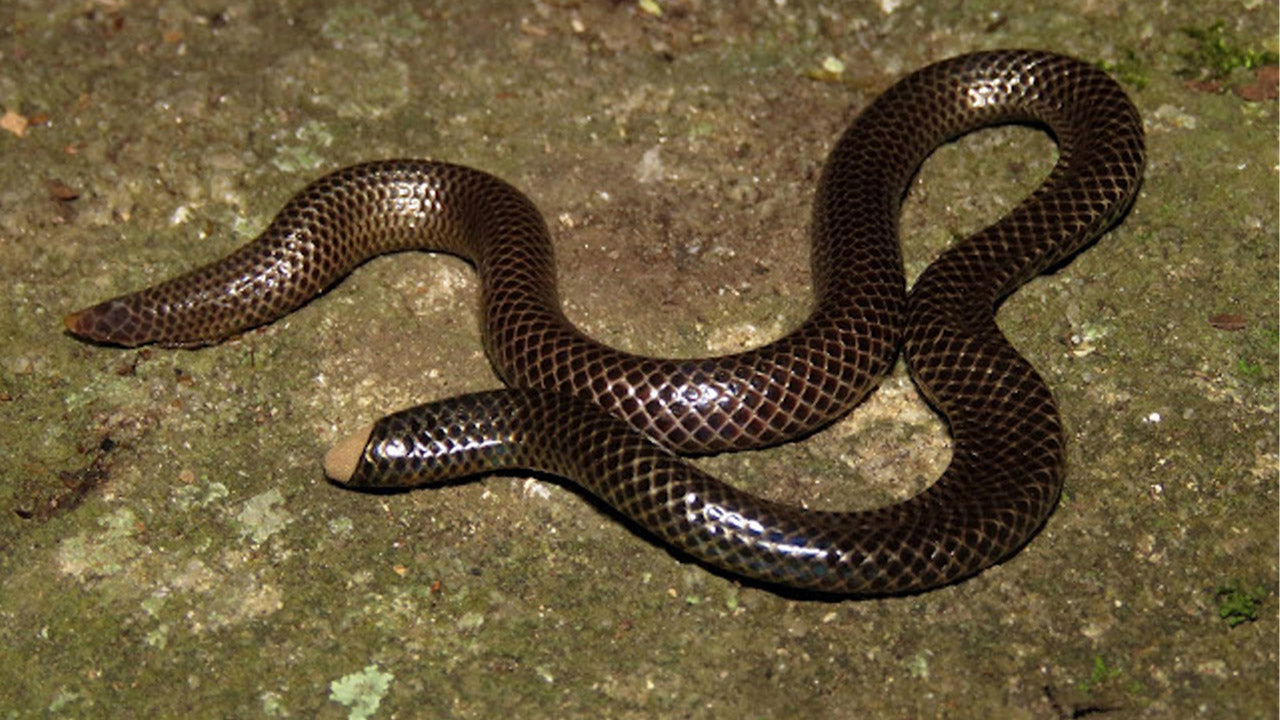 Cuvier's Shieldtail
Uropeltis ceylanica
-
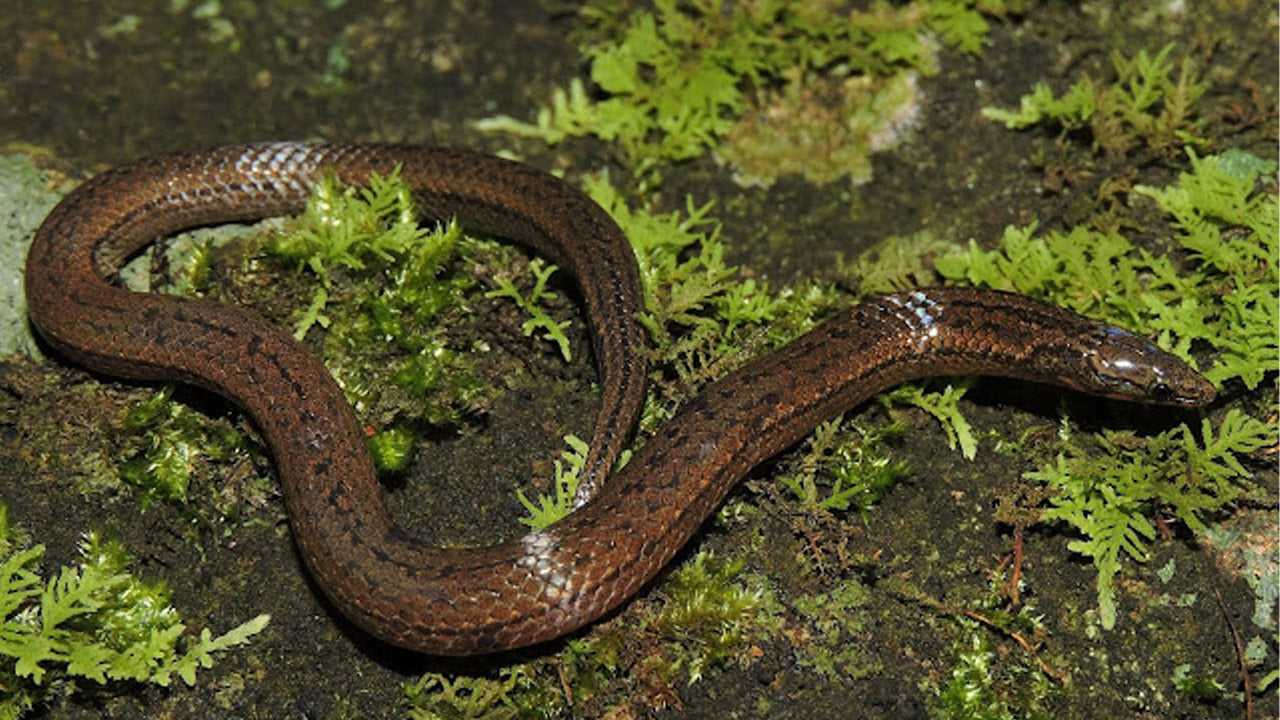 de Silva's Rough-sided Snake
Aspidura desilvai
-
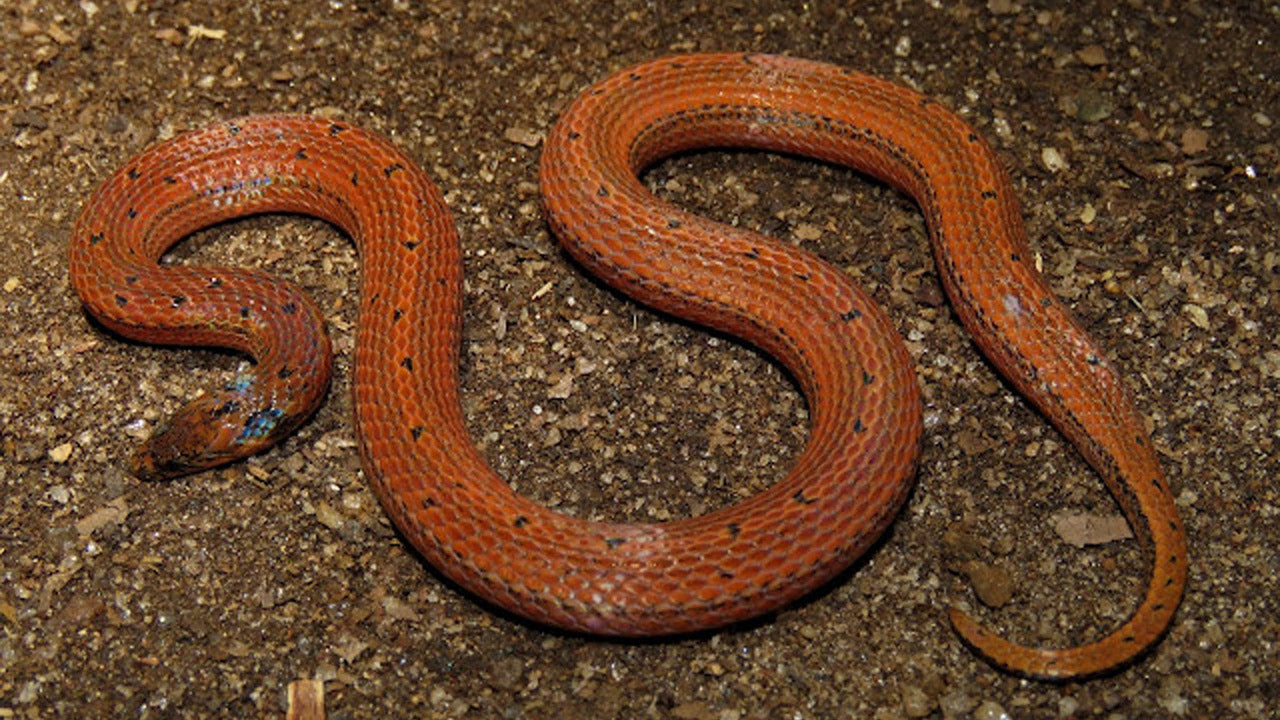 Boie's Rough-Sided Snake
Aspidura brachyorrhos
-
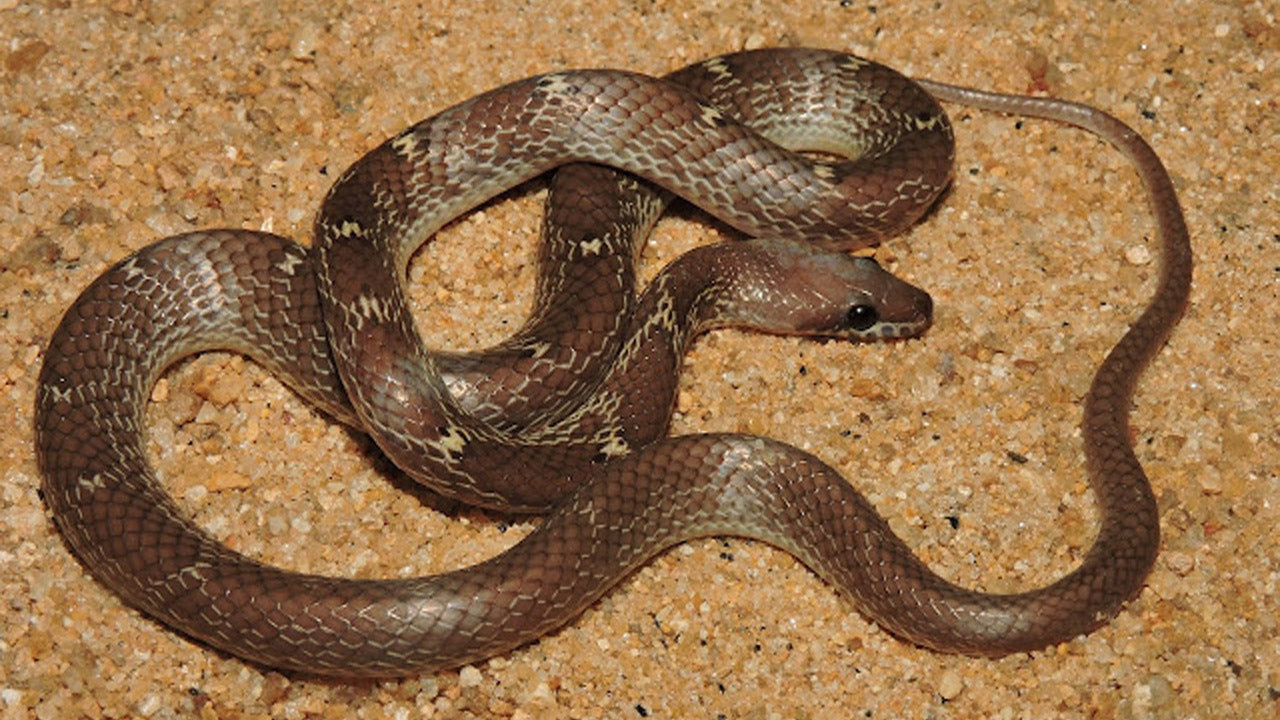 Flowery Wolf Snake
Lycodon anamallensis
-
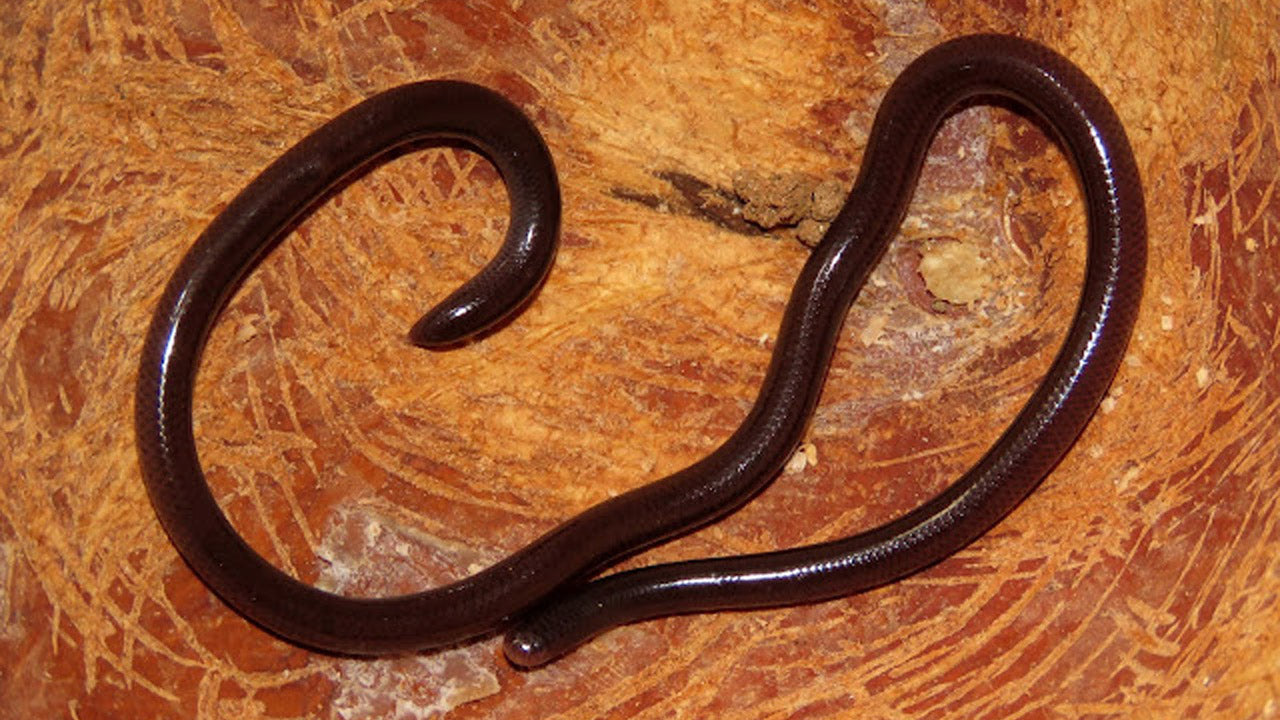 Brahminy Blind Snake
Indotyphlops braminus
-
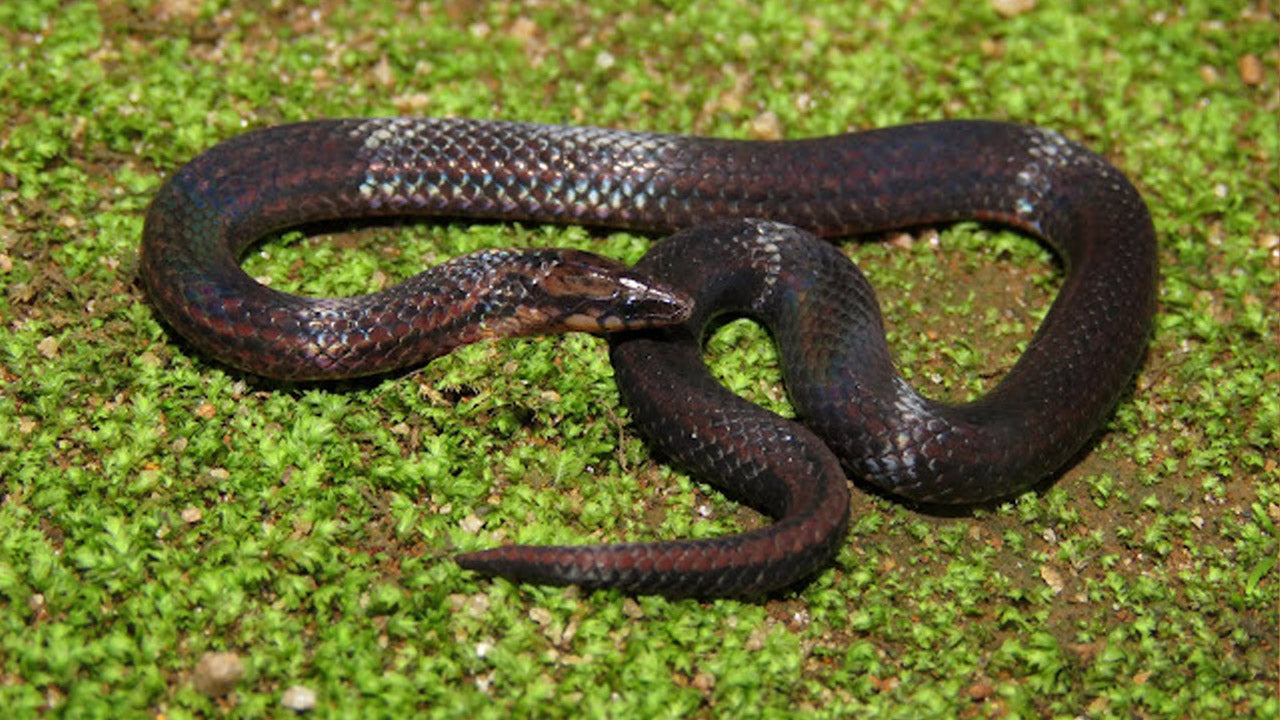 Common Rough-sided Snake
Aspidura trachyprocta
-
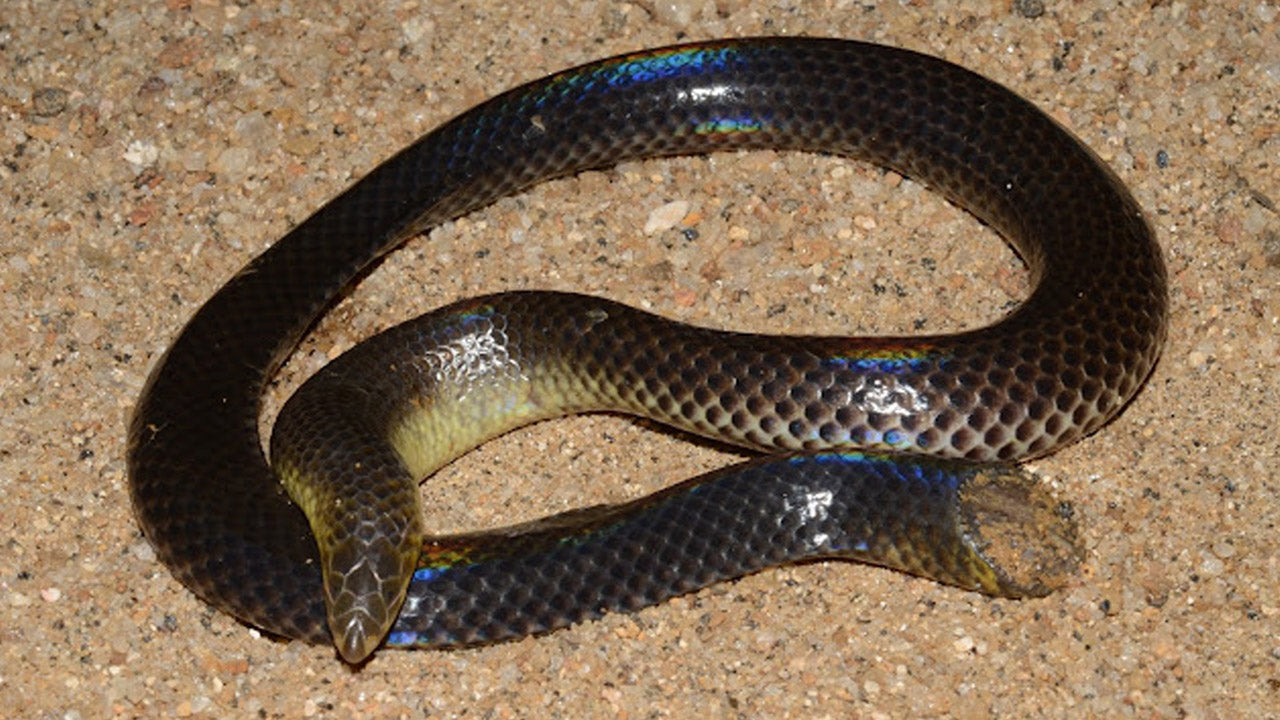 Large Shieldtail
Rhinophis saffragamus
-
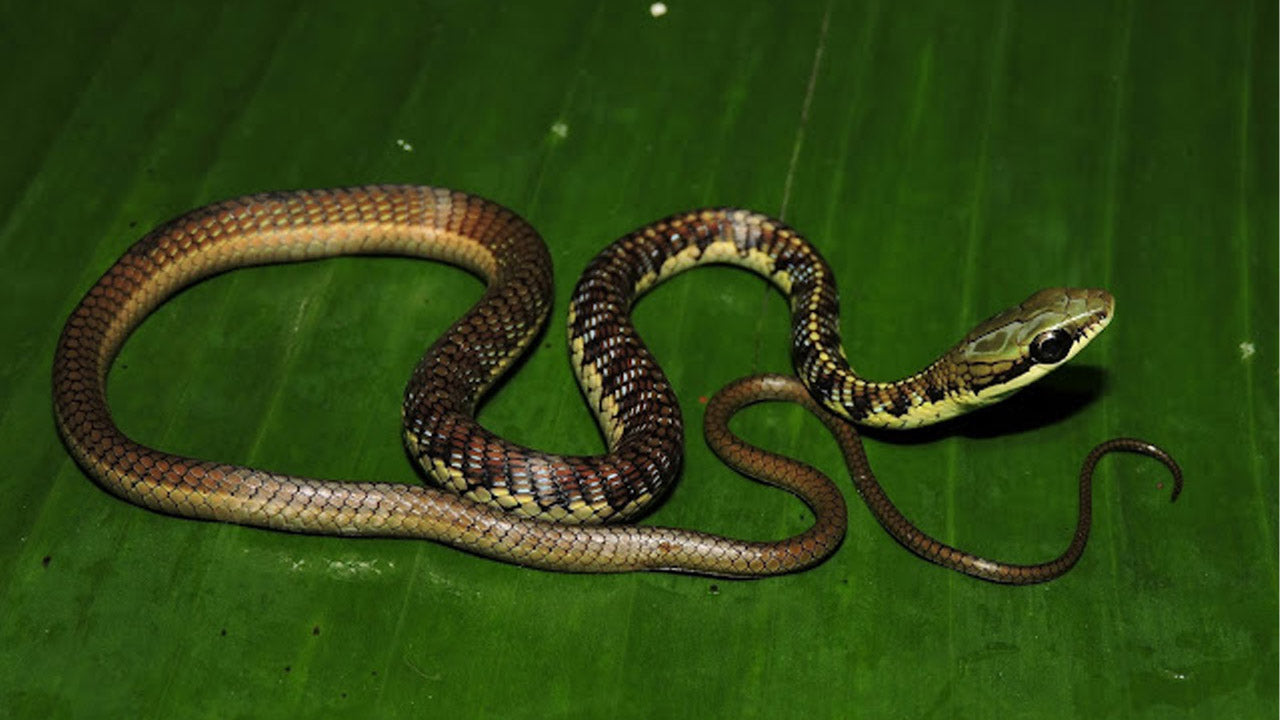 Schokar's Bronzeback
Schokar's bronzeback
-
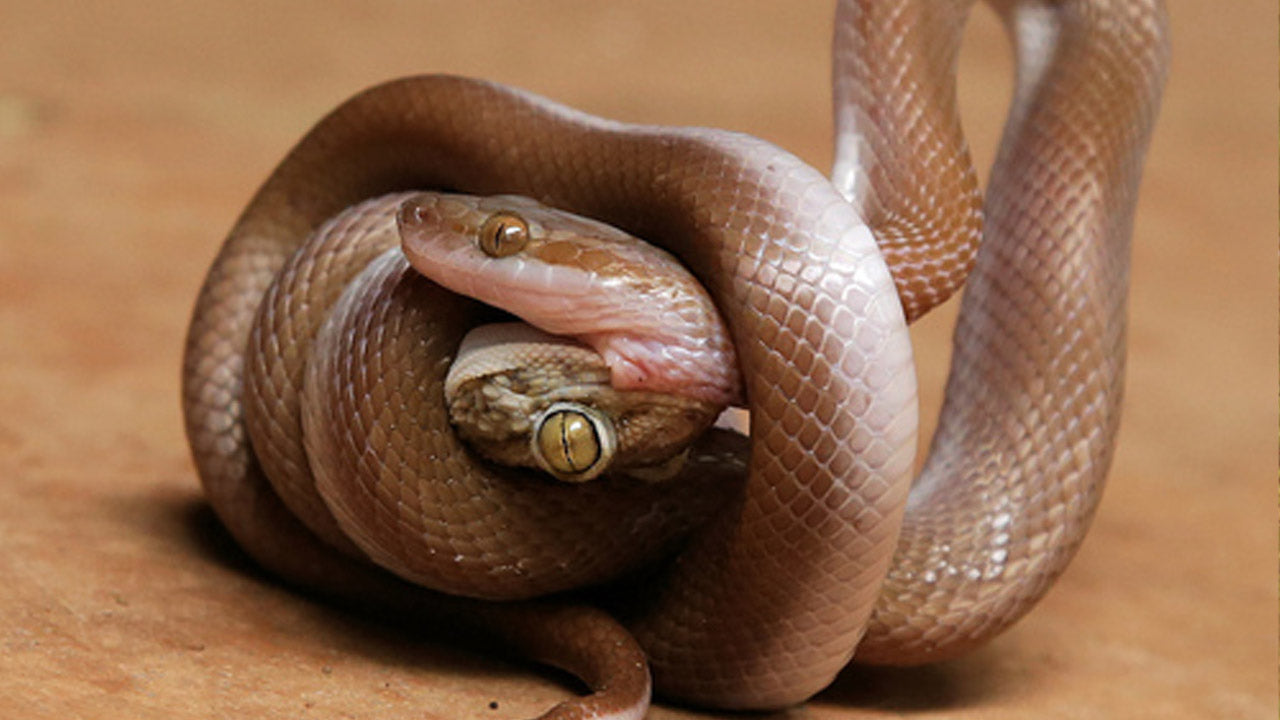 Jan's Worm Snake
Typhlops mirus
-
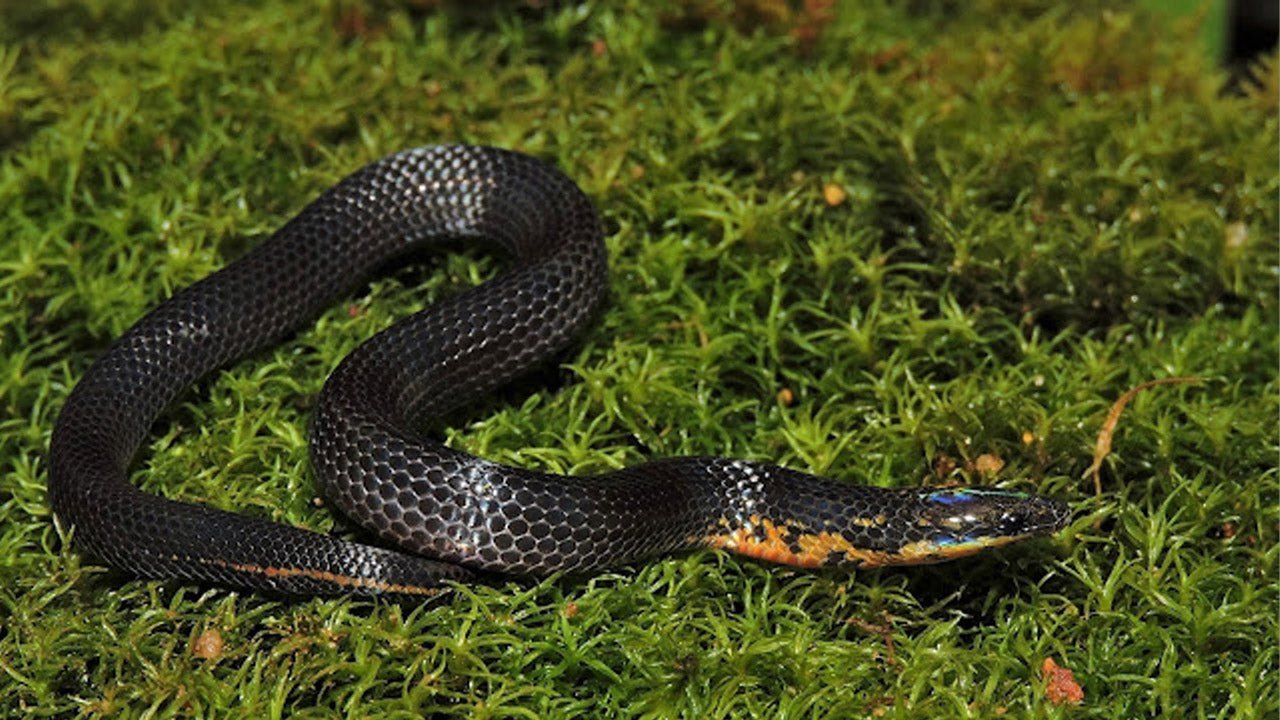 Ravana's Rough-sided Snake
Aspidura ravanai
-
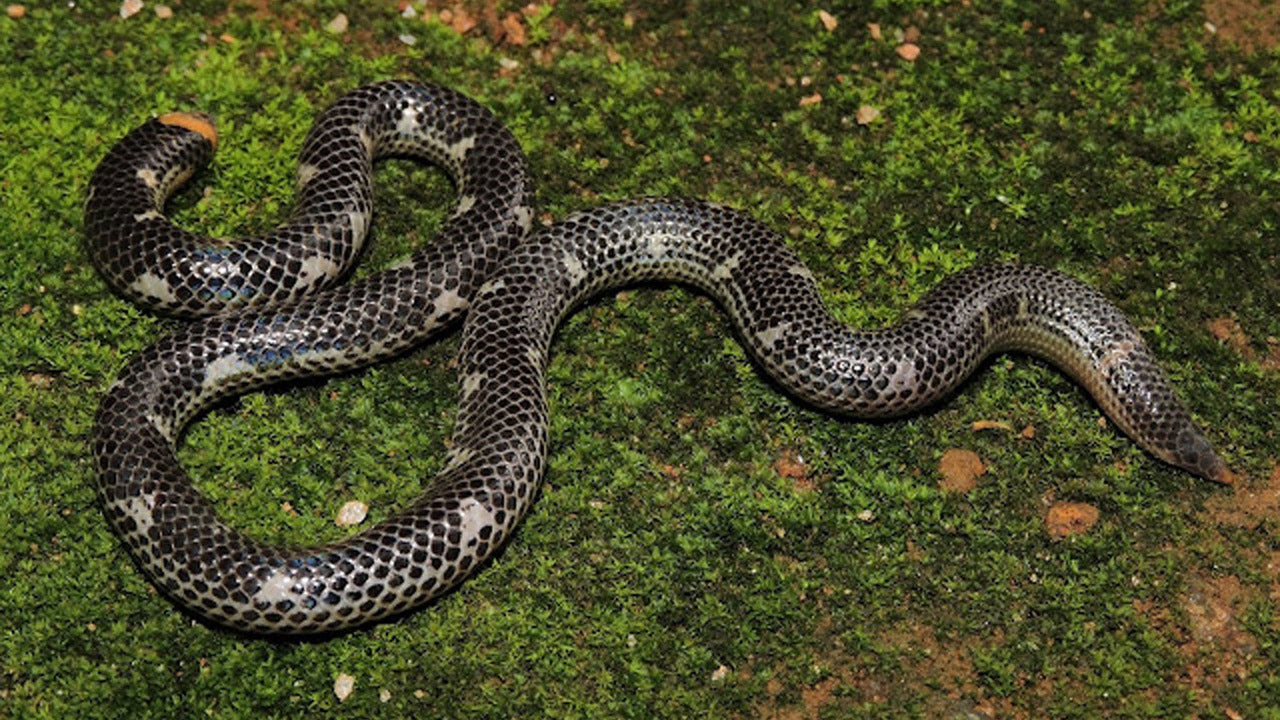 Hemprich's Shieldtail
Uropeltis hemprichii.
-
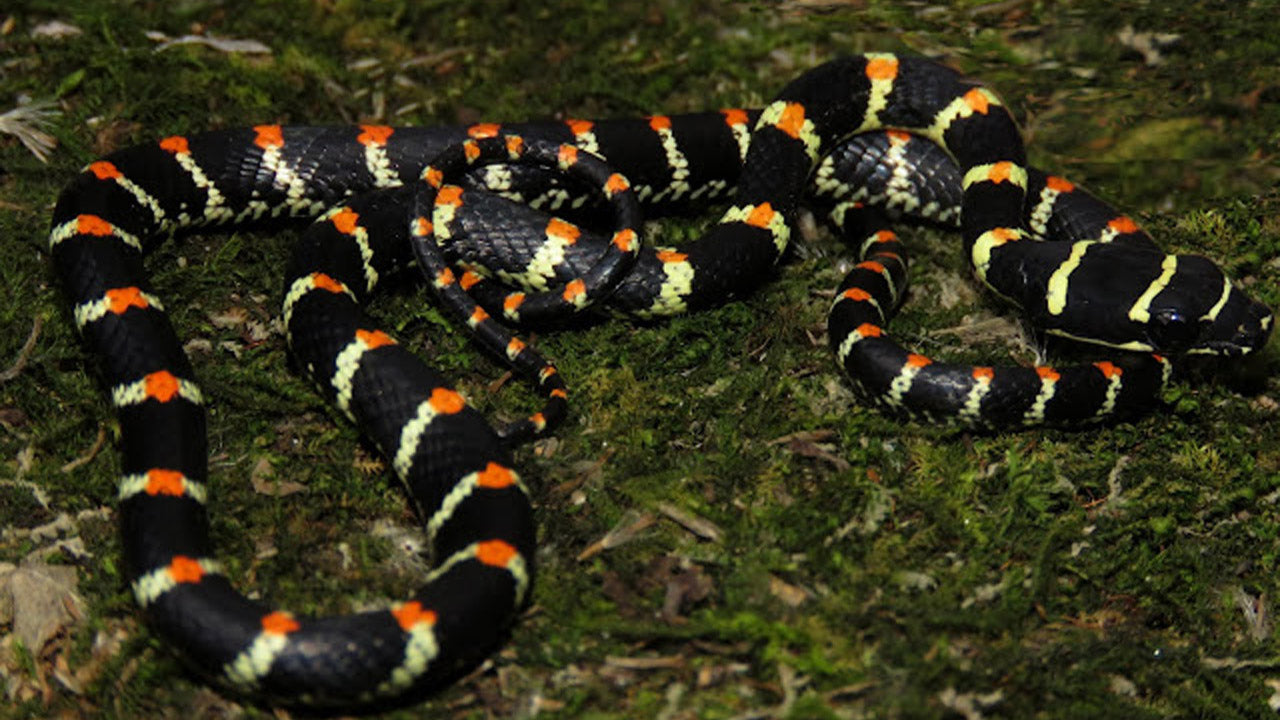 Ornate Flying Snake
Chrysopelea ornata
-
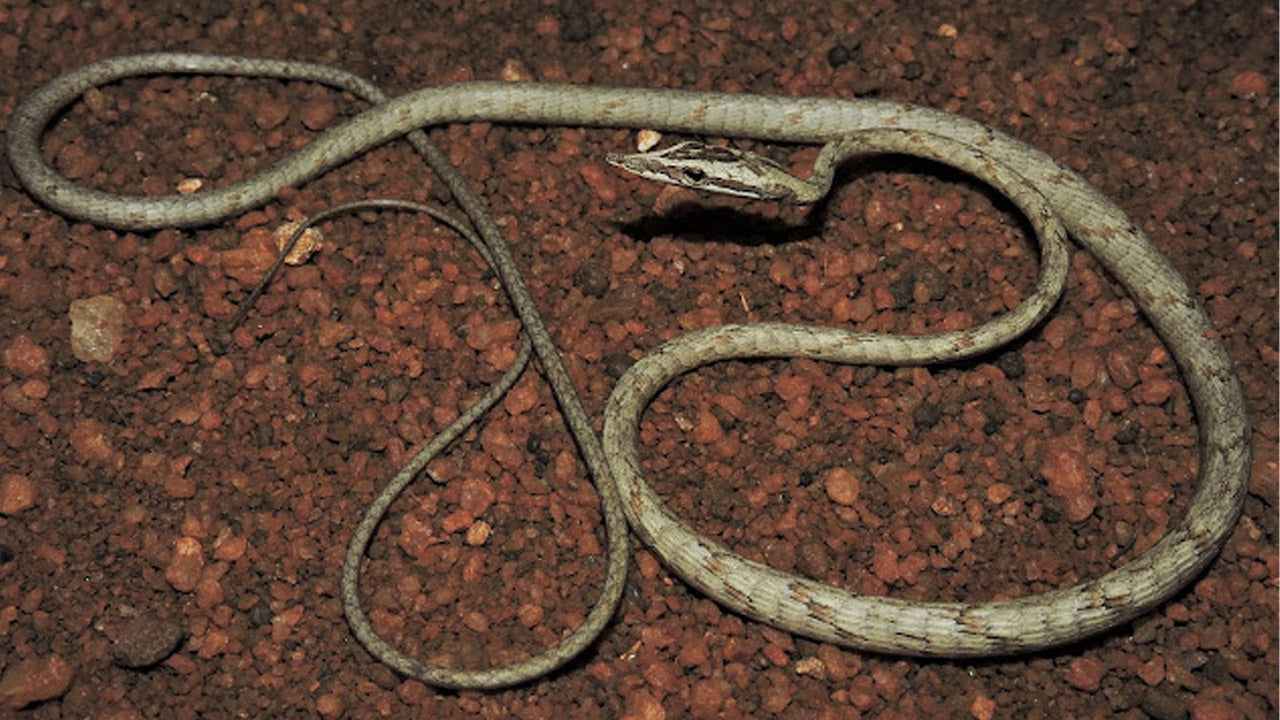 Brown Vine Snake
Ahaetulla pulverulenta
-
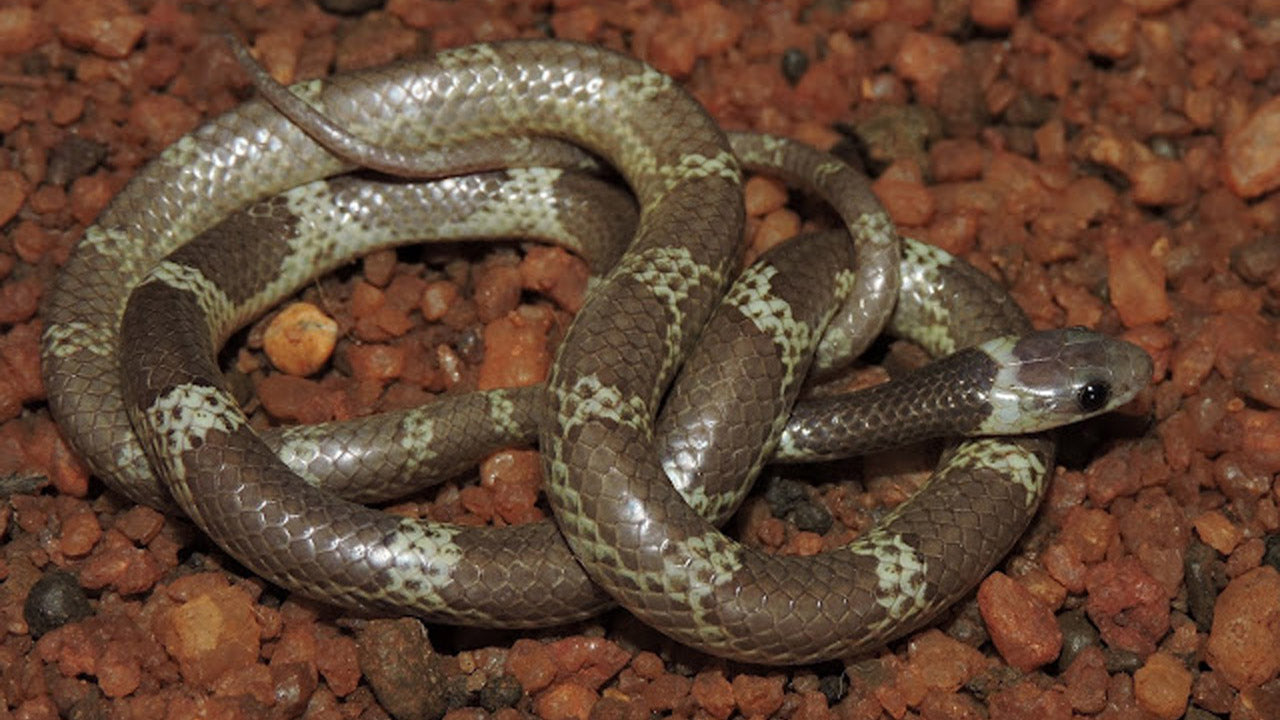 Common Bridal Snake
colubrid snake
-
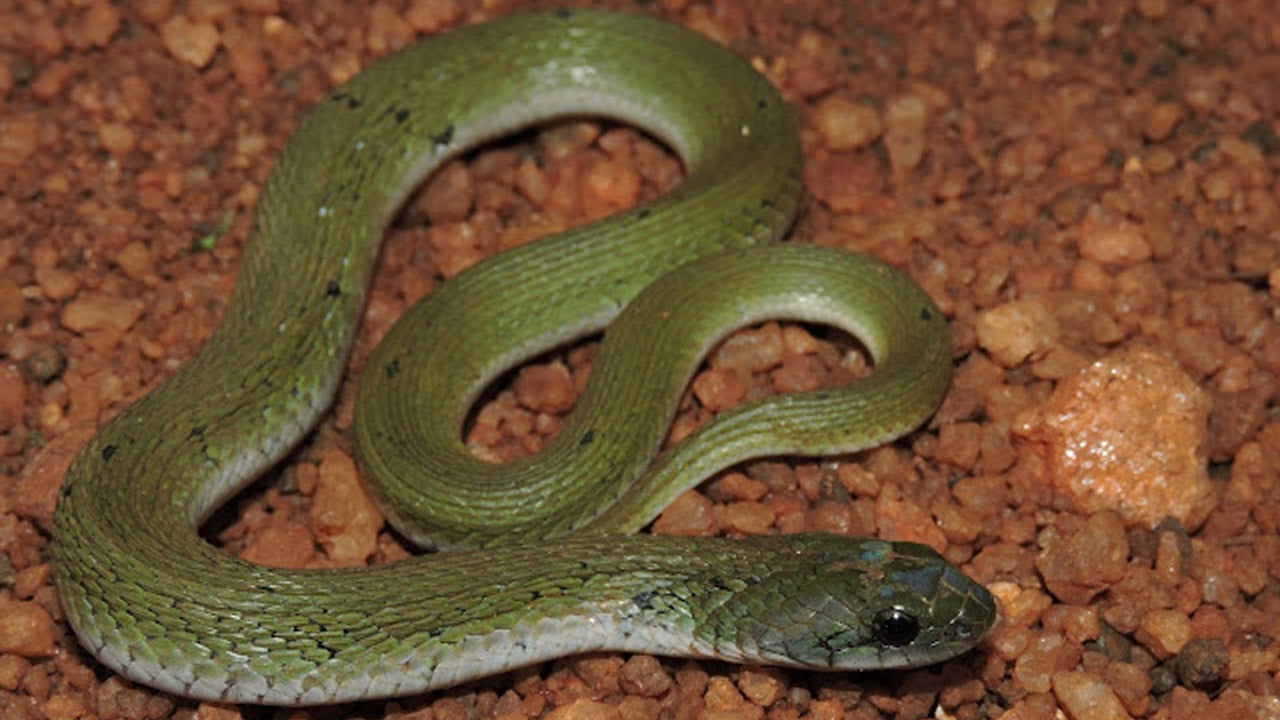 Green Keelback
Rhabdophis plumbicolor