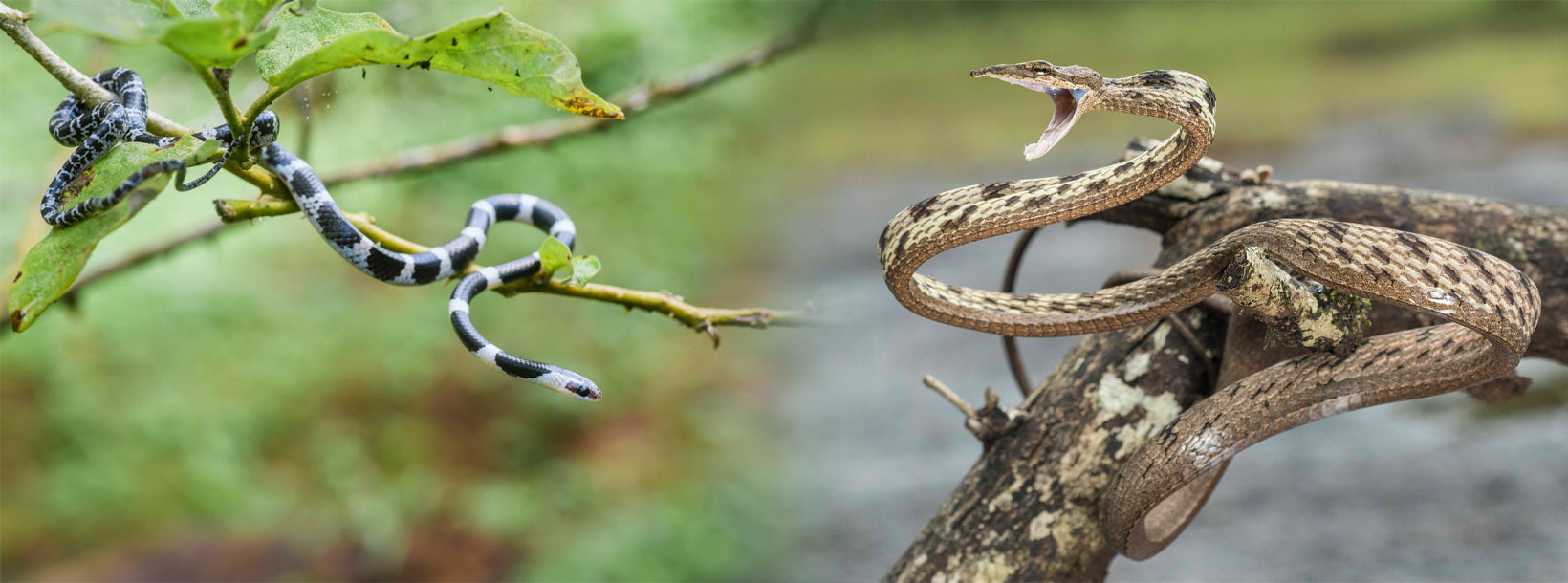
Common Rough-sided Snake


Scientific Name: Contia tenuis
Family: Colubridae
Common Name(s): Common Rough-sided Snake
Overview:
The Common Rough-sided Snake is a small, non-venomous species of snake found primarily in the western United States. Known for its distinct, rough texture along its sides due to keeled scales, this species is a member of the Colubridae family. The snake is secretive and elusive, often found in dry, rocky habitats, where it plays a vital role in controlling insect populations. It is commonly found in the foothills and lowland areas of California, Oregon, Nevada, and parts of Arizona.
Physical Description:
- Size: Typically ranging from 30 to 45 cm (12 to 18 inches) in length, the Common Rough-sided Snake is relatively small and slender in build.
- Coloration: The body is usually a muted brown or grayish color, with darker markings running along the back and sides. The belly is pale or cream-colored.
- Tail: The tail is relatively short and tapered, blending seamlessly with the body.
- Head: The head is small and often difficult to distinguish from the body, giving the snake a streamlined, inconspicuous appearance. The eyes are small and dark, contributing to its discreet look.
Habitat and Distribution:
- Geographical Range: This species is found in the western United States, particularly in California, Oregon, Nevada, and Arizona.
- Habitat: The Common Rough-sided Snake prefers dry, rocky areas, often in foothills and lowland regions. It is commonly found in scrublands, open woodlands, and areas with abundant rocks or debris where it can seek shelter.
Behavior and Diet:
- Habits: The Common Rough-sided Snake is typically nocturnal or crepuscular (active during dawn and dusk). During the day, it seeks shelter under rocks or in cracks and crevices.
- Diet: This species is insectivorous, primarily feeding on small invertebrates such as ants, termites, beetles, and other arthropods. It uses its keen sense of smell to locate prey while hunting at night.
Reproduction:
- Reproductive Mode: Like many colubrids, the Common Rough-sided Snake lays eggs. Breeding typically occurs in the spring, with females laying clutches of eggs in hidden, moist locations. The eggs hatch in late summer or early fall, and the young are independent from birth.
Conservation Status:
- Threats: While the Common Rough-sided Snake is not currently considered endangered, it faces potential threats from habitat destruction due to urbanization, agriculture, and climate change. These snakes rely on specific habitats, and any disturbance to these areas could impact their population.
- Conservation Efforts: Efforts to preserve natural habitats, especially in the western U.S., are crucial to protecting the Common Rough-sided Snake. Conservation initiatives focused on maintainin
-
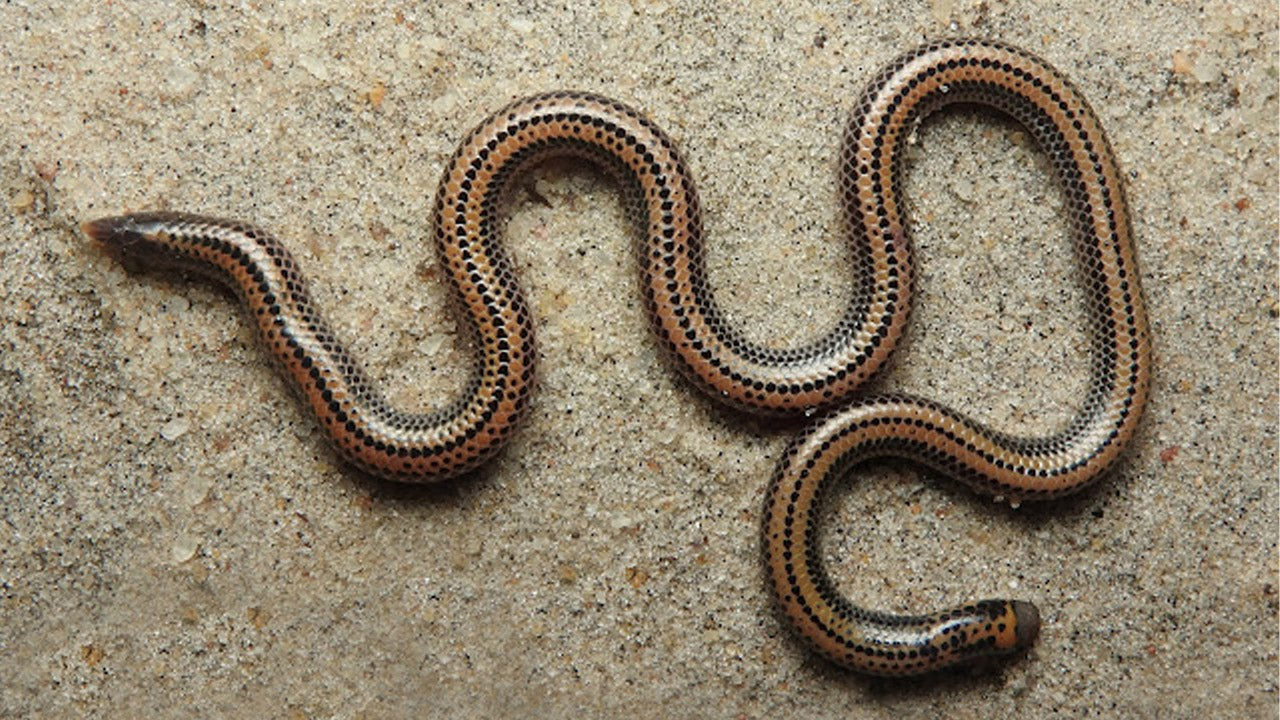 Muller's Shieldtail
Uropeltis mülleri
-
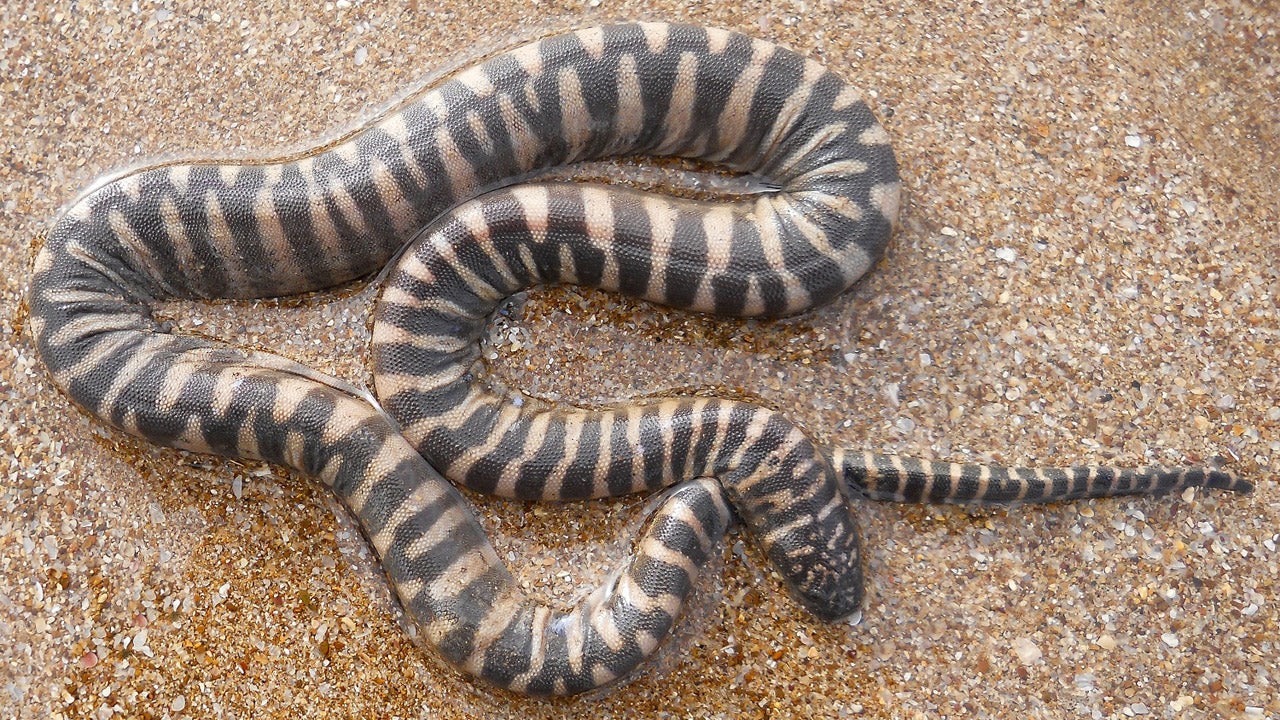 Wart Snake
Acrochordus
-
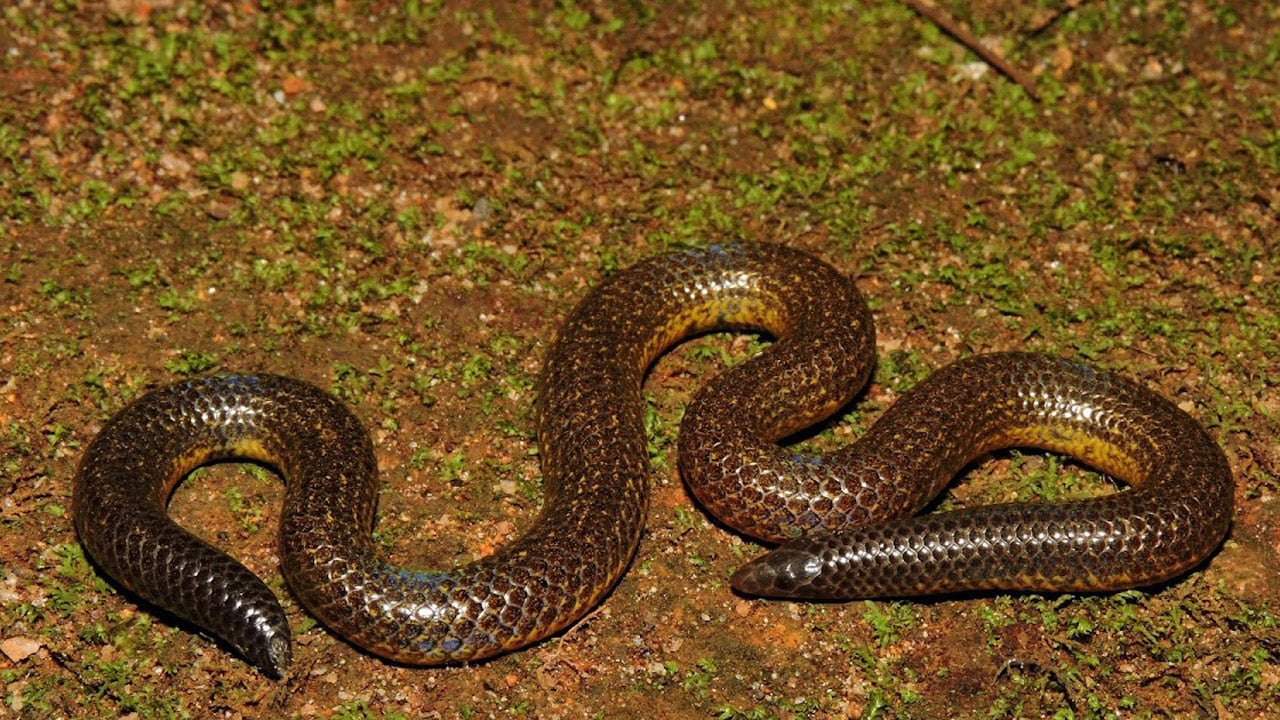 Drummond-Hay's Shieldtail
Rhinophis drummondhayi
-
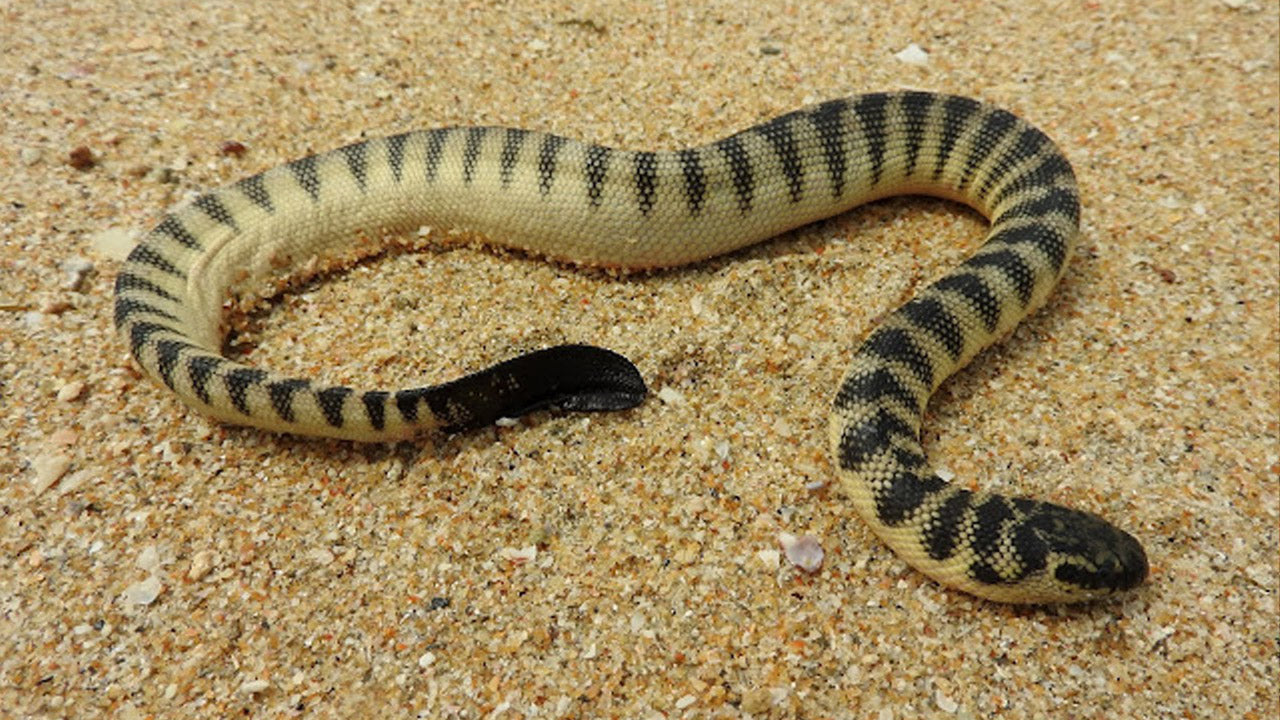 Shaw's Sea Snake
Hydrophis curtus
-
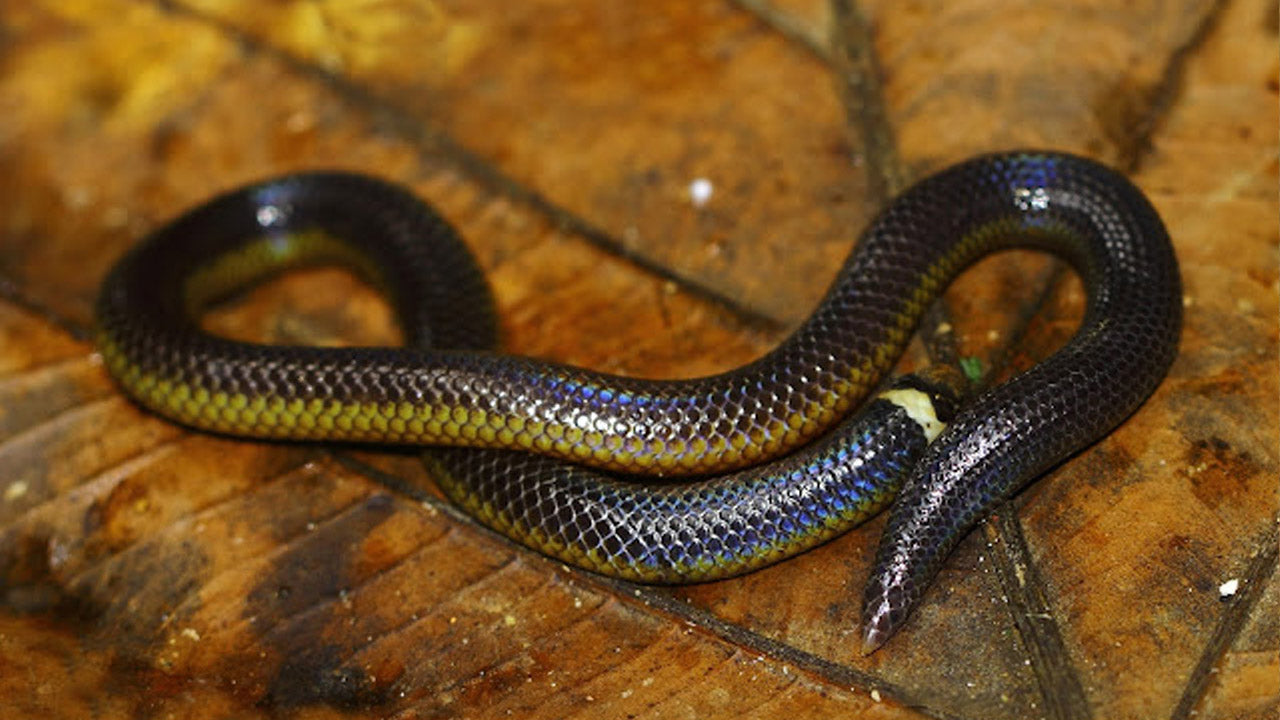 Deraniyagala's Shieldtail
Rhinophis tricoloratus
-
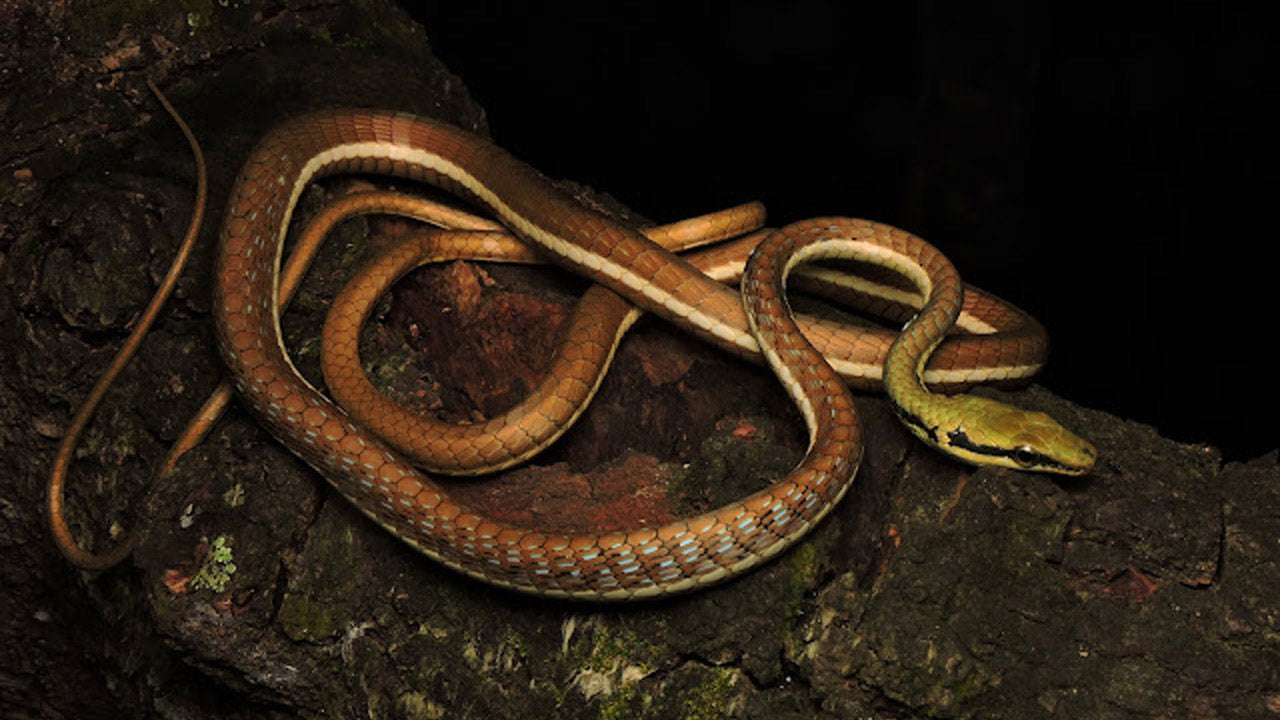 Wickramasinghe's Bronzeback
Dendrelaphis wickrorum
-
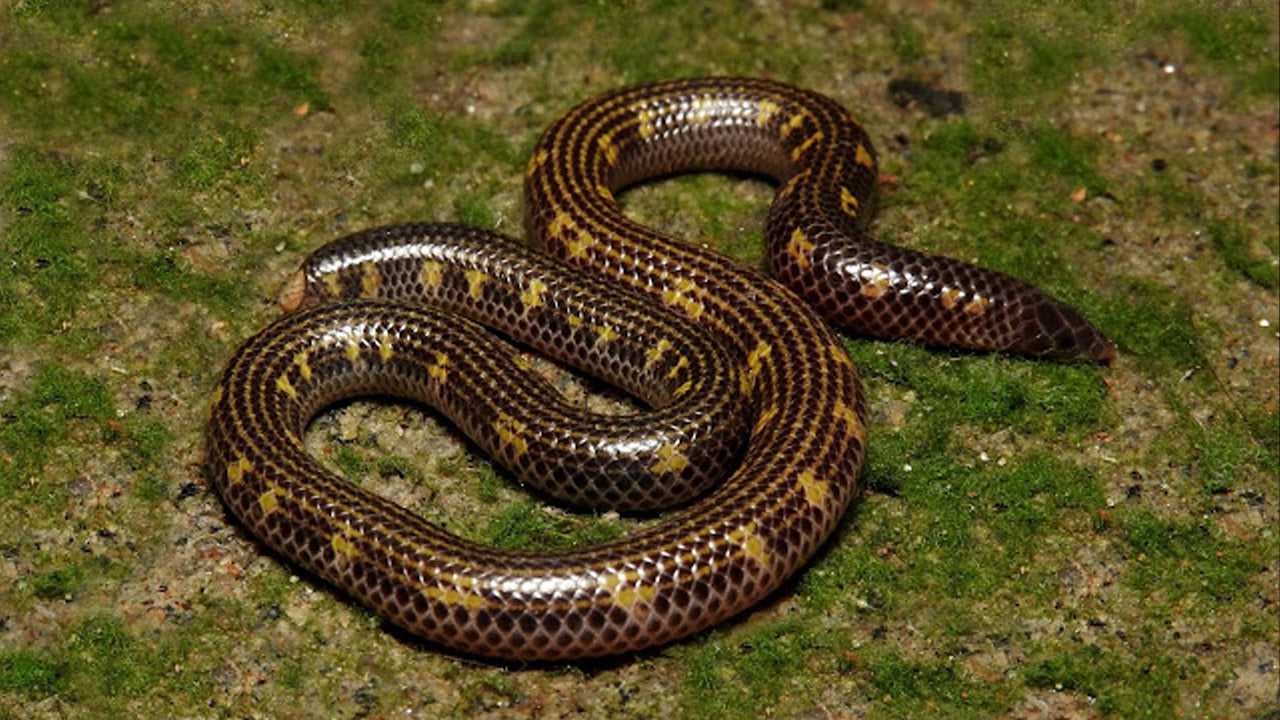 Phillip's Earth Snake
Rhinophis phillipsi
-
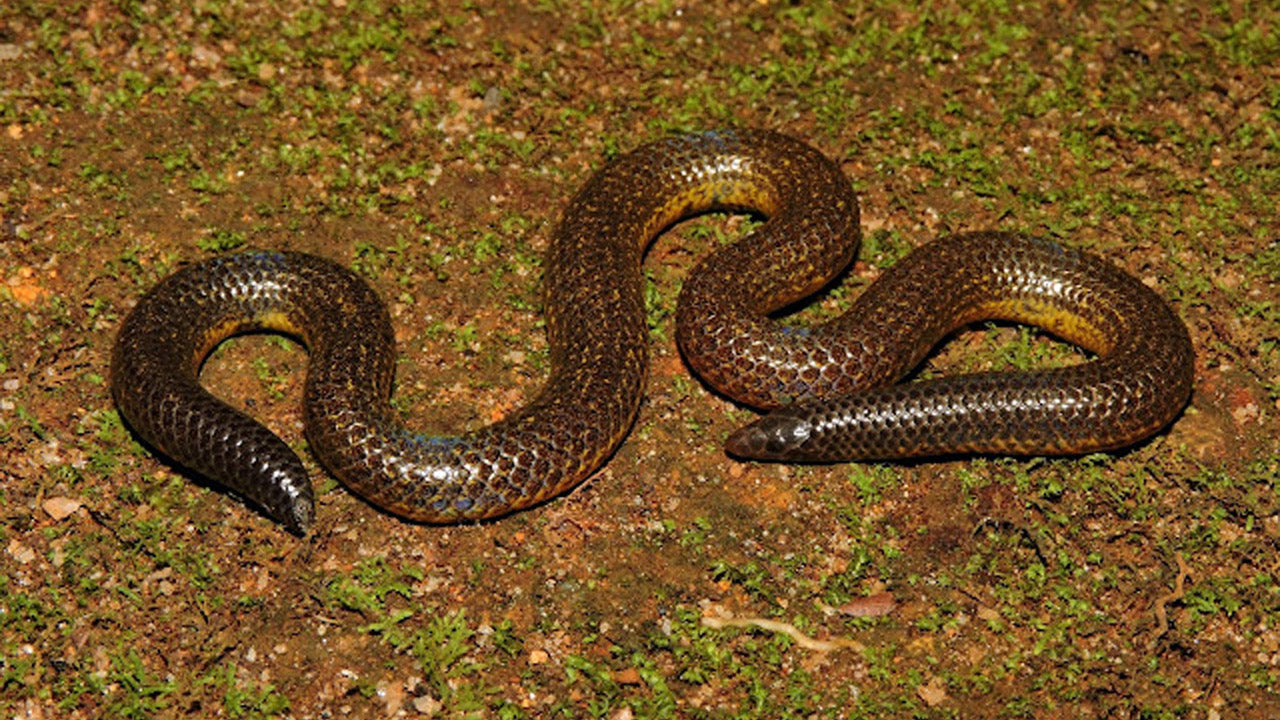 Gray's Earth Snake
Aparallactus grayi
-
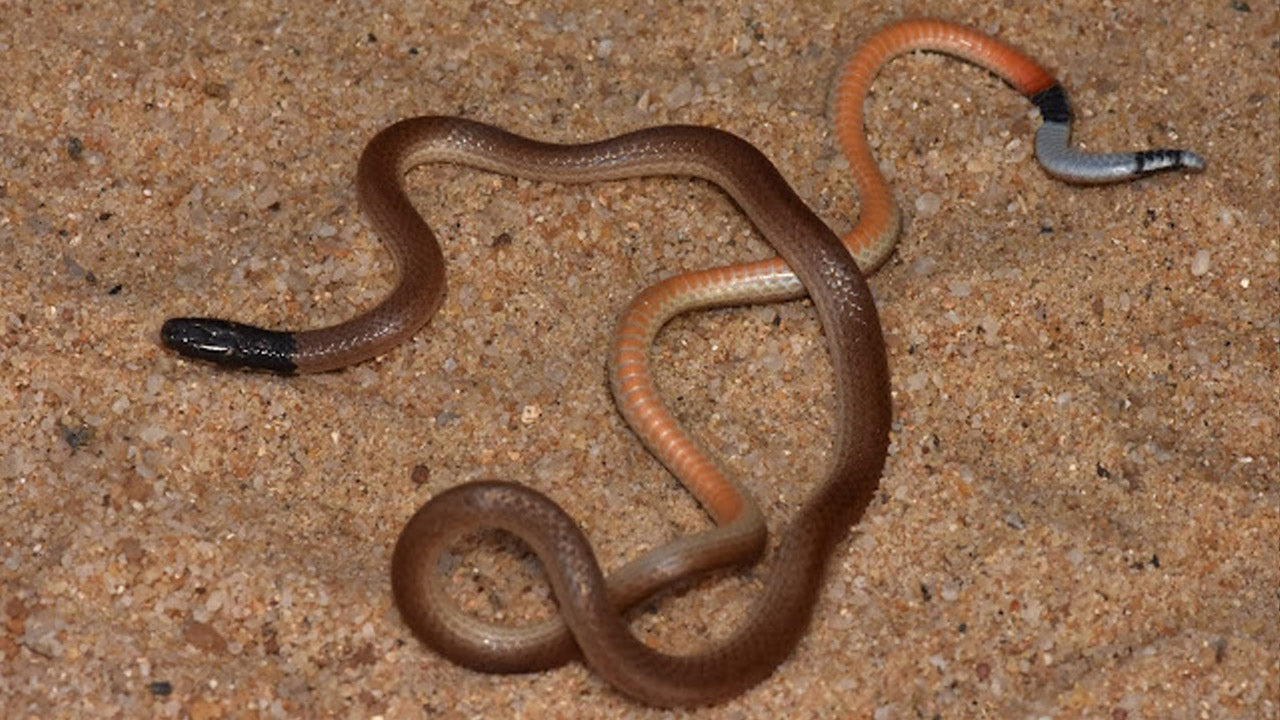 Slender Coral Snake
Calliophis Melanurus
-
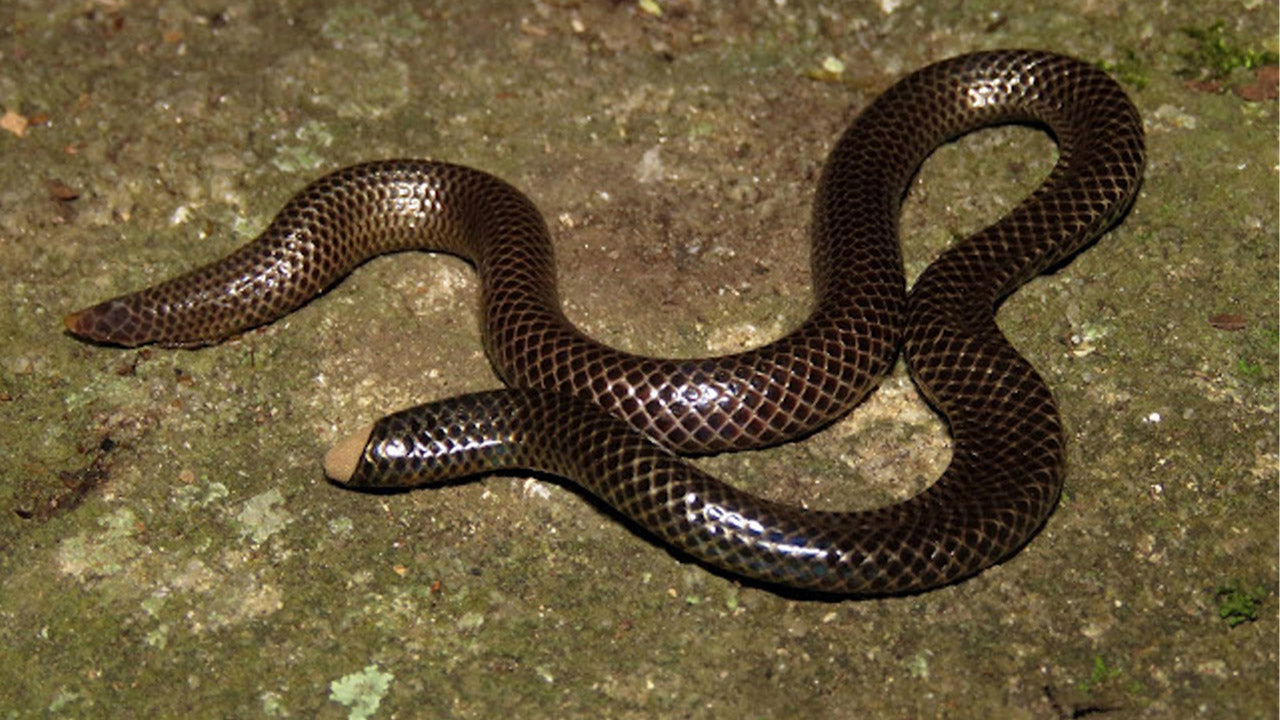 Cuvier's Shieldtail
Uropeltis ceylanica
-
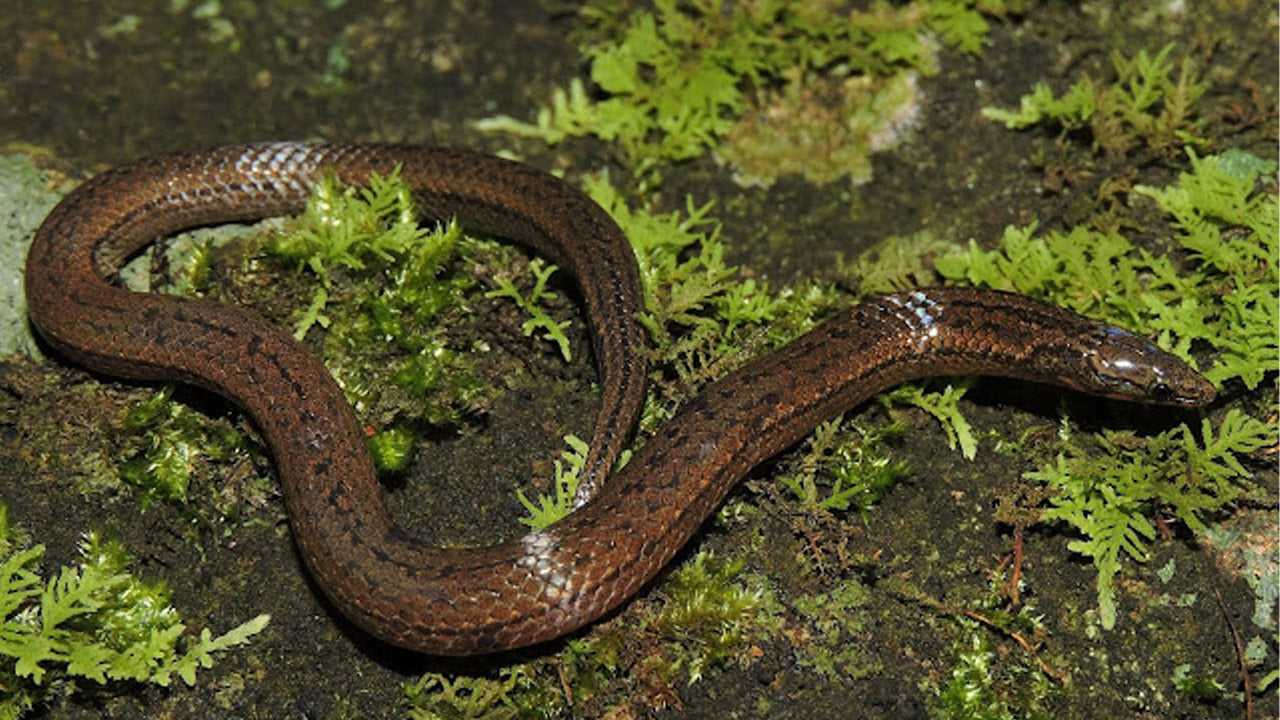 de Silva's Rough-sided Snake
Aspidura desilvai
-
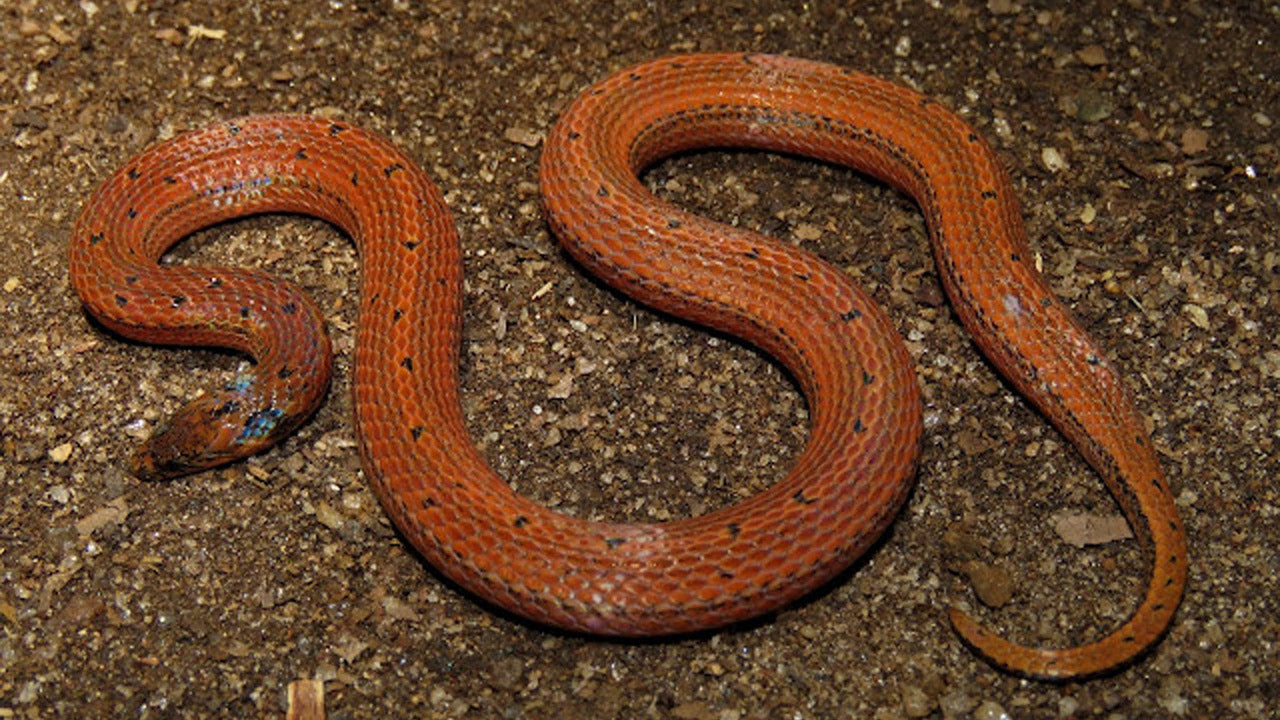 Boie's Rough-Sided Snake
Aspidura brachyorrhos
-
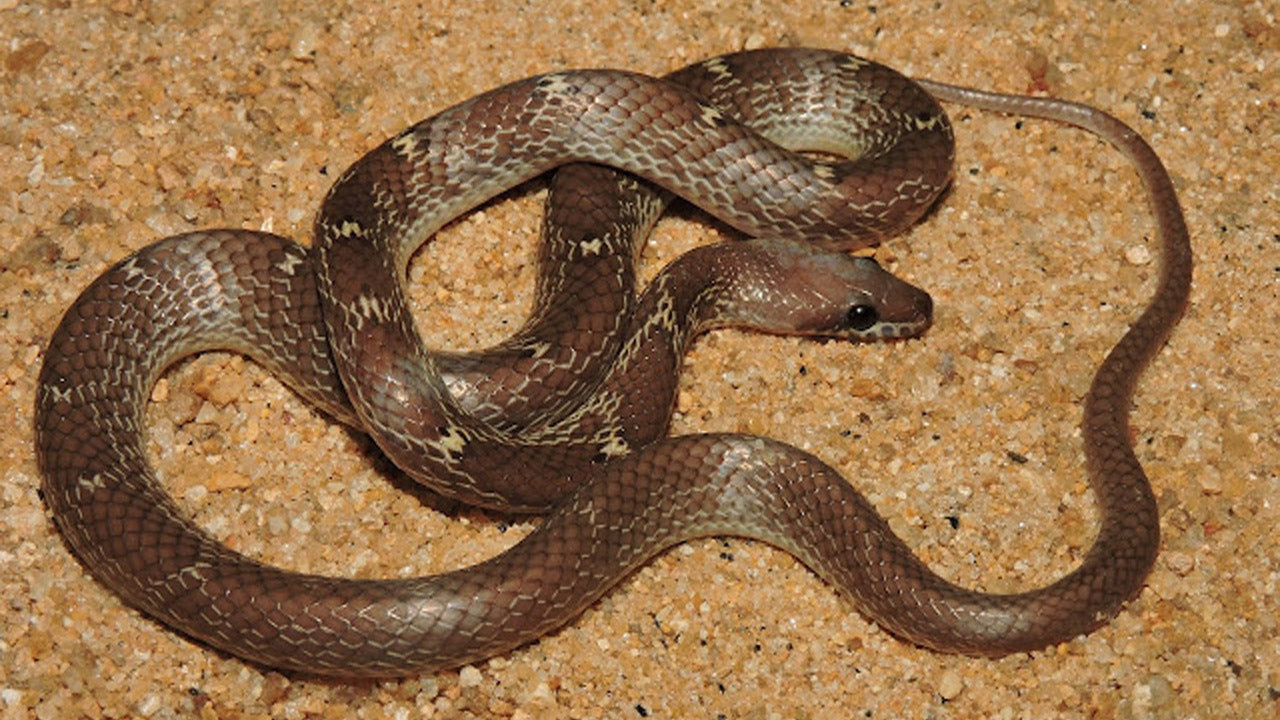 Flowery Wolf Snake
Lycodon anamallensis
-
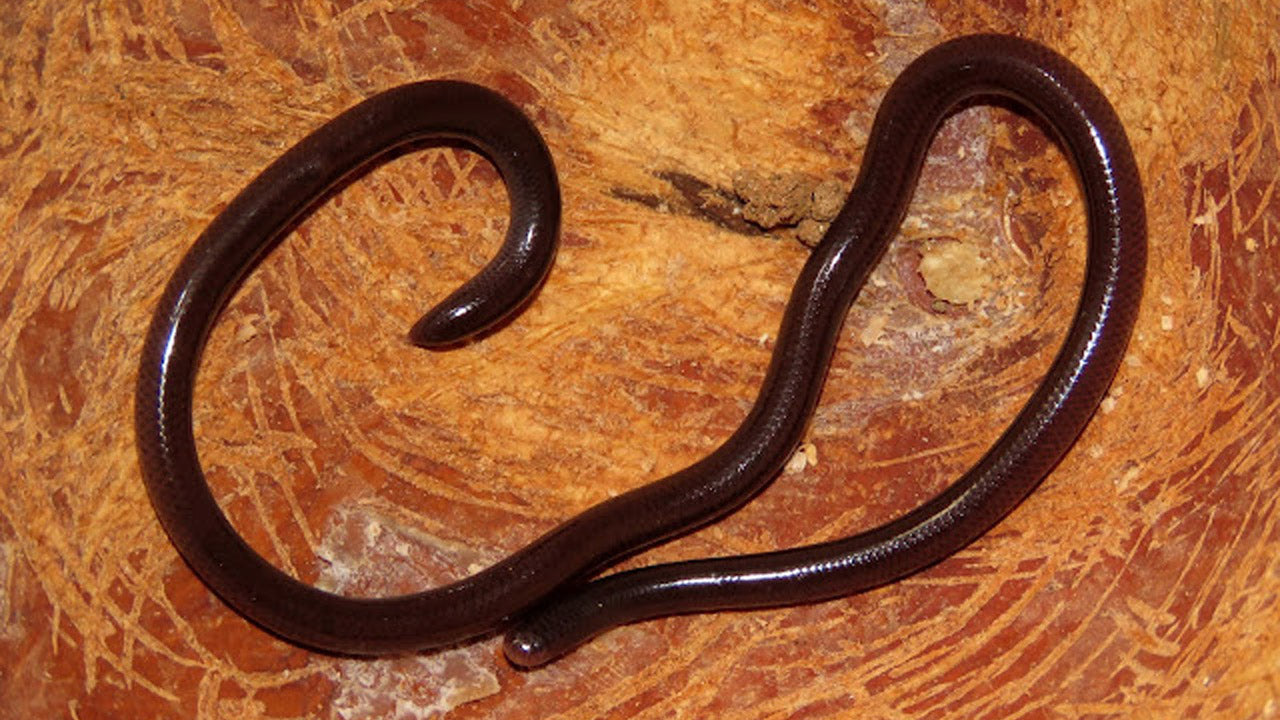 Brahminy Blind Snake
Indotyphlops braminus
-
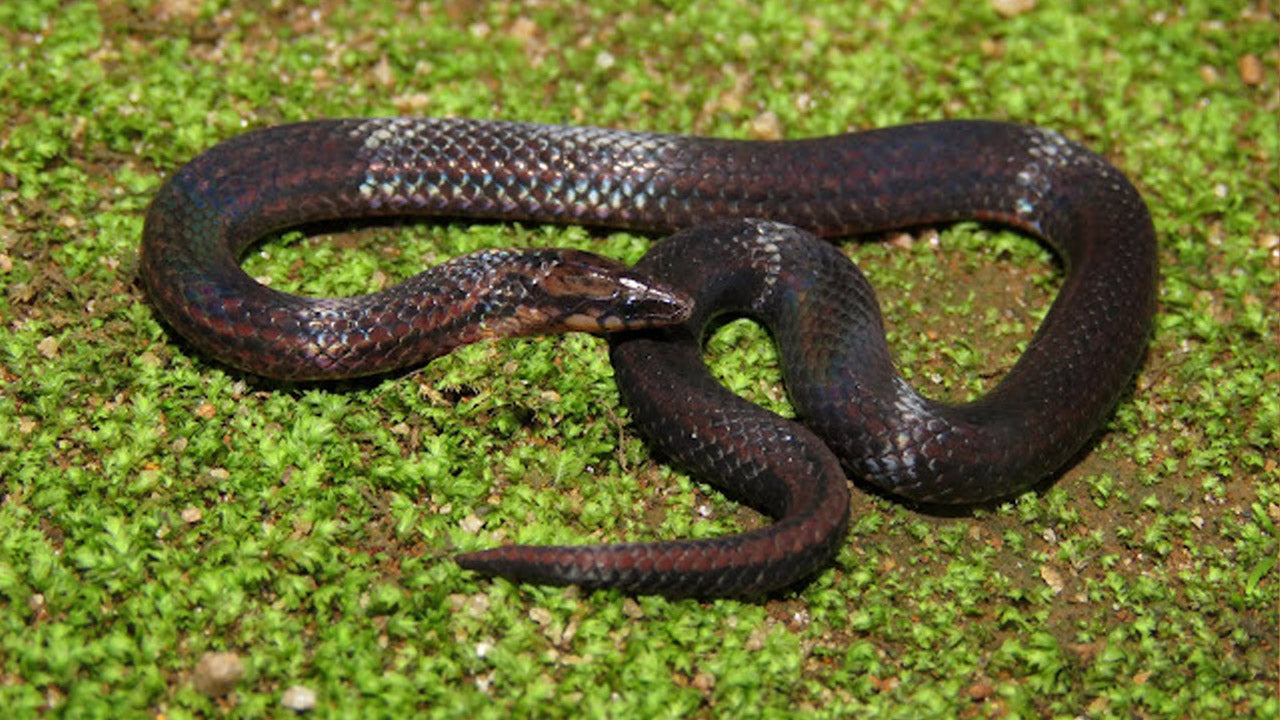 Common Rough-sided Snake
Aspidura trachyprocta
-
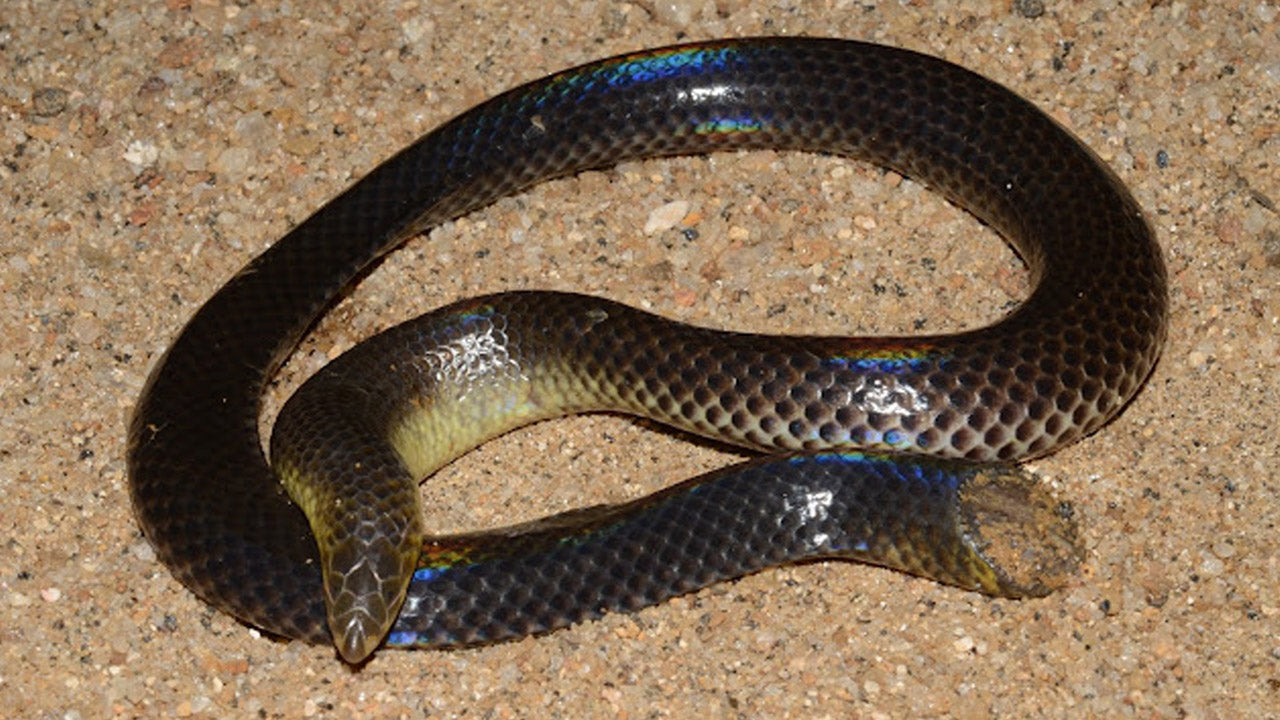 Large Shieldtail
Rhinophis saffragamus
-
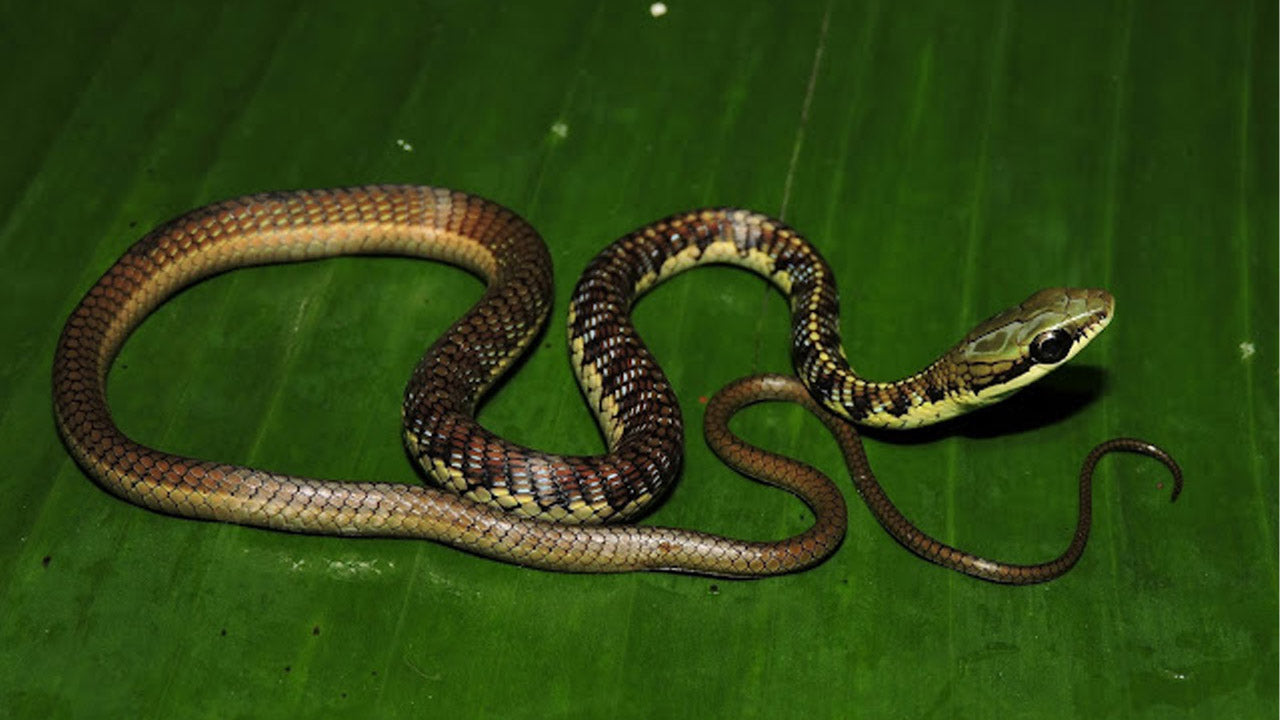 Schokar's Bronzeback
Schokar's bronzeback
-
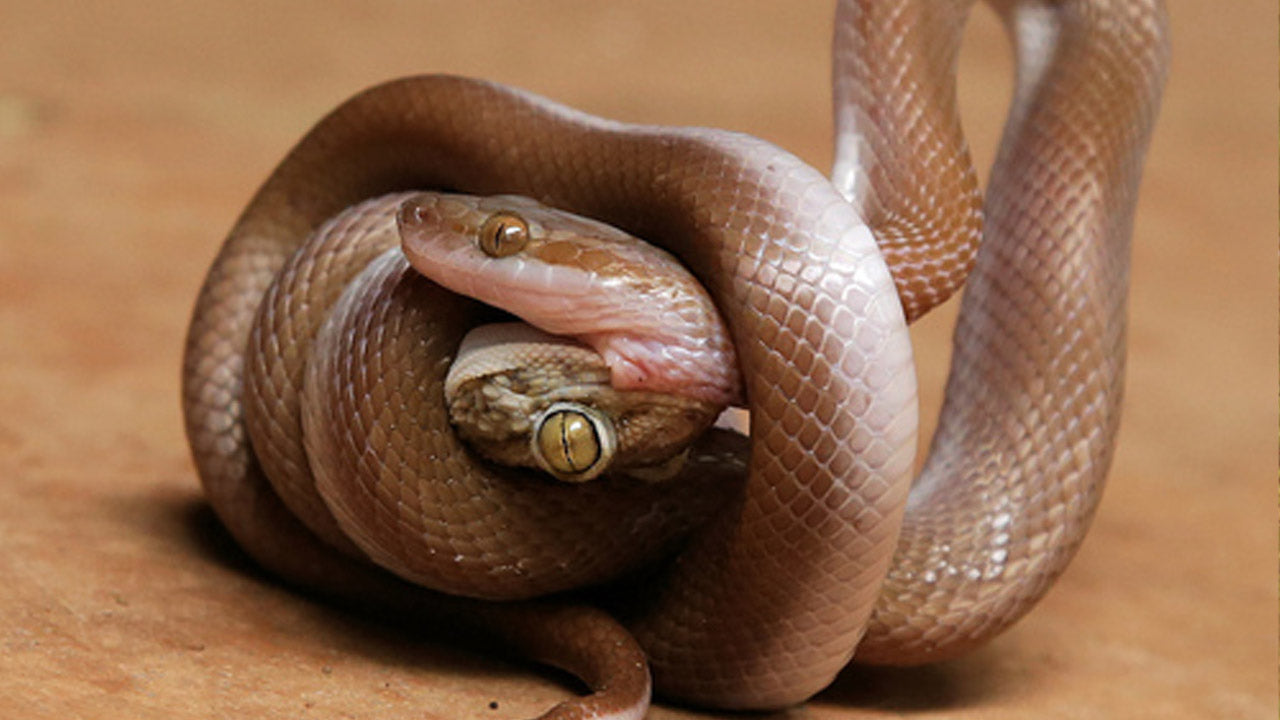 Jan's Worm Snake
Typhlops mirus
-
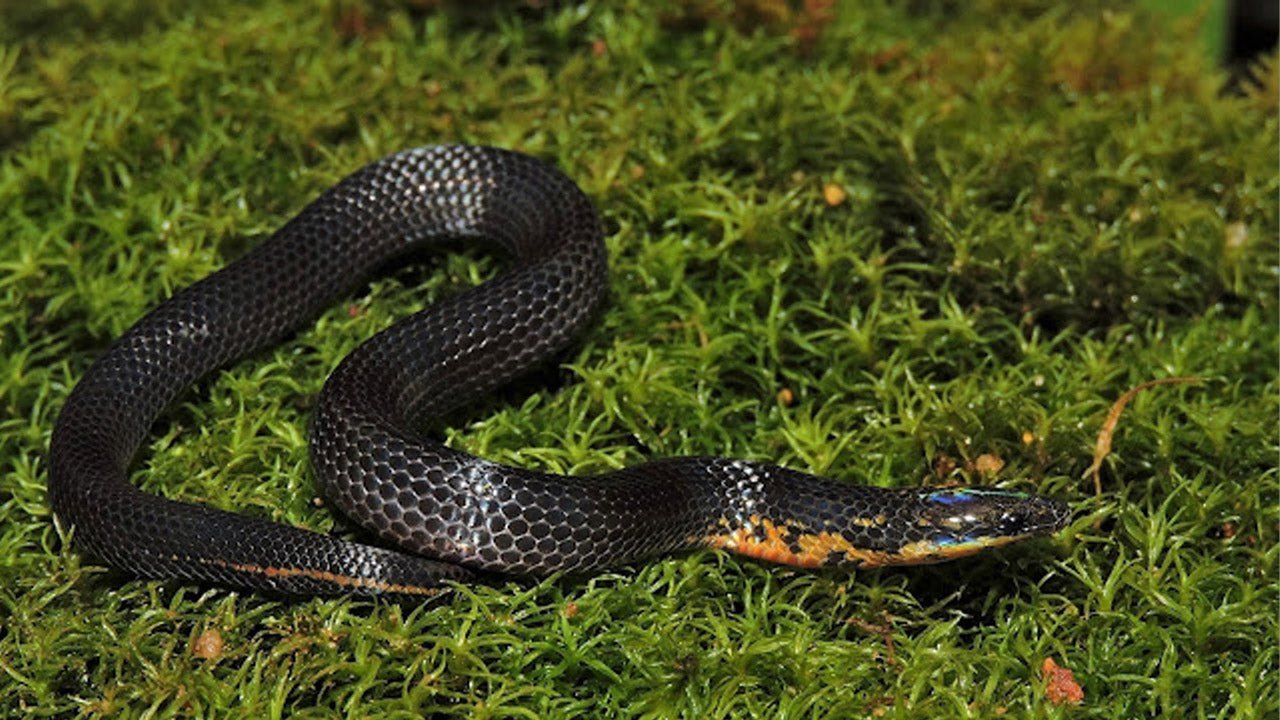 Ravana's Rough-sided Snake
Aspidura ravanai
-
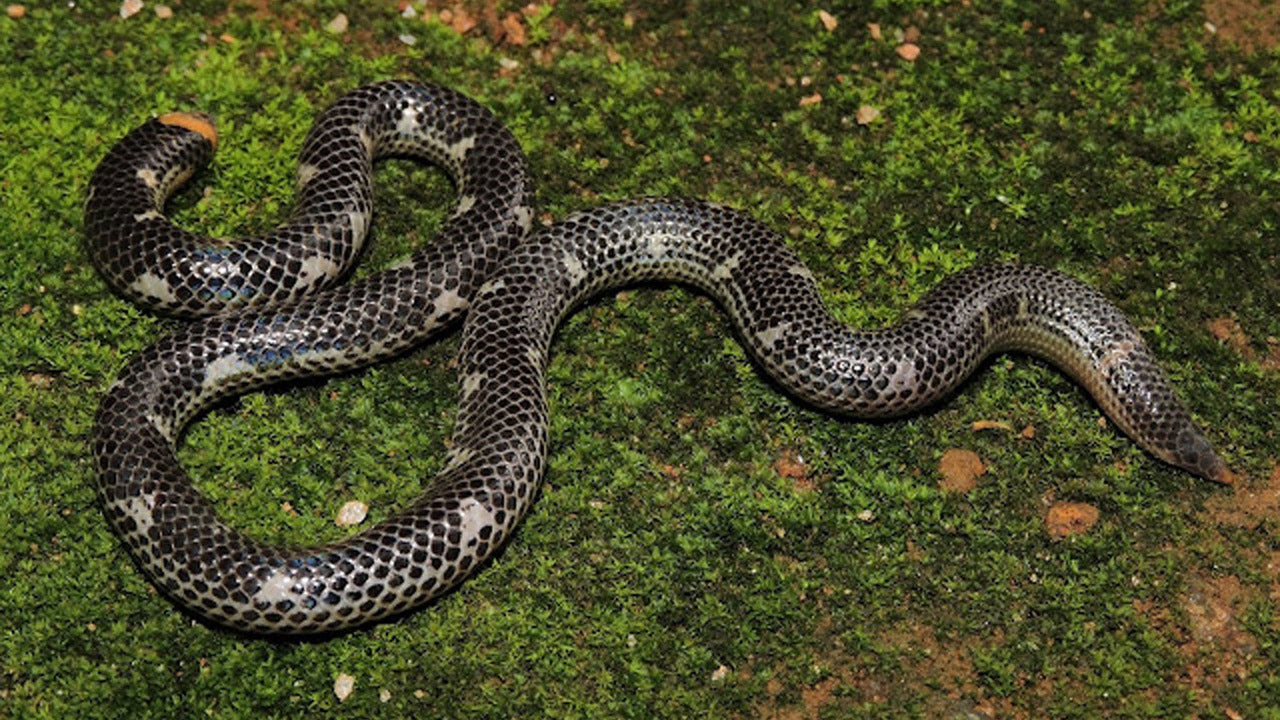 Hemprich's Shieldtail
Uropeltis hemprichii.
-
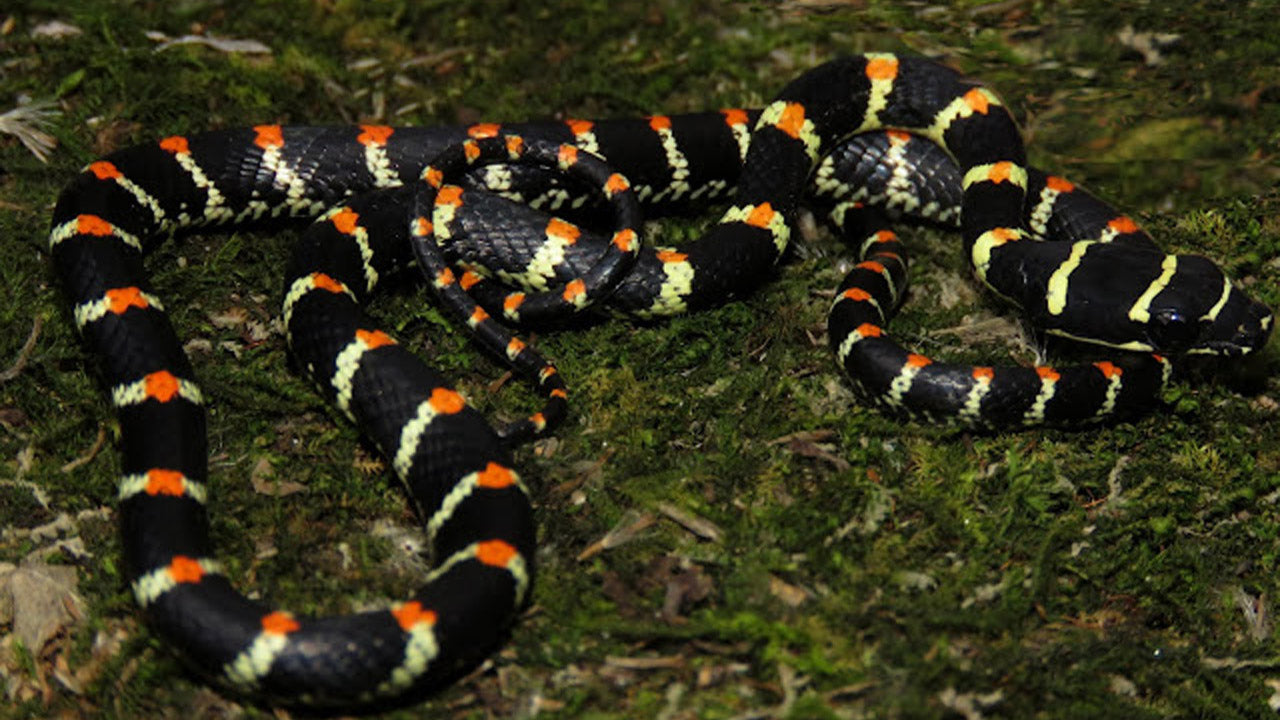 Ornate Flying Snake
Chrysopelea ornata
-
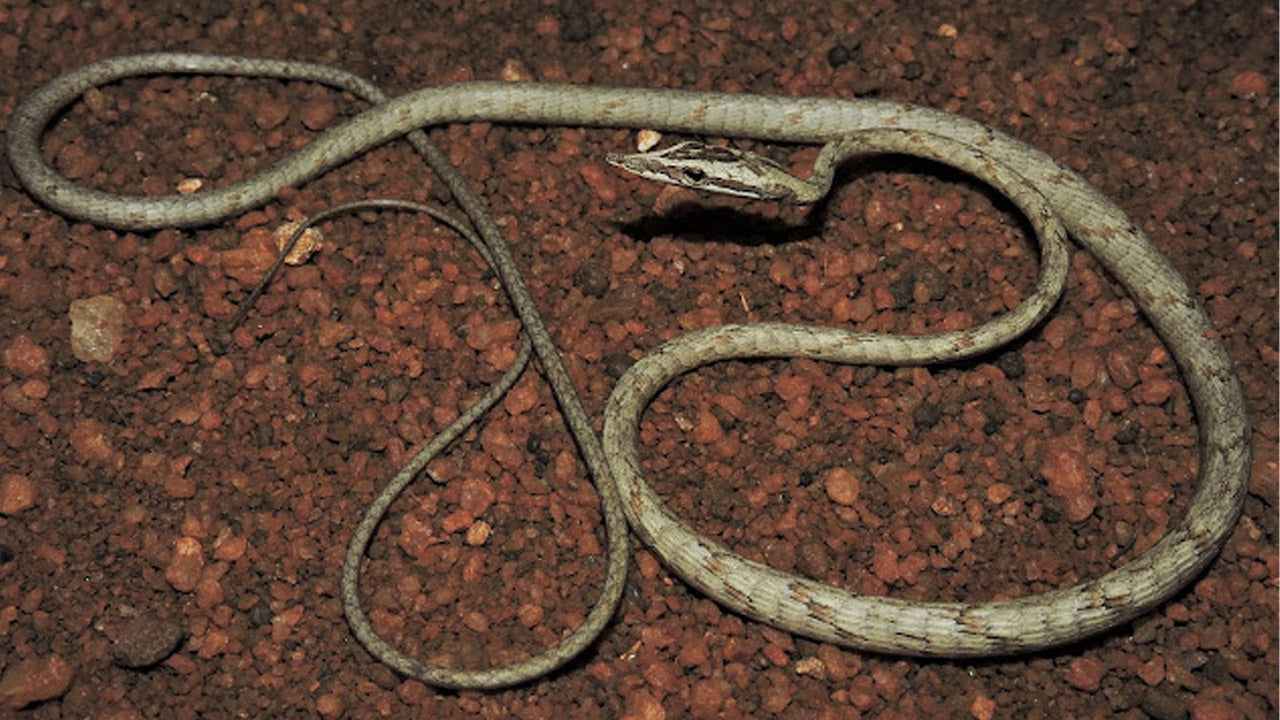 Brown Vine Snake
Ahaetulla pulverulenta
-
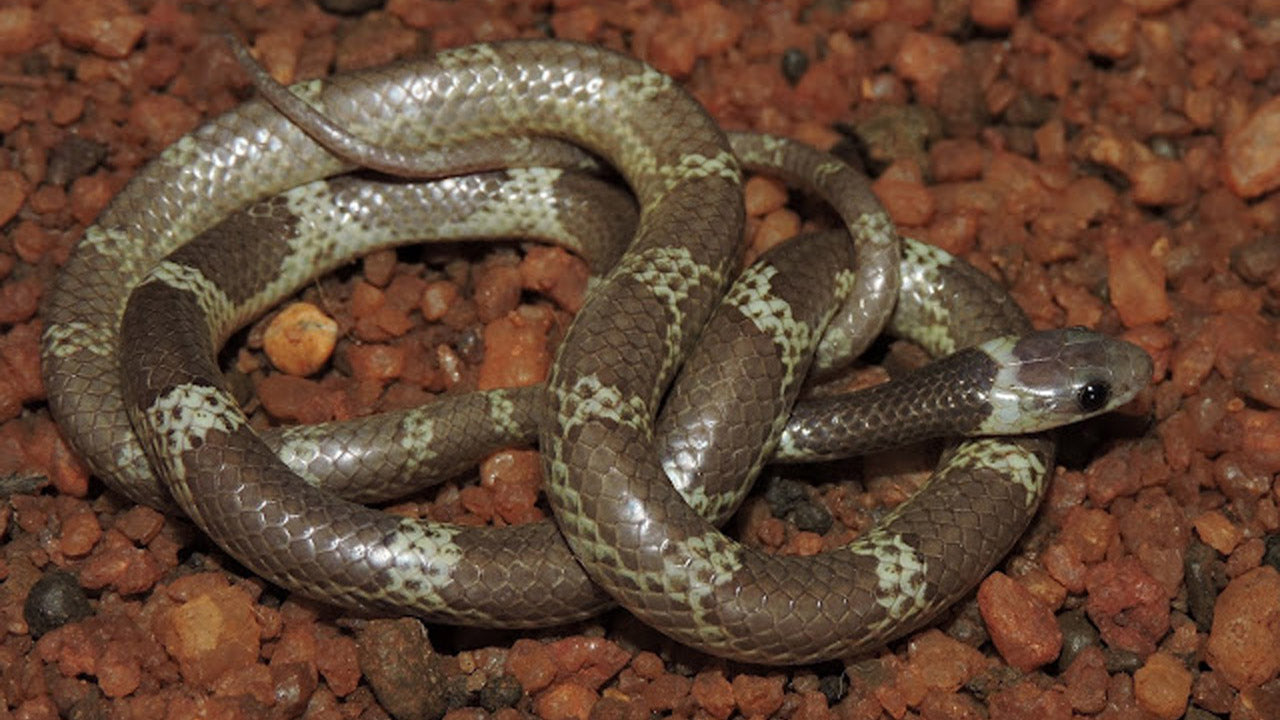 Common Bridal Snake
colubrid snake
-
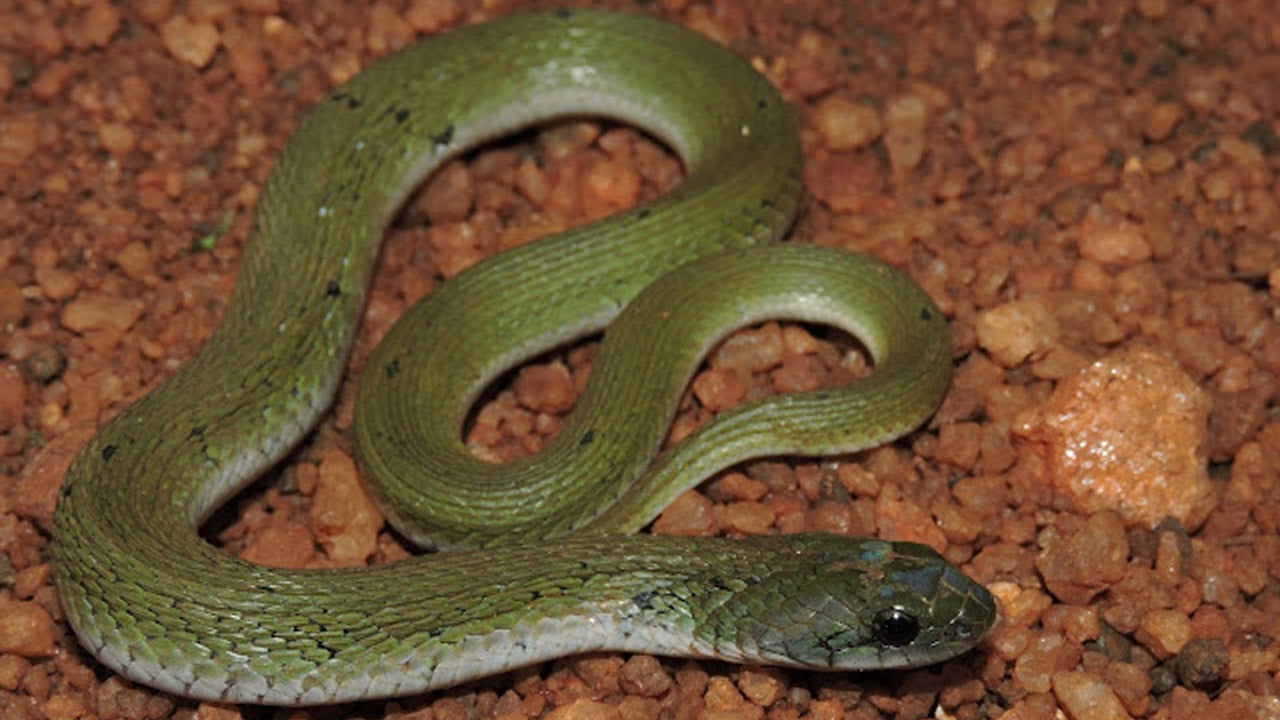 Green Keelback
Rhabdophis plumbicolor