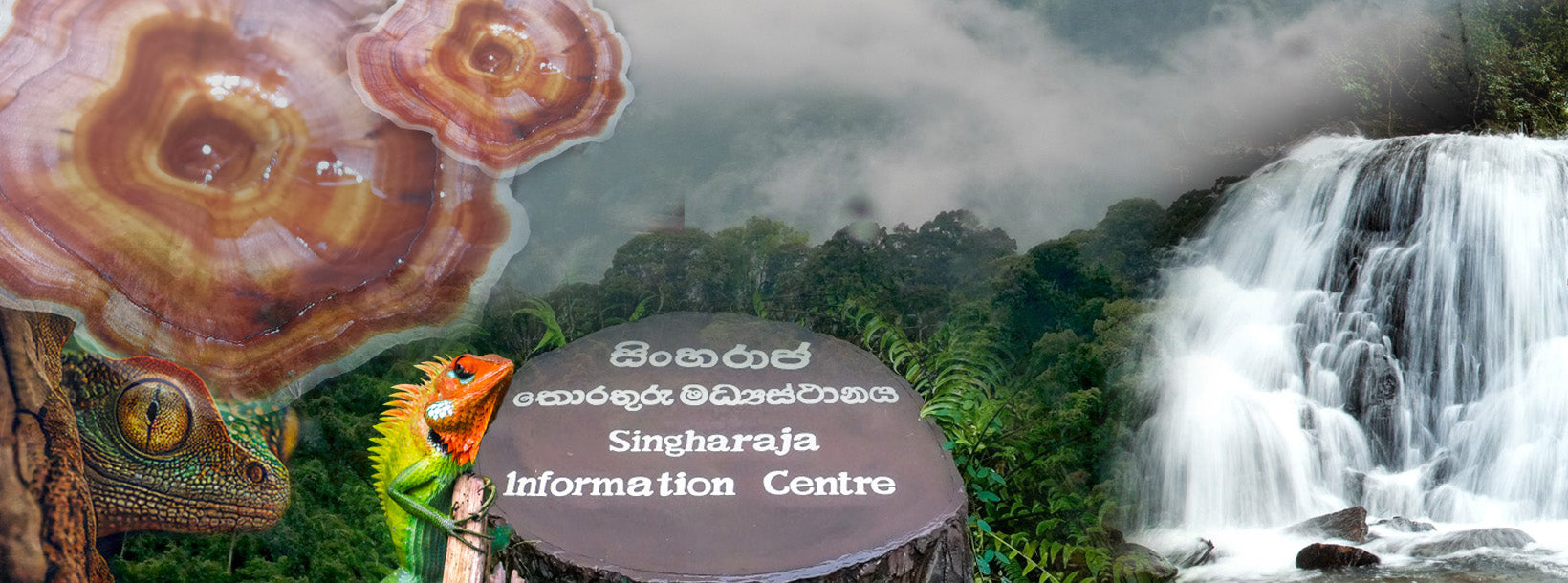
සිංහරාජ වැසි වනාන්තරය, යුනෙස්කෝ ලෝක උරුම අඩවියක් වන අතර, ශ්රී ලංකාවේ නිවර්තන පහත්බිම් වැසි වනාන්තරයේ අවසාන ශක්ය ශේෂය වන අතර එය අක්කර 18,900 ක භූමි ප්රමාණයකින් යුක්ත වේ. එය ශ්රී ලංකාවේ නිරිතදිග පහත්බිම් තෙත් කලාපයේ සබරගමුව සහ දකුණු පළාත්වල පිහිටා ඇත. සිංහරාජය ගංගා තුනකින් මායිම් වේ: උතුරින් නාපොල දෝල සහ කොස්කුලන ගඟ, දකුණින් සහ නිරිත දෙසින් මහ දෝල සහ ගිං ගඟ සහ බටහිරින් කළුකන්දාව ඇළ සහ කුඩා ගඟ. නැගෙනහිරින්, එය බෙවර්ලි තේ වතුයාය සහ දෙනුව කන්ද අසල පුරාණ අඩිපාරකින් මායිම් වේ.
සිංහරාජ වැසි වනාන්තරයට ළඟා වීම
රටේ උතුරු හෝ බටහිර ප්රදේශවලින්, ඔබට රත්නපුර, කිරිඇල්ල, කලවාන සහ වෙද්දල හරහා සිංහරාජ වන රක්ෂිතයට ළඟා විය හැකිය. දකුණින්, ඔබට දෙනියායෙන් සිංහරාජ වැසි වනාන්තරයට ඇතුළු විය හැකිය. හම්බන්තොට සහ උඩවලවේ සිට, ඔබට රක්වාන පැත්තෙන් සිංහරාජයට ඇතුළු විය හැකිය.
සිංහරාජ වැසි වනාන්තරයේ භූමි ප්රමාණය
සිංහරාජ වන රක්ෂිතයේ මුළු භූමි ප්රමාණය අක්කර 18,900 (හෙක්ටයාර 7,648) කි. එය මීටර් 300 සිට මීටර් 1,170 දක්වා උන්නතාංශයක පවතී.
සිංහරාජ වනාන්තරයේ වැදගත්කම
සිංහරාජ වන රක්ෂිතය ශ්රී ලංකාවේ ආවේණික ක්ෂීරපායින් සහ සමනලුන් විශේෂවලින් 50% කට වඩා වැඩි ප්රමාණයක් මෙන්ම කෘමීන්, උරගයින් සහ දුර්ලභ උභයජීවී විශේෂ රාශියකට නිවහන වේ.
සිංහරාජ වන රක්ෂිතය පිහිටුවීම
සිංහරාජ වනාන්තරයෙන් වැඩි කොටසක් මුලින් 1875 දී මුඩුබිම් ආඥා පනත යටතේ වනාන්තර රක්ෂිතයක් ලෙස ප්රකාශයට පත් කරන ලදී. 1978 දී, යුනෙස්කෝයේ මිනිසා සහ ජෛවගෝල (MAB) වැඩසටහනේ කොටසක් ලෙස සිංහරාජ වැසි වනාන්තරය ජාත්යන්තර ජෛවගෝල රක්ෂිත ජාලයට ඇතුළත් කරන ලදී. 1988 ඔක්තෝම්බර් මාසයේදී, රක්ෂිතය, ඊසානදිග දිගුවක් සමඟ, ශ්රී ලංකාවේ පළමු ජාතික වනෝද්යාන උරුම ප්රදේශය ලෙස ප්රකාශයට පත් කරන ලදී. 1988 දෙසැම්බර් මාසයේදී, සිංහරාජ ජෛවගෝල රක්ෂිතය යුනෙස්කෝ ලෝක උරුම ලැයිස්තුවට එකතු කරන ලද ශ්රී ලංකාවේ පළමු ස්වාභාවික ස්ථානය බවට පත්විය.
සිංහරාජ වැසි වනාන්තරයේ දේශගුණය
පසුගිය වසර 60 ක කාලගුණ වාර්තාවලින් පෙනී යන්නේ සිංහරාජ වනාන්තරයේ වාර්ෂික වර්ෂාපතනය මිලිමීටර් 3,614 සිට 5,006 දක්වා වන අතර උෂ්ණත්වය 19°C සහ 34°C අතර වේ. වැඩිම වර්ෂාපතනය නිරිතදිග මෝසම් වැසි (මැයි-ජූලි) සහ ඊසානදිග මෝසම් වැසි (නොවැම්බර්-ජනවාරි) සමයේදී සිදු වේ.
භෞතික ලක්ෂණ
සිංහරාජ වැසි වනාන්තරය යනු කඳු වැටි සහ නිම්න මාලාවකින් සමන්විත රැලි සහිත භූමි ප්රදේශයක පටු තීරුවක් වන අතර, දකුණු මායිමේ ගිං ගඟට සහ උතුරු මායිමේ කළු ගඟට, නාපොල දෝල, කොස්කුලන ගඟ සහ කුඩාව ගඟ හරහා ගලා යන සංකීර්ණ දිය පහරවල් ජාලයකින් ජලය බැස යයි.
සිංහරාජ වැසි වනාන්තරයේ ස්වභාවික මංපෙත්
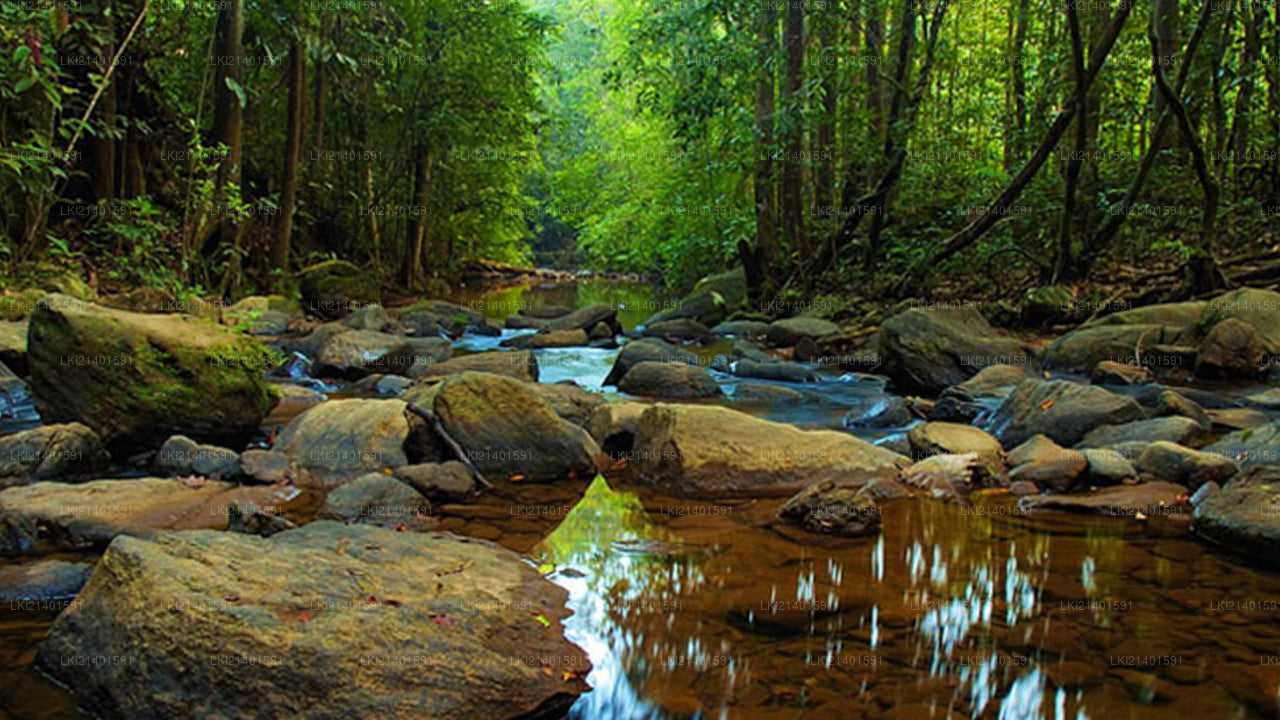
සිංහරාජ වැසි වනාන්තරයේ ප්රධාන ස්වභාවික මංපෙත් දෙක මුලවැල්ල සහ සිංහගල කඳු මුදුන් වෙත යොමු වේ. කුඩාව සංරක්ෂණ මධ්යස්ථානයෙන් (KCC) ආරම්භ වන මංපෙත් දෙකම එක හා සමානව විනෝදජනක සහ ඥානාලෝකමත් වේ. වනාන්තරය උස ගස් වලින් ඝන ලෙස ජනාකීර්ණ වුවද, වංගු සහිත මංපෙත් ප්රසන්න ගමනක් සඳහා දායක වේ. විවිධ මාළු, මැඩියන් සහ කකුළුවන් වාසය කරන ස්ඵටික-පැහැදිලි ජලයේ කුඩා දිය පහරවල් මංපෙත් හරහා ගමන් කරයි. ඉහත වියනෙහි මිශ්ර පක්ෂි විශේෂ දැකිය හැකිය.
සිංහගල ස්වභාවික මංපෙත
මාර්ග ප්රධානය: ආරක්ෂිත ප්රදේශයට පිවිසීම, කුඩාව සංරක්ෂණ මධ්යස්ථානය, වැද්දගල, කලවාන
මාර්ග අවසානය: සිංහගල කඳු මුදුන
මාර්ගයේ දිග: කිලෝමීටර 2.4
උන්නතාංශය වැඩි වීම: මීටර් 300 (මාර්ග ප්රධානය: මීටර් 473, මංපෙත අවසානය: මීටර් 773)
ආසන්න කාලය: පැය 5-7
කඳු නැගීමේ සමය: හොඳම මාස දෙසැම්බර් සිට අප්රේල් දක්වා වේ
මුලවැල්ල ස්වභාවික මංපෙත
මාර්ග ප්රධානය: ආරක්ෂිත ප්රදේශයට පිවිසීම, කුඩාව සංරක්ෂණ මධ්යස්ථානය, වැද්දගල, කලවාන
මාර්ග අවසානය: මුලවැල්ල කඳු මුදුන
මාර්ගයේ දිග: කිලෝමීටර 2.4
උන්නතාංශය වැඩි වීම: මීටර් 457 (මාර්ග ප්රධානය: මීටර් 301, මංපෙත අවසානය: මීටර් 758)
ආසන්න කාලය: පැය 1-2
කඳු නැගීමේ සමය: හොඳම මාස දෙසැම්බර් සිට අප්රේල් දක්වා වේ
සිංහරාජ වැසි වනාන්තරයේ පක්ෂි ජීවිතය
සිංහරාජ වැසි වනාන්තරය බොහෝ දේශීය පක්ෂීන්ගේ නිවහන වේ, උදාහරණයක් ලෙස ලංකා එල්ලෙන ගිරවා (Loriculus beryllinus), ලංකා අළු හෝන්බිල් (Ocyceros gingalensis), අළු-හිසැති සිනාසෙන තෙරපුම (Garrulax cinereifrons), ලේයර්ඩ්ගේ පැරකීට් (Psittacula calthripae), කැලෑ කුකුළා (Gallus lafayetii), ස්පර් කුකුළා (Galloperdix bicalcarata), ලංකා දැව පරෙවියා (Columba torringtonii), දුඹුරු පැහැති තොප්පිය සහිත බැබ්ලර් (Pellorneum fuscocapillum), රතු මුහුණැති මල්කොහා (Phaenicophaeus pyrrhocephalus) සහ ලංකා නිල් මැග්පි (Urocissa ornata) ඇතුළු පක්ෂීන් විශේෂ 20 න් දහනවයක් සිංහරාජ රක්ෂිතයේ දක්නට ලැබේ.
ශ්රී ලංකාවේ ආවේණික පක්ෂි විශේෂ 20 න් දහනවයක් සිංහරාජ රක්ෂිතයේ දක්නට ලැබේ. වඳවීමේ තර්ජනයට ලක්ව ඇති පක්ෂීන් අතර ශ්රී ලංකා දැව පරෙවියා, කොළ පැහැති කොකුවා, ශ්රී ලංකා සුදු හිස සහිත ස්ටාර්ලින්, රතු මුහුණැති මල්කොහා, කොළ පැහැති කොකුවා, ශ්රී ලංකා ස්පර් කුකුළා, ශ්රී ලංකා නිල් මැග්පියා සහ අළු හිස සහිත බැබ්ලර් යන පක්ෂීන් සිටින අතර, මේ සියල්ල ආවේණික වේ.
ක්ෂීරපායින්, උරගයින්, උභයජීවීන් සහ සමනලුන්
රටේ ආවේණික ක්ෂීරපායී විශේෂ 12 න් 8 ක් මෙහි දක්නට ලැබේ. යෝධ ලේනා, අඳුරු ඉරි සහිත කැලෑ ලේනා, බැජර් මොන්ගෝස්, ආවේණික දම් පැහැති මුහුණැති කොළ වඳුරා සහ ව්යවර්ථ මැකේක් නිතර දක්නට ලැබේ.
දිවියා ඇතුළු රක්ෂිතයේ තර්ජනයට ලක් වූ ක්ෂීරපායින්, උරගයින්, උභයජීවීන් සහ සමනලුන් විශේෂ බොහොමයක් දක්නට ලැබේ. ක්ෂීරපායින් සහ සමනලුන් අතර ආවේණිකත්වය 50% ට වඩා වැඩිය. උරගයින් සහ උභයජීවීන් අතර පයිතන්, ආවේණික හරිත වළ වයිපර්, ආවේණික හම්ප්-නාස් කටුස්සා (ලයිරියෝසෙෆලස් ස්කුටටස්) සහ රළු-නාස් අං කටුස්සා (සෙරාටෝෆෝරා ඇස්පෙරා) ඇතුළත් වේ.
සිංහරාජයේ සංරක්ෂණ වටිනාකම
සිංහරාජය යනු ශ්රී ලංකාවේ අවසාන පුළුල් ප්රාථමික පහත්බිම් නිවර්තන වැසි වනාන්තරයයි. එහි ආවේණික ශාක හා සත්ව විශේෂ විශාල සංඛ්යාවක් සිටින අතර, ගස් වලින් 60% කට වඩා ආවේණික වේ. මේවායින් බොහොමයක් දුර්ලභ ය. මෙම වන රක්ෂිතය ආවේණික පක්ෂි විශේෂ 21 කට සහ දුර්ලභ කෘමීන්, උරගයින් සහ උභයජීවීන් ගණනාවකට නිවහන වේ (IUCN තාක්ෂණික ඇගයීම).
සිංහරාජ සංරක්ෂණය කිරීමේ දිගුකාලීන සාර්ථකත්වය රඳා පවතින්නේ දේශීය ජනතාවගේ සහභාගීත්වය අවධාරණය කරන සහභාගීත්ව ප්රවේශයක් හරහා එහි ස්වාරක්ෂක සහ පර්යන්ත කලාපවල තිරසාර සංවර්ධනය මත ය. පර්යන්ත කලාපවල හෝටල් සහ මාර්ග ඉදිකිරීම මෙම ලෝක උරුම අඩවියට ආපසු හැරවිය නොහැකි හානියක් සිදු කිරීමට ඉඩ ඇත.
සිංහරාජ වැසි වනාන්තර රක්ෂිතයට පිවිසුම්
සිංහරාජ වනාන්තර කුරුලුගල පිවිසුම
මෙම පිවිසුම දෙනියාය මධ්යයේ සිට කිලෝමීටර 12.8 ක් පමණ දුරින් පිහිටා ඇත. ඔබට විවිධ මංපෙත් ඔස්සේ ගමන් කළ හැකිය. මෙය කුරුළු නැරඹීම සහ සමනලුන් නැරඹීම සඳහා සිංහරාජයේ ඇති කදිම ස්ථානවලින් එකකි, මන්ද එහි සාමාන්ය උන්නතාංශය මීටර් 1000 ක් පමණ වන අතර ඒ අසල ඇති රක්වාන කඳු ය. පිවිසුමෙන් සිත් ඇදගන්නා දිය ඇලි, දකුණු තැනිතලා සහ කුරුලුගල කඳු මුදුනේ දර්ශන ලබා ගත හැකිය. එය සිංහරාජ වැසි වනාන්තර රක්ෂිතයේ නවතම පිවිසුමයි.
සිංහරාජ වනාන්තරය පිටදෙනිය පිවිසුම
මෙම පිවිසුම දෙනියායේ සිට කිලෝමීටර 15 ක් පමණ දුරින් පිහිටා ඇත. මෙහි ප්රධාන ආකර්ෂණයන් අතර කැකුණ ඇල්ල දිය ඇල්ල, පතන් ඔය දිය ඇල්ල සහ පිටදෙනිය සංරක්ෂණ මධ්යස්ථානයේ එල්ලෙන පාලම ඇතුළත් වේ. මෙම පිවිසුම වසර ගණනාවක් පුරා වඩාත් ක්රියාකාරී එකක් වී ඇත.
සිංහරාජ වනාන්තරය ලංකාගම පිවිසුම
මෙම පිවිසුම දෙනියායේ සිට කිලෝමීටර 18.5 ක් පමණ දුරින් පිහිටා ඇත. කෙටි කාලයක් තුළ දිය ඇලි හයකට ප්රවේශය සපයයි. මෙම පිවිසුම දේශීය සංචාරකයින් අතර විශේෂයෙන් ජනප්රියයි. ලංකාගම සිට සිංහ පර්වතයට යන මාර්ගයක් මෑතකදී ඉදිකරන ලදී.
සිංහරාජ වනාන්තරය මෝනිංසයිඩ් පිවිසුම
මෙම පිවිසුම දෙනියායේ සිට කිලෝමීටර 40 ක් පමණ දුරින් පිහිටා ඇත.
සිංහරාජ වනාන්තරය කුඩාව පිවිසුම
මෙම පිවිසුම දෙනියායේ සිට කිලෝමීටර 95 ක් පමණ දුරින් පිහිටා ඇත.