Lakpura
Lakpura®

Trincomalee Seaport

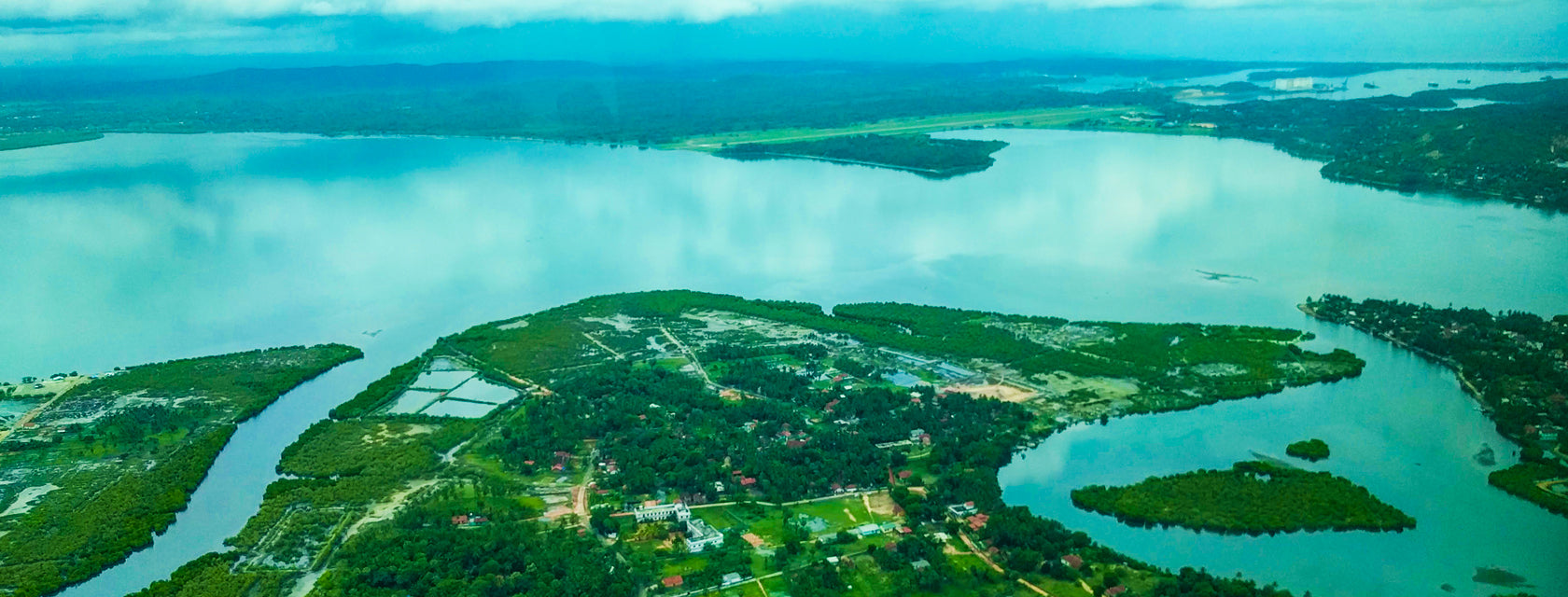
Trincomalee sits on Sri Lanka's northeastern coast with one of the deepest and most naturally sheltered harbours on earth. Sailors, traders, and naval commanders have recognised its value for centuries, and today the city draws a different kind of visitor — one drawn by ancient temples, colonial fortifications, clear-water beaches, and the chance to watch blue whales surface offshore. Whether you arrive by cruise ship, overland coach, or domestic flight, the seaport and its surrounding district reward slow, attentive exploration.

Why is Trincomalee Harbour considered one of the world's finest natural harbours?

The harbour's reputation rests on hard geography. A natural entrance protected by two headlands keeps swells manageable throughout the year, while the basin drops to considerable depth even close to shore — enough to accommodate very large vessels without dredging. That combination of shelter and depth is rare; most world-class natural harbours offer one or the other, not both.

The surrounding hills further reduce wind exposure, and the harbour sits in a climatic pocket that is less directly affected by the southwest monsoon than Colombo or Galle. During the northeast monsoon season (roughly October to January) conditions can be rougher, but the port itself remains largely protected. These qualities made Trincomalee strategically irreplaceable for every maritime power that controlled the Indian Ocean from the sixteenth century onward.

What is the colonial history of Trincomalee Seaport?

The Portuguese were the first European power to recognise and fortify the headland, constructing a fortification in the early seventeenth century on the site of an older structure. The Dutch followed, expanding the defences, and the British eventually took control and substantially rebuilt what is now known as Fort Frederick. The fort still stands on Swami Rock, the long peninsula that separates the main harbour from Back Bay, and visitors can walk through its gates today — the military continues to use part of the grounds, so access to certain sections may be restricted.

During the Second World War, Trincomalee was the Royal Navy's main base in the Indian Ocean and was attacked by Japanese aircraft in April 1942. The wrecks of ships sunk in those raids lie in the surrounding waters and have since become popular dive sites. Remnants of this period — bunkers, gun emplacements, and anchoring infrastructure — are scattered across the peninsula and its waters, giving the area a layered historical character that few port cities can match.

What can I see at Koneswaram Temple?

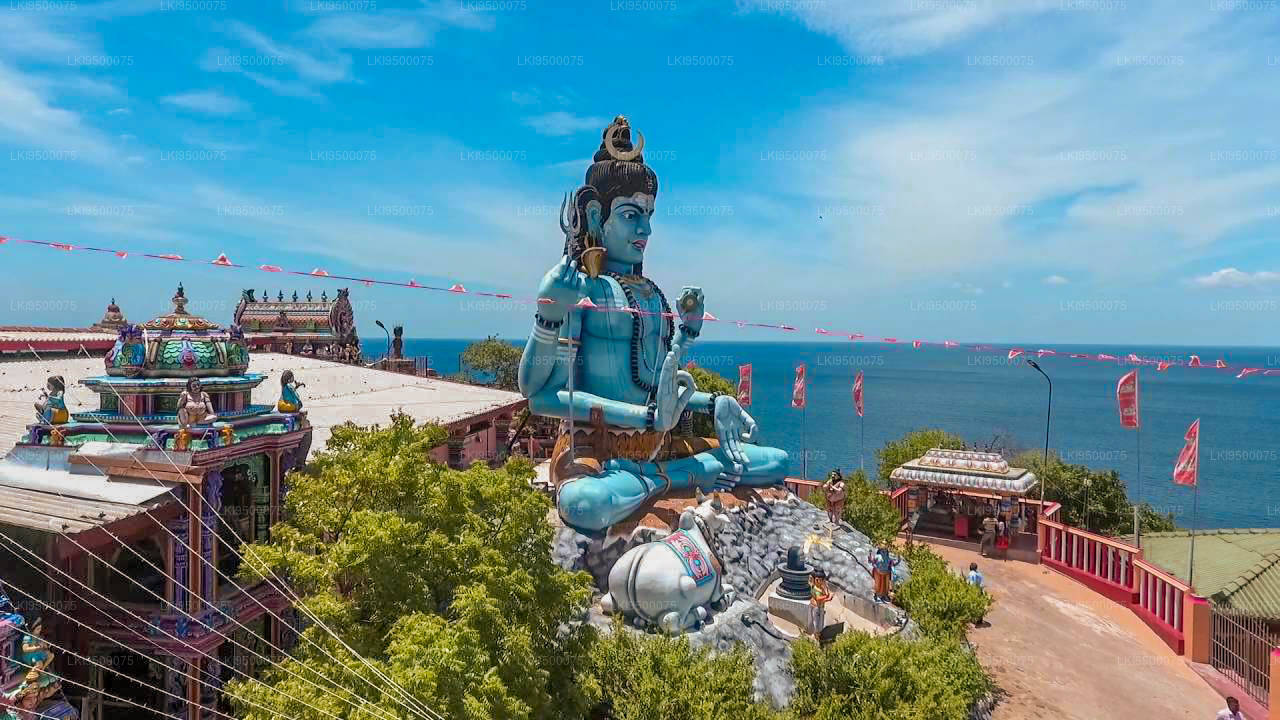
Koneswaram Kovil stands at the very tip of Swami Rock, where the land drops sharply into the sea below. It is one of Sri Lanka's most revered Shaivite Hindu temples, believed to have ancient origins predating the arrival of the Portuguese, who partially demolished an earlier structure on the site. The current temple has been rebuilt and expanded over the centuries and remains an active place of worship, attracting Hindu pilgrims from across Sri Lanka and Tamil Nadu throughout the year.

The cliff edge beside the temple — known historically as Lover's Leap — offers an unobstructed view across the Bay of Bengal. The combination of religious significance and dramatic coastal scenery makes this the single most visited landmark in Trincomalee. Modest dress is expected; remove footwear before entering the temple precincts.

Which beaches are closest to Trincomalee Seaport?

Uppuveli beach begins roughly four kilometres north of the town centre and is the more accessible of the two main resort beaches. It has a calm bay, a steady line of guesthouses and restaurants along the shore road, and is sheltered enough for swimming during the main tourist season (April to September). Nilaveli, around fifteen kilometres further north, is quieter and less developed, with a longer stretch of sand and calmer water on most days in the same season.

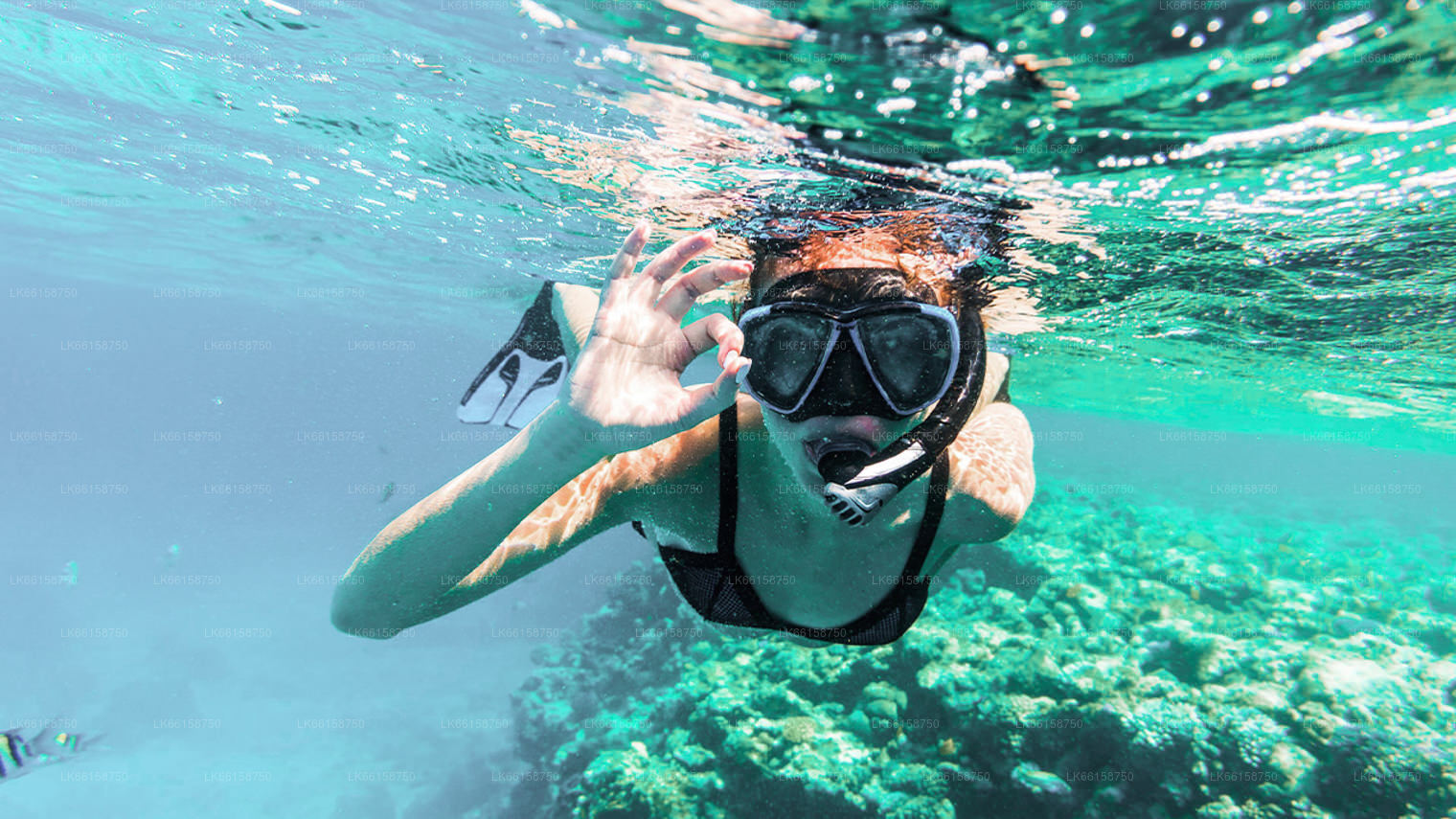
Both beaches are within easy reach of Pigeon Island, a small national park offshore that protects some of the healthiest coral reef remaining on Sri Lanka's northeast coast. Snorkelling and diving trips to the island operate from both beaches. The reef supports blacktip reef sharks, several species of sea turtle, and a diversity of reef fish uncommon on the more heavily visited southwest coast.

Is whale watching available from Trincomalee?

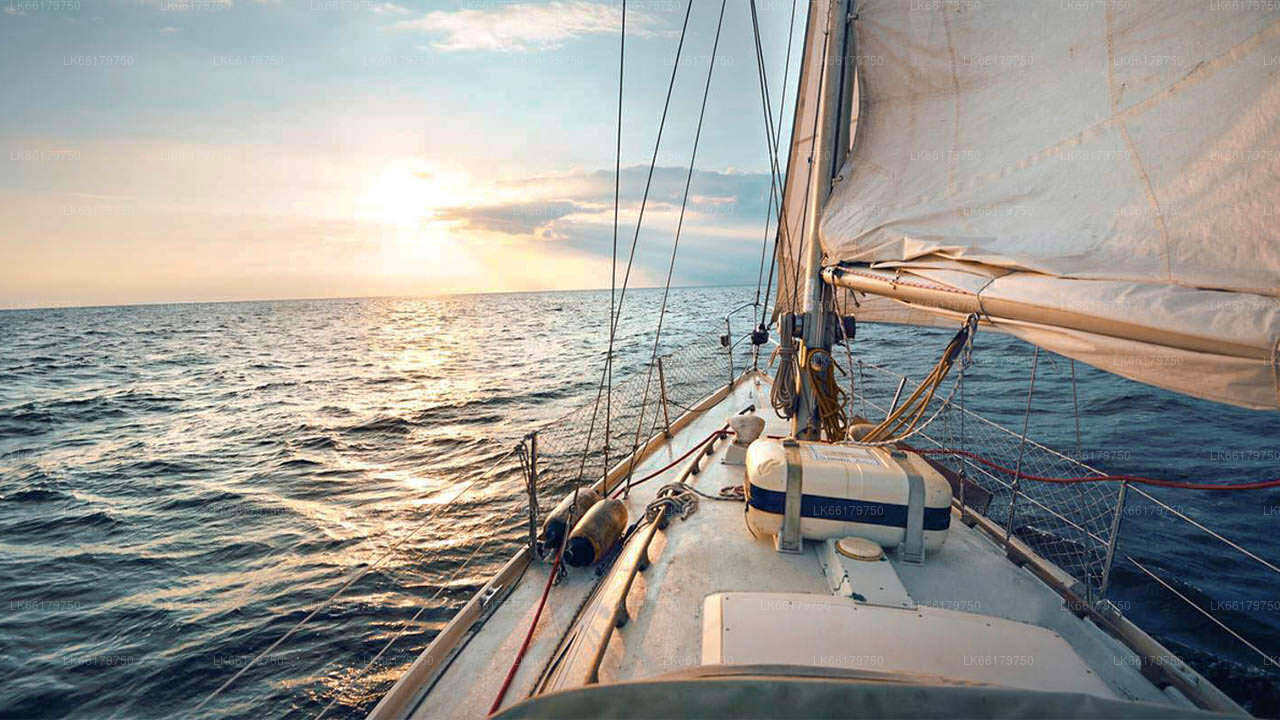
Trincomalee is one of Sri Lanka's most reliable whale-watching locations. Blue whales — the largest animals on earth — pass through the offshore waters during their seasonal movements, and sperm whales are also sighted with regularity. Spinner and bottlenose dolphins appear in large pods throughout the year. Tours typically depart in the early morning to reach offshore waters during calm conditions, and most operators work the season from roughly March through August, though sightings have been recorded outside those months as well.

The quality of sightings depends heavily on sea conditions and on how far offshore the boat can travel. Choosing a vessel with good range and a knowledgeable crew makes a significant difference to the experience.

How do I get to Trincomalee from Colombo?

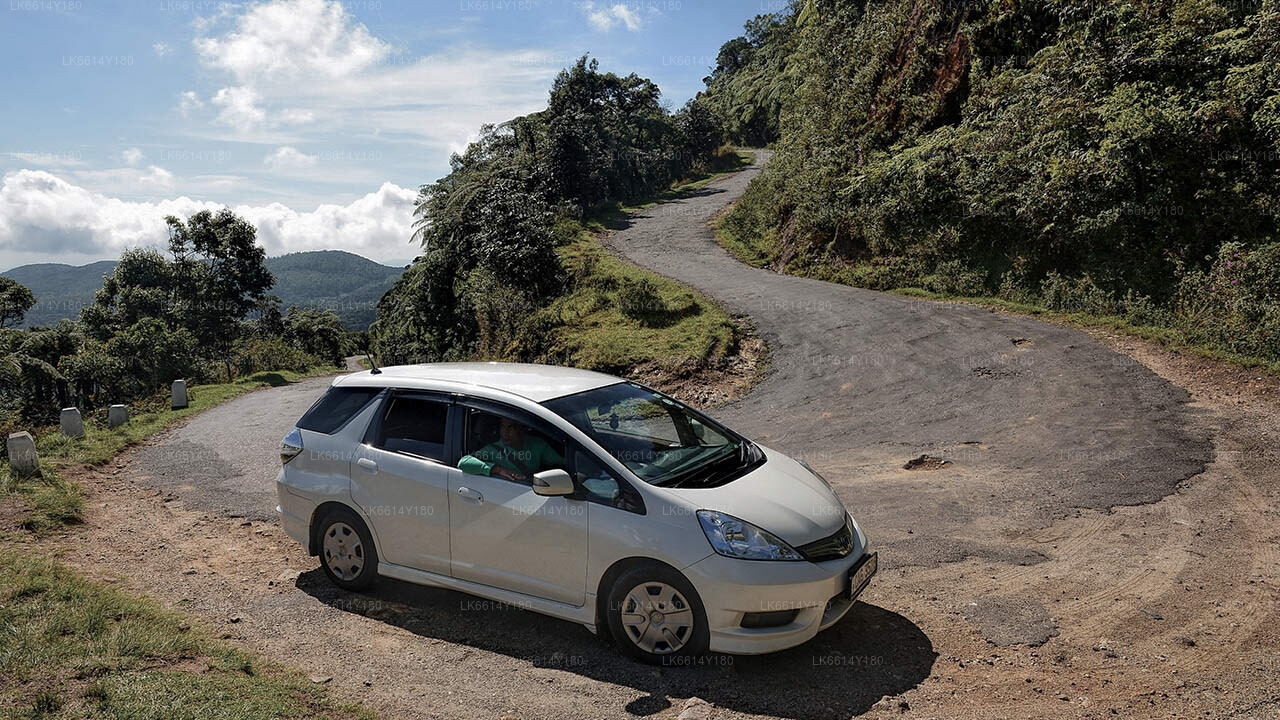
By road, Trincomalee lies roughly 260 kilometres northeast of Colombo. The drive takes between five and seven hours depending on traffic, road conditions, and the route taken through the North Central Province. The most common route passes through Habarana and Dambulla, allowing stops at sites in the Cultural Triangle along the way.

The Colombo–Trincomalee train line operates daily services, with the journey taking around seven to eight hours; overnight trains allow you to travel without losing daytime hours. FitsAir operates scheduled domestic flights from Colombo's Ratmalana airport to China Bay aerodrome near Trincomalee, cutting travel time to under an hour when seats are available. For cruise passengers arriving directly at the seaport, the town centre, Fort Frederick, and Koneswaram are all within a short drive of the berth.

What is the best time of year to visit Trincomalee?

The northeast coast has a broadly opposite seasonal pattern to the southwest. The clearest skies and calmest seas occur from April through September, when the southwest monsoon brings rain to Colombo, Galle, and the hill country but largely bypasses Trincomalee. This makes the city an excellent option during months when the more popular western and southern beaches are overcast or rough.

MonthSea ConditionsRainfallSuitability
April – SeptemberGenerally calmLowBest for beaches, diving, whale watching
October – JanuaryCan be roughHigher (NE monsoon)Fort, temple visits feasible; water sports limited
February – MarchTransitionalModerateGood for historical sightseeing

What day trips can I take from Trincomalee?

The city is well-placed for excursions into the North Central Province. Anuradhapura, Sri Lanka's first ancient capital, lies around two hours to the west and holds a concentration of Buddhist monuments that is difficult to match anywhere in South Asia. Polonnaruwa, the medieval royal capital, is roughly the same distance to the south and offers a more compact, well-preserved archaeological park that can comfortably be covered in a single day.

Closer to Trincomalee, the Kanniya hot springs — a cluster of small wells whose water emerges at varying temperatures — have been a curiosity for travellers since at least the colonial period. Marble Beach, within a former naval reserve north of the town, has clear shallow water and is popular with local families at weekends. For those interested in wildlife, Wilpattu National Park is accessible with an early start, though the drive takes the better part of three hours each way.

How is Trincomalee developing as a port and tourism destination?

The Sri Lankan government has identified Trincomalee as a priority zone for both commercial port expansion and tourism investment. Infrastructure improvements — road upgrades, hotel development, and expanded berthing facilities — have accelerated since the end of the civil conflict. The port's deep-water characteristics make it a candidate for transshipment and energy logistics, and several large-scale industrial and energy projects have been under discussion or development in the district in recent years.

For travellers, the practical effect is a destination that is still relatively unhurried compared to the southwest coast, with fewer crowds at key sites and a genuine local life that has not been entirely reshaped around tourism. That balance is likely to shift as development continues, making the present an interesting time to visit.

Book this experience with Lakpura

Curated by our local team. Direct booking, instant confirmation.

Ask Lakpura® Agent