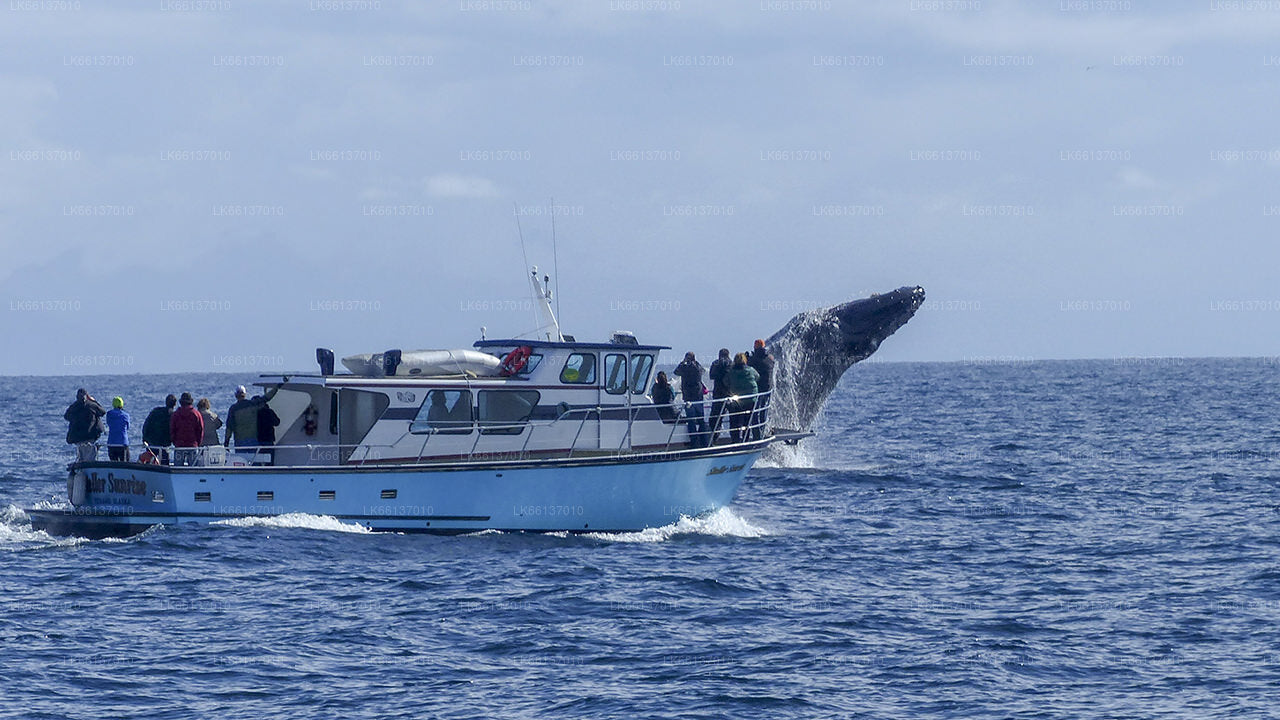
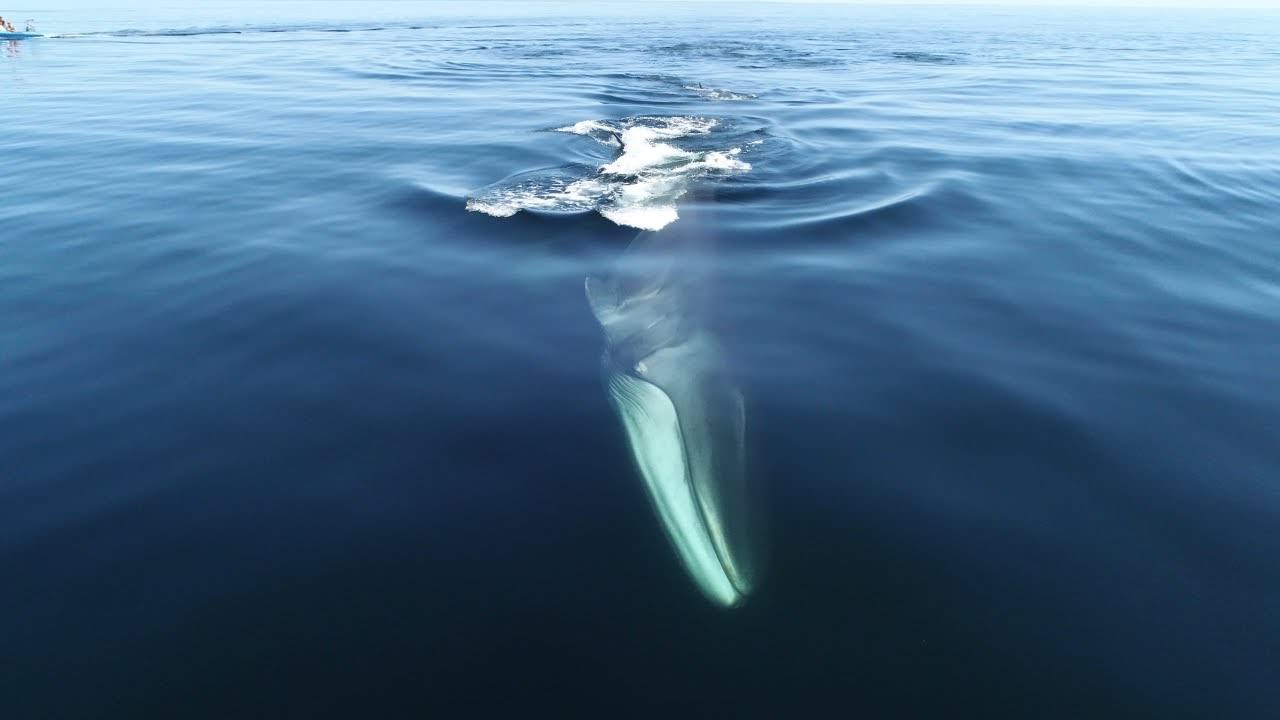
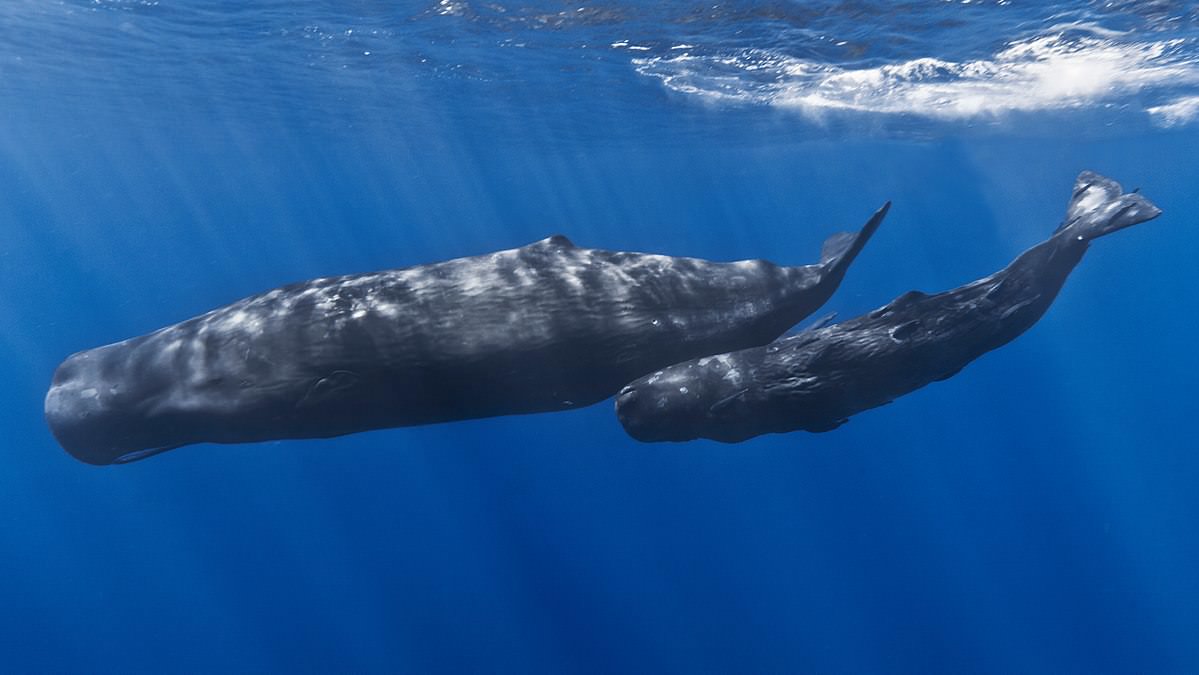
Sri Lanka sits at a remarkable crossroads of whale migration routes, placing it among the most accessible whale watching destinations in the Indian Ocean. The deep water that drops sharply off the island's southern and eastern coasts draws concentrations of large cetaceans close to shore, making sightings relatively reliable without the multi-day voyages required elsewhere in the region. With 26 whale species recorded in and around Sri Lankan waters out of roughly 80 identified worldwide, the variety on offer is genuinely exceptional.
What whale species can be seen in Sri Lanka?
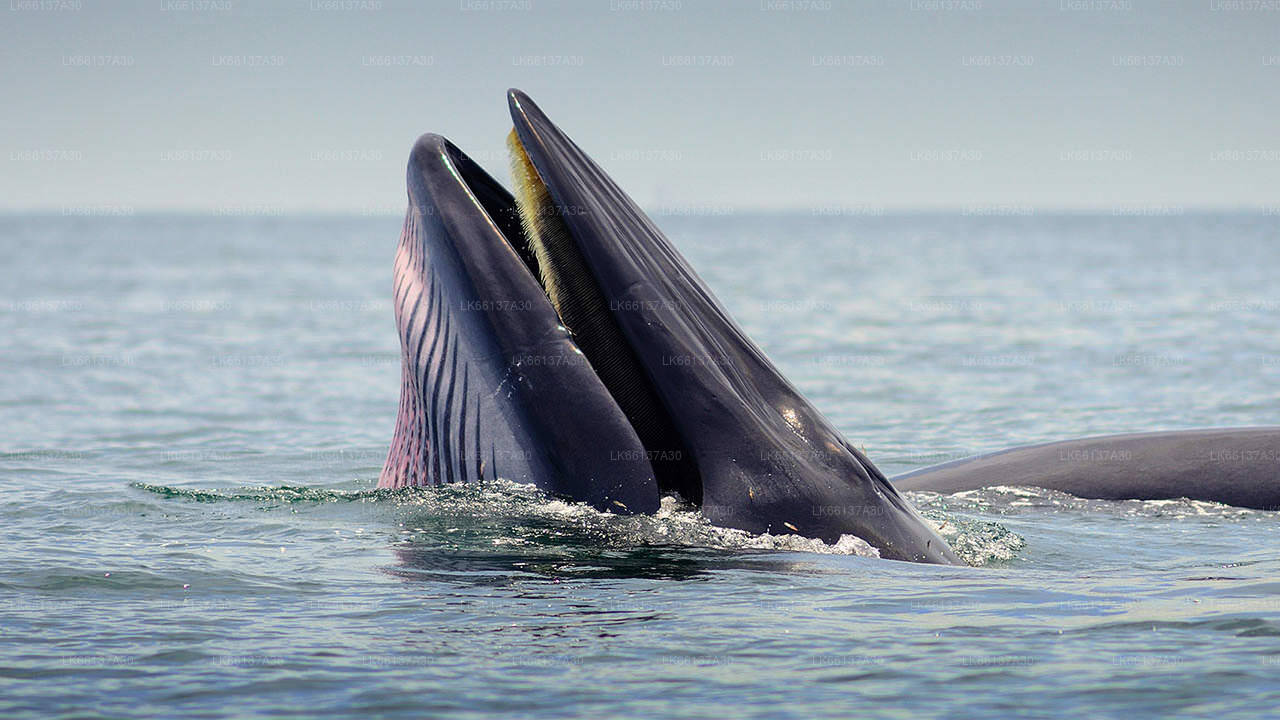
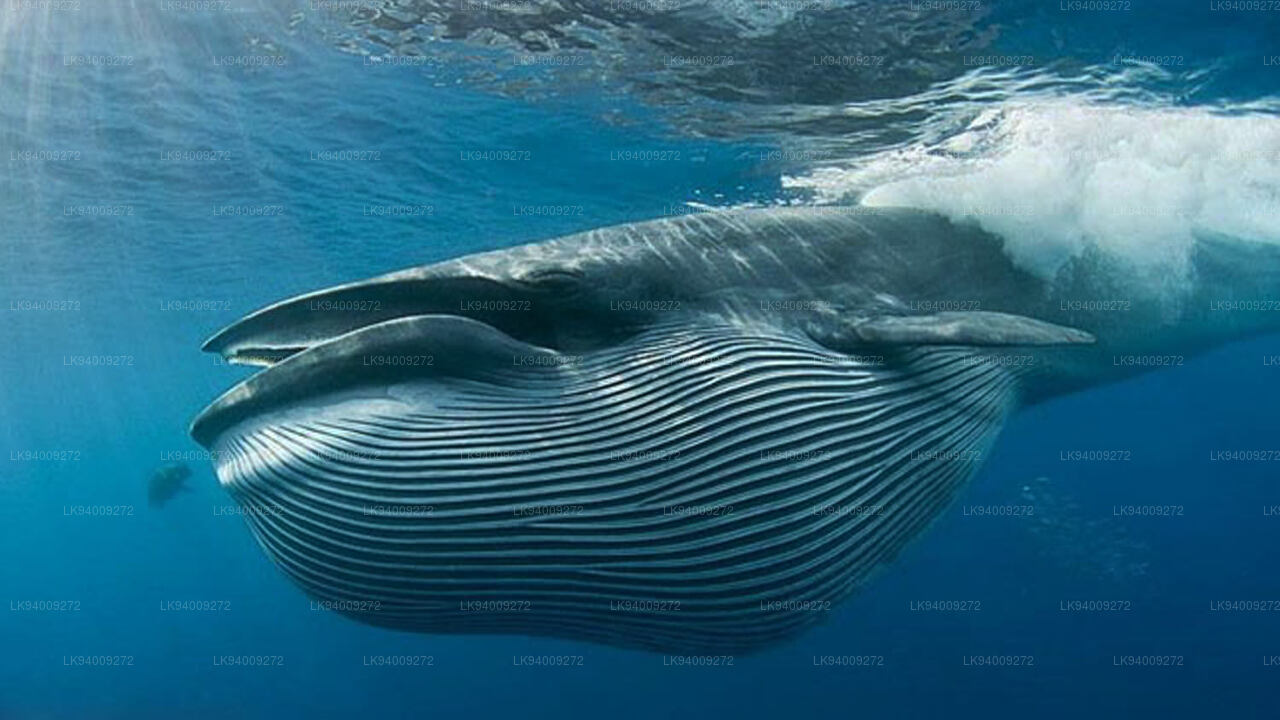
Sri Lanka's seas host both resident and migratory cetaceans spanning the two main suborders: the toothed whales (Odontoceti) and the baleen whales (Mysticeti). Baleen whales lack teeth entirely, filtering food through rigid, brush-like plates — known as baleen — that hang from the upper jaw. Toothed whales, by contrast, are active hunters and are often more acrobatic at the surface.
Species recorded in Sri Lankan waters include:
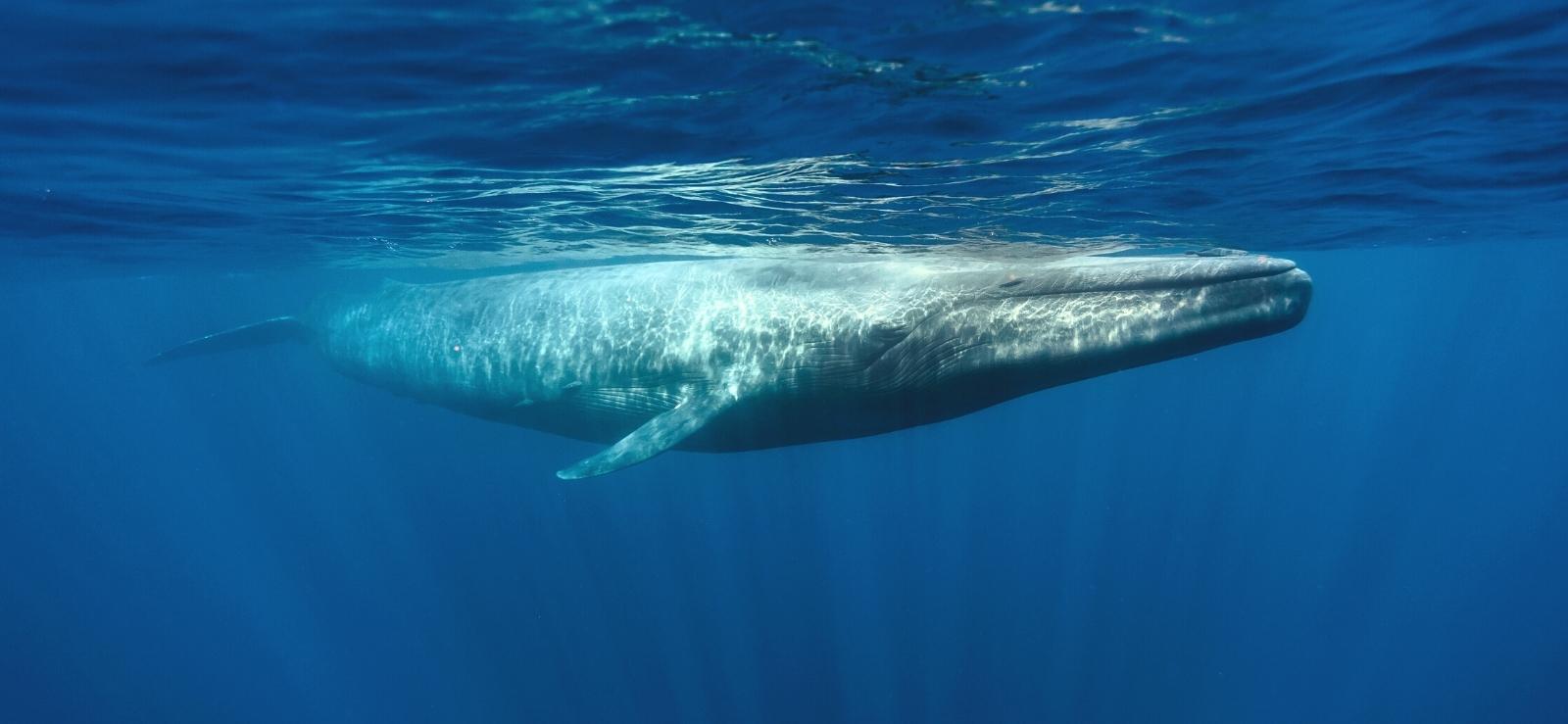
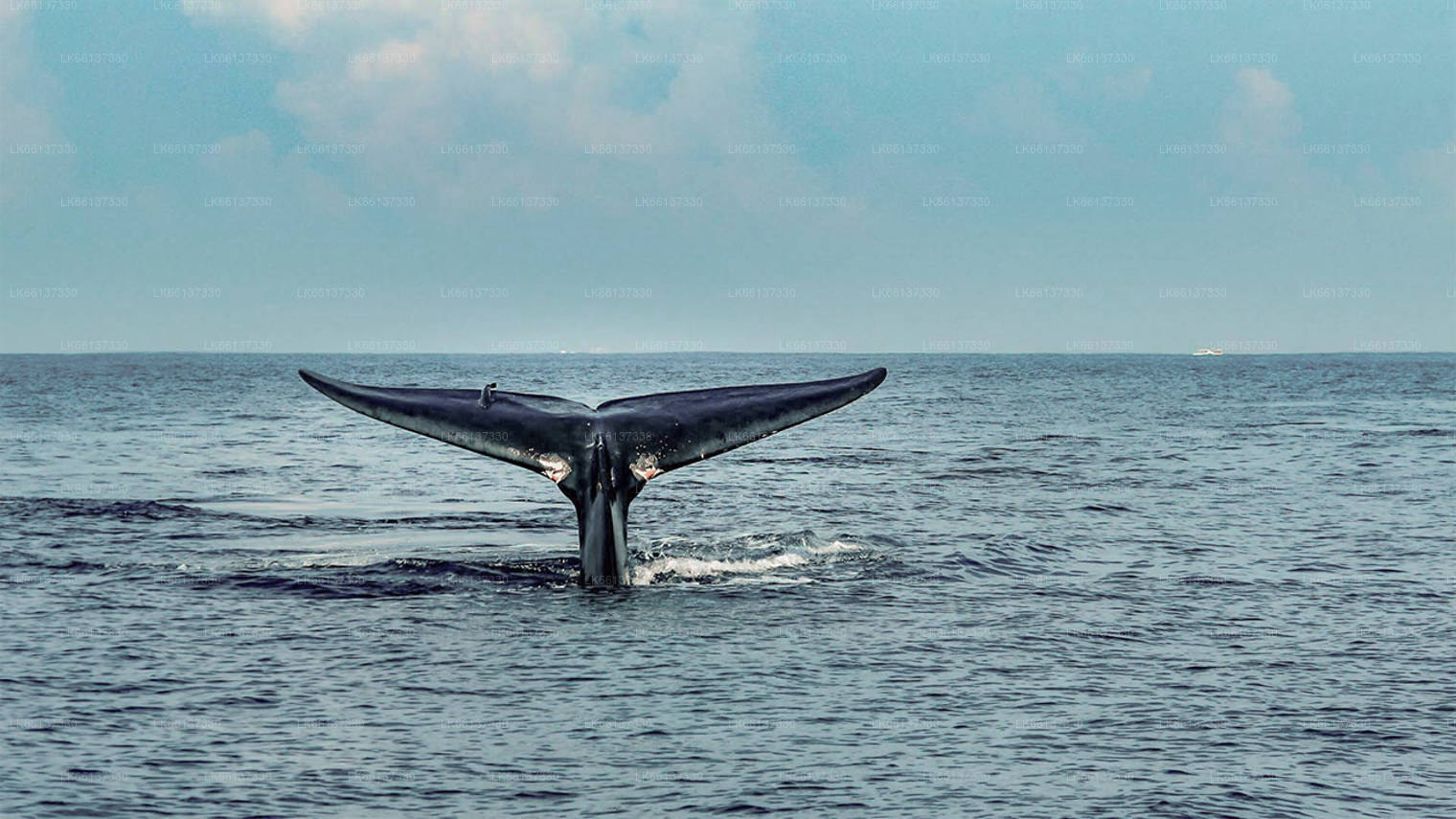
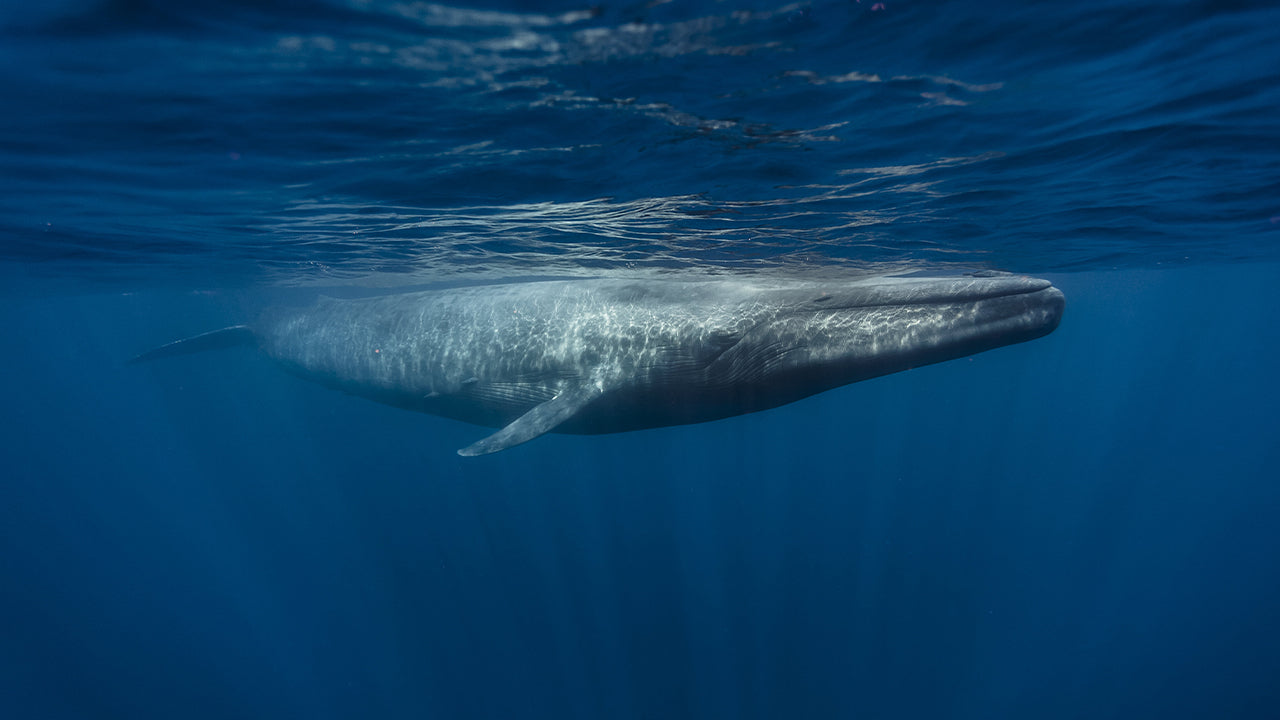
- Blue Whale (Balaenoptera musculus) — the largest animal on Earth, seen regularly off the south coast
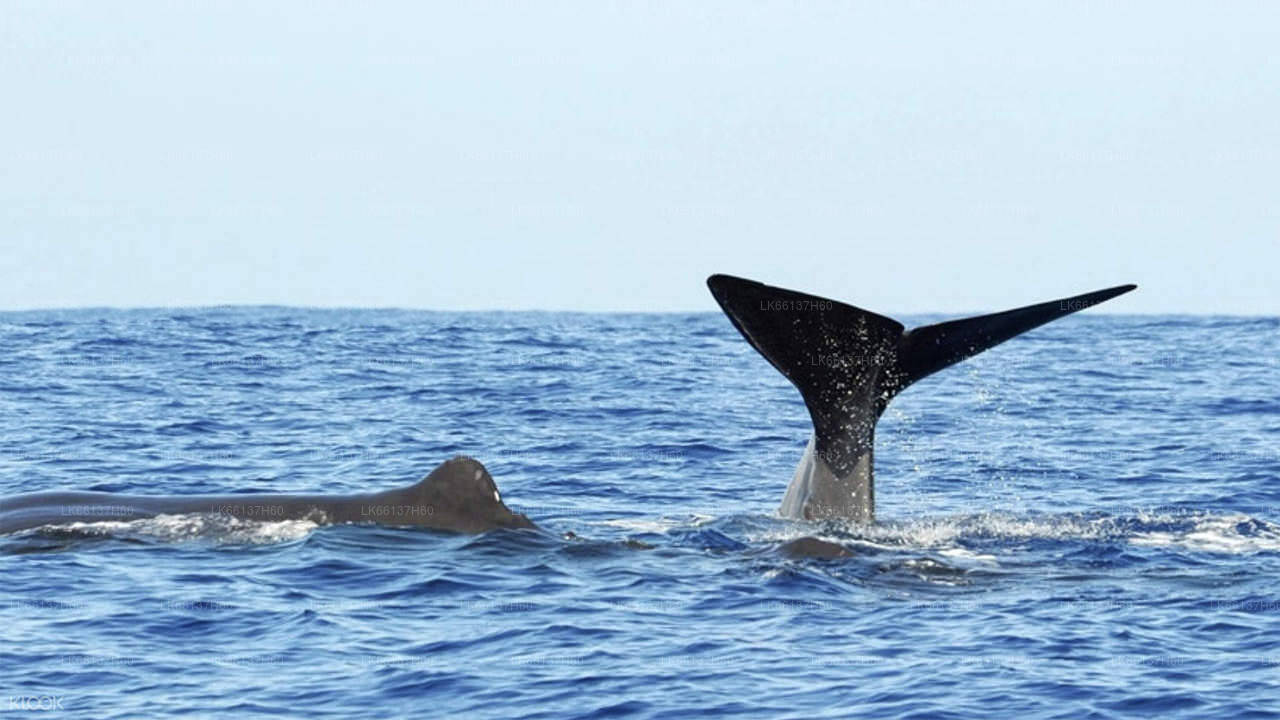
- Sperm Whale (Physeter macrocephalus) — the largest toothed whale, often spotted off Dondra and Kalpitiya
- Bryde's Whale (Balaenoptera brydei)
- Fin Whale (Balaenoptera physalus)
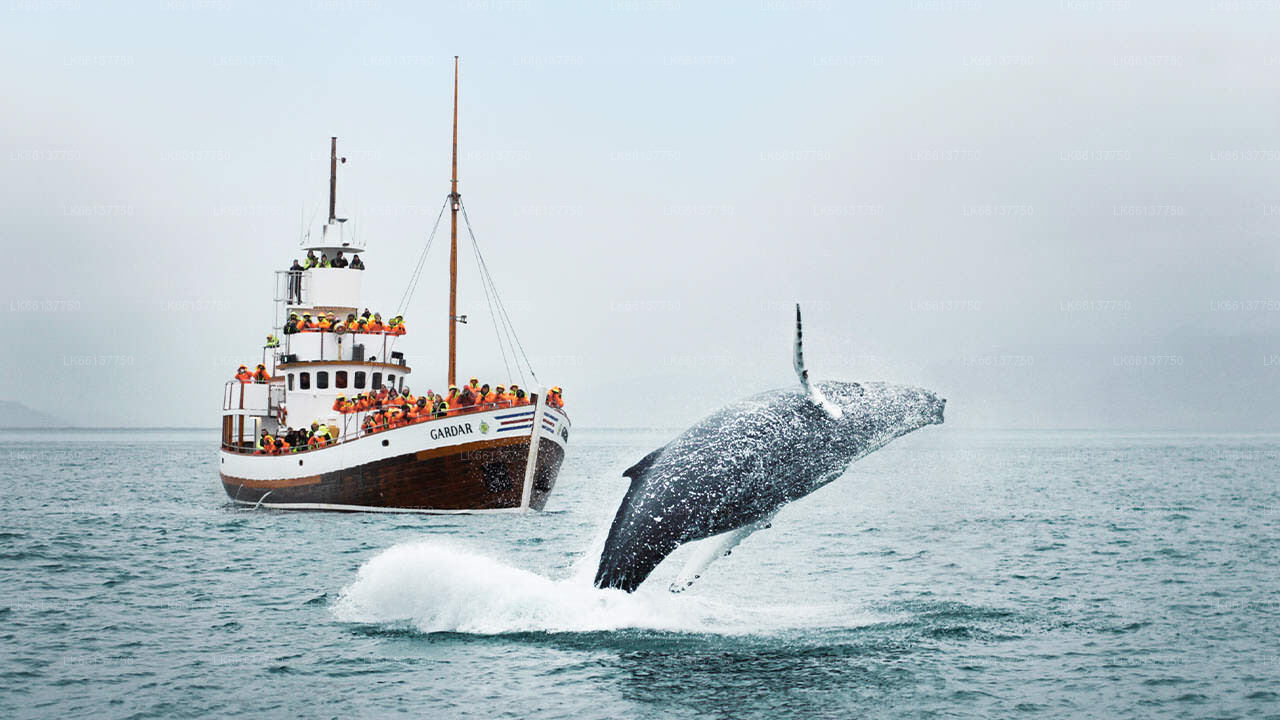
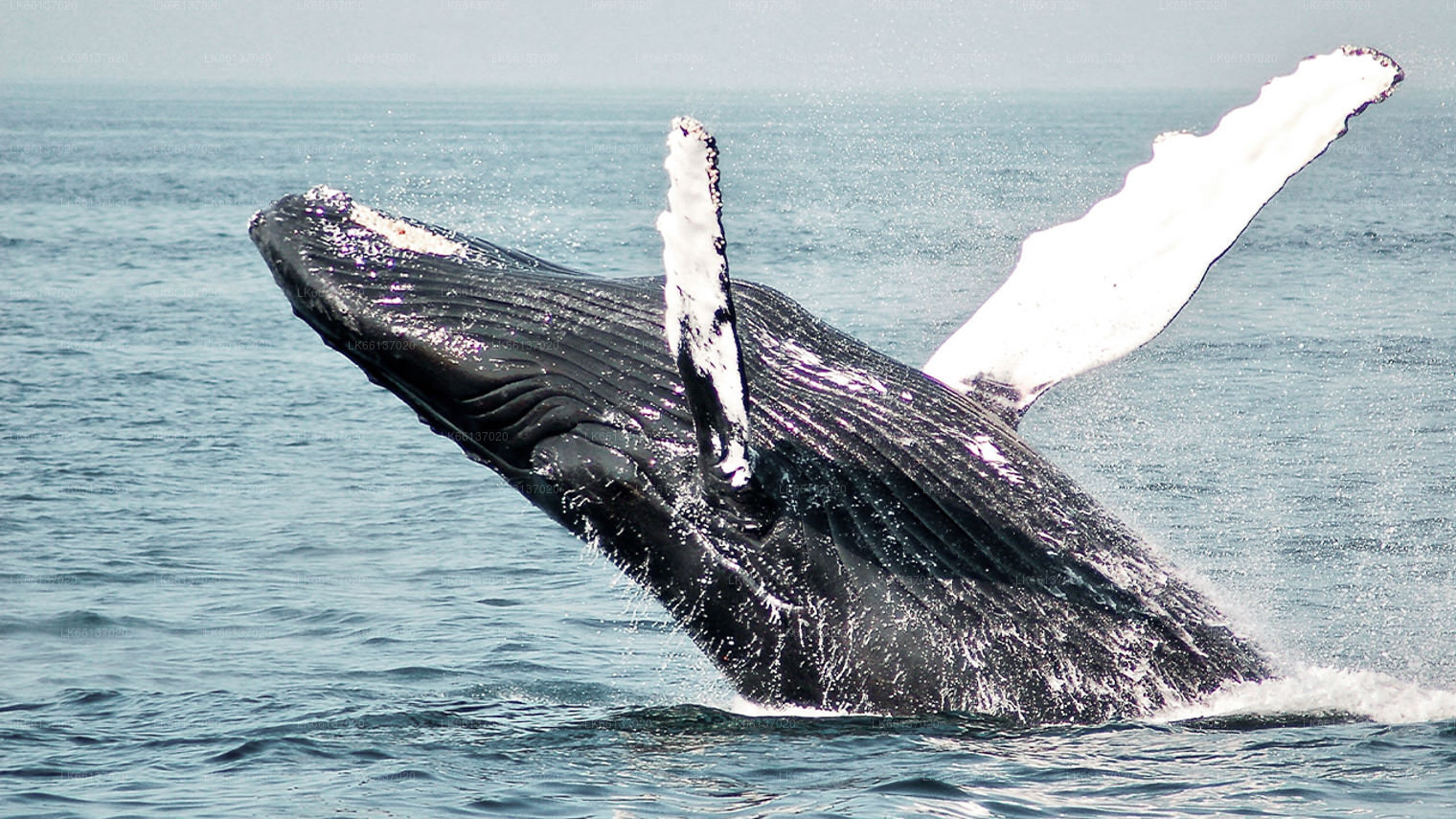
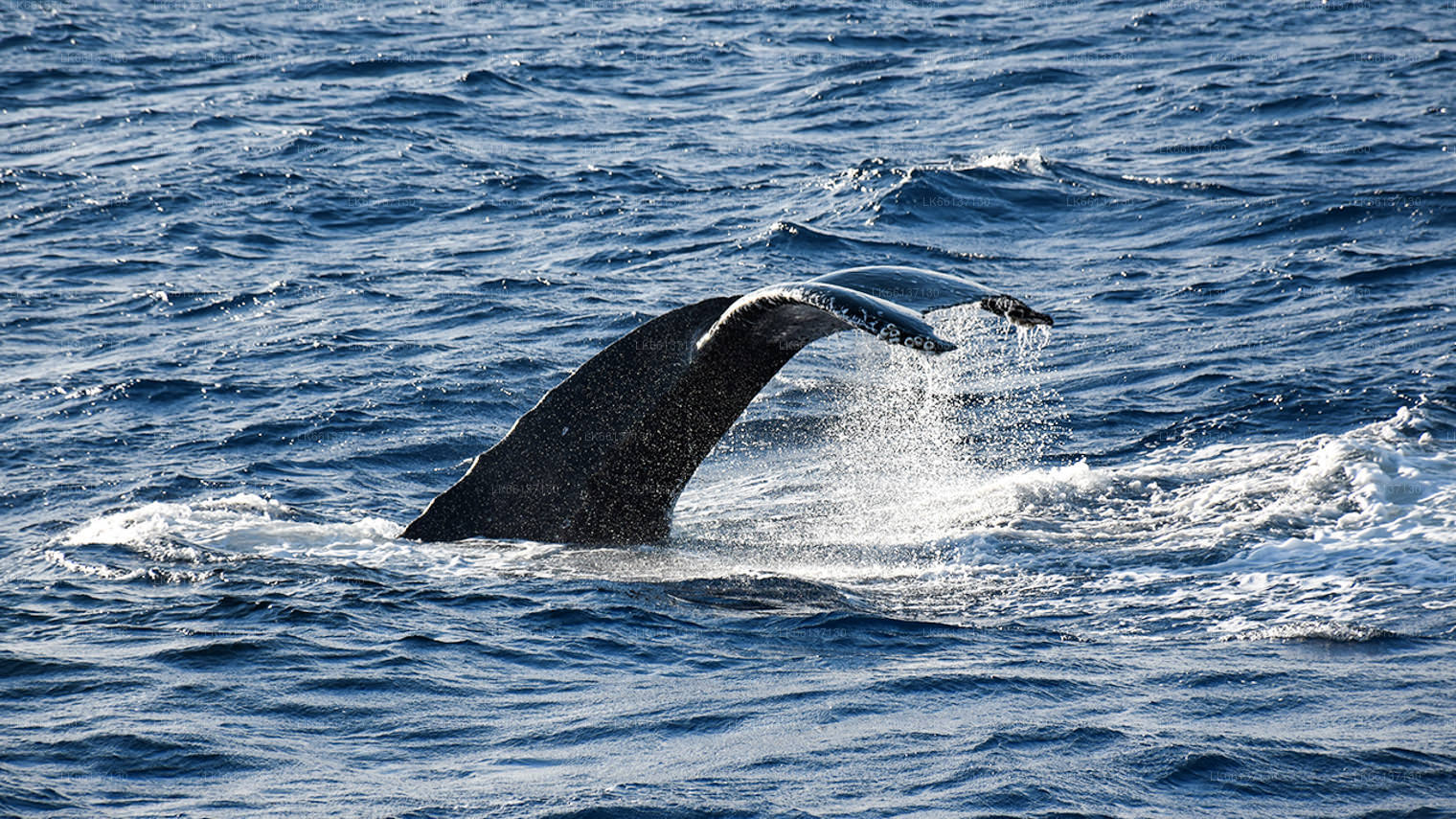
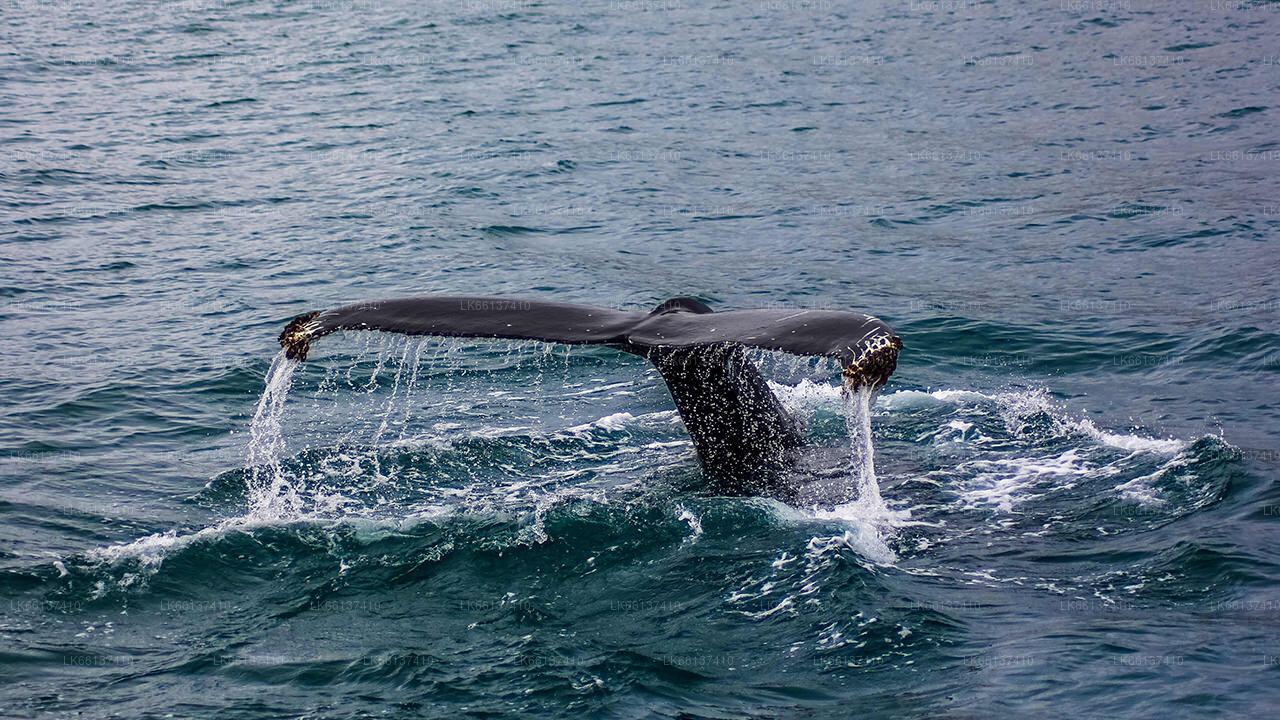
- Humpback Whale (Megaptera novaeangliae)
- Minke Whale (Balaenoptera acutorostrata)
- Killer Whale (Orca) (Orcinus orca)
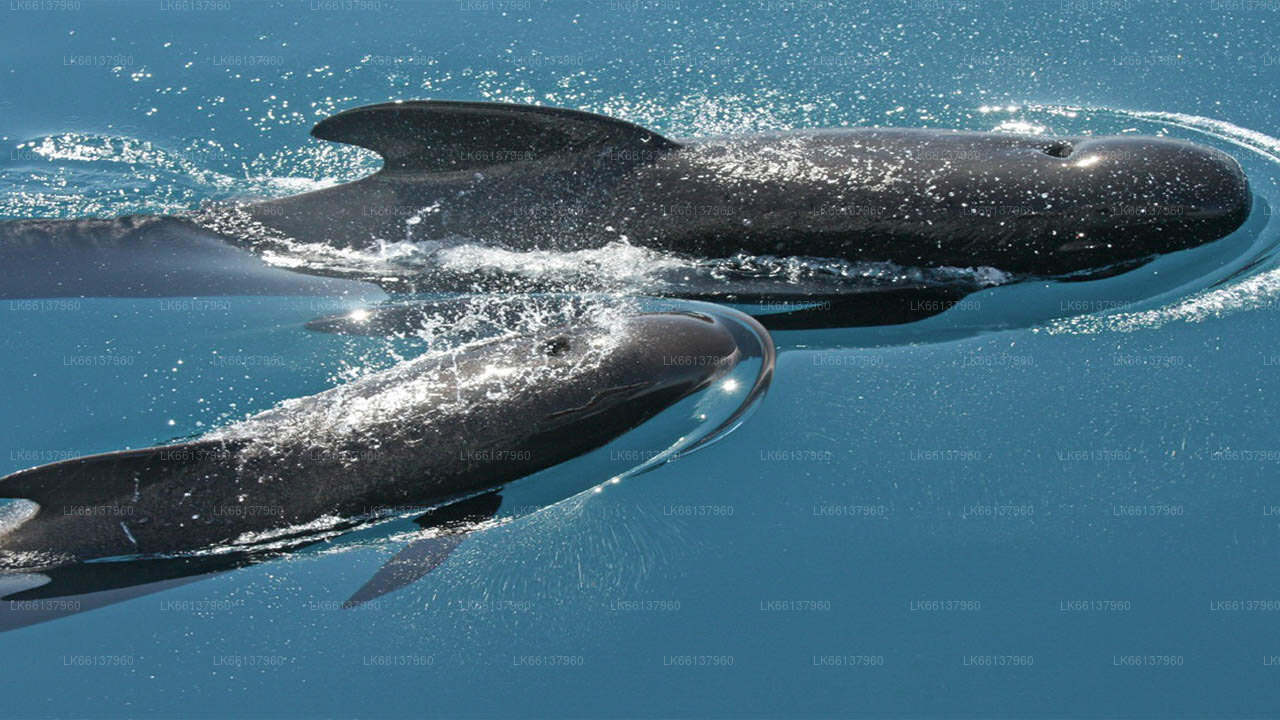
- Short-finned Pilot Whale (Globicephala macrorhynchus)
- False Killer Whale (Pseudorca crassidens)
- Pygmy Killer Whale (Feresa attenuata)
- Melon-headed Whale (Peponocephala electra)
- Cuvier's Beaked Whale (Ziphius cavirostris)
- Southern Bottlenose Whale (Hyperoodon planifrons)
- Pygmy Sperm Whale (Kogia breviceps) and Dwarf Sperm Whale (Kogia simus)
Many of these species pass through Sri Lankan waters while migrating between the Arabian Sea and the Bay of Bengal. Others appear to be semi-permanent residents, particularly around the narrow continental shelf off Mirissa and Dondra where upwelling creates rich feeding conditions year-round.
Where are the best whale watching spots in Sri Lanka?
The primary departure points are clustered around three distinct coastal zones, each operating during different seasons dictated by the monsoon calendar.
| Location | Coast | Best Season | Key Species |
|---|---|---|---|
| Mirissa / Dondra | South | December – April | Blue Whale, Sperm Whale |
| Trincomalee | East | May – October | Blue Whale, Sperm Whale, Fin Whale |
| Kalpitiya / Alankuda | Northwest | November – April | Sperm Whale, Pilot Whale |
Mirissa and Dondra Head — Located at the island's southernmost tip, this stretch of sea is now Sri Lanka's most popular whale watching hub. The continental shelf narrows dramatically just a few kilometres offshore, meaning blue whales and sperm whales feed in accessible depths relatively close to the harbour. Trips typically depart around 06:30 and last approximately four hours.
Trincomalee — Historically the first recognised whale watching hotspot in Sri Lanka, Trincomalee on the east coast sees significant cetacean activity from around May through October, when the south-west monsoon renders southern waters rough. Pigeon Island, situated just off Nilaveli near Trincomalee, is also a notable marine biodiversity area in the same region.
Kalpitiya and Alankuda — The northwest coast around Kalpitiya is regarded by some marine researchers as one of the more reliable locations to observe sperm whales. The broader Puttalam Lagoon area also supports spinner dolphin pods that frequently accompany whale watching excursions in this region.
Secondary locations along the southwest coast — including Hikkaduwa, Ambalangoda, and Aluthgama — have recorded sightings, though these are less consistent than the three primary zones above.
When is the best time to watch whales in Sri Lanka?
Because Sri Lanka's two monsoon systems affect different coasts at different times of year, whale watching is possible in some part of the island throughout all twelve months. The peak season on the south coast runs from December to April, when seas are calmer and blue whale sightings are most frequent off Dondra and Mirissa. From around May onward, as the south-west monsoon builds, attention shifts to Trincomalee on the east coast, where conditions are favourable through to September or October.
For travellers visiting during the shoulder months of November or late April, the Kalpitiya area on the northwest coast can be a productive alternative. Checking current sea conditions locally before booking is always advisable — conditions vary year to year and weather can change quickly.
What to expect on a whale watching trip?
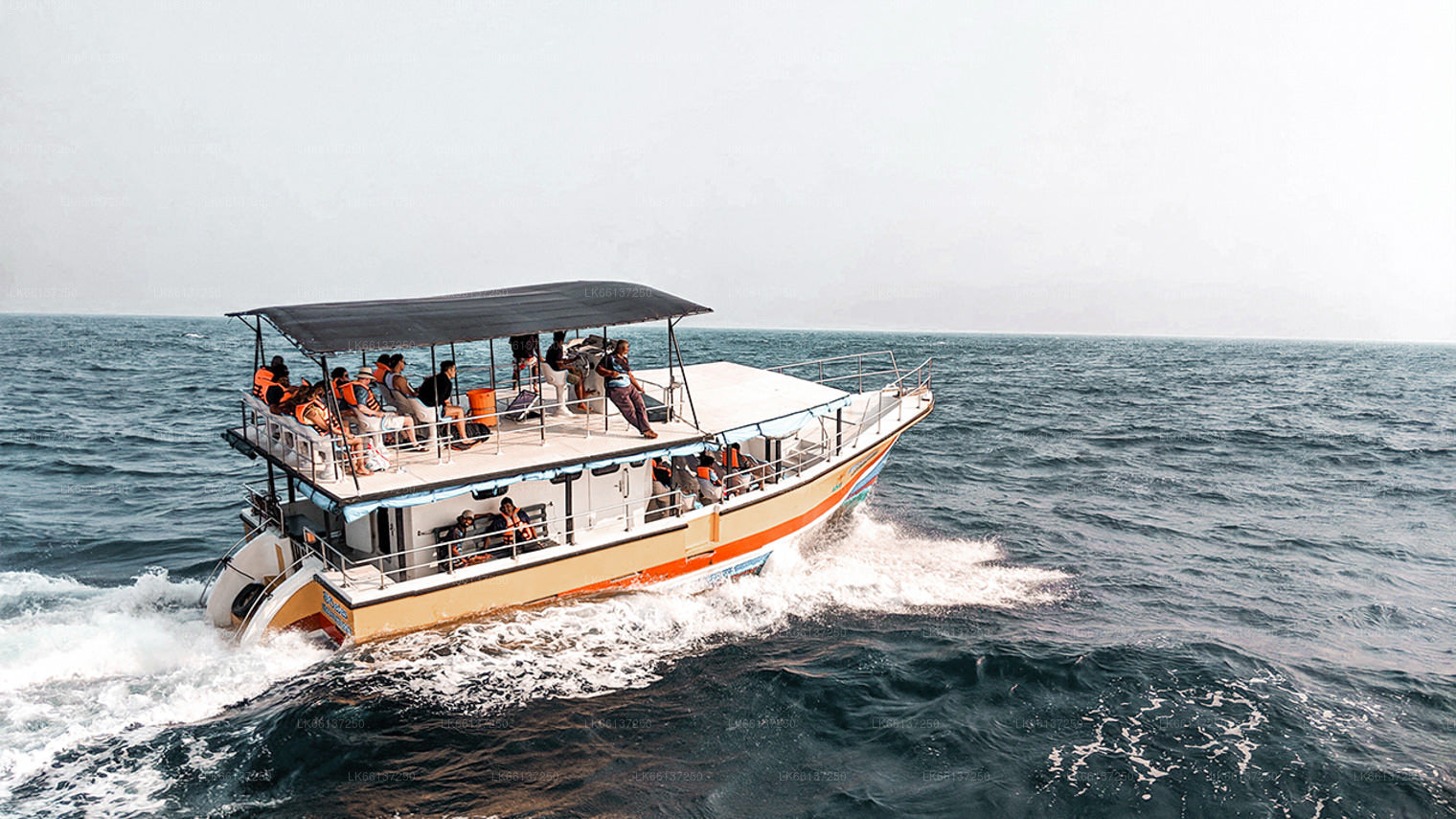
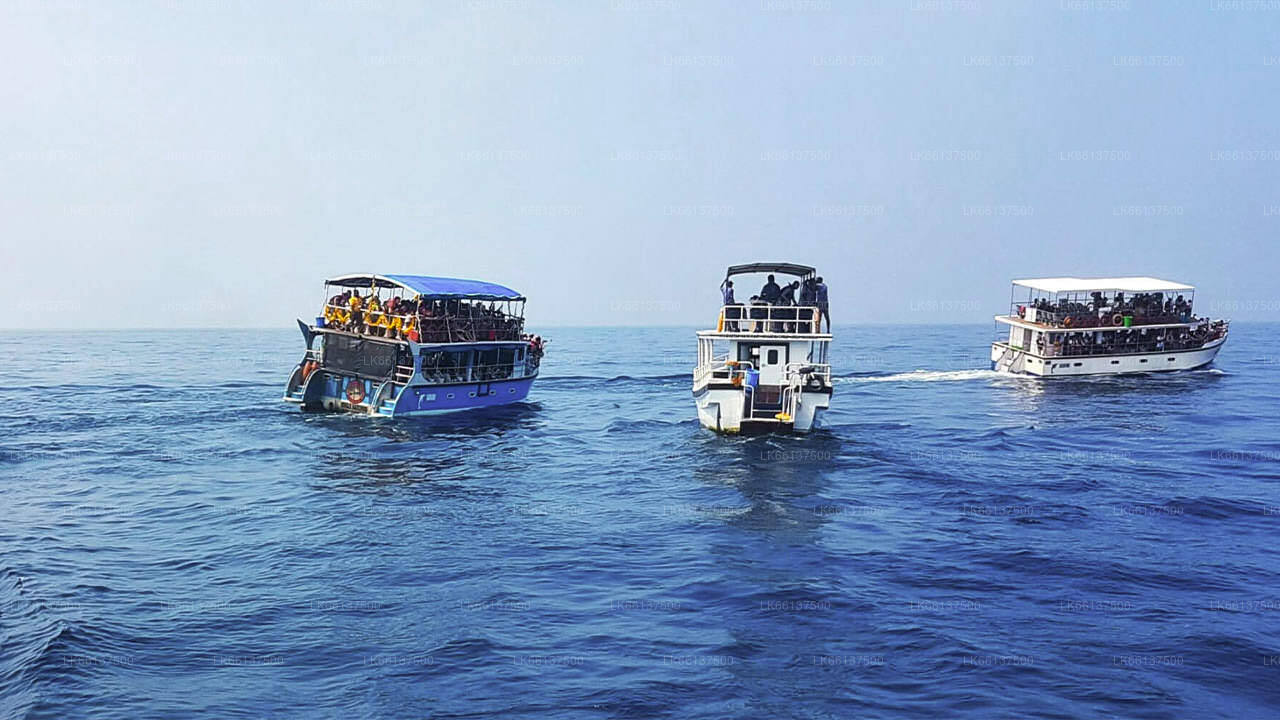
Most whale watching excursions operate from early morning, typically departing between 06:00 and 07:00 to take advantage of calmer sea conditions. The average trip duration is around three to four hours. Operators use a range of vessels from small fibreglass boats to larger catamarans; comfort and stability vary, so confirming vessel type beforehand is worthwhile, particularly if anyone in your group is susceptible to seasickness.
Responsible operators maintain a respectful distance from the whales and avoid pursuit behaviour, in line with guidelines promoted by Sri Lanka's Department of Wildlife Conservation. When assessing an operator, look for crews who slow the engine and allow the whales to surface naturally rather than chasing or circling them closely.
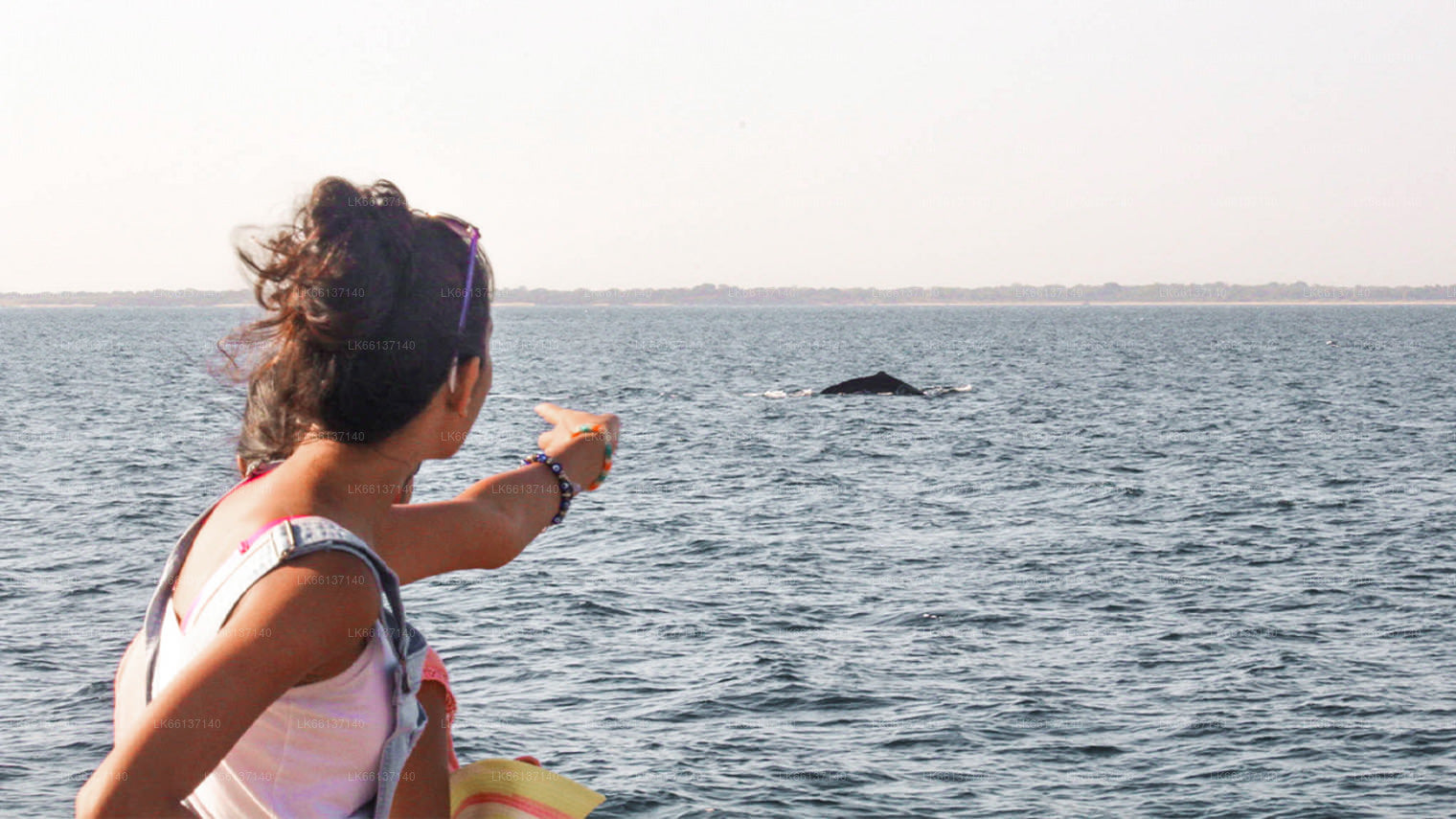
Blue whale sightings are not guaranteed on any single trip — these are wild animals and ocean conditions change. Sighting rates during peak season at Mirissa are, however, among the highest recorded anywhere in the world for blue whales, which offers reasonable confidence for visitors who plan their timing carefully.
How does whale watching pair with other wildlife experiences in Sri Lanka?
A trip focused on cetaceans pairs naturally with Sri Lanka's broader wildlife offering. The south coast, in particular, sits within easy driving distance of Udawalawe National Park, home to one of the highest densities of wild Asian elephants anywhere in Asia. Similarly, Sinharaja Forest Reserve — a UNESCO World Heritage rainforest — lies within a few hours of the Mirissa whale watching harbour, making it straightforward to combine a marine excursion with a forest walk on the same itinerary.
For travellers with a deep interest in marine ecosystems, the deep sea fishing scene along the south and west coasts provides another lens through which to appreciate the richness of Sri Lanka's offshore waters, though the two activities are obviously very different in character.
Are dolphins seen alongside whales in Sri Lanka?
Spinner dolphins are frequently encountered on whale watching trips, particularly off the south coast and around Kalpitiya. These highly social animals often bow-ride alongside boats and form large surface pods that can number in the hundreds. Bottlenose dolphins and Risso's dolphins are also recorded regularly, and sperm whale groups are sometimes accompanied by small odontocete species. Seeing dolphins is not a consolation prize — on a good day, the biodiversity of a single trip can be remarkable.