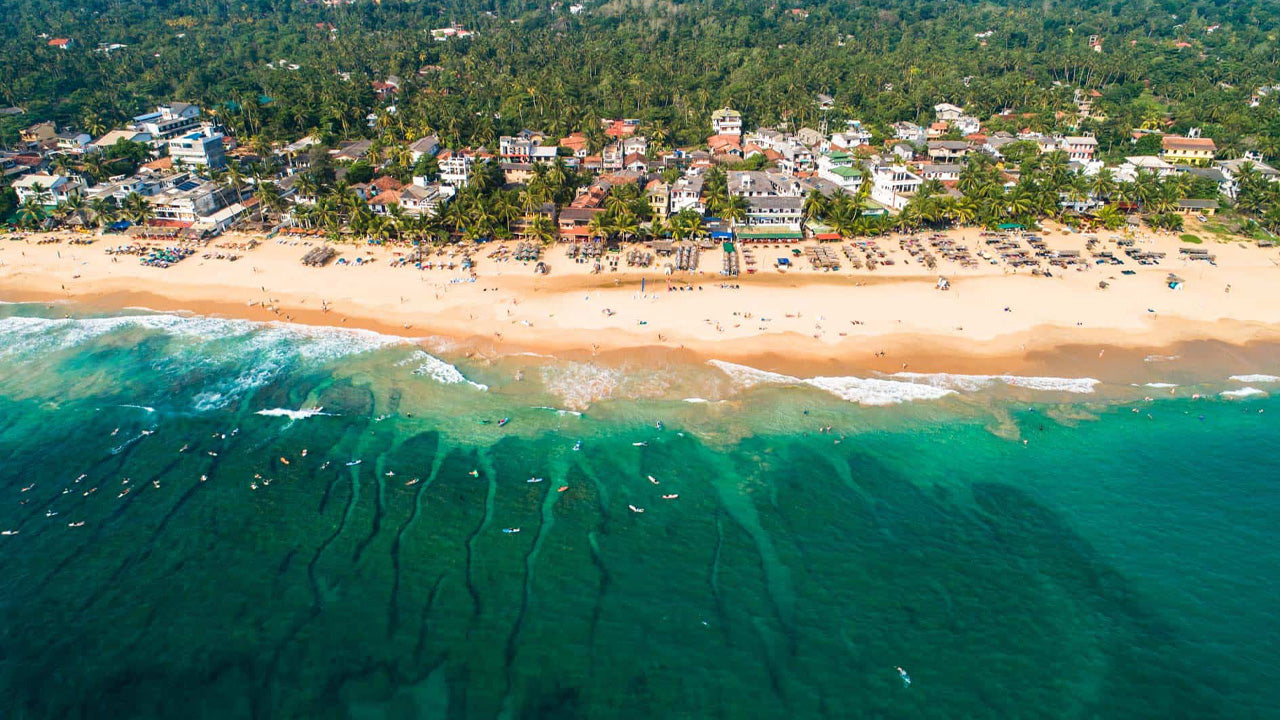
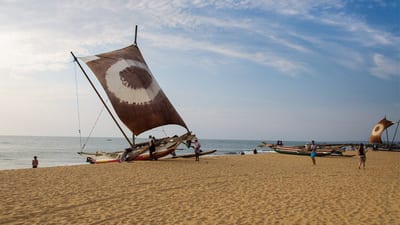
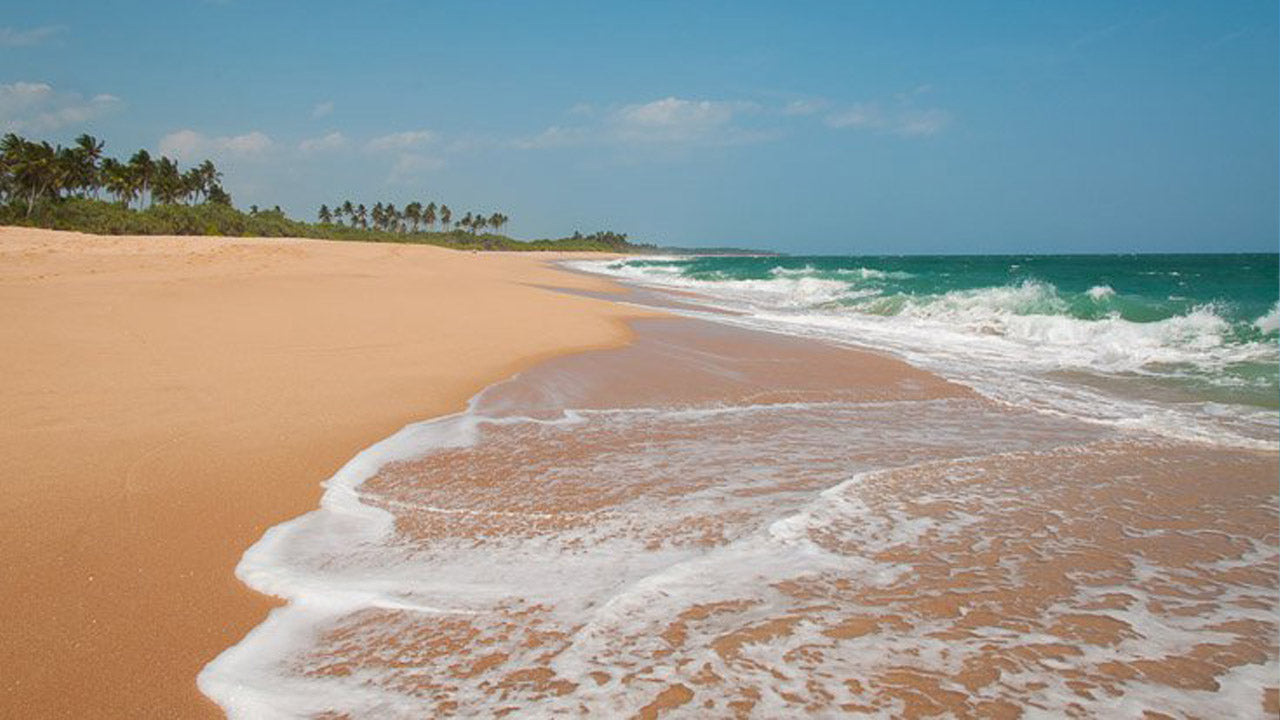
Sri Lanka is a tropical island found in the deep blue waters of the Indian Ocean and the Bay of Bengal. The country is endowed with over a thousand miles of beautiful golden beaches that are fringed with coconut palms making it the ideal destination for a beach holiday. A large percentage of luxurious resorts and villas as well as budget hotels are located along the coastal areas to offer tourists some of the best beach holidays in Sri Lanka. The main attraction for tourists and locals are undoubtedly the beaches but some places like Galle on the South coast consists of historical heritage which is an added advantage to a sun and sand holiday. The drive along the west and south-west coast also offers interesting stopovers such as batik factories or turtle hatcheries, or activities like paying homage at a local temple, sampling local fruits from roadside vendors and getting first-hand knowledge on the art of toddy making.
There are many areas around the island that you can explore and enjoy various activities while beach holidays in Sri Lanka boast to be the best. The western and southern coastal beaches begins from Negombo, 37 km north of Colombo and curves south along the coastline for 273 km up to Hambantota. This is definitely the better developed of the two circuits in the island and currently accounts for most of the hotels and resorts. The South of Colombo which is also called the "Gold Coast" is bursting with action with resorts stretching from Mt. Lavinia (a suburb of Colombo) and continuing along the towns of Wadduwa, Kalutara, Beruwala, Bentota, Induruwa, Kosgoda, Ahungalla, Hikkaduwa, Galle, Unawatuna, Koggala, Weligama, Mirissa, Dondra, Dickwella, Tangalle and finally Hambantota. The southern beaches are sandier than the western ones and do not shelve deeply into the sea.
The eastern and northern coastal beaches stretches north in a gentle arc from Arugam Bay up to Kuchchaveli approximately 275 km along the east coast. Pristine beaches, wide stretches of sand and what seems like miles of clear and shallow water, pretty bays and coves, deep natural harbours, still lagoons and underwater coral gardens will always take your breath away. The best beaches along the east coast include Nilaveli, Kuchchaveli, Marble Bay, Sweat Bay and the Dead Man's Cove with its magnificent harbour, towards the north of Trincomalee. The southern section of the east coast includes the peaceful and beautiful beaches of Passikudah, Kalkudah and Arugam Bay.
With miles of golden beaches, sun and sea, our little island offers you the convenience of travelling to some of the best locations without wasting much time. You can access the western and southern coastal beaches by road starting off from the Negombo Route A3, up to Colombo. Then get the A2, better known as the Galle Road up to the city of Galle, 117kms south of Colombo. This coast line runs all the way till Hambantota before veering away towards Wellawaya which is further inland. The railway currently runs from Negombo to Matara, just short of Dondra Head, which is the southernmost tip of Sri Lanka. From Dondra, Hambantota is just 78 km by road. If you prefer flying, there are International airports at Katunayake, which is the airport servicing Colombo and also one in Mattala in the Hambantota district, along with smaller domestic air spaces in Moratuwa and Koggala.
The north and east coast beaches can be reached by taking the A4 road which cuts across the country from Colombo via Ratnapura - the city of gems, passing the Central Highlands on the way before hitting the east coast at Pottuvil, 320 km from the commercial hub. There it turns north to service the coastline up to Batticaloa at a distance of 110 km. The 137 km stretch of coastline from Batticaloa to Trincomalee is serviced by the A15 and the last beach at Kuchchavelli, which is some 35 km further up can be reached by a secondary road. Trincomalee can also be reached by train while it is connected to all the major road networks in the country. There are domestic airports at Batticaloa and Trincomalee.
Accommodation along the coastline is not a problem. There is a wide choice of itineraries for memorable beach holidays in Sri Lanka while the experience comes with picturesque locations, as well as high quality service and affordable prices. As mentioned earlier, the most developed resorts are the ones in the south, south-west and the west coast areas, where you can experience luxurious comfort, five star amenities, adventure tours, vibrant nightlife, and international cuisine. You can also enjoy various water sports such as boarding, canoeing, sailing, boating, deep sea fishing, snorkelling, surfing, deep sea diving, river cruises, water polo, water gymnastics, water and jet-ski racing and Banana Boat riding. Seasonal bathing is available by the sea and river fronts of many hotels and of course there is also the option of a fresh or sea water swimming pool most of the time.
The food is cosmopolitan. Of course, sea food is fresh and plentiful and most hotels innovate creatively with the wide variety that is available. There is a fairly extensive choice between spicy Sri Lankan food and standard international fare. An abundance of local tropical fruit and fresh fruit juices is an essential feature of any buffet spread.
Talk to us today if you are looking for beach holidays in Sri Lanka and we promise to provide you with tailor-made itineraries with a whole lot of sand, sun and sea.
Все пляжи по провинциям
63 пляжей вокруг острова, с западного побережья на восточное.
Eastern 16
North Western 3
Northern 7
Southern 27
- Ahungalla Beach
- Ambalangoda Beach
- Dikwella Beach
- Galle Beach
- Goyambokka Beach
- Gurubebila
- Hiriketiya Beach
- Induruwa Beach
- Kabalana Beach
- Koggala Beach
- Madiha Beach
- Madiha Village
- Mahamodara beach
- Mawella Beach
- Midigama Surf Point
- Mirissa Beach
- Negombo Beach
- Overkanda Surf Point
- Polhena Beach
- Ranna Beach
- Secret Beach
- Seenimodara beach
- Unawatuna Beach
- Ussangoda Beach
- Weligama Beach
- Пляж Ратгама
- Пляж Хамбантота