Lakpura
Lakpura®

Sun Bastion

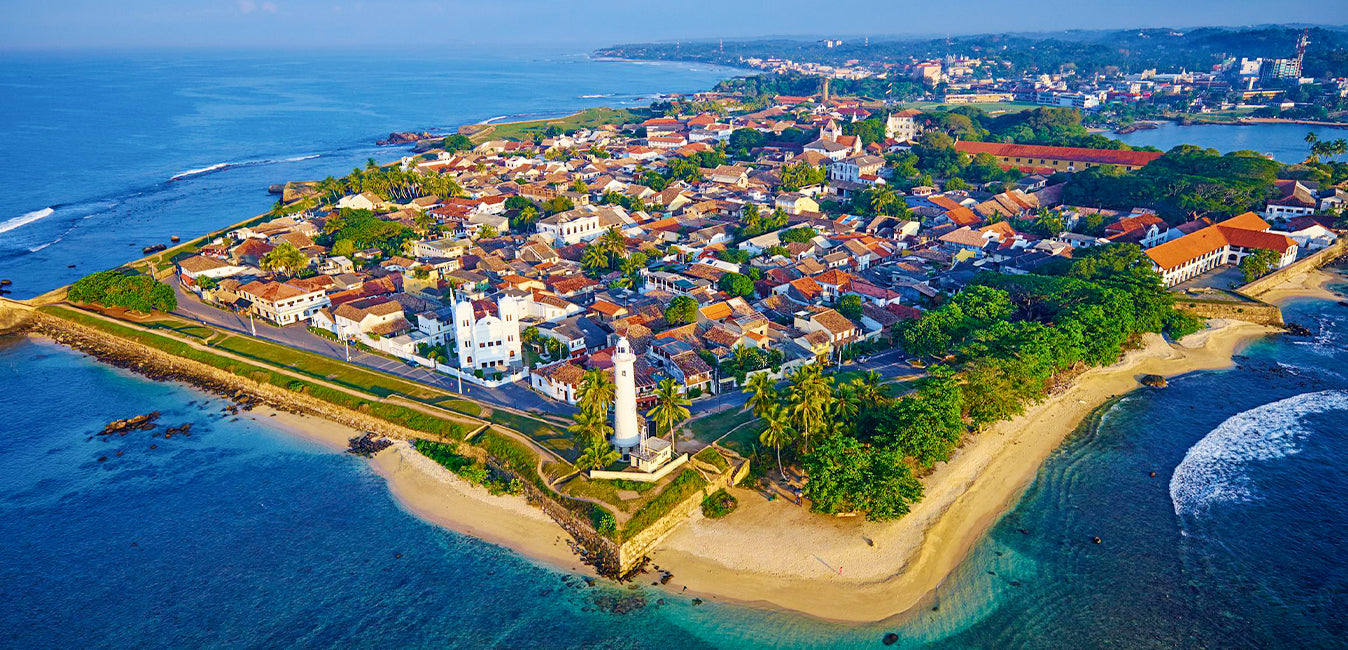
The Sun Bastion is one of the most distinctive structures along the ramparts of Galle Fort, a UNESCO World Heritage Site on Sri Lanka's southern coast. Positioned at a corner of the fort's perimeter walls, it was engineered specifically to give defenders a commanding line of sight over the sea approaches — a function that shaped its angular, projecting form. Today it draws visitors not for military reasons, but for the wide, unobstructed views it offers across the Indian Ocean and along the historic coastline.

What is the history of the Sun Bastion?

Galle Fort's origins date to the late 16th century, when Portuguese sailors began fortifying the promontory to protect their trading interests along the spice route. The Sun Bastion was part of that earliest phase of construction, forming a seaward anchor for the nascent defensive circuit. When the Dutch East India Company (VOC) captured Galle in 1640, they undertook a systematic rebuilding of the entire fort — enlarging the bastions, thickening the coral-stone walls and rationalising the layout into the orderly grid that survives today.

The bastion takes its name from its orientation: facing east, it catches the first light of the morning sun, a characteristic that made it both a practical observation point and a navigational landmark for ships approaching the harbour. The Dutch expanded and reinforced it during the 17th century, adding the substantial coral-rubble core beneath the dressed stone faces visible today. After the British took control of Galle in 1796, they made few structural changes to the bastions, allowing the Portuguese-Dutch fabric to survive largely intact.

Galle Fort as a whole was inscribed on the UNESCO World Heritage List in 1988, recognised for its exceptional example of a fortified colonial city blending European architecture with South Asian traditions.

What can visitors see and do at the Sun Bastion?

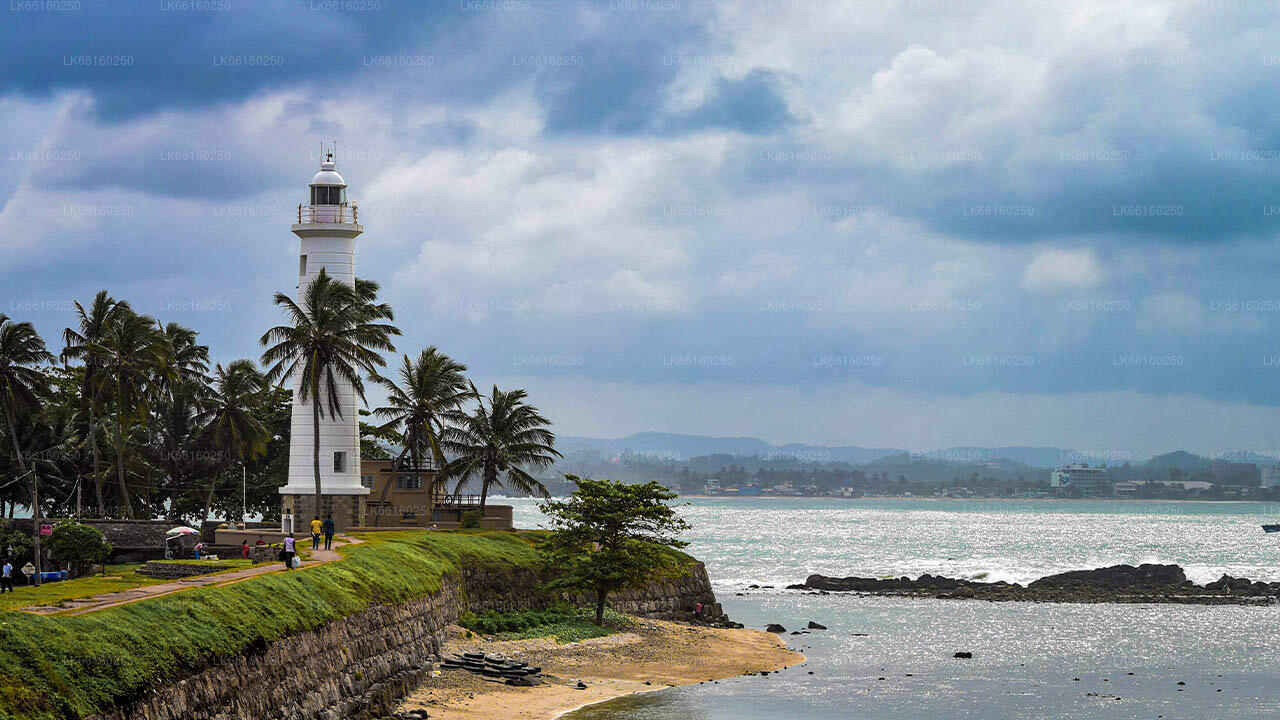
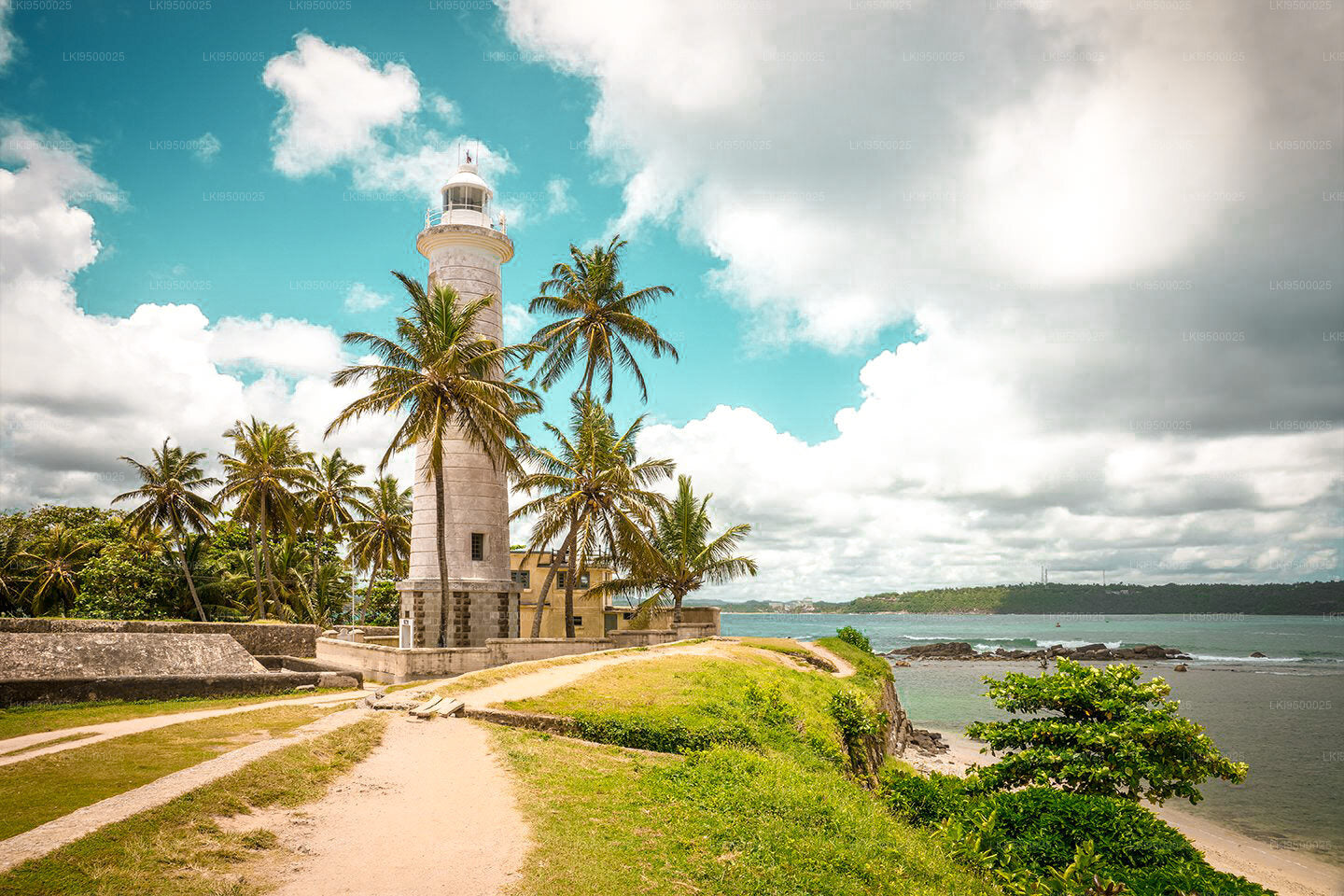
The bastion is freely accessible as part of the continuous walkway that runs along the top of Galle Fort's walls. From its platform, you can look out over the open sea to the south and west, and turn back toward the town to pick out the white spire of the Dutch Reformed Church, the old Dutch Governor's Mansion, and the Galle Lighthouse standing at the fort's southern tip.

  • Rampart walk: The Sun Bastion connects to a circuit of the fort walls that takes roughly 45 minutes at a leisurely pace. The path is broad and well-maintained.
  • Photography: The eastern orientation makes the bastion particularly rewarding at sunrise, when light breaks directly over the sea and the old town is quiet. Late afternoon light works equally well for shots looking back across the rooftops.
  • Orientation point: Standing on the bastion gives a clear sense of the fort's overall layout — useful before descending to explore the streets below.
  • Birdwatching: Sea swifts and terns are common along the rampart at dusk, and the rocks at the base of the walls attract waders at low tide.

How does the Sun Bastion fit into the broader Galle Fort layout?

Galle Fort contains nine bastions in total, each positioned to provide overlapping fields of fire and eliminate blind spots. The Sun Bastion sits at the northeastern corner of the fort, closest to the modern town outside the walls. Moving clockwise from here, the rampart walk passes the Flag Rock Bastion and the Triton Bastion before reaching the Lighthouse at the fort's southernmost point.

BastionPosition on perimeterNotable feature
Sun BastionNortheastSunrise views; closest to the main gate
Moon BastionNorthFaces the harbour entrance
Flag Rock BastionSouthTraditional flag-signalling point
Triton BastionSouthwestOpen-sea exposure; popular at sunset
Aeolus BastionWestNamed for the Greek god of winds

Each bastion reflects a different phase or priority of the Dutch rebuilding programme, and walking between them is effectively a primer in 17th-century coastal fortification design.

When is the best time to visit the Sun Bastion?

Galle Fort can be visited year-round, but the experience differs significantly by season. The southern coast's dry season runs roughly from November through April, when skies are reliably clear and the sea is calm — ideal conditions for photography from the ramparts. Between May and October the southwest monsoon brings cloud and occasional heavy rain, though the dramatic skies can produce striking images if the weather cooperates.

Within the day, early morning is the most rewarding time at the Sun Bastion specifically. The light is soft, the temperature comfortable, and foot traffic on the ramparts is minimal. By mid-morning, tour groups arrive in number and the walls become considerably busier. If you are visiting primarily for the views and atmosphere rather than photography, late afternoon — roughly an hour before sunset — offers a pleasant alternative.

How do I get to the Sun Bastion from Colombo?

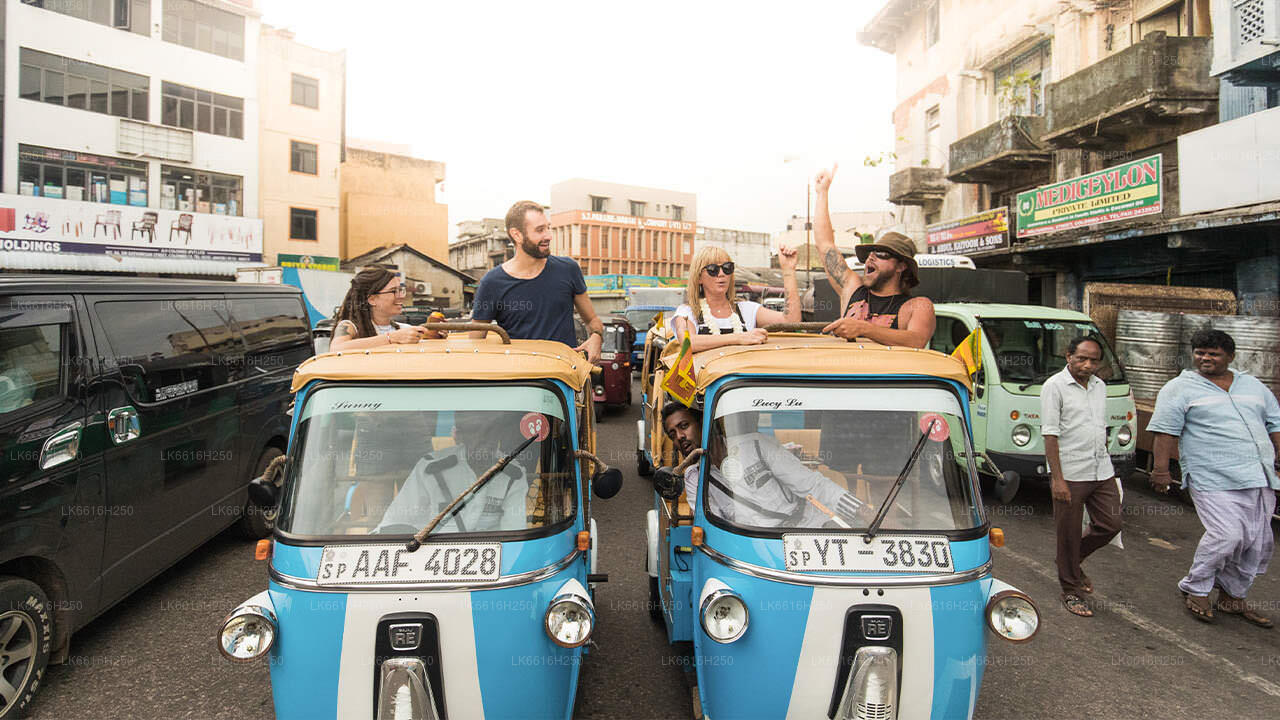
Galle is approximately 120 km south of Colombo along the Southern Expressway (E01), a journey that typically takes around 90 minutes by car in average traffic. The fort itself is best approached on foot from the main gate on Church Street, which is a short walk from the Galle bus stand and railway station. Parking within the fort is limited; arriving by tuk-tuk or private vehicle and walking in is more practical.

From the main gate, the Sun Bastion is visible almost immediately to your left as you enter the fort — it is the raised coral-stone platform overlooking the town boundary. No ticket is required to walk the ramparts or visit any of the bastions; the fort is a living community as well as a heritage site, and access is open to all.

What else is near the Sun Bastion worth visiting?

The fort's compact grid means that most points of interest are within a ten-minute walk of the Sun Bastion. The Dutch Reformed Church (1755) is the most prominent historical building inside the walls, with a floor of tombstones from the Dutch colonial period. The Galle National Museum, housed in a former Dutch warehouse, provides context for the objects and records found across the fort. Several independent boutiques, cafes, and guesthouses occupy restored colonial buildings on Leyn Baan Street and Pedlar Street.

Beyond the fort walls, the Madu River Safari on the Madu Ganga lagoon is a popular half-day excursion from Galle, offering a very different perspective on the southern coast's natural environment. The Koggala and Hikkaduwa beaches are also within easy reach for travellers combining a fort visit with time at the coast.

Ask Lakpura® Agent