Ruby


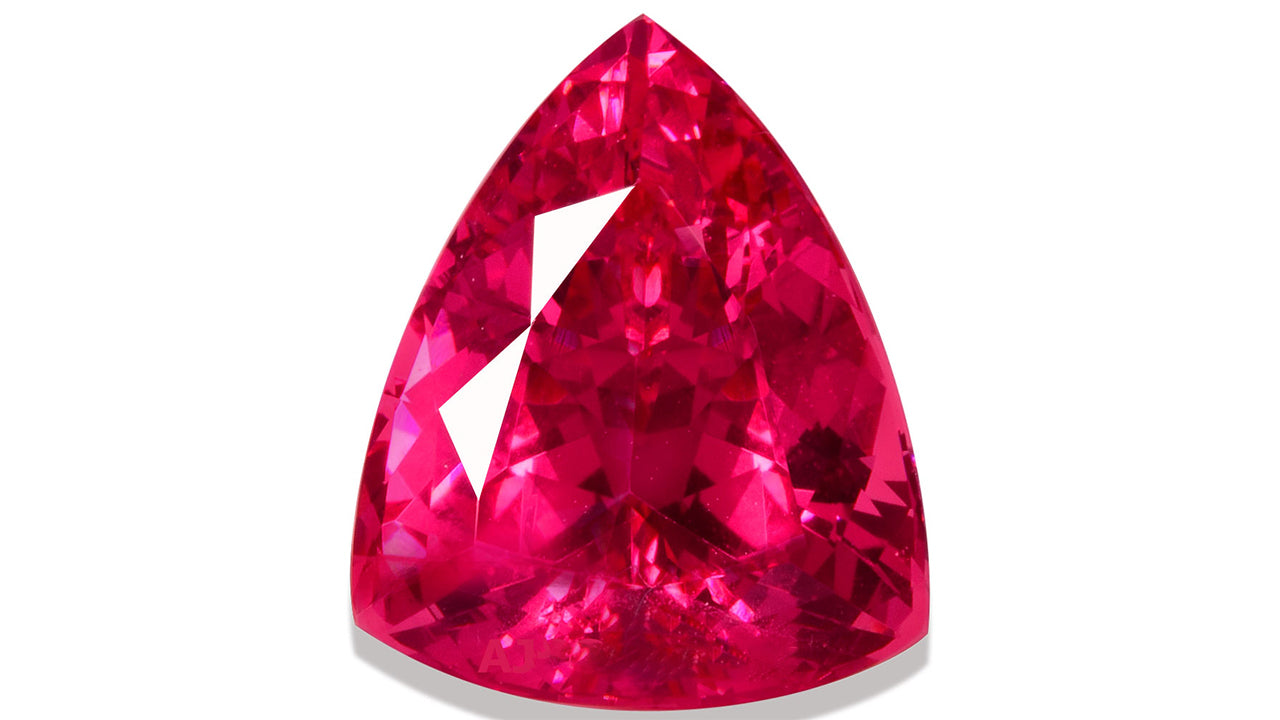
A ruby is a pinkish red to blood-red colored gemstone, a variety of the mineral corundum (aluminium oxide). Ruby is one of the most popular traditional jewelry gems and is very durable. Other varieties of gem-quality corundum are called sapphires. Ruby is one of the traditional cardinal gems, alongside amethyst, sapphire, emerald, and diamond. The word ruby comes from ruber, Latin for red. The color of a ruby is due to the element chromium.
- Varieties: Star ruby
- Sources: Sri Lanka, Burma, Thailand, Africa (Kenya, Madagascar, Tanzania), India.
- Toughness: Excellent, except in laminated or fractured stones.
- Treatments: The Burmese believed that “blazing red” stones could be found in a “bottomless” valley. Natives threw pieces of meat into the valley, hoping that some stones could then be recovered by killing the vultures. In the Royal Collection of England, you can view a gold ring set with a pale but nearly flawless ruby into which a portrait of Louis XII of France is carved.
- Cuts & Uses:Faceted or en cabochon, usually mixed cut (brilliant crown, step-cut pavilion), beads, carved (poor quality).
-
Choosing a Ruby : The most important factor in the value of a ruby is colour. The top qualities are as red as you can imagine: a saturated pure spectral hue without any overtones of brown or blue. The word red is derived from the Latin word for ruby, ruber, which is derived from similar words in Persian, Hebrew, and Sanskrit. The intensity of colour of a fine ruby is like a glowing coal, probably the most intensely coloured substance our ancestors ever saw. It is no wonder they ascribed magical powers to these fires that burned perpetually and never extinguished themselves.
Besides colour, other factors that influence the value of a ruby are clarity, cut, and size. Rubies that are perfectly transparent, with no tiny flaws, are more valuable than those with inclusions, which are visible to the eye. Cut can make a big difference in how attractive and lively a ruby appears to the eye. A well-cut stone should reflect backlight evenly across the surface without a dark or washed-out area in the centre that can result from a stone that is too deep or shallow. The shape should also be symmetrical and there should not be any nicks or scratches in the polish. Rubies and other gemstones are sold per carat, a unit of weight equal to one-fifth of a gram. Larger rubies, because they are more rare, will cost more per carat than smaller stones of the same quality.
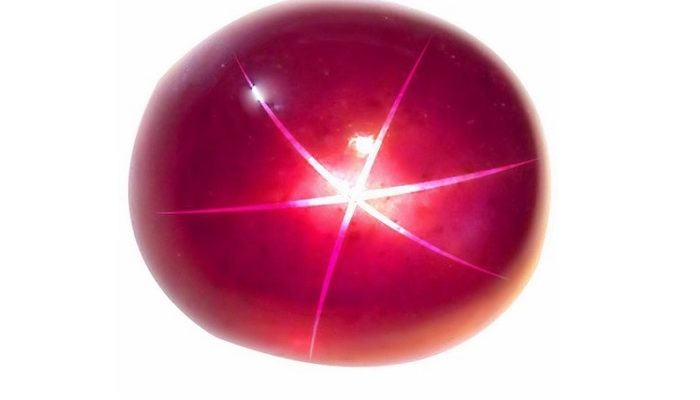
The Ruby sometimes displays a three-ray, six-point star. These star rubies are cut in a smooth domed cabochon cut to display the effect. The star is most visible when illuminated with a single light source: it moves across the stone as the light moves. This effect, called asterism, is caused by light reflecting off tiny rutile needles, called “silk,” which are oriented along the crystal faces. The value of star rubies and sapphires are influenced by two factors: the intensity and attractiveness of the body colour and the strength and sharpness of the star. All six legs should be straight and equally prominent. Star r






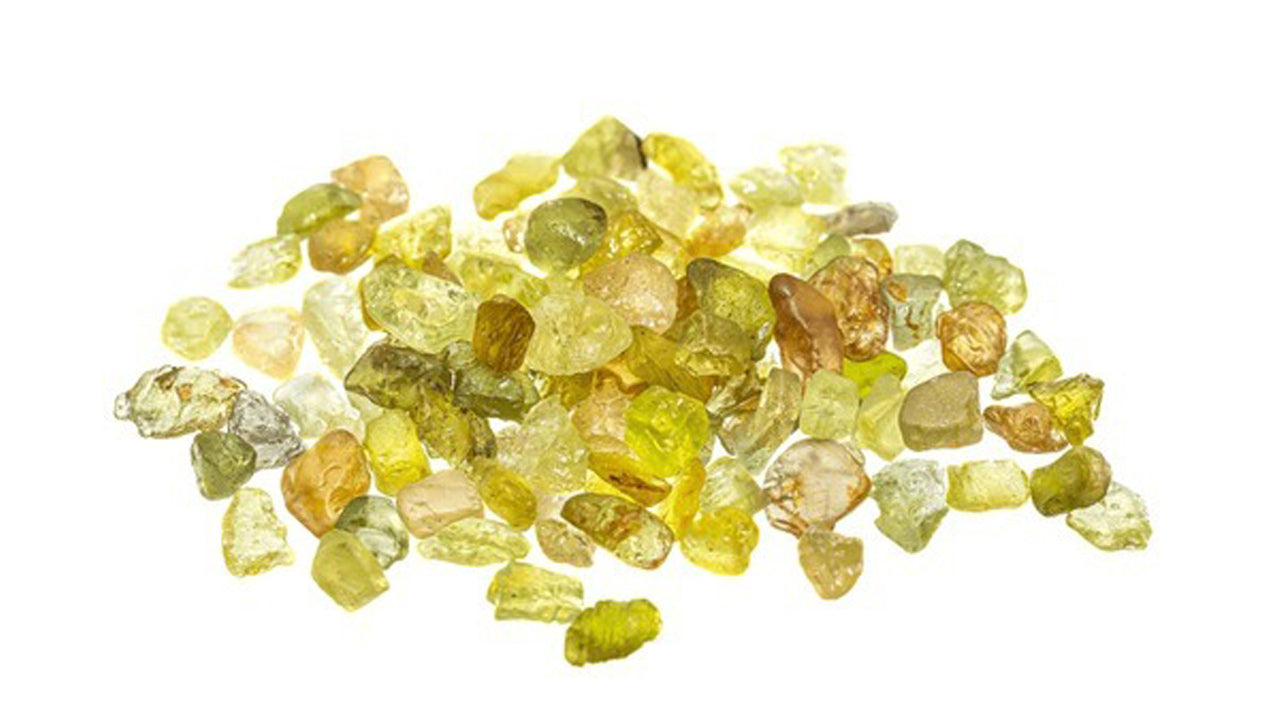
Explore Gem Mines
-
Explore Gem Mines in Ratnapura from Negombo
Preço normal De $49.60 USDPreço normal$52.91 USDPreço promocional De $49.60 USDPromoção -
Explore as minas de pedras preciosas em Ratnapura partindo de Colombo.
Preço normal De $184.77 USDPreço normal$197.09 USDPreço promocional De $184.77 USDPromoção -
Explore minas de pedras preciosas em Rathnapura saindo de Kalutara
Preço normal De $137.14 USDPreço normal$146.28 USDPreço promocional De $137.14 USDPromoção -
Explore Gem Mines in Ratnapura from Mount Lavinia
Preço normal De $56.34 USDPreço normal$60.10 USDPreço promocional De $56.34 USDPromoção