Estupa Mahiyangana Vihara


De acordo com o Mahávamsa, Sivuhelaya (Sri Lanka) foi habitada pelos Sivu-Helayos. Os Yakkhas (clã) viviam em Mahiyangana naquela época. Diz-se que o Buda teve uma discussão sobre o Dhamma com eles. Um líder Yakkha chamado Saman (que agora é considerado uma divindade) atingiu o Sotapanna (primeira etapa da liberação) após ouvir o discurso do Buda e pediu ao Buda um símbolo que eles pudessem adorar na sua ausência. O Buda deu-lhe uma porção de relíquias de seus cabelos, que foram mais tarde guardadas por Saman em uma pequena estupa de 10 pés (3,0 m) de altura. Esta foi a primeira estupa a ser construída em Sri Lanka durante a vida do Buda. Após o parinirvana do Buda, um Arhant chamado Sarabhu trouxe o osso do ombro esquerdo do Buda, que havia sido recuperado da pira funerária. Esta relíquia também foi guardada e a estupa foi ampliada para uma altura de 18 pés (5,5 m). Desde então, vários reis renovaram e ampliaram esta estupa. O rei Dutugamunu a elevou para uma altura de 120 pés. Governantes como Voharikatissa, Sena II, Vijayabahu I e Kirthi Sri Rajasinghe mantiveram o templo. Em 1942, uma sociedade foi formada para a renovação do templo sob a direção de Rt Hon. D. S. Senanayake, o primeiro Primeiro-Ministro do Sri Lanka. Os trabalhos de reconstrução começaram em 1953 e terminaram em 1980 com a conclusão de um novo pináculo para a estupa.


Special places in Badulla
-
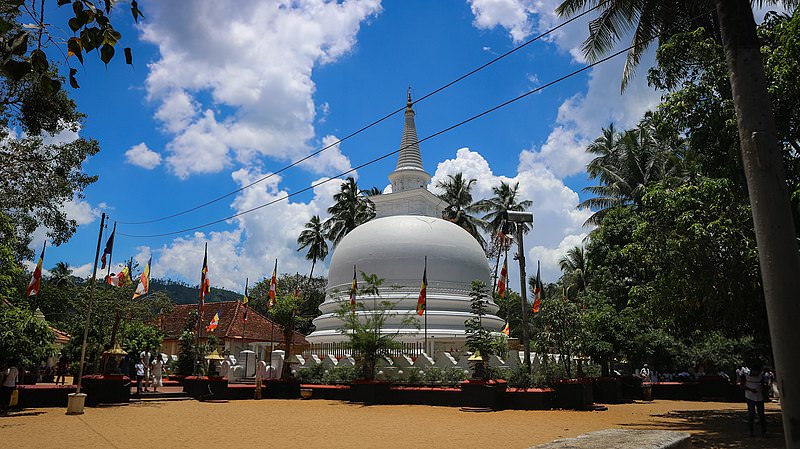 Muthiyangana Raja Maha Vihara
Muthiyanganaya Raja Maha Viharaya lies in the centre of the city of Badulla. The History of this temple goes back to the time of Buddha but this area around Badulla goes way back in to the time of 19th -18th century BCE.
-
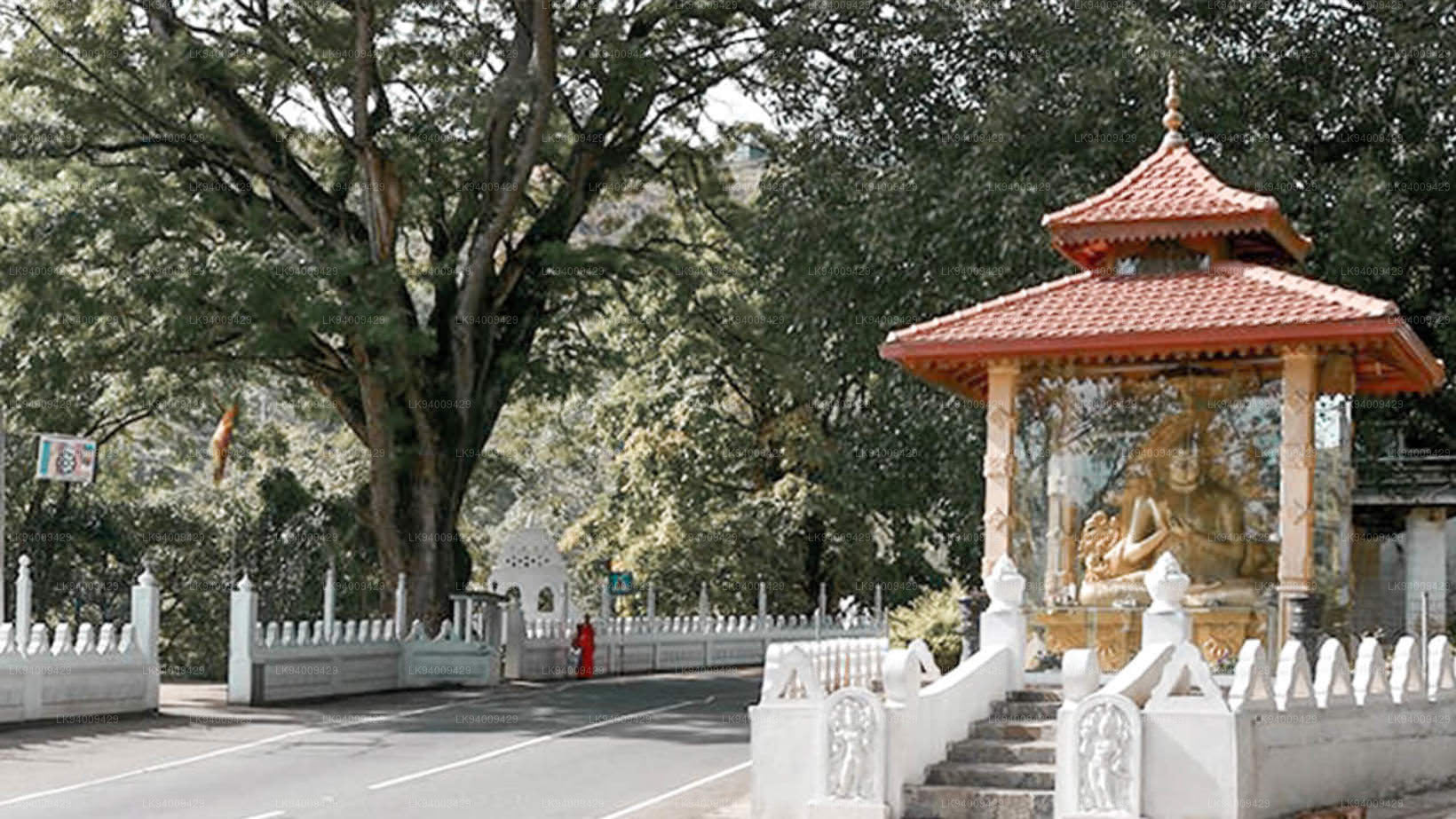 Dowa Raja Maha Viharaya
Dowa Raja Maha Viharaya (Dowa Cape Temple) lies few kilometres away from the Bandarawela town on the Bandarawela – Badulla Road. This temple is thought to be done by King Walagamba in the in first century BC.
-
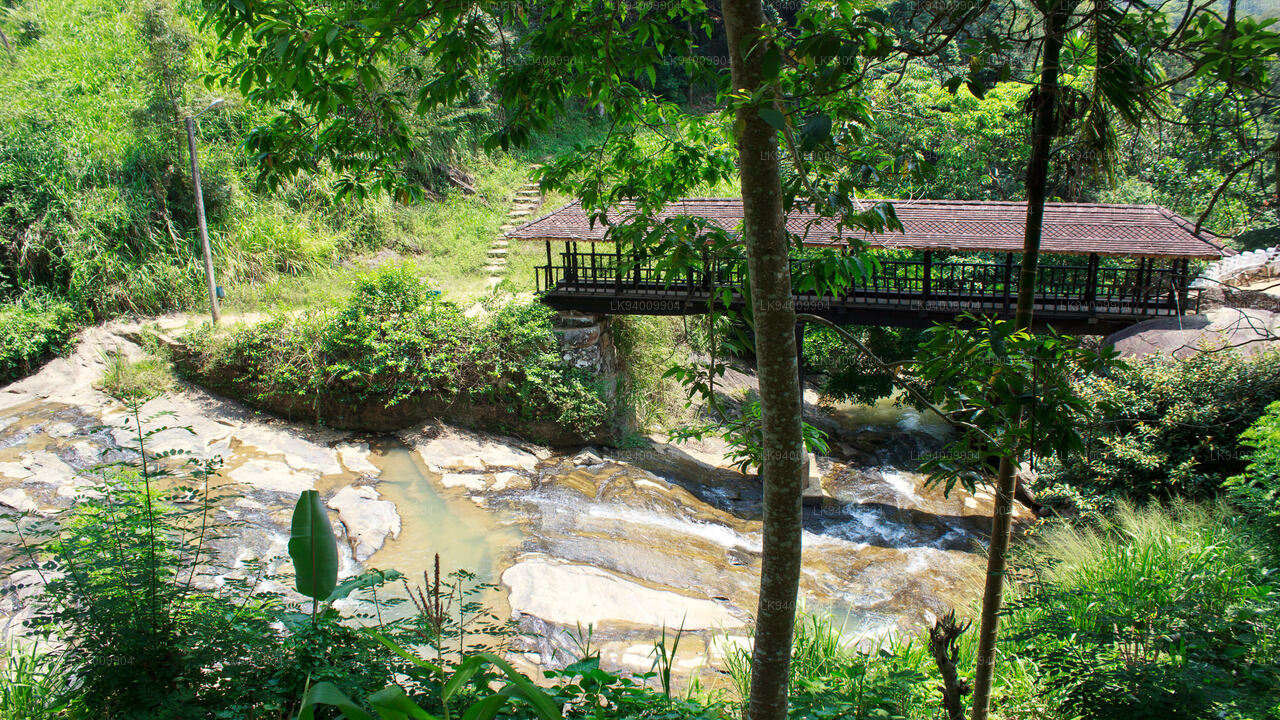 Bogoda Wooden Bridge
The Bogoda Wooden Bridge was built in the 16th century during the Dambadeniya era. This is said to be the oldest surviving wooden bridge in Sri Lanka. The bridge is situated at 7 kilometres (4.3 mi) west of Badulla.
-
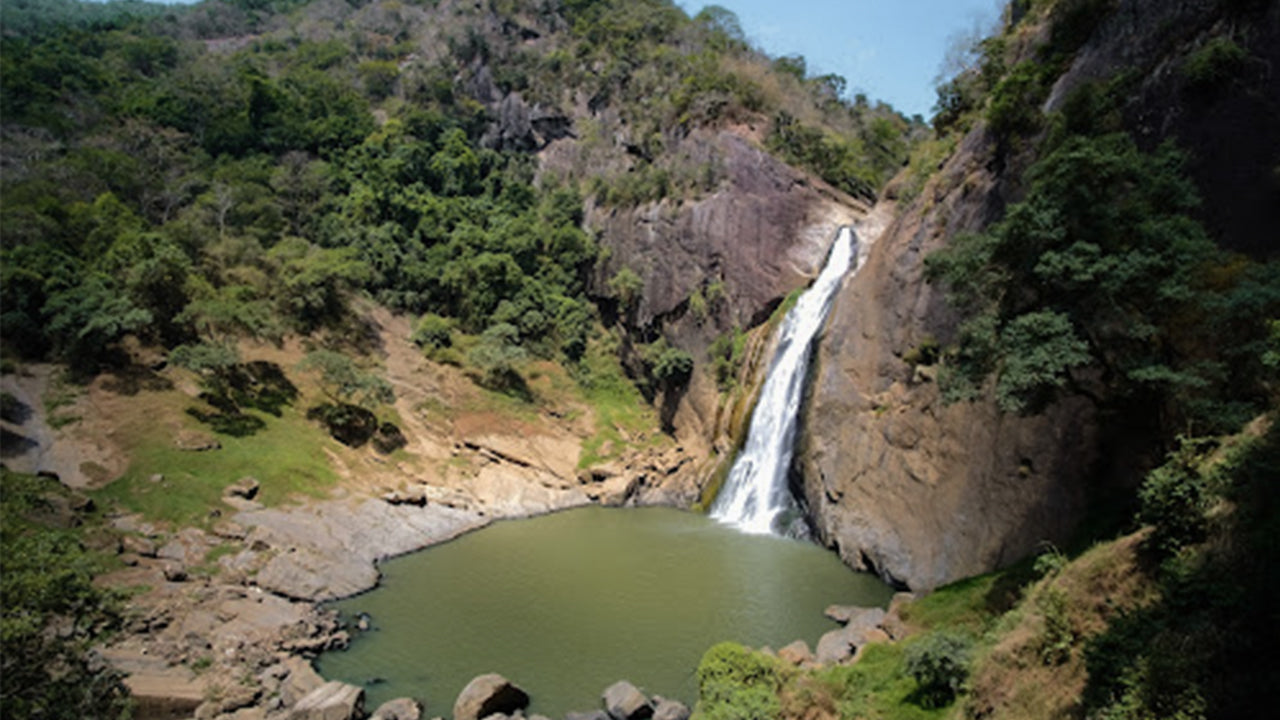 Dunhinda Falls
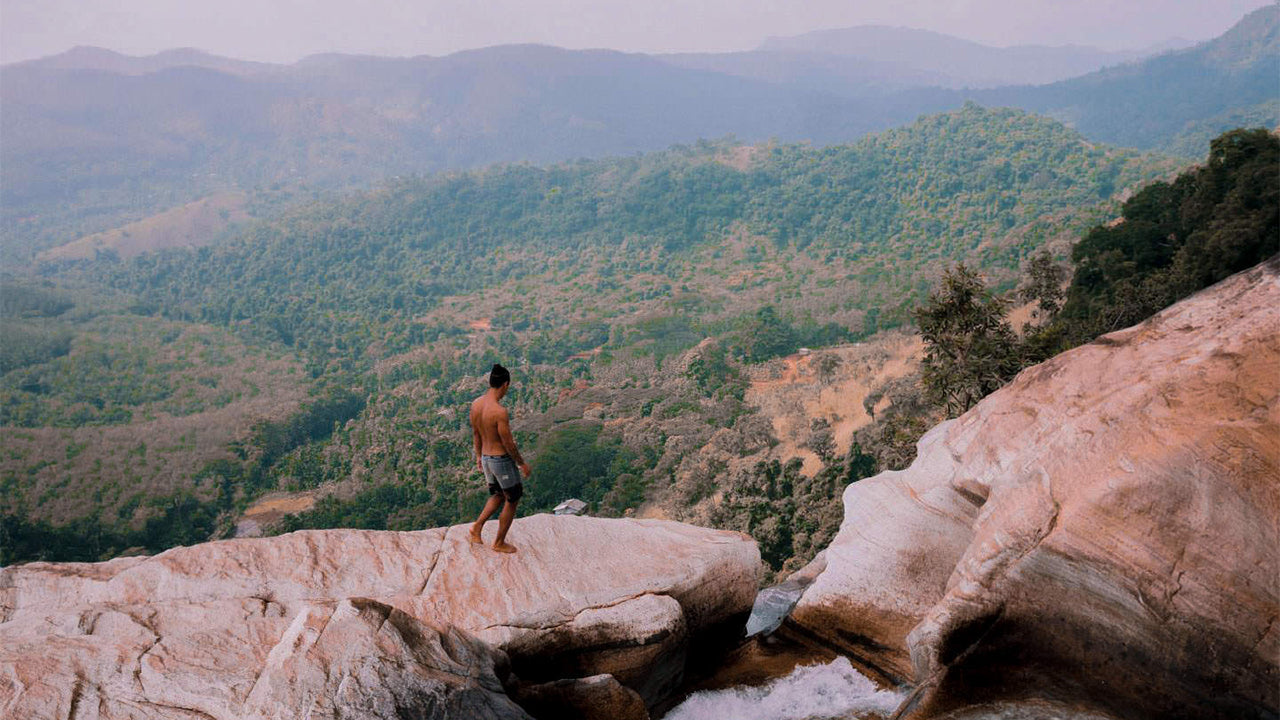
Dunhinda Falls is situated about 5 km away from Badulla town. It is 63 meters high and is considered to be one of the most beautiful waterfalls in Sri Lanka. The falls gets its name dew to the smoky dew drops spray.