Rio do Mel

Madu River Madu River Madu River

O Rio Madu é uma via fluvial cênica localizada na região sudoeste do Sri Lanka, perto de Balapitiya. Conhecido por suas águas calmas e rica biodiversidade, o rio faz parte de um complexo ecossistema de áreas úmidas composto por manguezais, pequenas ilhas e vias navegáveis interconectadas.

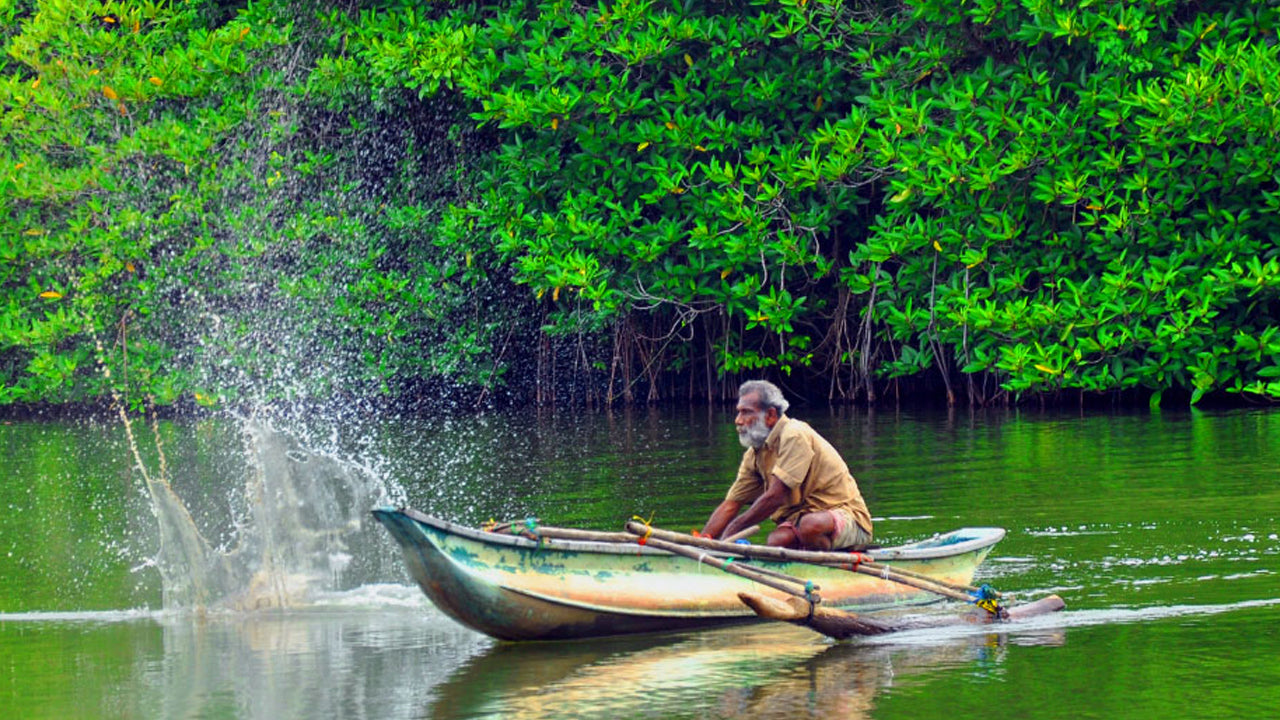
O rio e as áreas úmidas ao redor sustentam uma grande variedade de vida selvagem, incluindo peixes, répteis, aves e plantas aquáticas. As florestas de mangue desempenham um papel crucial na proteção do ambiente costeiro, ao mesmo tempo em que fornecem abrigo para muitas espécies que prosperam neste delicado ecossistema.

Os visitantes do Rio Madu podem explorar a área por meio de relaxantes safáris de barco que passam por túneis de manguezais e pequenas ilhas. Esses passeios oferecem oportunidades para observar a vida selvagem local, visitar áreas tradicionais de processamento de canela e experimentar a tranquila beleza natural do ambiente das áreas úmidas.

A melhor época para visitar o Rio Madu é durante os meses secos de dezembro a abril, quando as condições climáticas são ideais para passeios de barco e exploração ao ar livre. Facilmente acessível a partir de cidades costeiras como Balapitiya e Bentota, o rio oferece uma tranquila experiência de natureza ao longo da Sri Lanka costa sul.

Madu River Madu River Madu River

About Galle District

Galle is a city situated on the southwestern tip of Sri Lanka, 119 km from Colombo. Galle is the best example of a fortified city built by Europeans in south and Southeast Asia, showing the interaction between European architectural styles and south Asian traditions. The Galle fort is a world heritage site and the largest remaining fortress in Asia built by European occupiers.

Galle is the best example of a fortified city built by Europeans in south and Southeast Asia, showing the interaction between European architectural styles and south Asian traditions. The Galle fort is a world heritage site and the largest remaining fortress in Asia built by European occupiers.

Galle is a sizeable town, by Sri Lankan standards, and has a population of 91,000, the majority of whom are of Sinhalese ethnicity. There is also a large Sri Lankan Moor minority, particularly in the fort area, which descend from Arab merchants that settled in the ancient port of Galle.

About Southern Province

The Southern Province of Sri Lanka is a small geographic area consisting of the districts of Galle, Matara and Hambantota. Subsistence farming and fishing is the main source of income for the vast majority of the people of this region.

Important landmarks of the Southern Province include the wildlife sanctuaries of the Yala and Udawalawe National Parks, the holy city of Kataragama, and the ancient cities of Tissamaharama, Kirinda and Galle. (Although Galle is an ancient city, almost nothing survives from before the Portuguese invasion.) During the Portuguese period there were two famous Sinhalese poets called Andare who was from Dickwella and Gajaman Nona who was from Denipitiya in Matara District, composing poems on common man.