Lakpura
Lakpura®

Kosgoda Turtle Hatchery

Along a quiet stretch of Sri Lanka's southwest coast, roughly 90 km south of Colombo, Kosgoda has become one of the country's most important sites for sea turtle conservation. The hatchery here collects eggs from the surrounding beaches, incubates them in protected sandy pits, and releases hatchlings into the ocean — a cycle that has helped tens of thousands of turtles reach the sea that would otherwise have been lost to poaching, predation, or coastal disturbance. A visit is genuinely educational: you leave with a clearer understanding of why these animals matter and what it takes to protect them.

What species of sea turtles nest at Kosgoda?

Five of the world's seven sea turtle species come ashore on Sri Lankan beaches to nest, and Kosgoda's beaches attract several of them. All five are classified as either Vulnerable, Endangered, or Critically Endangered on the IUCN Red List.

  • Green Turtle (Chelonia mydas): The second-largest sea turtle, reaching up to 1.2 m in length and 200 kg. Strictly herbivorous as adults, feeding mainly on seagrass and algae. The most commonly sighted species at Kosgoda.
  • Leatherback (Dermochelys coriacea): The largest living reptile, capable of exceeding 500 kg. Unlike other sea turtles, it lacks a hard shell — its back is covered with a flexible, leathery skin reinforced by small bone fragments. Occasional nester on Sri Lanka's beaches.
  • Loggerhead (Caretta caretta): Named for its broad, powerful head and strong jaws adapted to crushing hard-shelled prey such as crabs and conchs. Typically weighs between 90 and 180 kg.
  • Hawksbill (Eretmochelys imbricata): Recognisable by its narrow, pointed beak — shaped like a hawk's bill — which it uses to extract prey from coral crevices. Among the smaller species, typically 60–90 kg. Critically Endangered, largely due to historic shell trade.
  • Olive Ridley (Lepidochelys olivacea): The smallest of the five species found here, usually weighing 35–50 kg. Named for its olive-coloured shell. Nests in relatively large numbers along the southwest coast.

Why are sea turtles endangered?

Sea turtles have existed for more than 100 million years, yet in recent decades their numbers have declined sharply across all species. The pressures they face are almost entirely human in origin.

Bycatch in fishing gear is widely considered the single greatest threat. Turtles breathe air and drown when entangled in gillnets or longlines. Longlines can extend many kilometres, carrying thousands of baited hooks, and capture species far beyond their intended target. Around the world, an estimated 40% of animals caught in some commercial fisheries are non-target species discarded as waste.

Egg poaching and illegal trade remain significant problems despite legal protections in many countries. Turtle eggs are consumed as food in some regions, while shells — particularly hawksbill — have historically been carved into jewellery and ornaments. Sri Lanka has national legislation protecting all sea turtles and their eggs.

Coastal development reduces and fragments nesting habitat. Artificial lighting on developed beaches disorients hatchlings, which instinctively move toward the brightest horizon — normally the sea — but are drawn instead toward roads and buildings.

Marine plastic and debris cause widespread harm. Sea turtles, particularly leatherbacks, mistake plastic bags for jellyfish and ingest them, causing internal blockages. Entanglement in discarded fishing gear is an additional hazard.

Climate change affects sea turtles in several ways: rising sand temperatures alter the sex ratio of hatchlings (warmer sand produces more females), sea-level rise threatens low-lying nesting beaches, and warming oceans shift the distribution of prey.

How does the Kosgoda Hatchery protect turtle eggs?

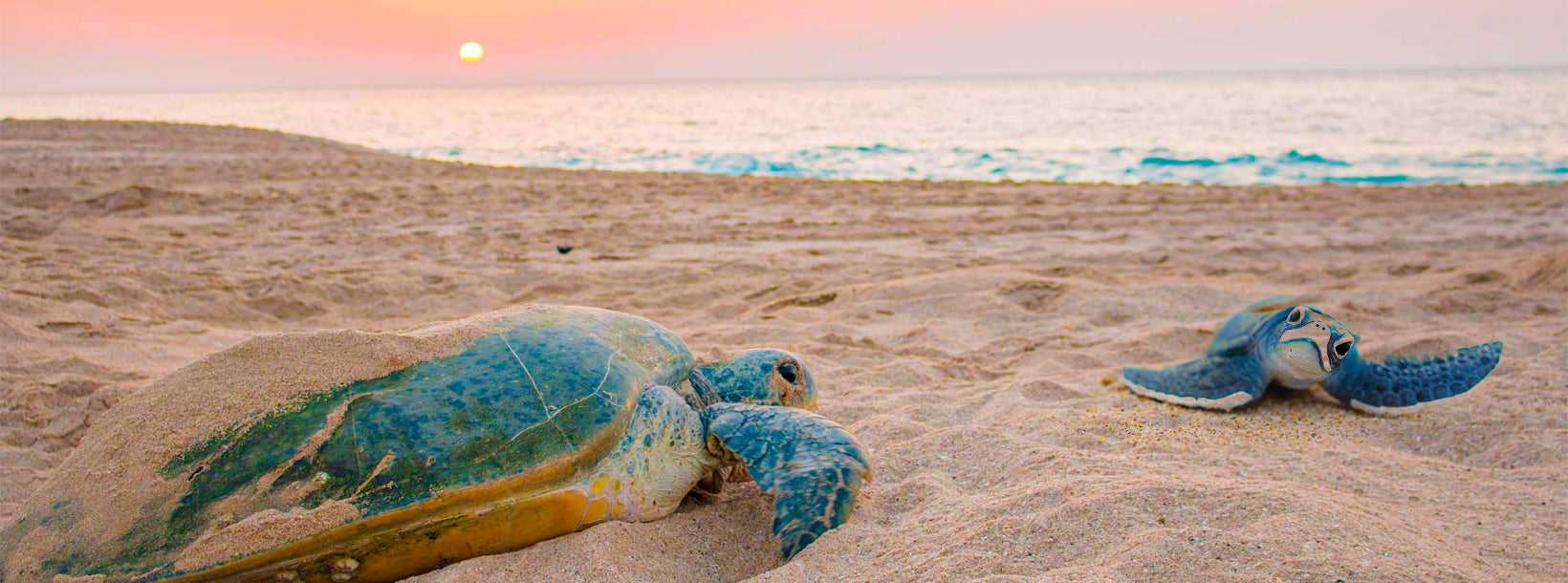
Staff and volunteers patrol the beach at night during the nesting season to locate freshly laid clutches before egg collectors or predators can reach them. Each clutch — typically 80 to 120 eggs — is carefully relocated to a protected fenced pit in the hatchery's sandy compound, positioned at the same depth and orientation as the original nest. The eggs incubate for roughly 55 to 70 days depending on species and sand temperature. Once hatchlings emerge, they are held briefly in seawater tanks to allow weaker individuals to gain strength before the group is released at the shoreline, usually around dusk.

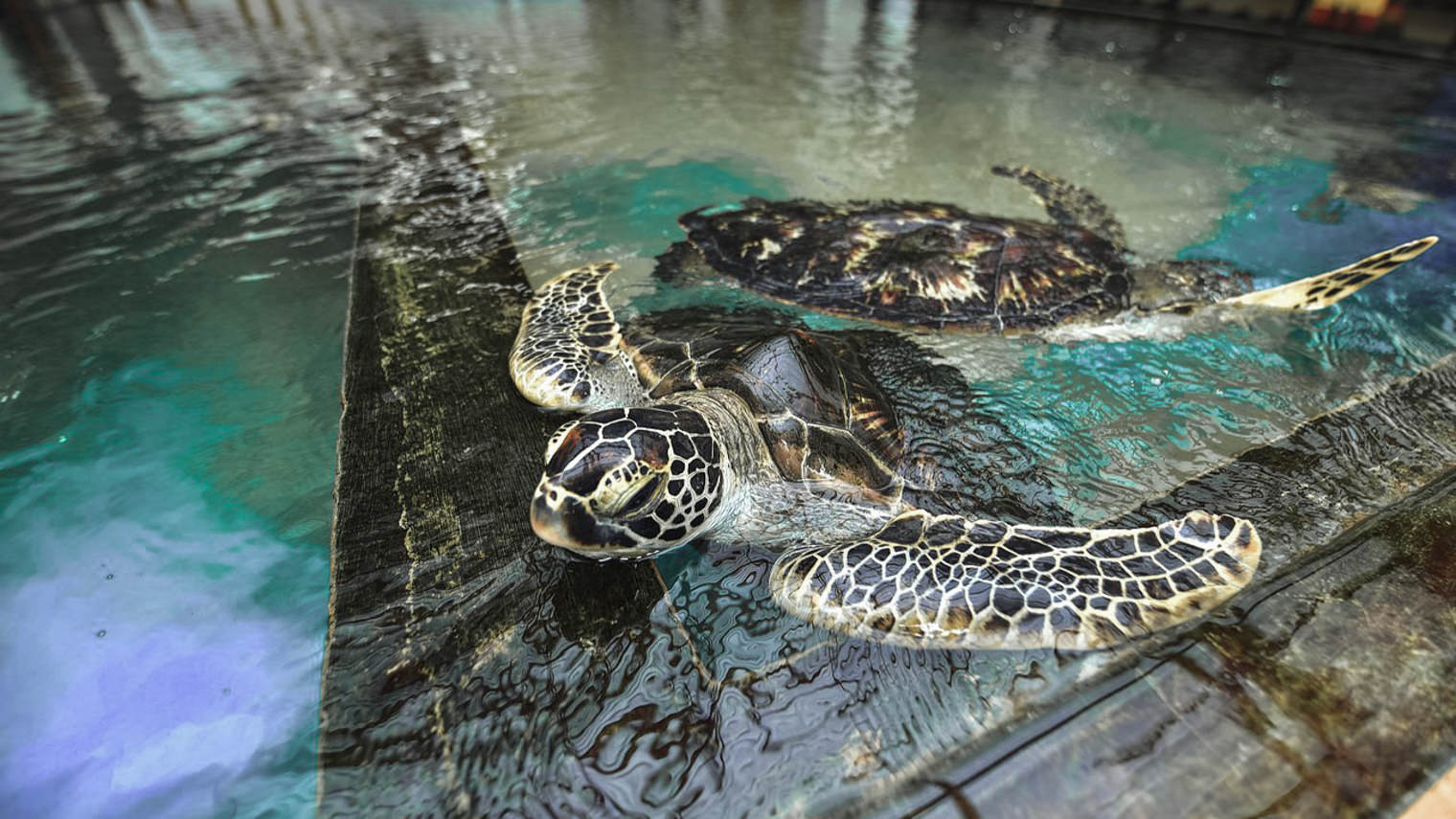
The hatchery also maintains a small number of adult and juvenile turtles in holding pools — primarily injured animals recovering from boat strikes or net entanglement. These are not permanent residents; the goal is rehabilitation and release. The Kosgoda Sea Turtle Conservation Project provides further context on the broader conservation effort operating in this area.

What can you do at the hatchery?

Visitors can walk through the hatchery grounds with a guide, observe the egg pits, and see turtles in the recovery pools. The most memorable experience is witnessing a hatchling release — tiny turtles, not much bigger than a palm, making their first instinctive scramble toward the water. Timing this well requires some planning: releases tend to happen in the evening, and availability depends on which clutches are ready to hatch on a given day.

For those who want a more active role, a guided snorkelling session offshore offers the chance to observe adult sea turtles feeding in their natural habitat along the reef — a very different and complementary perspective from the hatchery visit itself. Combining the hatchery with a Madu River Safari makes for a well-rounded day along this section of the coast, pairing coastal conservation with the biodiversity of a protected mangrove estuary.

When is the best time to visit Kosgoda Turtle Hatchery?

The hatchery is open year-round, and some nesting activity occurs in every month. The peak nesting period on the southwest coast typically runs from November through April, coinciding with the calmer sea conditions of the northeast monsoon season on this side of the island. If witnessing a hatchling release is a priority, visiting during this window increases your chances — though it is never guaranteed on any specific day, as hatching follows the natural incubation cycle rather than a fixed schedule.

The southwest coast's dry season (roughly November to April) also brings the most settled beach weather, making Kosgoda a natural addition to itineraries that include Galle, Hikkaduwa, or Bentota. Travellers already exploring the Hikkaduwa Turtle Hatchery further south will find Kosgoda covers similar ground with its own distinct conservation programme.

How do I get to Kosgoda from Colombo?

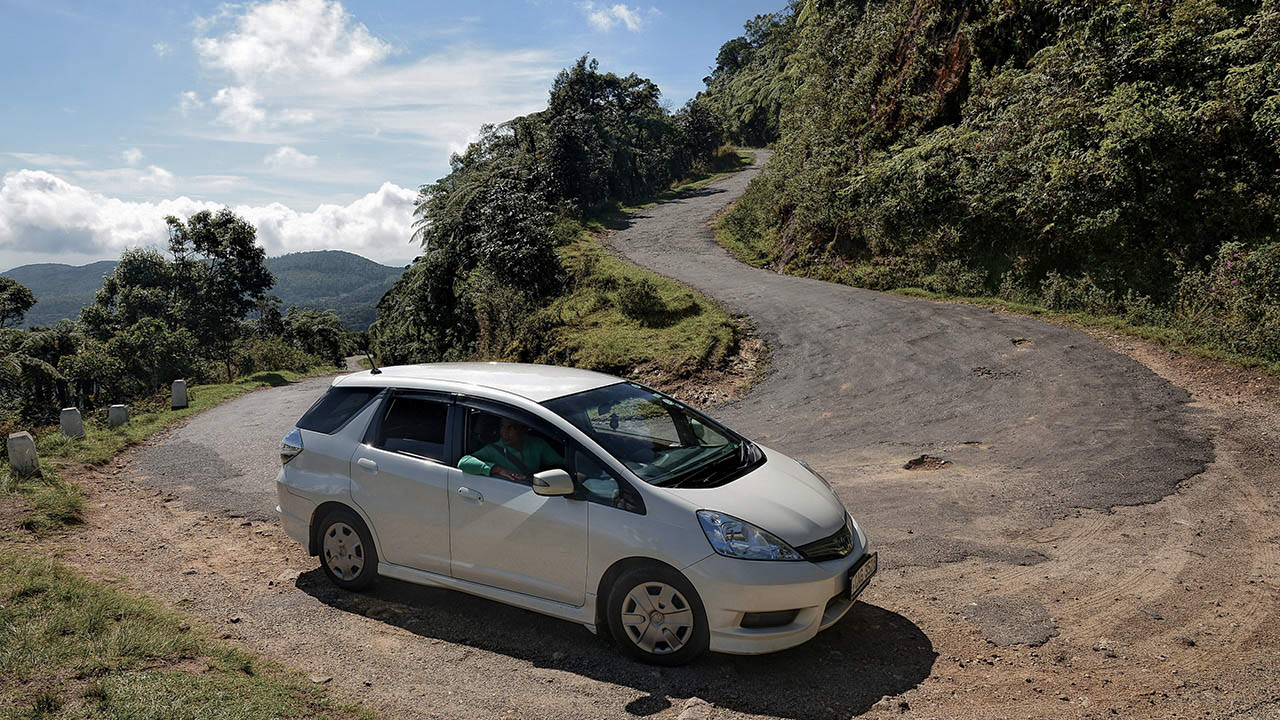
Kosgoda lies on the coastal A2 highway, approximately 90 km south of Colombo. By private vehicle, the drive takes around two hours depending on traffic, which can be heavy through Panadura and Kalutara. The Southern Expressway (E01) reduces travel time significantly: exit at Dodanduwa or Bentota and continue on local roads to Kosgoda. The hatchery is signposted from the main road.

Trains on the Coastal Line stop at Kosgoda station, making this one of the more straightforward public-transport journeys along the southwest coast. For groups or families, a private transfer allows you to stop at other coastal points of interest along the way.

What else is near Kosgoda?

The stretch of coast around Kosgoda offers several complementary experiences within a short drive. Bentota, a few kilometres north, is known for its water sports and river estuary. The Madu Ganga — a UNESCO-listed mangrove wetland — lies just south and is among the finest river ecosystems on the island. Galle, with its colonial-era Dutch fort and old town, is roughly 40 km further south and can be combined as a half-day add-on.

Nearby DestinationApproximate Distance from Kosgoda
Bentota~8 km north
Hikkaduwa~18 km south
Galle~40 km south
Colombo~90 km north

Book this experience with Lakpura

Curated by our local team. Direct booking, instant confirmation.

Ask Lakpura® Agent