Devinuwara


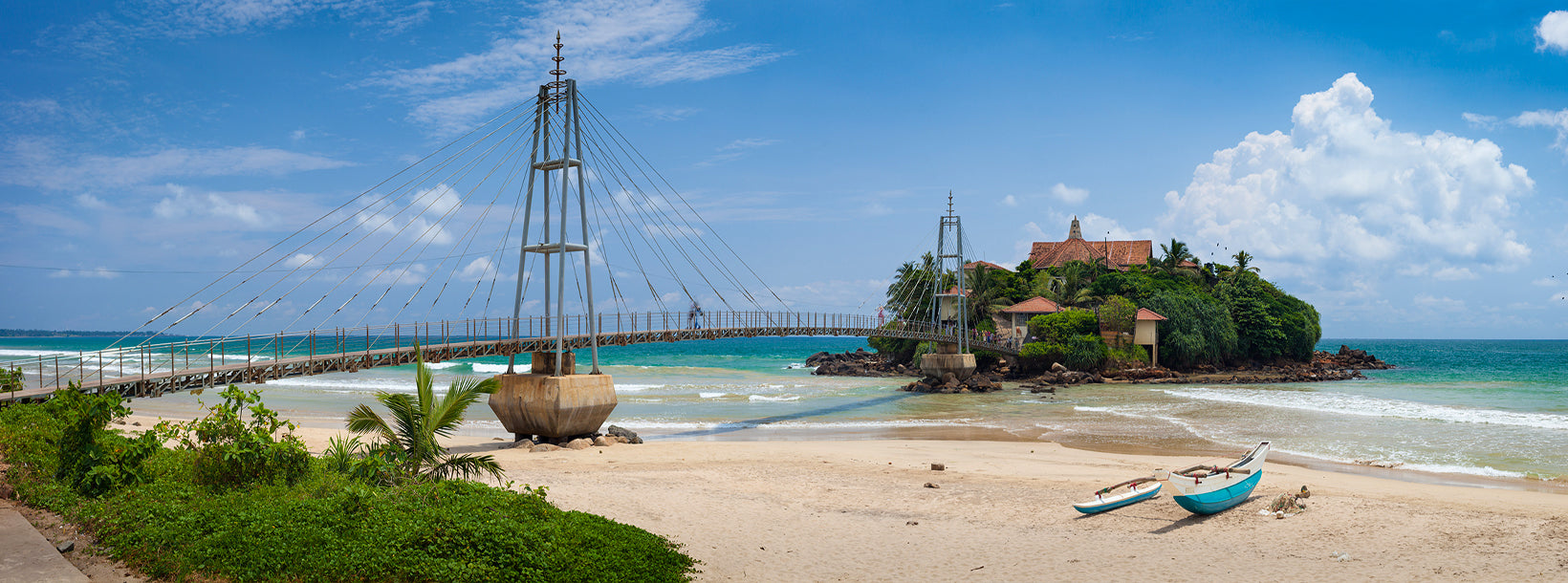
Devinuwara (Dondra) é uma cidade localizada no ponto mais ao sul do Sri Lanka. Está situada no Oceano Índico, perto de Matara, na Província do Sul do Sri Lanka. Nas proximidades encontram-se o farol de Dondra Head, ruínas de um antigo vihara e vários santuários hindus de Tenavaram.
Historicamente conhecida como a cidade portuária de templo Devinuwara ou Dondra (entre os séculos XVIII e XX), foi até o final do século XVI um importante complexo de cidade portuária religiosa. Como um local multirreligioso, sua principal divindade era o deus budista Upulvan, conhecido entre os hindus como Tenavarai Nayanar (Senhor Vishnu), e em seu auge foi um dos locais religiosos mais celebrados da ilha, contendo milhares de estátuas que podem ter pertencido a diversas seitas do hinduísmo e do budismo. Sua origem remonta ao período de Dappula I (659–660 d.C.), sendo mantida principalmente por reis cingaleses e guildas comerciais do sul da Índia que visitavam regularmente o porto durante seu período de prosperidade como destino de peregrinação e importante centro comercial, com amplos contatos com a Costa de Malabar, Sudeste Asiático, Noroeste da África e Europa.
O templo de Upulvan foi construído sobre arcos abobadados como um edifício de três andares em um promontório com vista para o vasto Oceano Índico. Ele fazia parte de um complexo monástico budista maior com vários santuários. Apoiado por dinastias reais cingalesas, chinesas e possivelmente tâmeis, além de peregrinos de diversas etnias, o templo de Tenavaram tornou-se um dos locais de culto mais importantes. Após as reformas realizadas por Parakramabahu II no século XIII, o templo de Upulvan (ou Vishnu) foi restaurado no estilo clássico dravídico da arquitetura Chera. Este templo, juntamente com os templos budistas ao redor, abrangia uma vasta área com santuários de vários monumentos budistas, como estupas, santuários da árvore Bodhi, estátuas de Buda reclinadas e em pé, além de um grande edifício de três andares para os monges.
Além disso, os sacerdotes brâmanes do templo de Upulvan foram estabelecidos em um agraharam concedido a eles na aldeia vizinha de Kapugama. Eles também possuíam um salão de esmolas dentro das instalações do templo de Upulvan (Vishnu). Santuários de várias divindades hindus, incluindo o Senhor Ganesha, o Senhor Shiva e a deusa Paththini, estavam localizados nas costas oeste e leste próximas ao templo central. As estátuas redescobertas e as ruínas desses templos, datadas do século VII ao XV d.C., refletem o auge da arte Pallava.