Lago Beira


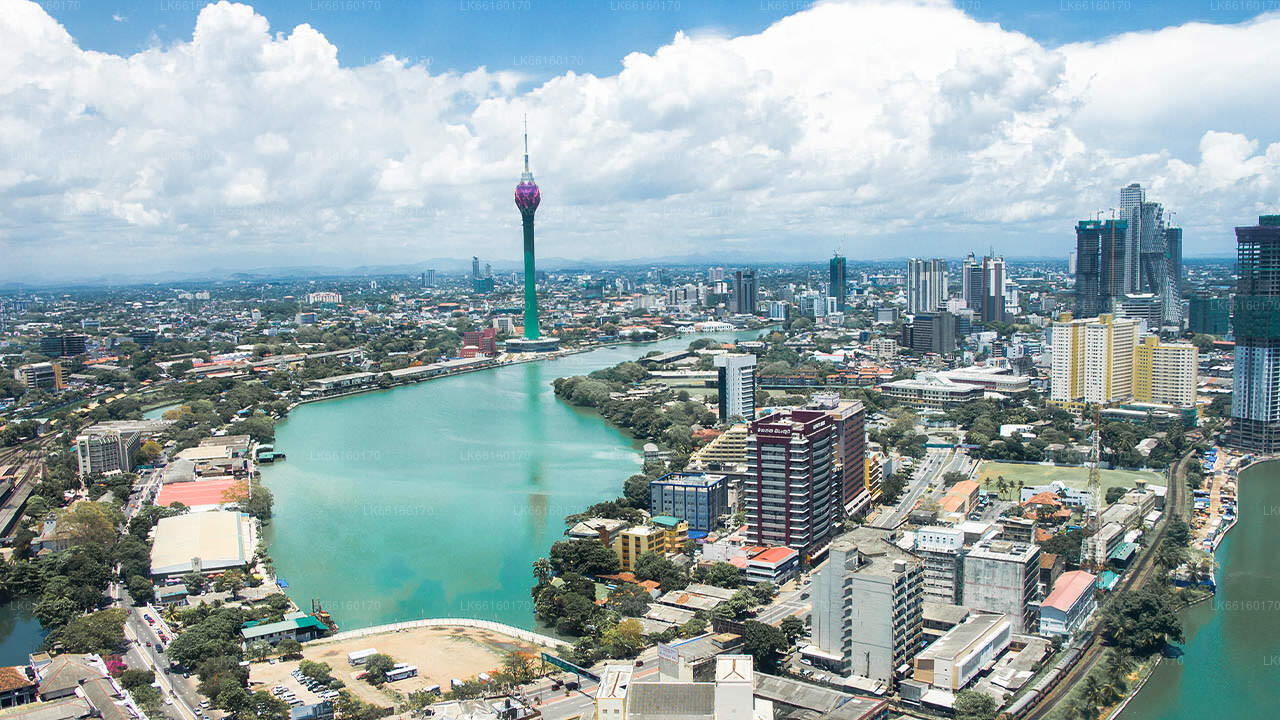
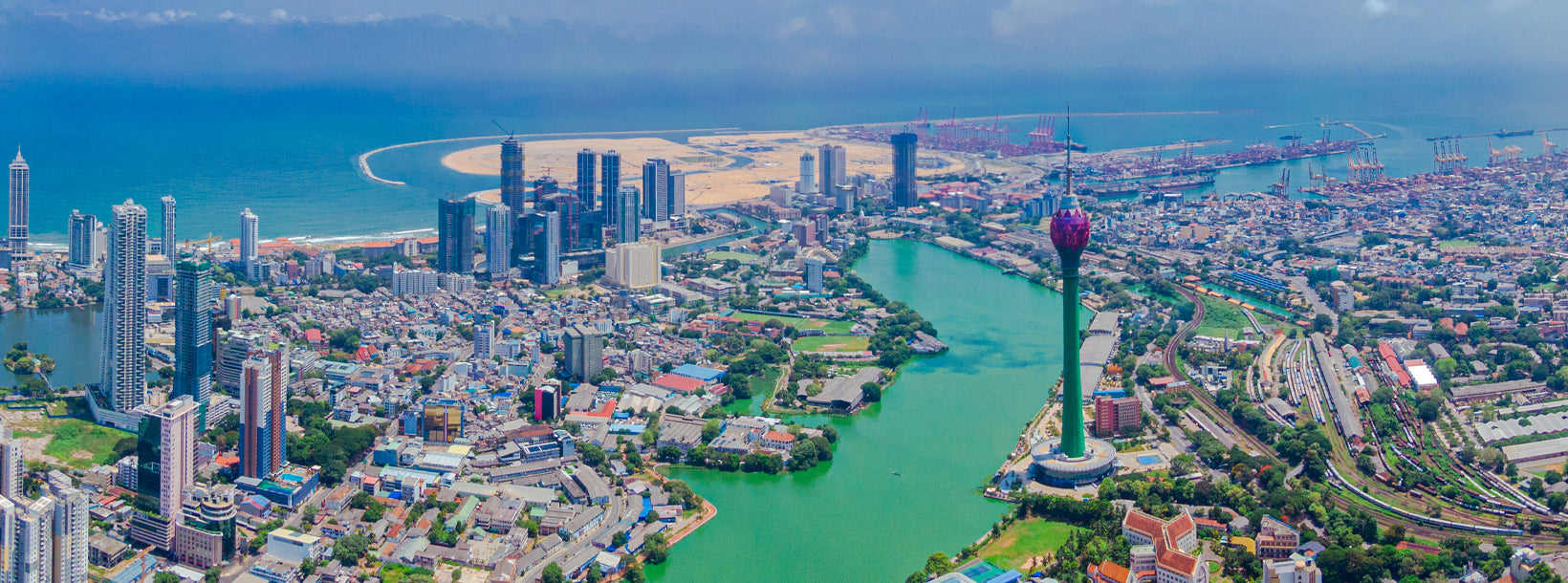
O Lago Beira é um dos marcos mais famosos de Colombo. Fica bem no centro da capital e é um dos poucos lugares de descanso e beleza dentro dos limites da cidade. A área ao redor tem muitas atrações, sem mencionar a história do próprio lago.
O Lago Beira começou como um lago muito maior, ocupando uma área de 410 acres há mais de um século. Mas com a rápida comercialização da área, foi reduzido para cerca de 160 acres.
História
Beira foi criado pelos invasores portugueses no século 16, para servir como um fosso que protegia sua base em Colombo contra os locais hostis. Eles adicionaram muitos perigos ocultos no lago, como grandes crocodilos e outros.
Beira provou ser um grande obstáculo para os soberanos locais, como Mayadunne de Sitawaka, quando tentaram libertar a região do domínio estrangeiro. Foi o filho de Mayadunne, Rajasingha I, quem conseguiu drenar o lago em 1587, aproximando-se da recuperação da região dos portugueses. Ele cortou os canais que alimentavam o lago, mas não conseguiu lidar com os reforços adicionais que os portugueses trouxeram da Índia.
Após os holandeses tomarem o lago, ele foi expandido e várias ilhas foram formadas artificialmente. Algumas delas, como Slave Island, eram grandes o suficiente para ter uma vila ou plantações de coco. As pessoas começaram a habitar as ilhas e o tráfego sobre a água aumentou. No entanto, foi usado principalmente para prisioneiros políticos, como no caso de Slave Island, ou para a agricultura, principalmente devido aos crocodilos que ainda infestavam o lago.
Após os britânicos tomarem o controle, eles removeram os crocodilos e desenvolveram a área ao redor do lago. As margens cobertas de grama se tornaram populares para festas, e até mesmo um grande baile foi realizado para celebrar a vitória britânica na batalha de Waterloo. O Lago Beira se tornou famoso por várias atividades recreativas, como remo e iatismo. Slave Island foi limpo de suas instalações prisionais, e o primeiro jardim botânico de Ceilão, os Kew Gardens, foi aberto lá em 1810. As mudas foram fornecidas pelos Royal Botanic Gardens de Londres. No final do século 19, a recuperação da terra para desenvolvimento começou e a área do lago foi reduzida, enquanto a poluição também aumentava.
O Crescimento de Beira
Cerca de uma década atrás, a situação piorou a ponto de a área ser principalmente cercada por favelas; enquanto a água do lago era simplesmente águas residuais dessas cabanas e casas que não tinham os recursos para lidar com o gerenciamento adequado de resíduos. O local exalava mau cheiro e apenas as pessoas mais pobres viviam na área. A beira d'água foi cercada por grandes armazéns, lembrando o comércio de chá de Colombo; onde o chá era transportado em barcaças através do canal de acesso ao porto. Esses armazéns estavam lá como uma cidade fantasma; escurecidos pela sujeira de mais de um século, e as janelas quebradas davam uma atmosfera assombrada. A única razão pela qual as pessoas iam para a região do Lago Beira era rezar no Templo Gangarama ou visitar um dos locais importantes, como o Colombo Rowing Club, o SLECC, a St. Joseph’s College ou o Lake House.