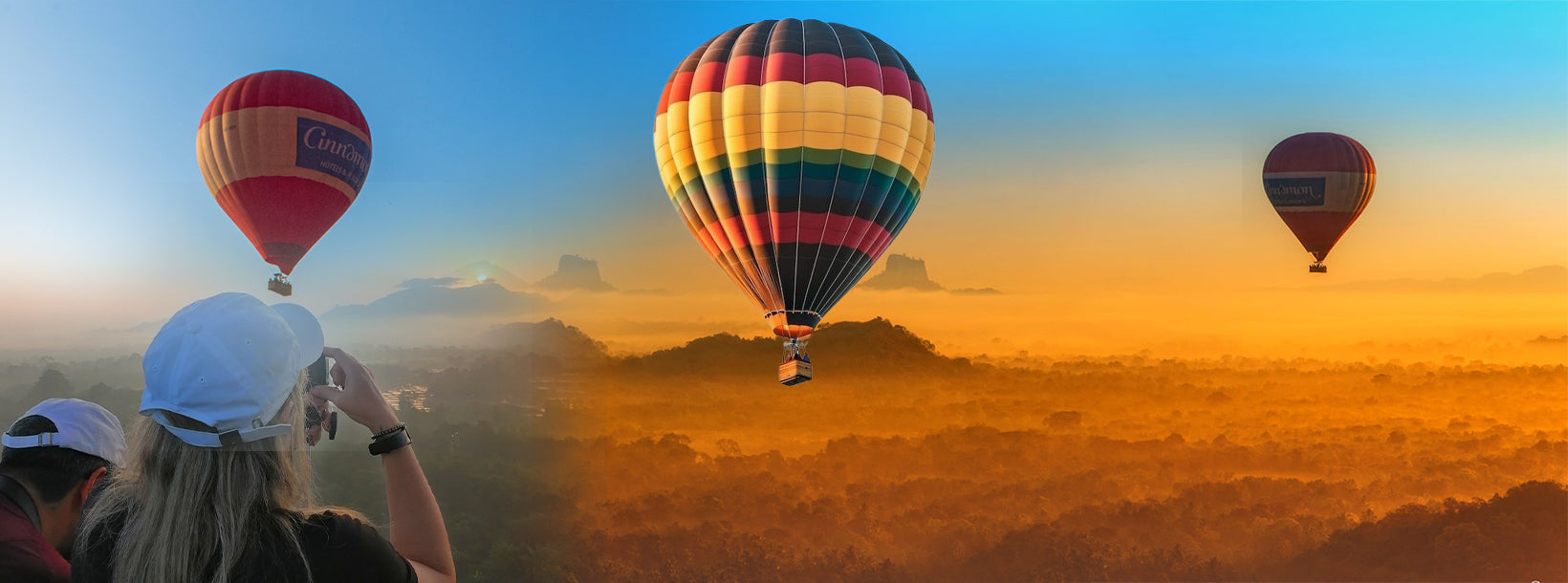
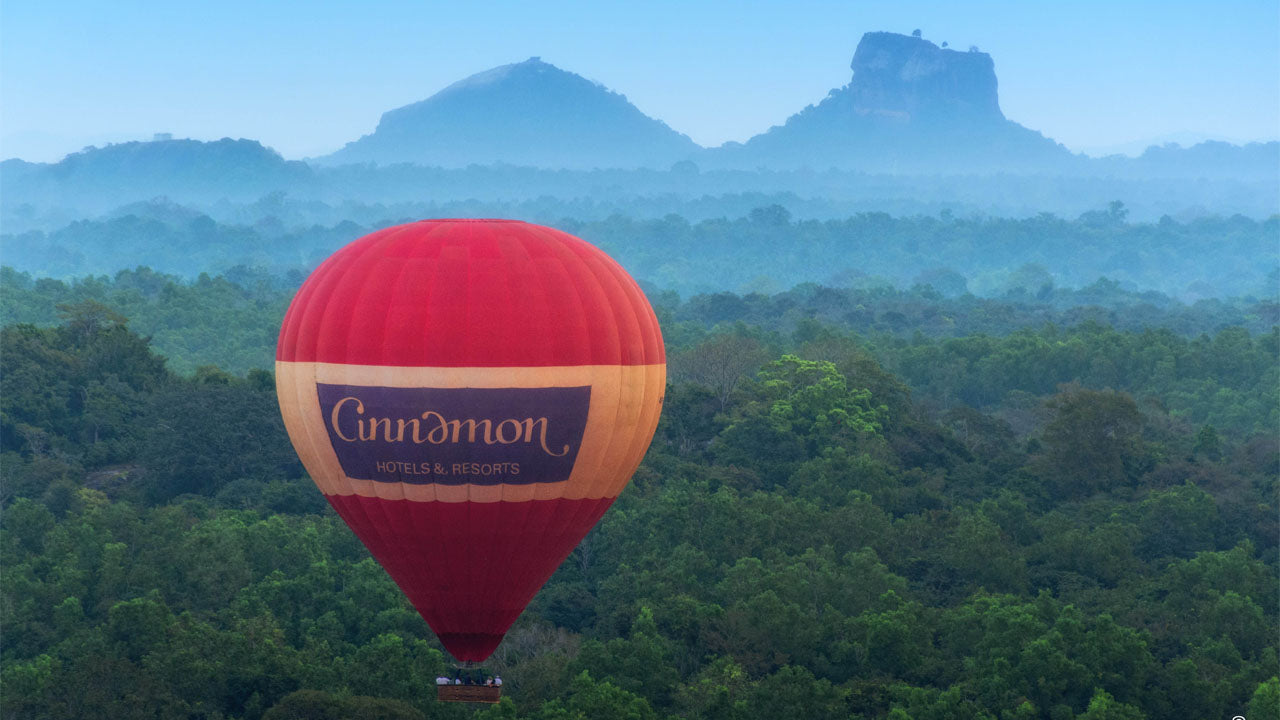
You will never experience real magic until you fly in a hot air balloon across Sri Lanka - Paradise Island. The climate in Dambulla – Kandalama is exceptional for flying balloons, due to its extremely calm and predictable nature.
Uma ótima maneira de experimentar a emoção do voo com uma vista de águia da área abaixo, uma viagem silenciosa pelo céu, uma excursão que se popularizou rapidamente entre os locais e turistas é o voo de balão de ar quente, flutuando suavemente sobre o Triângulo Cultural ou um parque de vida selvagem em um balão de ar quente será inesquecível, na verdade, nada se compara a uma excursão de balão de ar quente pelas planícies centrais, na nossa opinião. Passeios de balão de ar quente estão disponíveis nas planícies do centro-norte da ilha e você pode ser levado sob céus azuis e sobre a paisagem pontilhada com muitos pequenos lagos artificiais, podendo até avistar um elefante próximo a esses tanques, monumentos antigos, proponha casamento para sua noiva em um balão de ar quente, celebre seu aniversário em um balão de ar quente, troque votos e se case no ar em um balão de ar quente! Funcionando de Dambulla, o serviço está disponível de dezembro a março.
05:45 - 06:00 am - Ponto de encontro no Heritance Kandalama ou recepção do hotel.
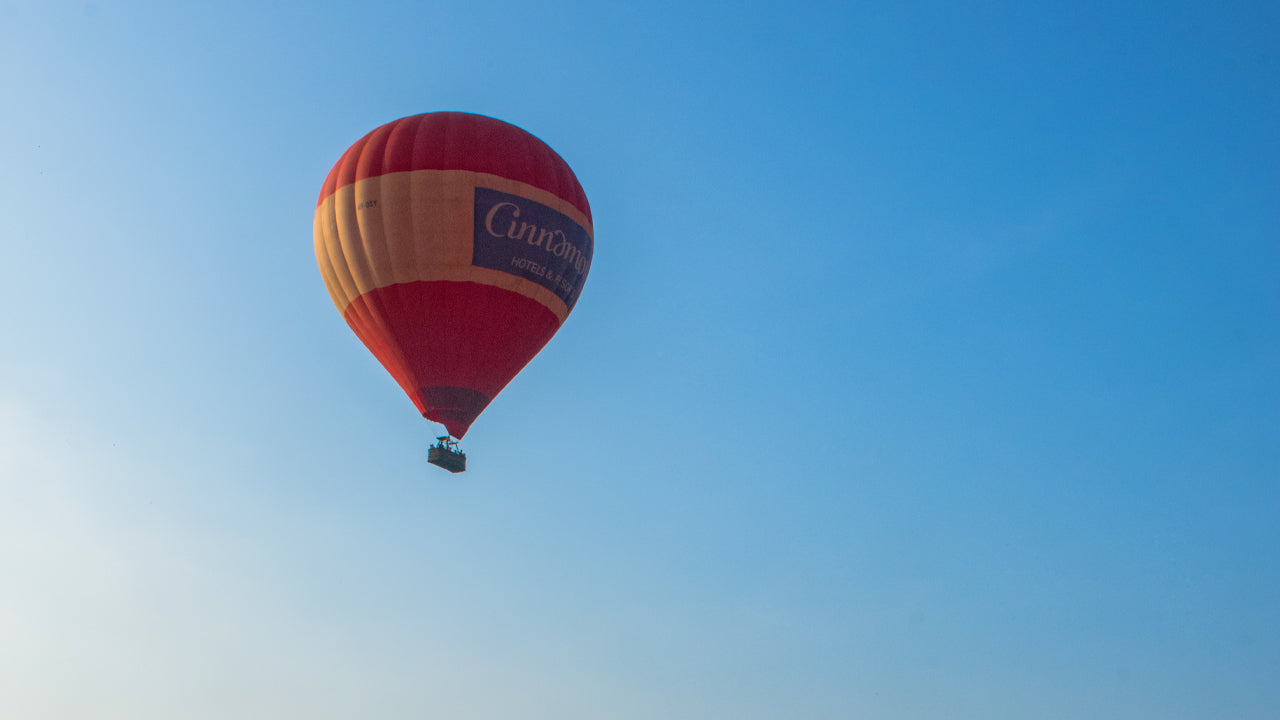
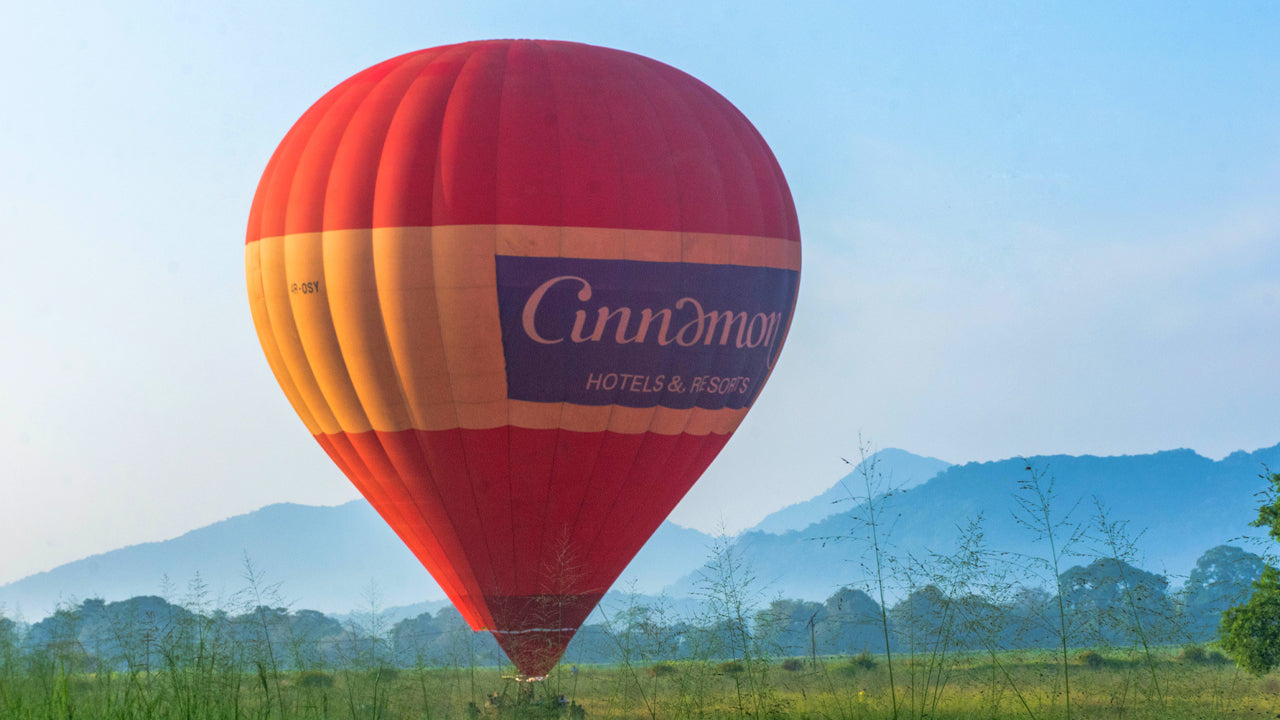
06:15 - 06:30 am - Você embarca no balão e o piloto chefe irá orientá-lo sobre segurança. Aproveite o seu voo de uma hora, flutuando serenamente sobre vistas deslumbrantes e impressionantes da zona rural com apenas os ocasional estalos das queimadores para interromper a paz!
Viajando sobre a selva, você pode ver elefantes vagando livremente, búfalos d'água em pé nos campos de arroz e macacos balançando nas árvores. A vista de Sigiriya se destacando majestosa ao longe é muito visível com o nascer do sol. Crianças da vila abaixo do balão tentando acompanhar a corrida a pé ou de bicicleta e você também pode ver nossa equipe de acompanhamento enquanto eles nos seguem até o local de pouso.
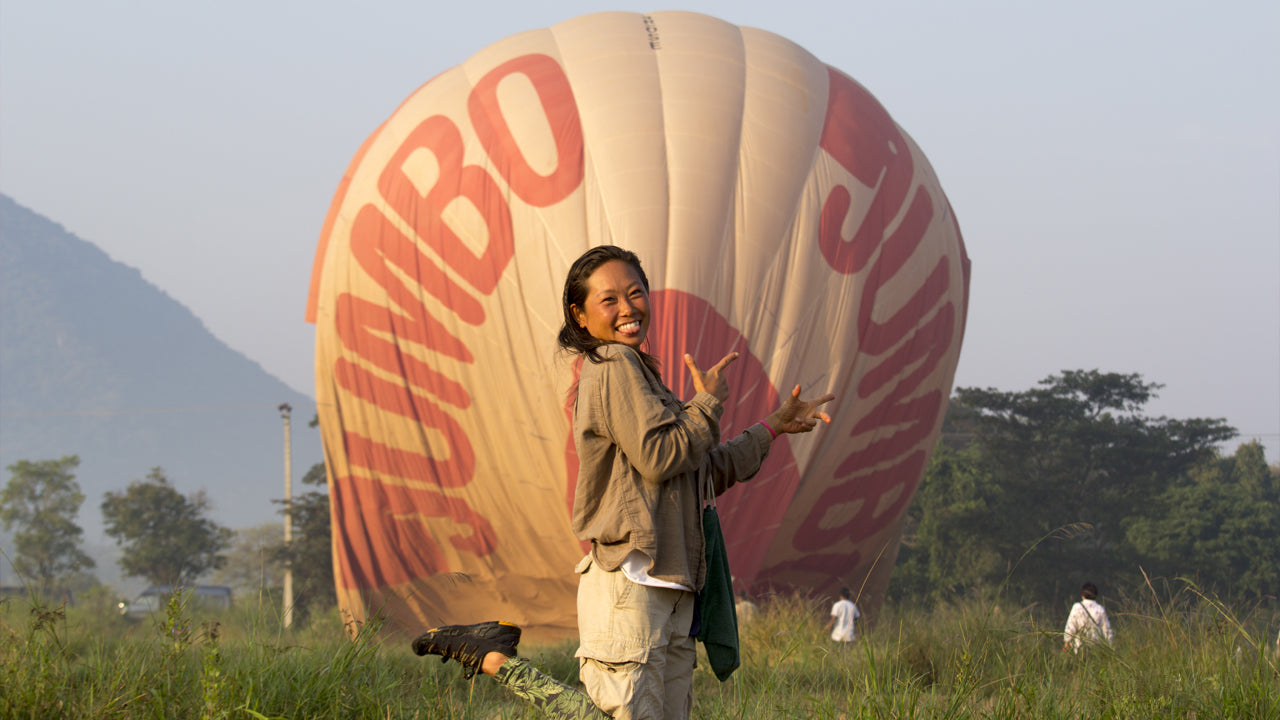
Aproximadamente às 8 am, após um voo emocionante sobre a selva, você será recebido ao pousar por moradores amigáveis que terão prazer em ajudar a embalar o balão. Depois, você será levado de volta ao seu hotel pela nossa equipe.
Coisas a observar ao participar do voo de balão de ar quente no Sri Lanka
Vista-se de maneira casual e confortável para o clima, pois está um pouco mais quente quando o sol aparece.
Recomendamos sapatos fechados em vez de sapatos abertos ou saltos altos, pois queremos proteger seus pés assim como o resto de você.
Use um chapéu ou boné para proteção.
Se desejar, pode carregar um pacote de doces para jogar para as crianças quando sobrevoar suas vilas ou entregá-los no local de pouso quando elas vierem te recepcionar como aventureiro em sua terra natal.
Seu veículo pode seguir você com a equipe de acompanhamento.
É aconselhável alocar no máximo 3 horas e meia para o seu passeio de balão.
Crianças abaixo de 7 anos e mulheres grávidas não serão permitidas no balão. No entanto, converse conosco sobre a possibilidade de voar com seu filho.
Se o voo for cancelado devido ao mau tempo, não cobraremos nada e o pagamento será reembolsado integralmente no caso de pagamento antecipado.
Os pontos de coleta serão em Habarana, Sigiriya, Dambulla e Kandalama e os horários dependem do ponto de coleta. Os horários serão entre 4:45 am e 5:30 am.