Rafa św. Anny
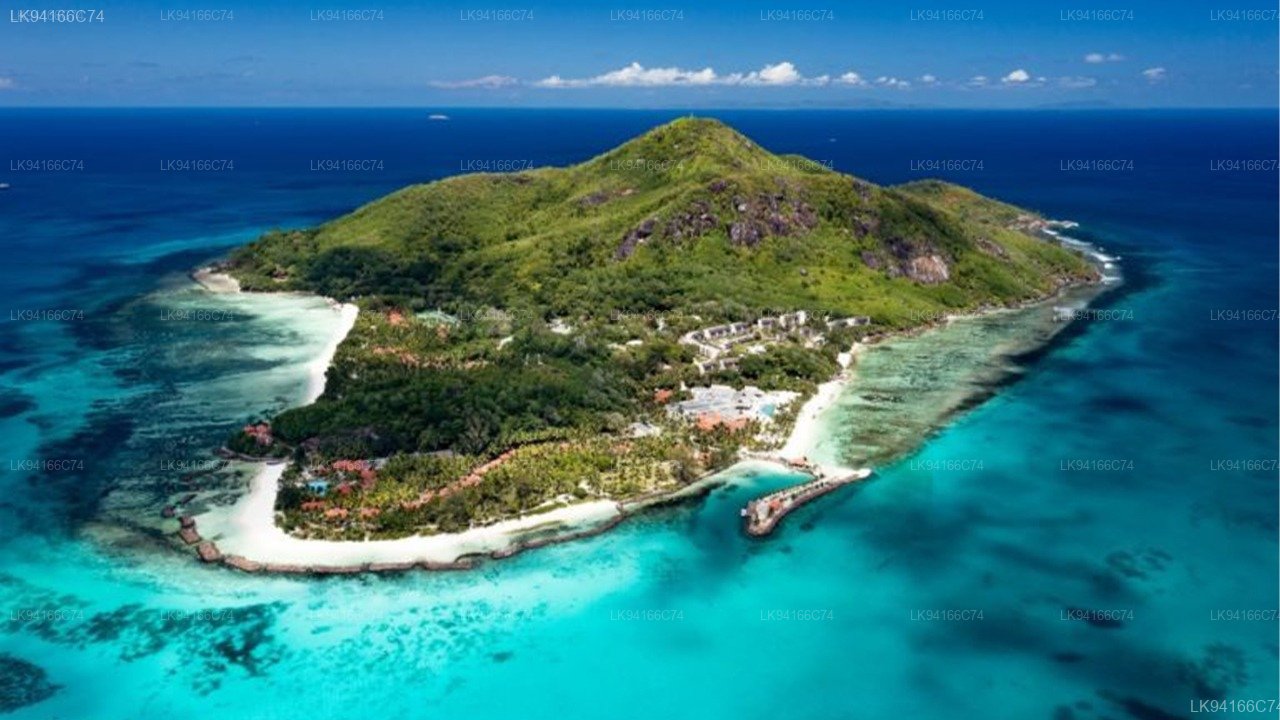
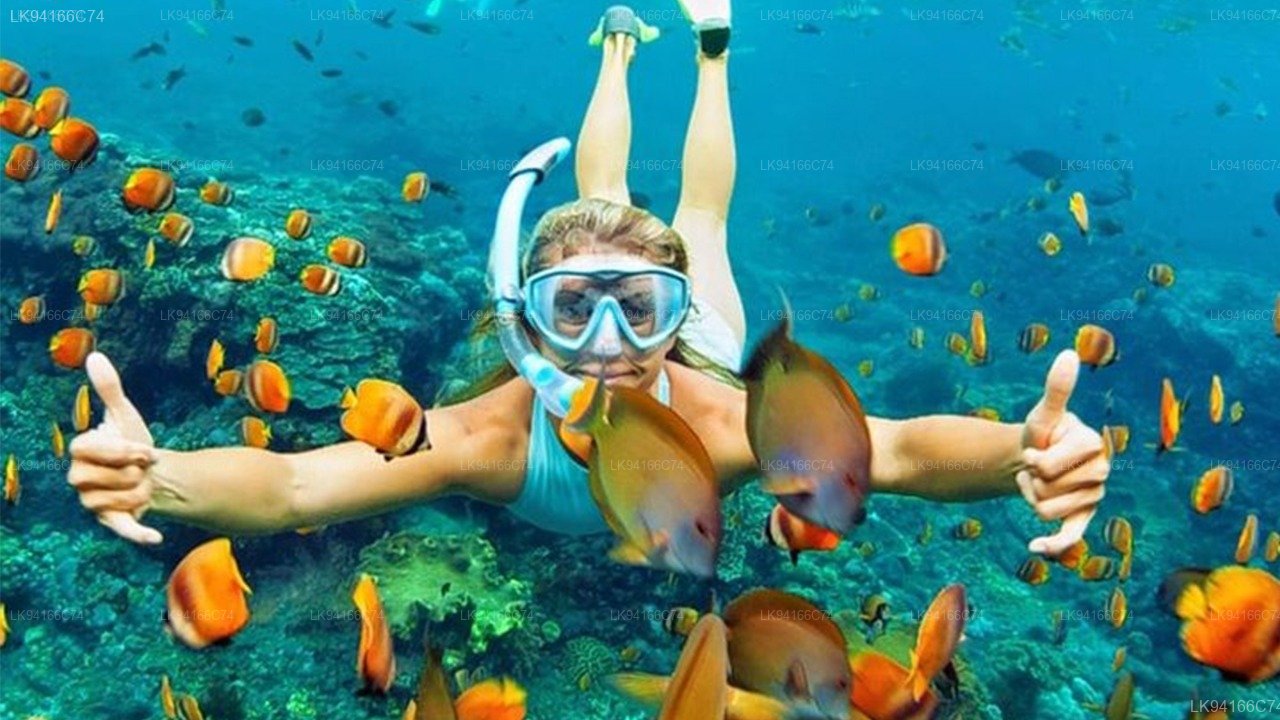
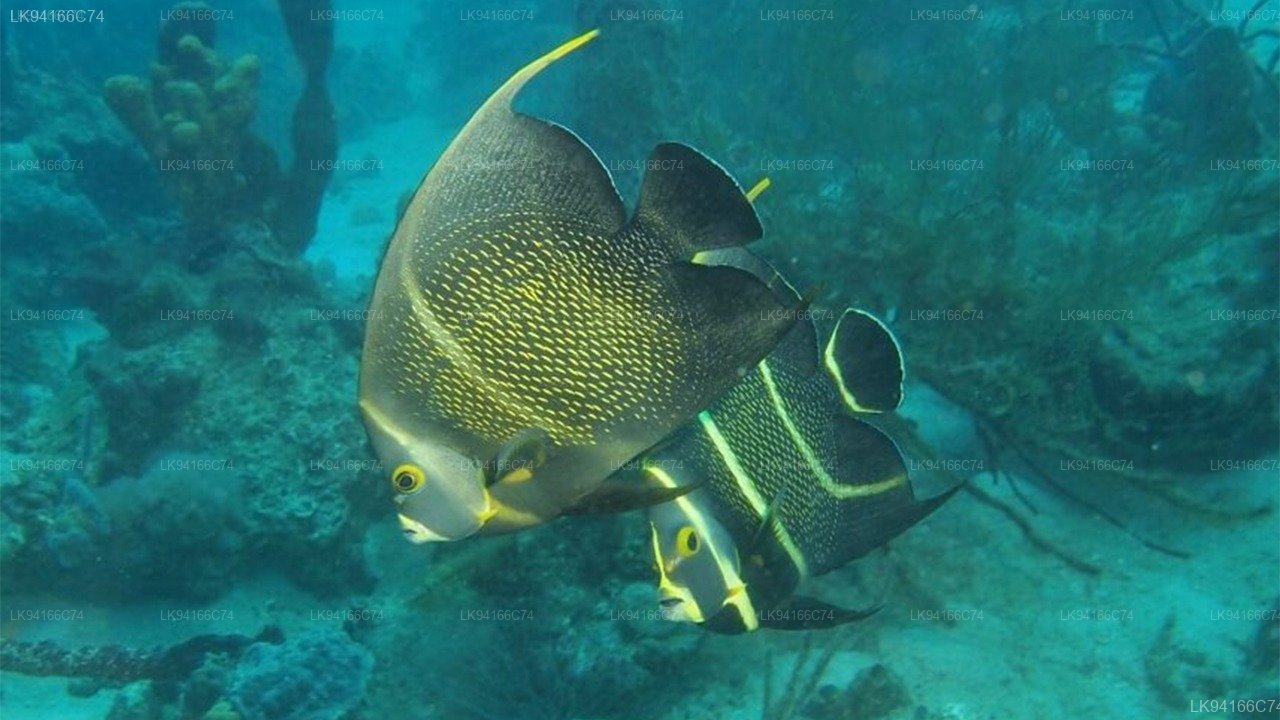
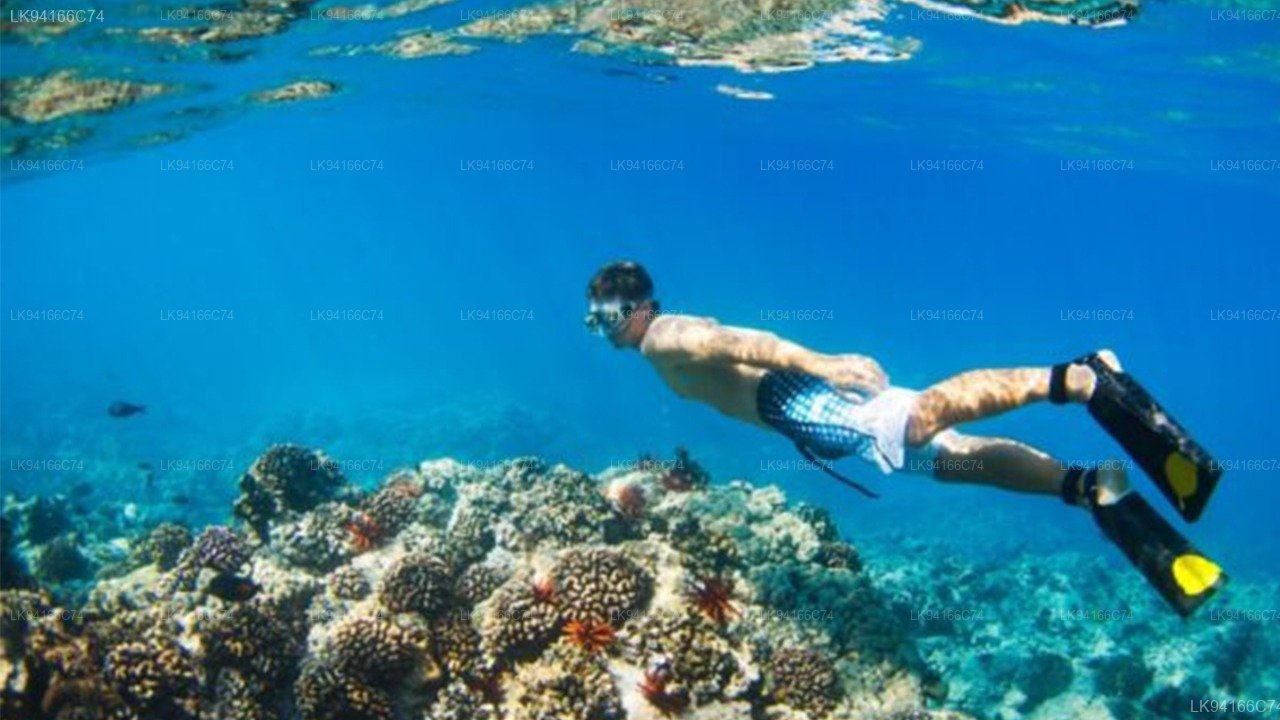
Rafa Świętej Anny jest jednym z najważniejszych systemów raf koralowych na Sri Lance, położonym u wybrzeży Kalpitiya w Prowincji Północno-Zachodniej. Znajduje się w obrębie większego Morskiego Sanktuarium Bar Reef i stanowi część bogatego ekosystemu morskiego, który wspiera różnorodne gatunki koralowców, ryb rafowych, skorupiaków oraz innych organizmów morskich. Rafa leży na stosunkowo płytkich wodach, co czyni ją dostępną dla snorkelingu i nurkowania, a od dawna jest uznawana za miejsce o dużej wartości ekologicznej i ekonomicznej.
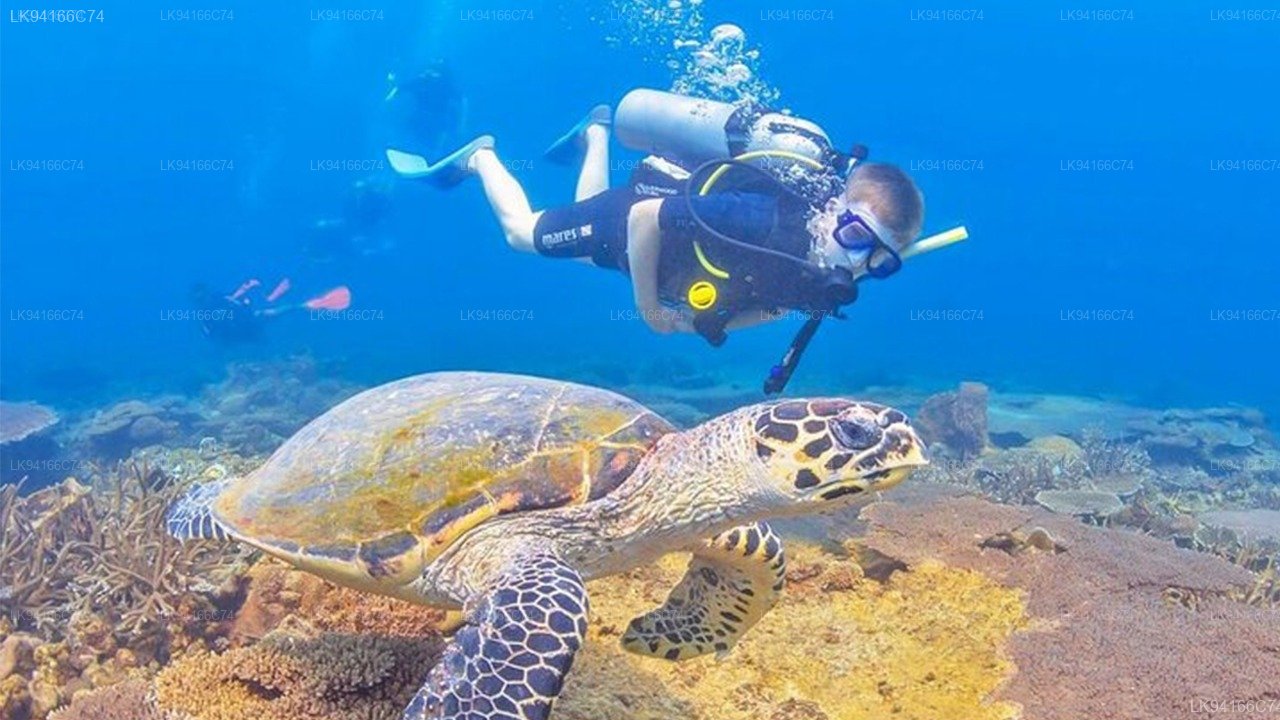
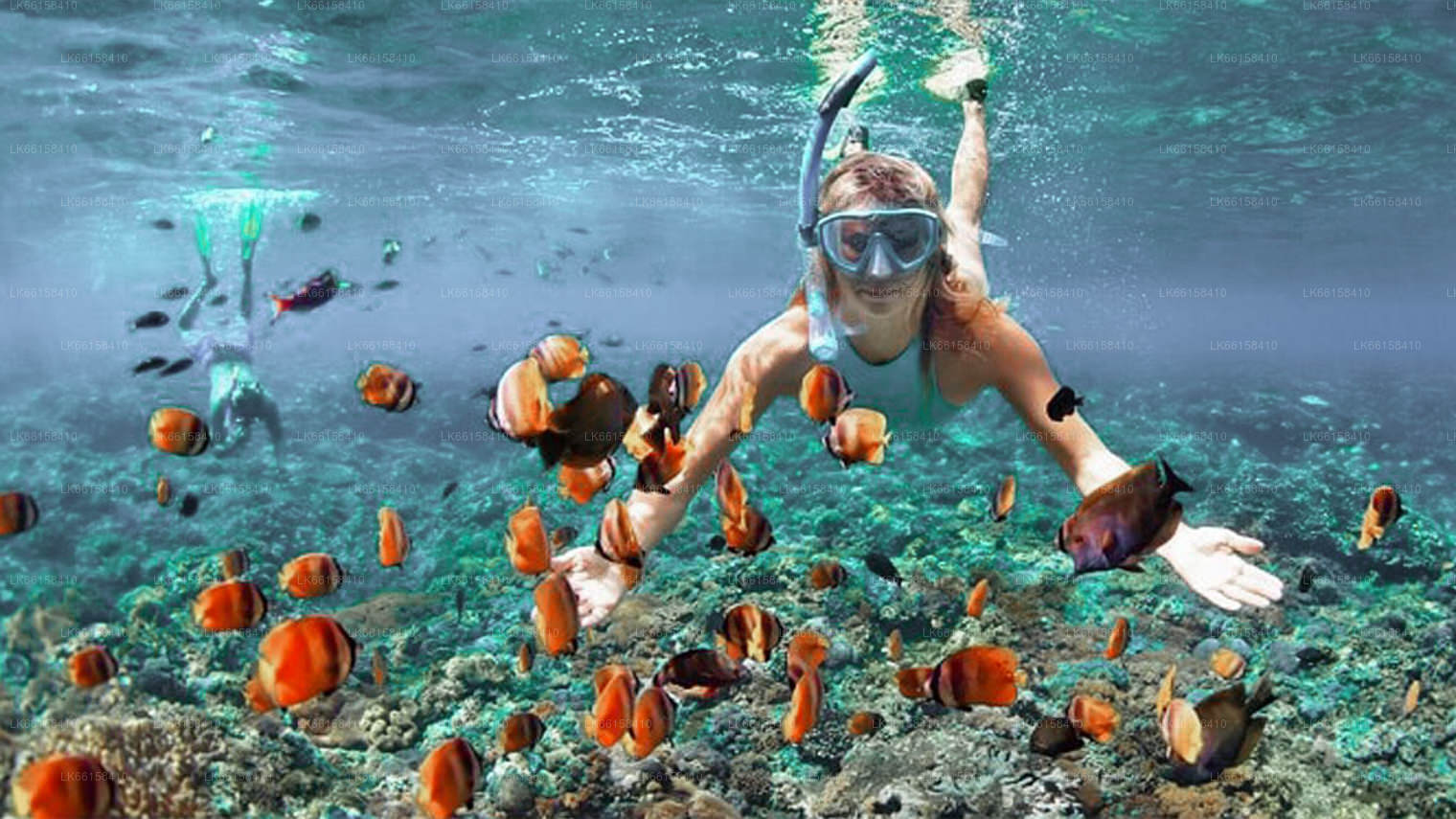
Pod względem ekologicznym Rafa Świętej Anny stanowi ważne siedlisko. Składa się z rozległych formacji koralowych, w tym koralowców rozgałęzionych, masywnych i płytowych, które tworzą schronienia i miejsca rozrodu dla wielu gatunków morskich. Często spotyka się tu ryby rafowe, takie jak papugoryby, motylkowce, graniki i lucjany, a także ogórki morskie, rozgwiazdy oraz sporadycznie żółwie morskie. Rafa pełni również funkcję ochronną dla wybrzeża, zmniejszając energię fal i ograniczając erozję brzegową. W ten sposób wspiera nie tylko bioróżnorodność, ale także środki utrzymania społeczności rybackich w regionie Kalpitiya.
Jednak podobnie jak wiele raf koralowych na świecie, Rafa Świętej Anny doświadczyła znacznych presji środowiskowych. Zjawiska bielenia koralowców związane ze wzrostem temperatury mórz spowodowały szkody w ostatnich dziesięcioleciach. Dodatkowo niszczące praktyki połowowe, nielegalne wydobycie koralowców w poprzednich latach oraz sedymentacja przyczyniły się do degradacji rafy. Uznając jej znaczenie ekologiczne, rząd Sri Lanki ogłosił otaczający obszar morskim sanktuarium, wprowadzając ograniczenia dla szkodliwych działań i promując środki ochronne.
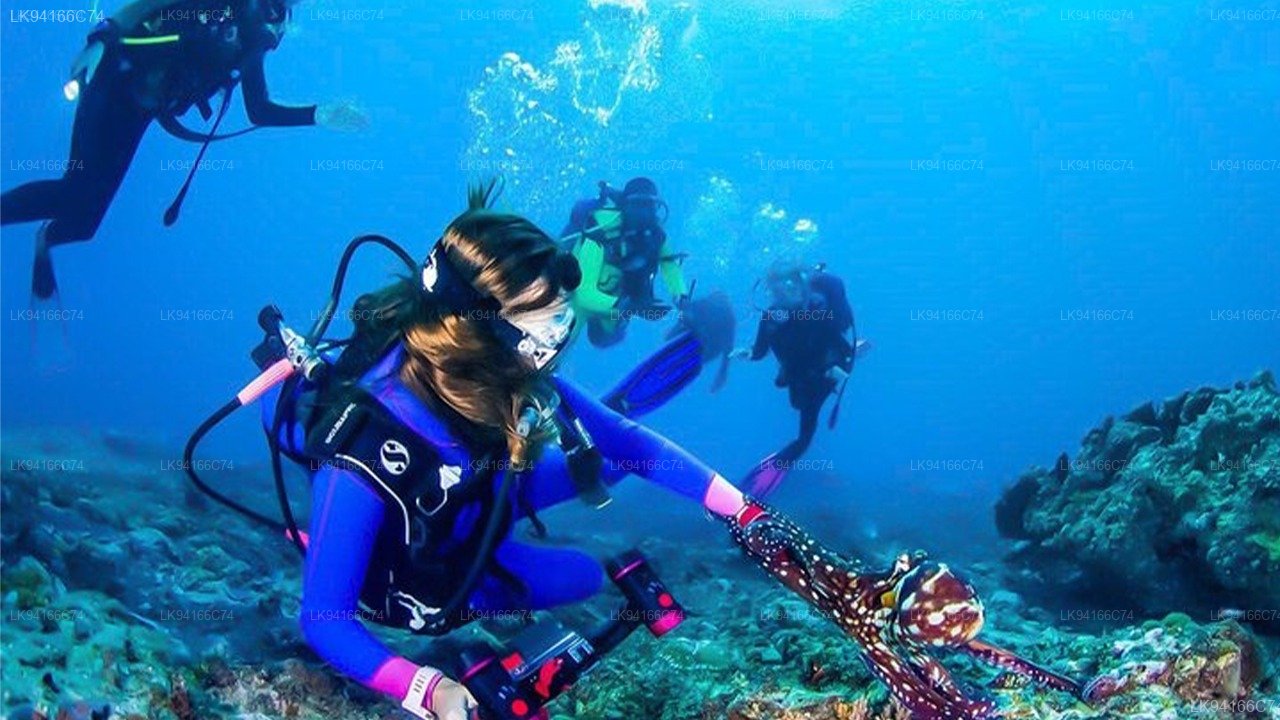
Obecnie Rafa Świętej Anny przyczynia się również do rozwijającego się sektora turystyki morskiej na Sri Lance. Kalpitiya stała się znana z obserwacji delfinów, kitesurfingu oraz nurkowania, a rafa przyciąga zarówno lokalnych, jak i międzynarodowych odwiedzających zainteresowanych eksploracją podwodnego świata. Coraz większy nacisk kładzie się na zrównoważone praktyki turystyczne, aby zachować równowagę między korzyściami ekonomicznymi a ochroną środowiska. Odpowiedzialne wytyczne dotyczące snorkelingu i nurkowania, wraz z programami zwiększania świadomości społecznej, mają na celu zapewnienie, że odwiedzający nie uszkodzą delikatnych struktur koralowych.
W szerszym kontekście Sri Lanki Rafa Świętej Anny reprezentuje zarówno dziedzictwo naturalne, jak i odpowiedzialność środowiskową. Podkreśla bogatą morską bioróżnorodność wyspy, jednocześnie wskazując na pilną potrzebę ochrony w obliczu zmian klimatycznych i wpływu człowieka. Ochrona tej rafy nie polega jedynie na zachowaniu piękna pod powierzchnią morza; chodzi także o ochronę rybołówstwa, stabilności wybrzeża oraz możliwości dla przyszłych pokoleń, aby mogły doświadczyć jednego z najcenniejszych ekosystemów morskich Sri Lanki.