Snake Farm
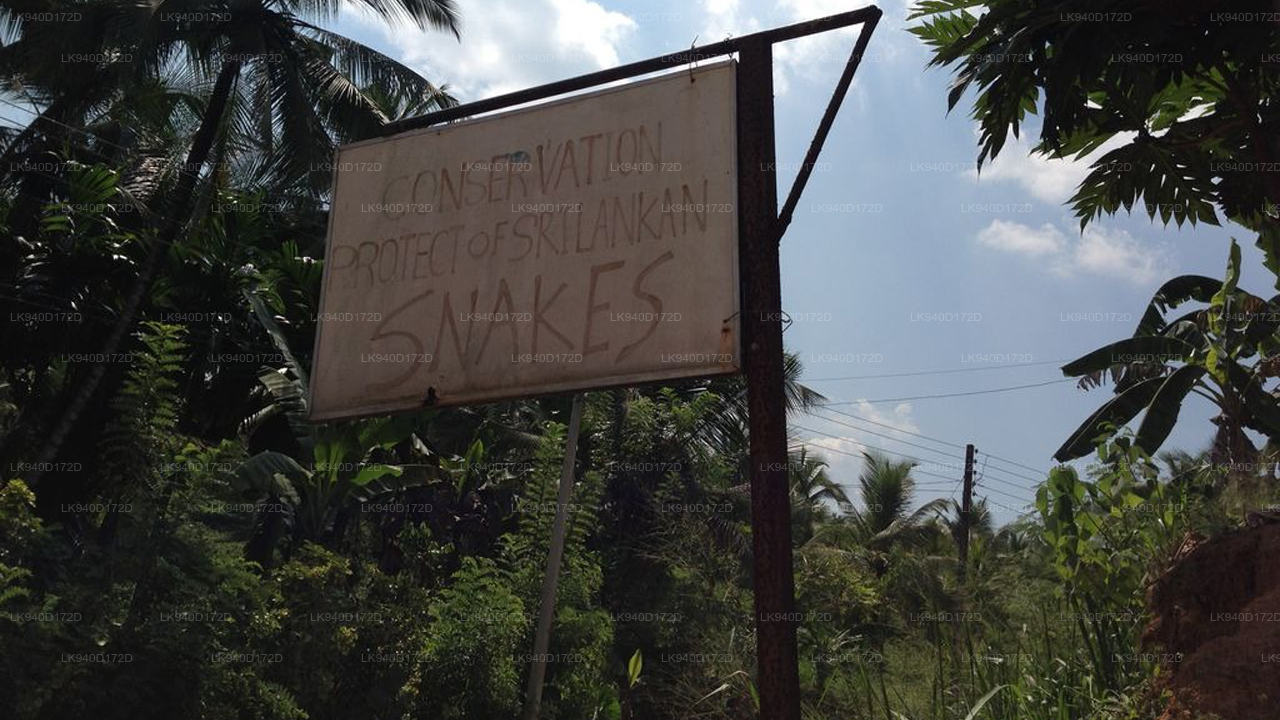
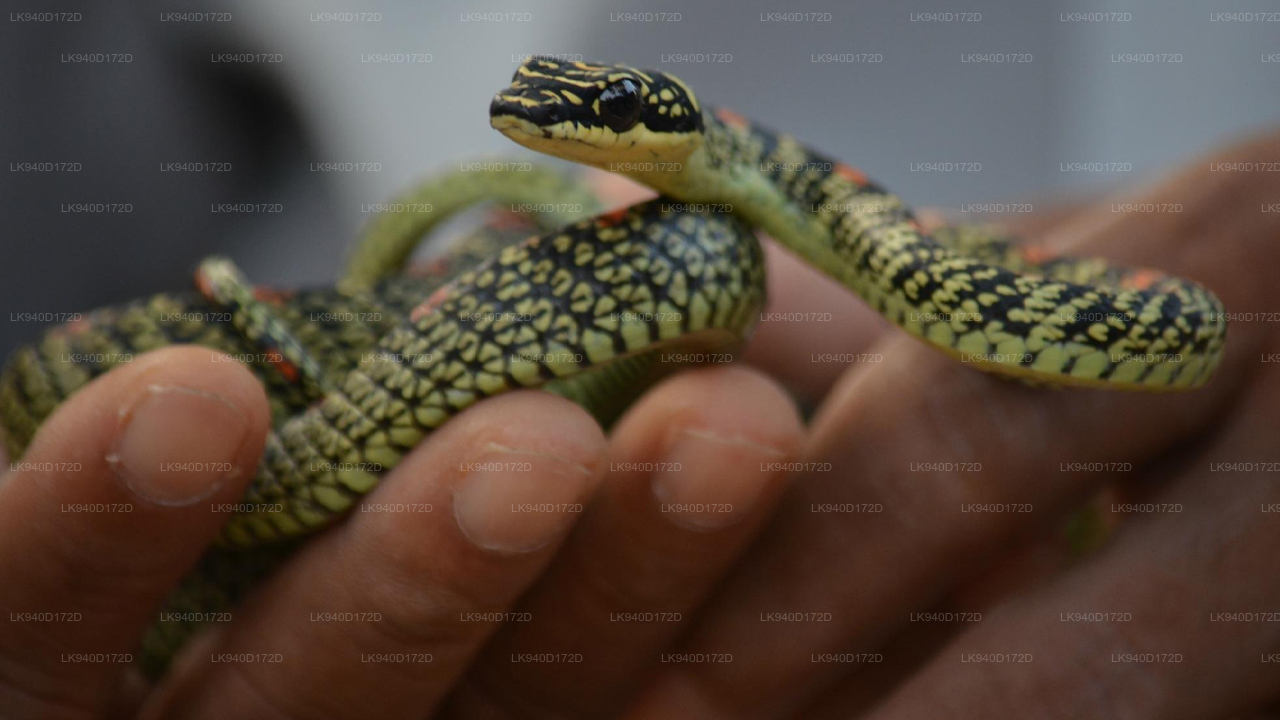

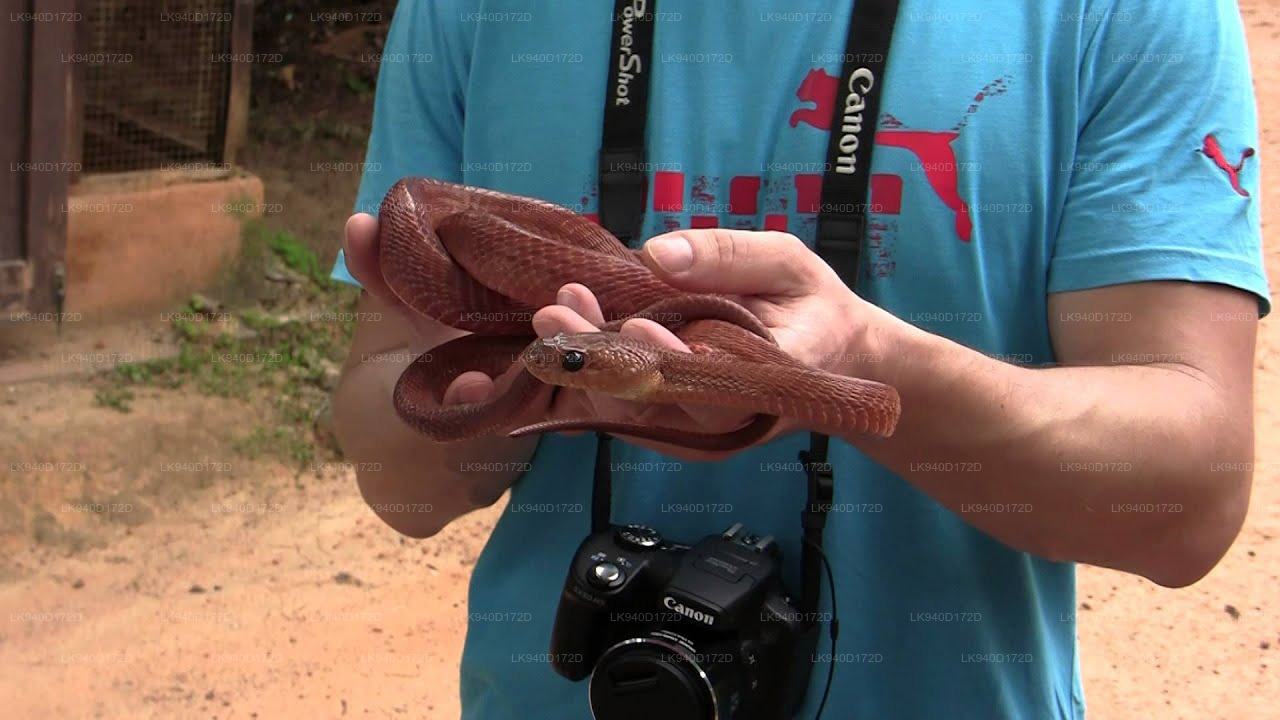
The Snake Farm in Telijjawila, located near Matara in the Southern Province of Sri Lanka, is a unique and educational attraction dedicated to the conservation and study of snakes. Set amidst lush greenery and rural landscapes, this privately operated farm provides visitors with fascinating insights into the diverse snake species found across Sri Lanka, including venomous and non-venomous varieties. The farm plays an important role in raising awareness about wildlife conservation while offering a safe environment to observe snakes up close.
The biodiversity surrounding the Snake Farm includes tropical vegetation, coconut plantations, and a variety of reptiles and birds. The farm houses several species commonly found in Sri Lanka's forests, wetlands, and agricultural regions. Visitors can learn about cobras, pythons, vipers, and other reptiles while gaining an understanding of their ecological importance. The experience highlights Sri Lanka's rich wildlife diversity and its connection to natural habitats in the southern coastal region.
Visitors to the Snake Farm in Telijjawila can observe live demonstrations of snake handling conducted by experienced professionals. Educational sessions explain snake behavior, rescue operations, and traditional Ayurveda treatments used for snakebites. The interactive nature of the visit makes it ideal for wildlife enthusiasts, students, and travelers interested in learning more about reptiles and Sri Lanka's wildlife management practices.
The best time to visit the Snake Farm is during the dry season from November to April, when travel conditions in the Southern Province are ideal. The farm is easily accessible from Matara, Mirissa, and Weligama, making it a convenient stop during tours along the southern coast. Many travelers combine this visit with other nearby attractions such as Weherahena Buddhist Temple, Nilwala River, and the beaches of Mirissa and Ahangama. With its educational value, unique experience, and connection to Sri Lanka's wildlife conservation efforts, the Snake Farm in Telijjawila is an unforgettable stop for nature lovers exploring the region.