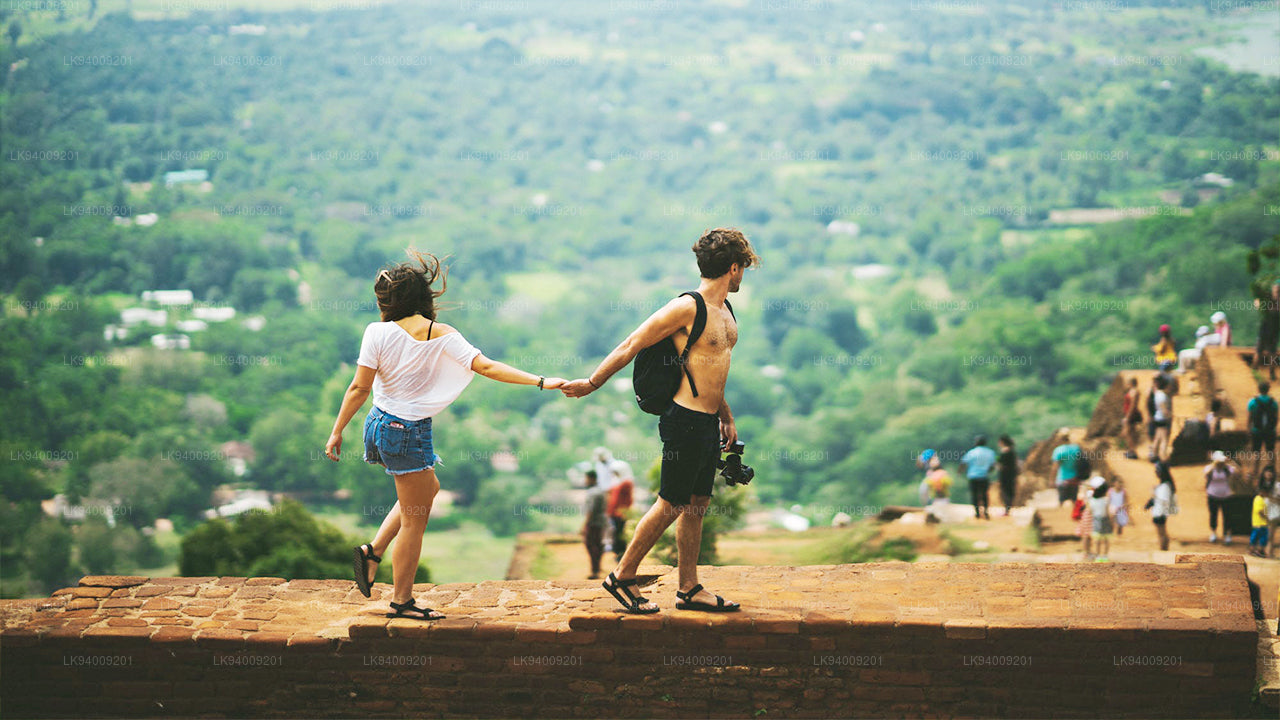
Muthiyangana Raja Maha Vihara


Muthiyanganaya Raja Maha Viharaya znajduje się w centrum miasta Badulla. Historia tej świątyni sięga czasów Buddy, ale obszar wokół Badulli (szczególnie prowincja Uva) sięga XIX - XVIII wieku p.n.e. Cesarz Rawana rządził tym krajem, a Badulla była jego stolicą. Uważa się również, że wojna między Ramą a Rawaną miała miejsce w tym rejonie. Istnieje wiele miejsc i nazw, które identyfikują ten obszar jako jedno z głównych miast Rawany; Seetha Eliya, Seetha Kotuwa oraz Rawana Ella, jak opisano w Ramajanie. Mówi się, że Rawana ostatecznie przegrał wojnę, a jego zdrajca brat Vibishana przeniósł stolicę do Kelaniya, a Uva stopniowo zniknęła z historii aż do V wieku.
Buddha i 500 Arhantów odwiedzili tę wyspę po raz trzeci na zaproszenie króla Naga Maniakkhity do Kelaniya. Podczas tej wizyty Buddha przybył do Badulli na zaproszenie króla Indaki (który został później wyniesiony do rangi boga), władcy łańcucha górskiego Namunukula. Król Indaka zbudował stúpę, w której przechowywano niektóre włosy Buddy i Mukthaka Dathu (krople potu, które zamieniły się w perły) w miejscu, w którym Buddha wygłosił swoje kazania. To był początek stupy Muthiyanganaya. Od tego czasu stupa i świątynia były rozbudowywane, rekonstruowane i odnawiane przez wielu królów.
Torana o unikalnym designie z sześcioma poziomami na wejściu do świątyni pochodzi z nieznanego okresu. Pierwszy poziom zawiera główne wejście, a nad nim, na drugim poziomie, znajduje się typowa głowa Makara (smok). Po bokach głowy znajdują się dwie figury strażników, a w rogach dwie figury lwów. Na trzecim poziomie znajdują się dwie figury Vamana, a na krawędzi dwa zwierzęta, prawdopodobnie lwy. Te figury nie są tak wyraźne, jak figury lwów na drugim poziomie. W centrum trzeciego poziomu znajduje się wysoka podstawa, która sięga do czwartego poziomu, na którym znajdują się dwa byki, a ich szczególną cechą jest to, że są ozdobione i mają duże garby. Takie byki są cechą hinduizmu, a ten element wskazuje na wpływ hinduizmu przy budowie tej struktury. Na końcu, na szczycie piątego poziomu, znajduje się siedząca statua Buddy. Piąty poziom jest dedykowany statui Buddy. Pawie na szóstym poziomie dopełniają kształt struktury. Na wejściu znajduje się kolorowy Makara Thorana. Tuż nad wejściem i pod głową smoka znajduje się figura Maitre Bodhisattvy. Po prawej stronie Domu Obrazów znajduje się posąg boga Indaki, opiekuna Świętej Ziemi Muthiyanganaya oraz łańcucha górskiego Namunukula. Po prawej znajduje się posąg Maitre Bodhisattvy. Po przejściu przez Dom Obrazów docieramy do najświętszej struktury w świątyni, stupy, która przechowuje włosy Buddy i Mukthaka Dathu. Początkowa stupa, zbudowana przez boga Indakę w V wieku p.n.e., została rozszerzona przez króla Devanampiyatissę (150-210 p.n.e.) z okresu Anuradhapura.


Special places in Badulla
-
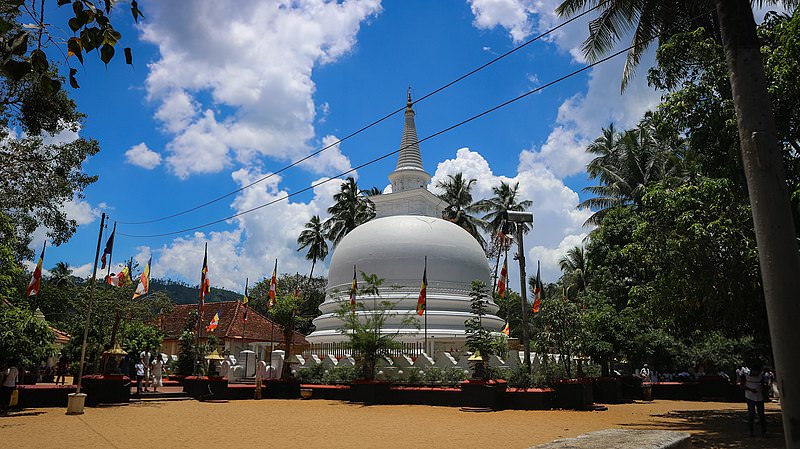 Muthiyangana Raja Maha Vihara
Muthiyanganaya Raja Maha Viharaya lies in the centre of the city of Badulla. The History of this temple goes back to the time of Buddha but this area around Badulla goes way back in to the time of 19th -18th century BCE.
-
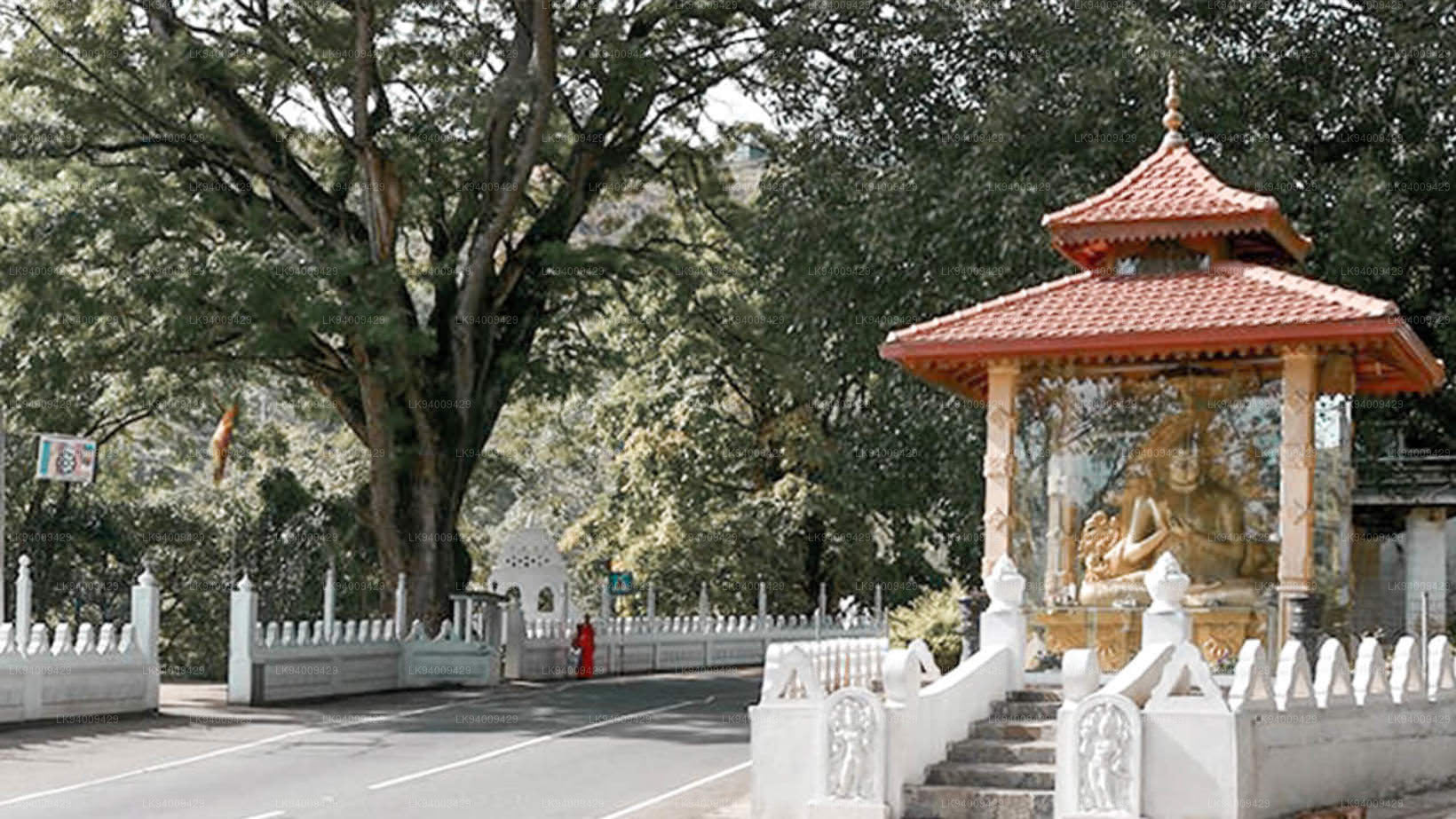 Dowa Raja Maha Viharaya
Dowa Raja Maha Viharaya (Dowa Cape Temple) lies few kilometres away from the Bandarawela town on the Bandarawela – Badulla Road. This temple is thought to be done by King Walagamba in the in first century BC.
-
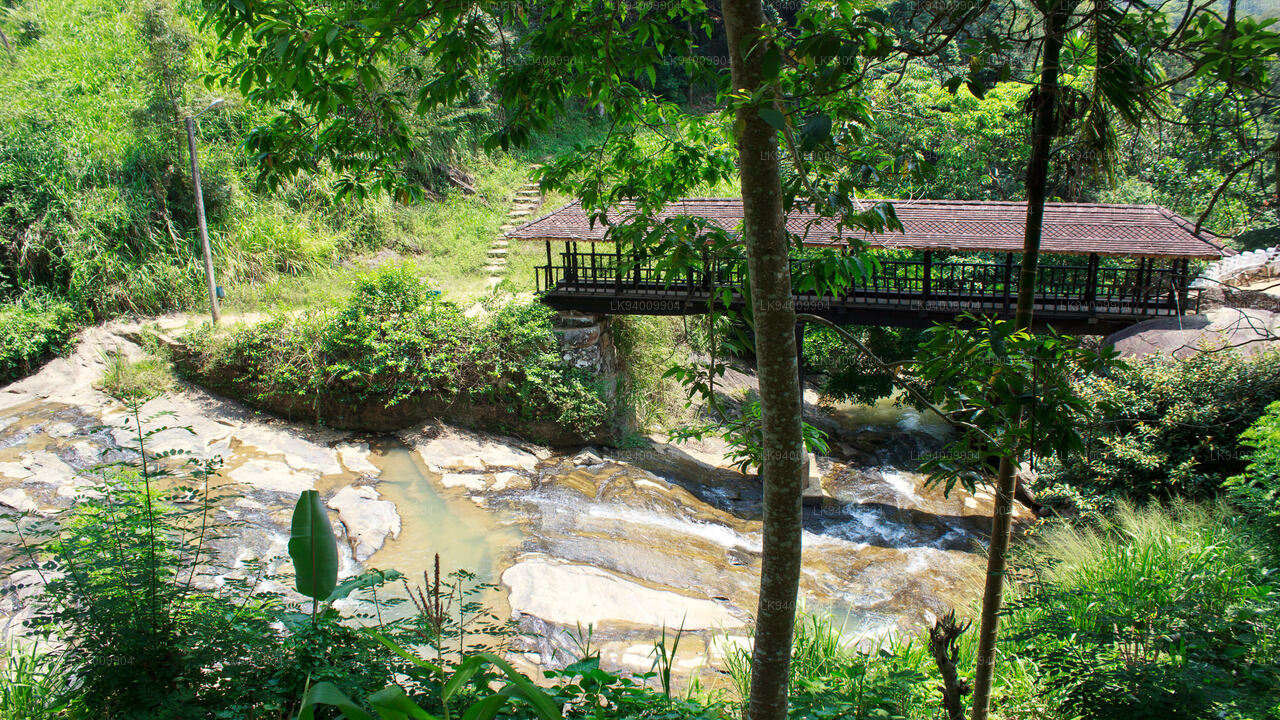 Bogoda Wooden Bridge
The Bogoda Wooden Bridge was built in the 16th century during the Dambadeniya era. This is said to be the oldest surviving wooden bridge in Sri Lanka. The bridge is situated at 7 kilometres (4.3 mi) west of Badulla.
-
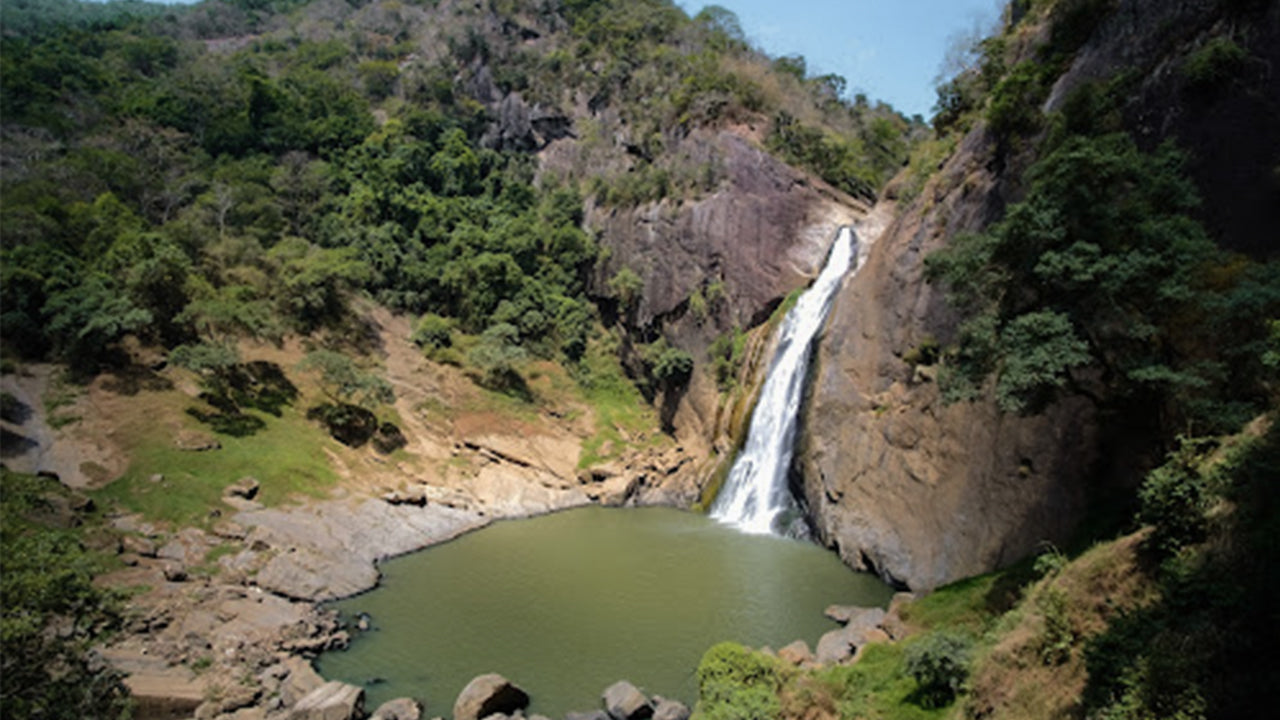 Dunhinda Falls
Dunhinda Falls is situated about 5 km away from Badulla town. It is 63 meters high and is considered to be one of the most beautiful waterfalls in Sri Lanka. The falls gets its name dew to the smoky dew drops spray.