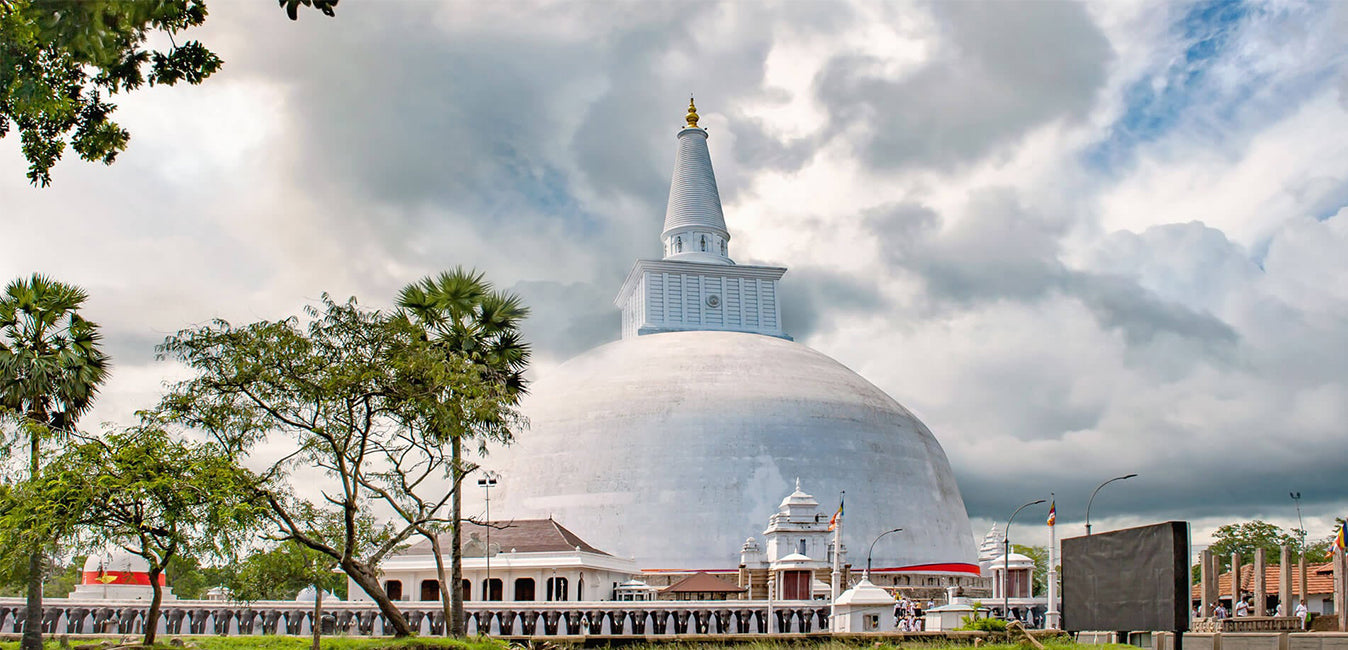
Medirigiriya Vatadage

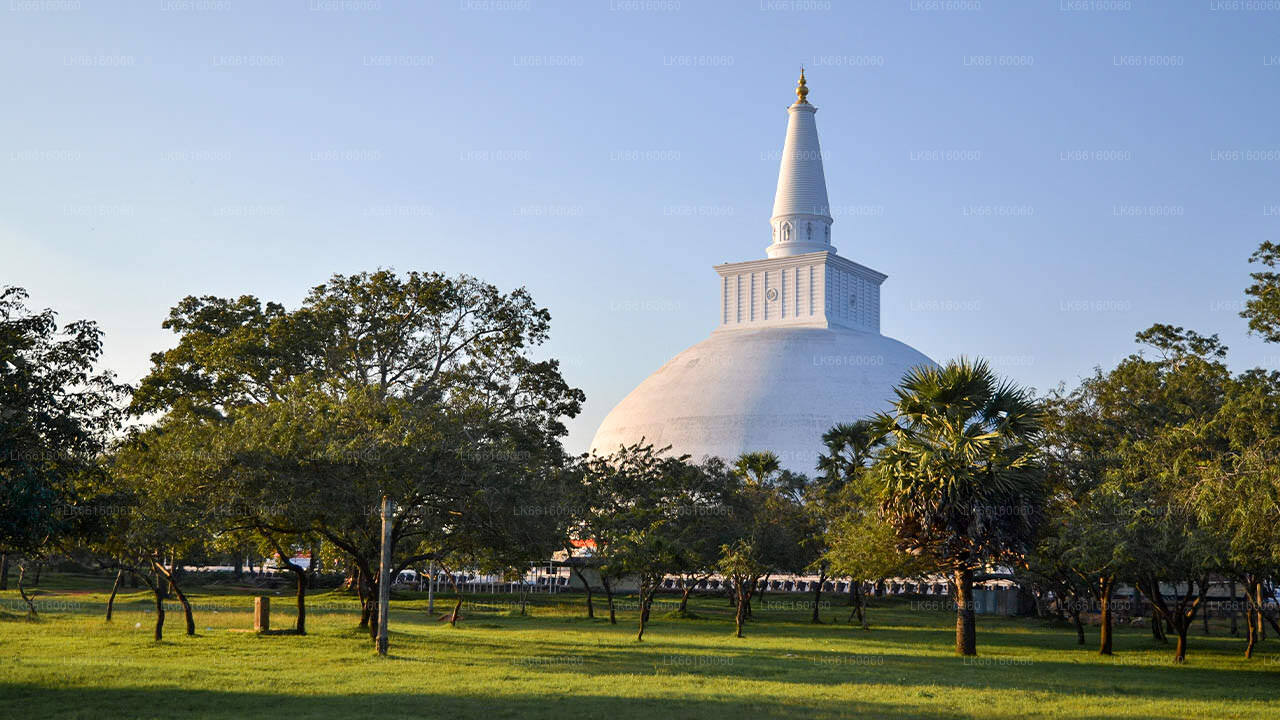
Medirigiriya Watadageya in Sri Lanka is a monastery located in the kingdom of Polonaruwa, dating back to over two millennium. The centerpiece or point of interest of the whole monastery is the Medirigiriya Vatadage. It was an architectural masterpiece of those early eras which housed the Stupa completely within it. Only 7 such stupa houses remain today in Sri Lanka.

The earliest references to this monastery were recorded in the 2nd century AD, though many clues point towards an even longer history.

The History

Records during the time of King Kanitta Tissa (AD 192 – 194) of Anuradhapura show that this Vatadage was much worshipped and respected at that time. However the ancient brahmi characters engraved in the bricks and the stone carvings, which pre date carvings found in the other Vatadages, point towards a long history dating from the pre-Christian Era. The monastery was supported by, and was donated to by many kings throughout Sri Lanka’s history. In particular, the stupa which forms the centerpiece of the Vatadage appears to have been built in the time of Aggabodhi I (564 – 598 AD).

The Medirigiriya Watadageya in Sri Lanka was a building supported by three concentric rings of pillars, and housed the stupa completely. The pillars and ruins still stand today.

The Structure

The Medirigiriya Watadageya in Sri Lanka was built on a rocky outcrop. It had a single entrance facing north. The doorway was a huge carved stone frame built at the bottom of a staircase. The frame measured 9.75 feet in height and 4.75 feet in breadth. The doorway was followed by a climb of 27 stone steps to a large resting area. Four steps lead from the resting area to the actual Stupa house. The Stupa House had a low stone wall, about a meter tall, which ran around it. Seated against the wall facing the four cardinal directions were four exquisite stone Buddha statues. There was a huge 33 feet-long sleeping Buddha in the Stupa House. The Stupa reigned in the center.

The stupa was surrounded by stone pillars in three concentric rings. The outer ring had 32 pillars standing at nine feet, the middle ring 20 pillars standing at 16 feet, and finally, the inner ring had 16 pillars standing at 17 feet. Some archaeologists argue that there never was a roof, while other’s say that the remaining pillars in the ruins still standing prove that they supported a roof. The heights of the rings of pillars point toward a roof that would have been very tall in the center to accommodate the spire of the Stupa, while sloping downward in a dome-like fashion to a comparatively lower point at the outer edges.

The ruined but still elegant Medirigiriya Vatadage is a prime example of the advanced stone crafting practiced by the craftsmen of Ceylon throughout the ages.

Other Features

The other features that the Monastery of Medirigiriya once had were the two bathing ponds, a cave with signs of use by the ancient monks, a toilet, a hospital that was quite advanced for its time and a medicine boat made of hard rock shaped to fit any type of body structure. There are also three stone inscriptions still to be seen. Two of them are about the management of the hospital and the provision of food. The third is inscribed in ancient Tamil lettering.

The Medirigiriya Vatadage was rediscovered in the late 1800s.

Abandonment and Present State

Medirigiriya was abandoned after the invasion of Kalinga Magha. Over half a millennium later in 1897, Mr H.C.P Bell rediscovered it during a trek in the jungle and immediately realised its importance. He called it an architectural jewel and had restoration work done on it. The restoration was completed in 1945 and declared open to the

  • Jaya Sri Maha Bodhi er et hellig bo-tre i Mahamewna-hagene i Anuradhapura på Sri Lanka. Det er den sørlige grenen fra den historiske Sri Maha Bodhi ved Buddha Gaya i India, der Buddha oppnådde opplysningstiden. Det ble plantet i 288 f.Kr., og er det eldste levende menneskeplantede treet i verden med en kjent plantedato.

    Sri Maha Bodhiya 
  • Ruwanweli Maha Seya, også kjent som Mahathupa (den store Thupaen), er en stupa (en halvkuleformet struktur som inneholder relikvier) i Anuradhapura, Sri Lanka. To kvart eller én dona av Buddhas relikvier er oppbevart i stupaen, noe som gjør den til den største samlingen av hans relikvier noe sted. Den ble bygget av den singalesiske kongen Dutugemunu ca. 140 f.Kr., som ble konge av Sri Lanka etter en krig der cholakongen Elāra (Ellalan) ble beseiret.

    Ruwanweliseya 
  • Thuparamaya er det første buddhisttempelet som ble bygget etter at mahinda thero (mahindagamanaya) ankom Sri Lanka. Thuparamaya Stupa ligger i det hellige området i Mahamewna-parken, og er den tidligste dagobaen som ble bygget på øya, og dateres tilbake til kong Devanampiya Tissas regjeringstid (247–207 f.Kr.). Tempelet er formelt anerkjent av regjeringen som et arkeologisk sted på Sri Lanka.

    Thuparamaya 
  • Lovamahapaya is a building situated between Ruwanweliseya and Sri Mahabodiya in the ancient city of Anuradhapura, Sri Lanka. It is also known as the Brazen Palace or Lohaprasadaya because the roof was covered with bronze tiles. In ancient times, the building included the refectory and the uposathagara (Uposatha house).

    Lovamahapaya 
  • Abhayagiri Vihāra var et viktig kloster for Mahayana-, Theravada- og Vajrayana-buddhismen, som lå i Anuradhapura på Sri Lanka. Det er en av de mest omfattende ruinene i verden og en av de helligste buddhistiske pilegrimsbyene i landet.

    Abhayagiri Dagoba 
  • Jetavanarama-stupaen eller Jetavanaramaya er en stupa, eller et buddhistisk relikvieskrin, som ligger i ruinene av Jetavana-klosteret i UNESCOs verdensarvby Anuradhapura på Sri Lanka. Med sine 122 meter var den verdens høyeste stupa og den tredje høyeste strukturen i verden da den ble bygget av kong Mahasena av Anuradhapura (273–301).

    Jetavanaramaya 
  • Mirisaweti-stupaen er en minnesmerkebygning, en stupa, som ligger i den gamle byen Anuradhapura på Sri Lanka. Kong Dutugamunu (161 f.Kr. til 137 f.Kr.) bygde Mirisaveti-stupaen etter å ha beseiret kong Elara. Etter å ha plassert Buddha-relikviene i septeret, dro han til Tissa Wewa for et bad og forlot septeret.

    Mirisawetiya Stupa 
  • Lankarama er en stupa bygget av kong Valagamba, på et gammelt sted i Galhebakada i det gamle kongeriket Anuradhapura, Sri Lanka. Ingenting er kjent om stupaens eldgamle form, og den ble senere renovert. Ruinene viser at det finnes rader med steinsøyler, og det er ingen tvil om at det har blitt bygget et hus rundt stupaen (vatadage) for å dekke den.

    Lankarama 
  • Isurumuniya er et buddhisttempel som ligger i nærheten av Tissa Wewa (Tisa-tanken) i Anuradhapura, Sri Lanka. Det er fire utskjæringer av spesiell interesse i denne Viharaen. De er Isurumuniya-elskere, Elefantdammen og Kongefamilien. Den gamle Meghagiri Vihara eller Meygiri Vihara er for tiden identifisert som Isurumuni Vihara.

    Isurumuniya 

Om Nord-Sentralprovinsen

Anuradhapura tilhører den nordlige sentrale provinsen på Sri Lanka. Anuradhapura er en av de gamle hovedstedene på Sri Lanka, kjent for sine godt bevarte ruiner av den gamle lankesiske sivilisasjonen. Byen, som nå er på UNESCOs verdensarvliste, ligger 205 km nord for den nåværende hovedstaden Colombo på Sri Lanka. I den hellige byen Anuradhapura og i nærheten finnes et stort antall ruiner. Ruinene består av tre typer bygninger: dagobas, klosterbygninger og pokuna (dammer). Byen hadde noen av de mest komplekse vanningsanleggene i den antikke verden, og ligger i den tørre sonen av landet. Administrasjonen bygde mange tanker for å vanne landet. De fleste sivile er singalesere, mens tamiler og srilankiske maurere bor i distriktet.

Om Nord-Sentralprovinsen

Nord-Sentral-provinsen, som er den største provinsen i landet, dekker 16 % av landets totale landareal. Nord-Sentral-provinsen består av to distrikter kalt Polonnaruwa og Anuradhapure. Anuradhapura er det største distriktet på Sri Lanka. Arealet er 7 128 km². Nord-Sentral-provinsen har en rekke potensialer for investorer som vil starte sine virksomheter, spesielt landbruk, landbruksbaserte næringer og husdyrsektoren. Mer enn 65 % av befolkningen i Nord-Sentral-provinsen er avhengige av grunnleggende landbruk og landbruksbaserte næringer. NCP kalles også «Wew Bendi Rajje» fordi det finnes mer enn 3000 mellomstore og store dammer i provinsen. Sri maha bodiya, Ruwanweli seya, Thuparama dageba, Abayagiri-klosteret, Polonnaruwa Rankot wehera og Lankathilake er redde.